Most homes do not get messy in one big moment. They drift, a little at a time: mail on the counter, shoes by the couch, a mug on every surface. By the next morning, yesterday is still sitting everywhere.
This 10 minute daily tidy routine is not cleaning. There is no scrubbing, mopping, or deep tidying here. A reset simply means returning things to their homes, so every morning starts at zero instead of behind.
Ten minutes works because it has a hard stop. You are not finishing the whole house. You are running four short blocks, in the same order each day, until the timer ends the job for you.
The Minute-by-Minute Plan
Use the same order every time, so the reset becomes automatic. Carry one basket through the whole routine and make one trip per room, not ten.
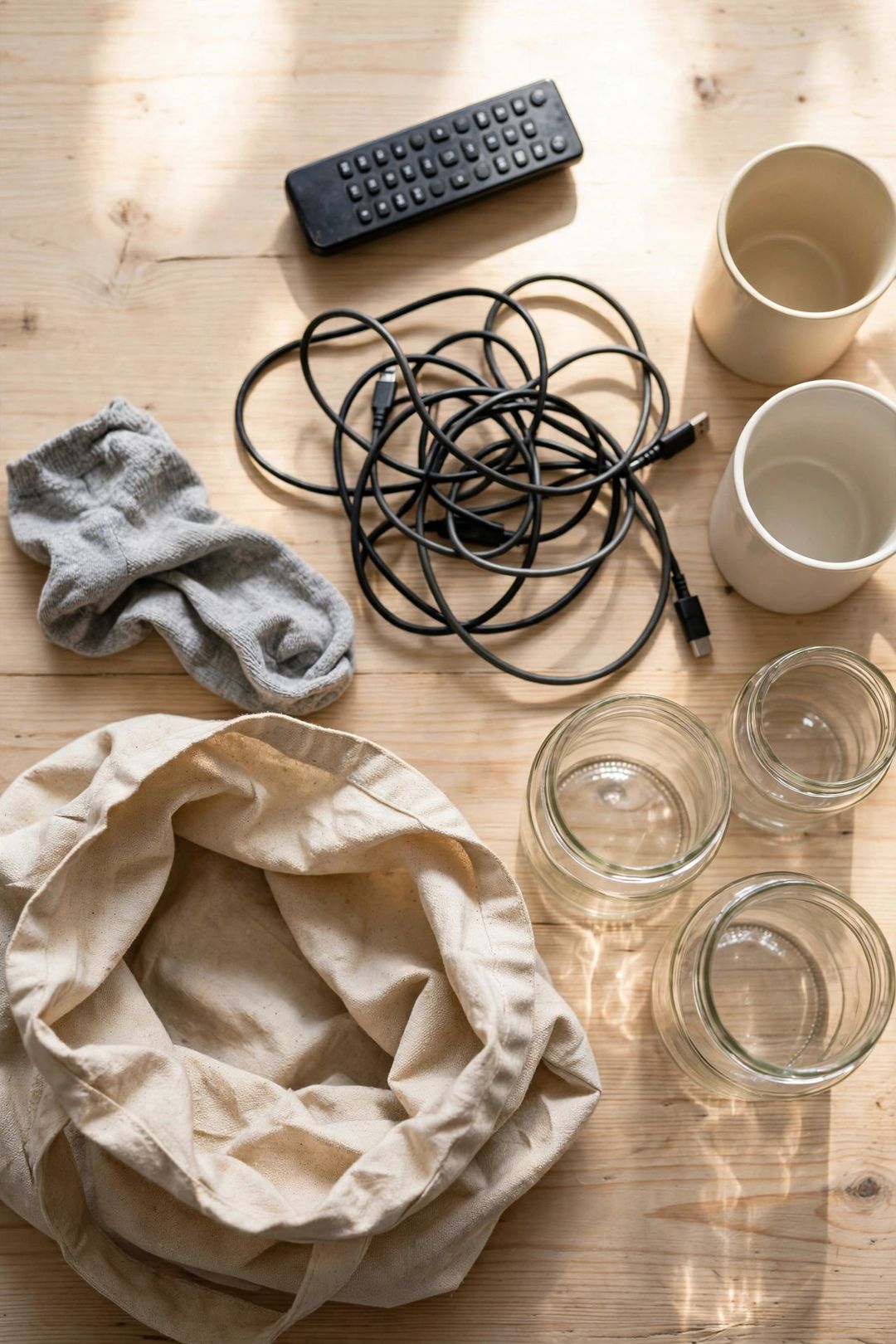
Minutes 0–2: Surfaces first. Walk the main living areas and clear flat surfaces only. Move mail, remotes, mugs, and stray paper to where they belong, or into the basket if their home is in another room.
Minutes 2–5: Floors and stray items, basket in hand. Pick up everything on the floor that does not live there: shoes, toys, bags, laundry, and blankets. Drop items into the basket and deliver them in one pass.
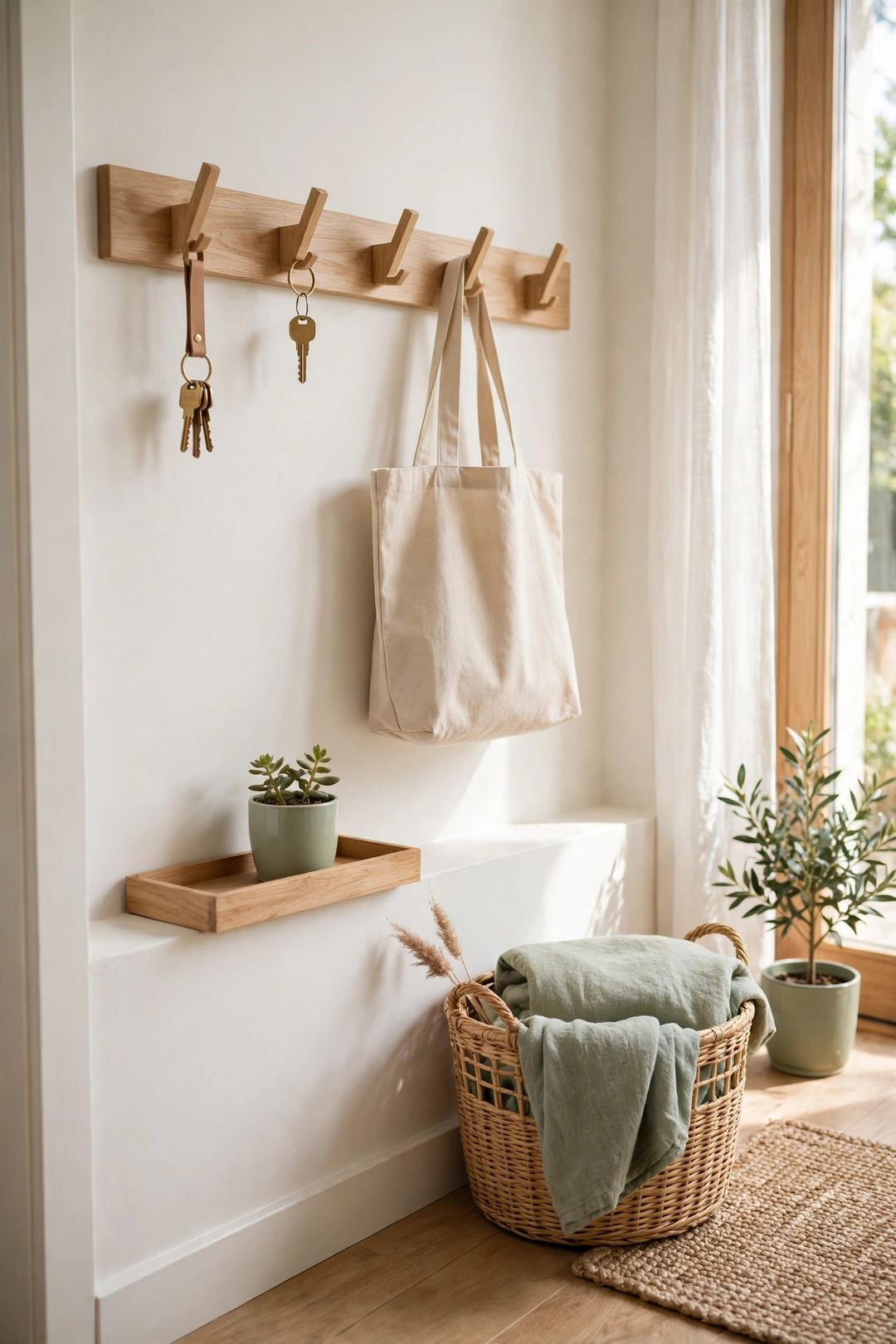
Minutes 5–8: Kitchen and entryway reset. Load or unload the few dishes that are out, wipe the main counter, and take out anything that smells. At the entryway, line up shoes, hang keys and bags, and clear the floor.
Minutes 8–10: Trash out and tomorrow prep. Empty small bins into one bag and take trash and recycling out if full. Then set up one thing for tomorrow: bags by the door, or the table cleared for breakfast.
The Rules That Make It Work
Keep the timer visible. A timer on the counter or phone turns the reset into a short game with an end. When it rings, you stop, even if a corner is not perfect.
Use one basket, only one. The basket is the whole method. It collects stray items from every room and makes delivery a single trip, instead of carrying one item at a time and getting pulled into side tasks.
Done beats perfect. A reset puts things back in their homes. It does not sort drawers, reorganize shelves, or fix a storage problem. If something has no home, note it for later and keep moving.
Music is optional, wandering is not. A short playlist can mark the time and make the ten minutes feel lighter. What matters is staying on the route: surfaces, floors, kitchen and entry, then tomorrow prep.
Touch each item once. Pick it up, decide its home, and put it there or in the basket. Setting things down in a new pile just moves the mess to a different room.
When Life Interrupts
Some days ten minutes does not exist. On those days, run the 3-minute emergency version instead of skipping the reset completely.
Minute one: clear the main surface you see first, usually the kitchen counter or coffee table. Minute two: gather floor items into the basket and leave the basket by the stairs or door if there is no time to deliver it. Minute three: take out the trash or recycling and put tomorrow's bag by the door.
That short version keeps the chain unbroken. A small reset protects the habit, and the full ten minutes will feel normal again on a regular day.
Pair It With an Anchor Habit
A new routine sticks best when it is attached to something that already happens. Pick one anchor and keep it steady: right after dinner, right before the evening shower or screen time, or first thing after morning coffee.
An evening reset gives the calmest result, because the home is put back before the day ends and the morning starts clear. A morning reset suits homes that empty out early and gather clutter in the evening. Either anchor works. What fails is a floating time that moves every day and quietly gets skipped.
What to Buy
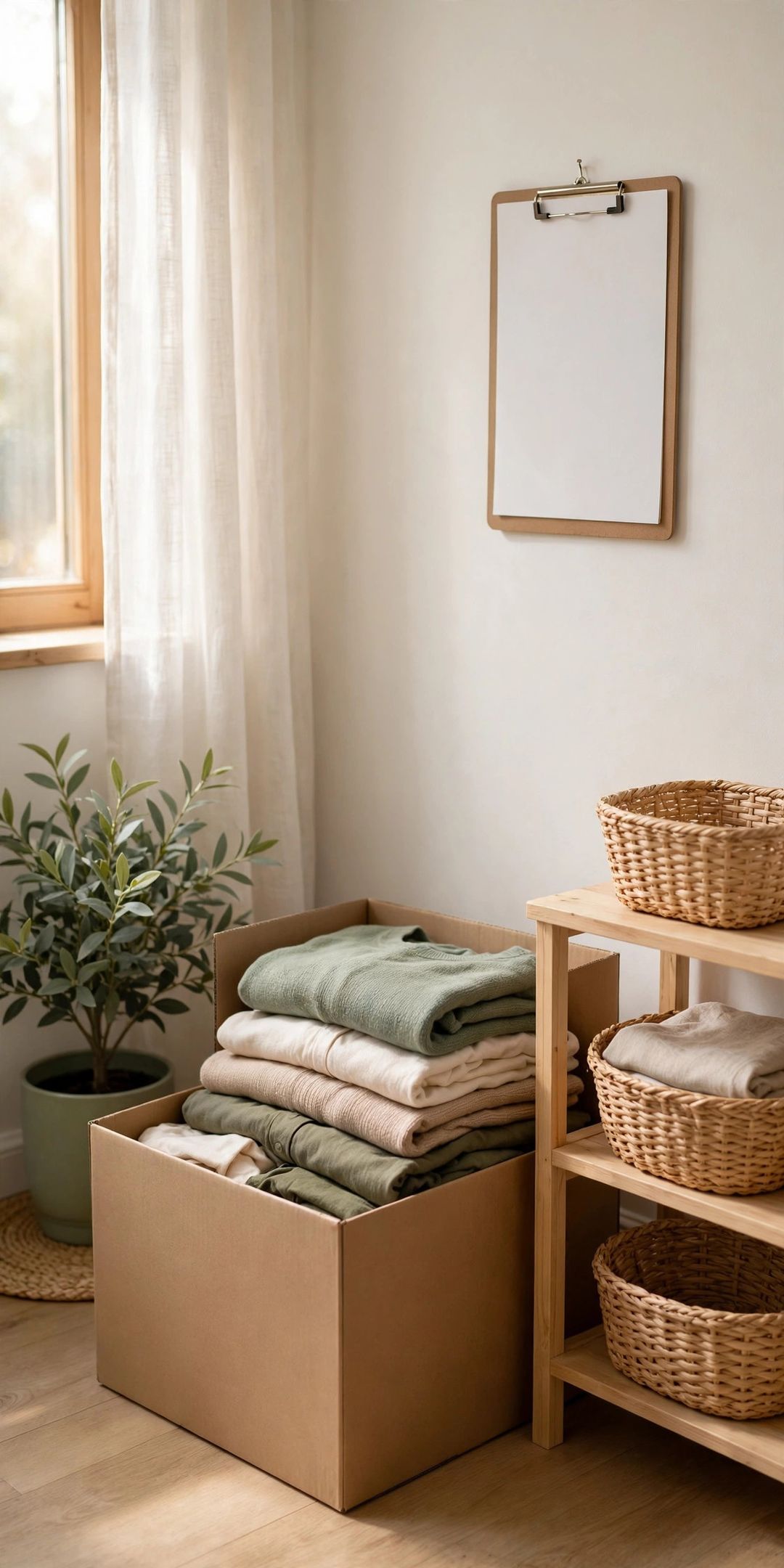
A sturdy carry basket with handles, typically $10–$20. Pro: It makes the one-basket method possible and holds a full room of stray items in one trip. Con: A basket that is too large gets left full instead of emptied. Skip if: A laundry basket you already own is free at reset time.
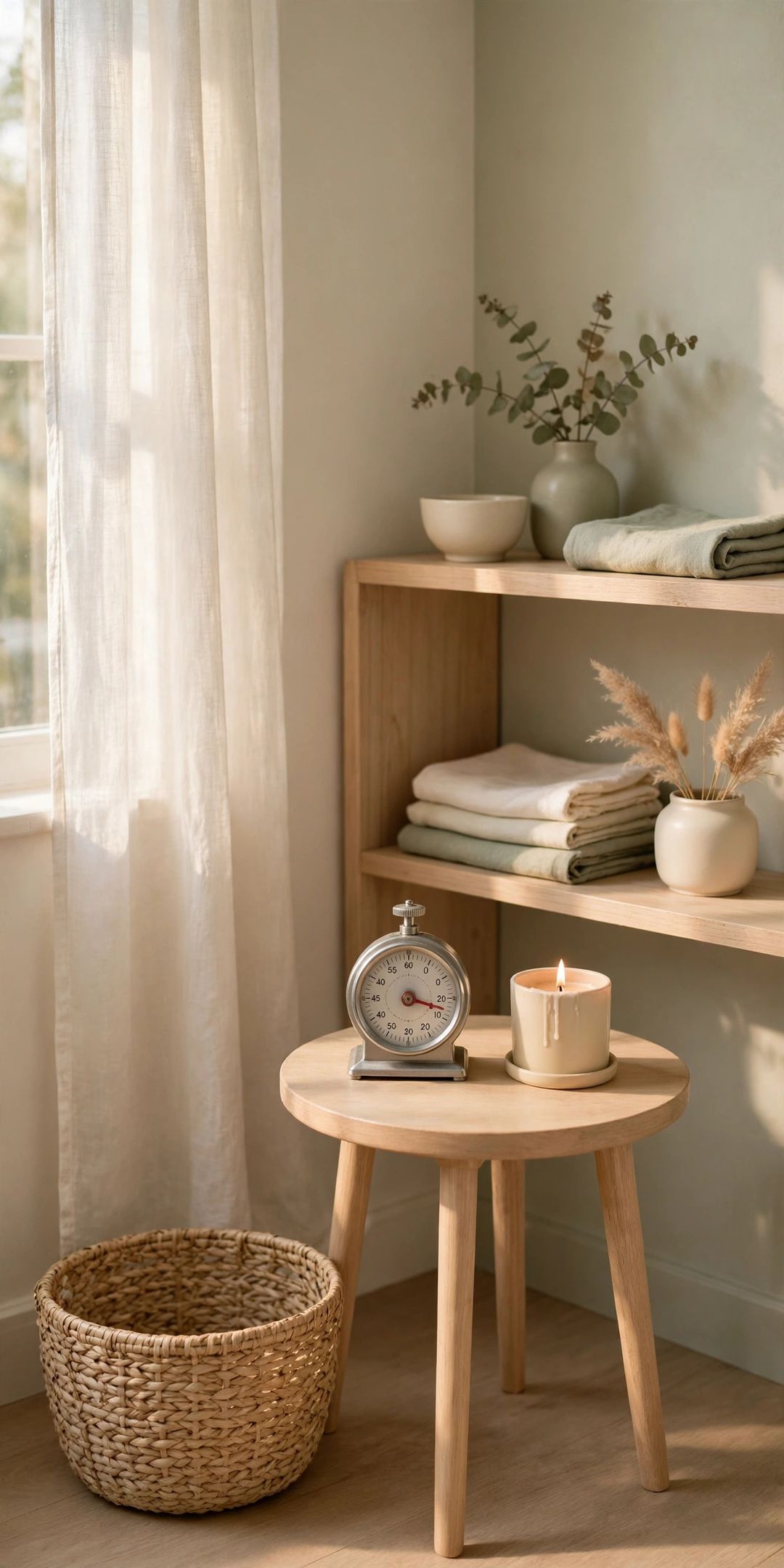
A small kitchen timer, typically $7–$14. Pro: A visible countdown keeps the pace up and gives the reset a clear finish. Con: It is one more small item to store. Skip if: A phone or stove timer is already easy to see from every room.
Microfiber cloths, typically $8–$15 for a multi-pack. Pro: A quick counter wipe during the kitchen block takes seconds and needs no extra products. Con: They need regular washing to stay effective. Skip if: You already keep a clean cloth by the sink for daily use.
A donation box for by the door, typically $0–$12. Pro: Items you decide to let go during a reset land in the box at once, instead of forming a new pile. Con: It needs emptying on a schedule or it becomes storage. Skip if: A bag in a closet already serves as your donation spot.
Mistakes to Avoid
- Turning the reset into cleaning. Scrubbing and deep tasks blow past ten minutes and make the routine feel heavy. Save them for a cleaning session.
- Starting without the basket. Carrying items one by one leads to detours, side tasks, and a reset that never quite finishes.
- Sorting during the reset. Deciding a whole drawer or paperwork pile is a project. The reset only returns things to existing homes.
- Chasing perfect. Lining up every object and fixing every corner breaks the time limit, which is the part that makes the habit last.
- Skipping hard days completely. Missing the routine on busy days breaks the chain fastest. The 3-minute version exists for exactly those days.

Frequently Asked Questions
Is a daily reset the same as daily cleaning?
No. Cleaning removes dirt: washing dishes properly, wiping bathrooms, vacuuming, and mopping. A reset only returns items to their homes and takes out trash. Most homes need resets daily and cleaning on a separate, less frequent schedule.
What if ten minutes is not enough for a larger home?
Reset only the rooms used every day: kitchen, entryway, main living area, and bathroom surfaces. Bedrooms and spare rooms can join a weekly reset instead. The daily version protects the shared spaces where clutter builds fastest.
Should everyone in the home take part?
It helps when each person handles their own stray items during the same ten minutes, especially shoes, bags, and dishes. One shared timer and the same start time make it a single short block instead of one person tidying around everyone else.
What if some things have no home to return to?
That is useful information, not a failure of the reset. Keep a short list of homeless items. When the same item appears on the list often, it needs a fixed spot, a small bin, or a place in the donation box.
Ten minutes, one basket, and a clear finish line can keep a whole home feeling under control. Save this post to your Decluttering or Home Organization board on Pinterest so the minute-by-minute plan is ready for tonight's reset.