Activewear is easy to own and hard to put away. Leggings tangle into one stretchy knot, sports bras hide under tees, and worn gym clothes end up on a chair because they do not belong back in a clean drawer.
A lasting activewear and gym clothes organization system gives each type of gear its own small home. Drawers handle folded pieces, bins handle grab-and-go items, and worn gear gets a separate spot of its own.
Start by sorting into clear piles: leggings, sports bras, tops, shorts, socks, and extras like headbands and gloves. The 10 systems below can fit in one dresser, a closet section, or a mix of both.
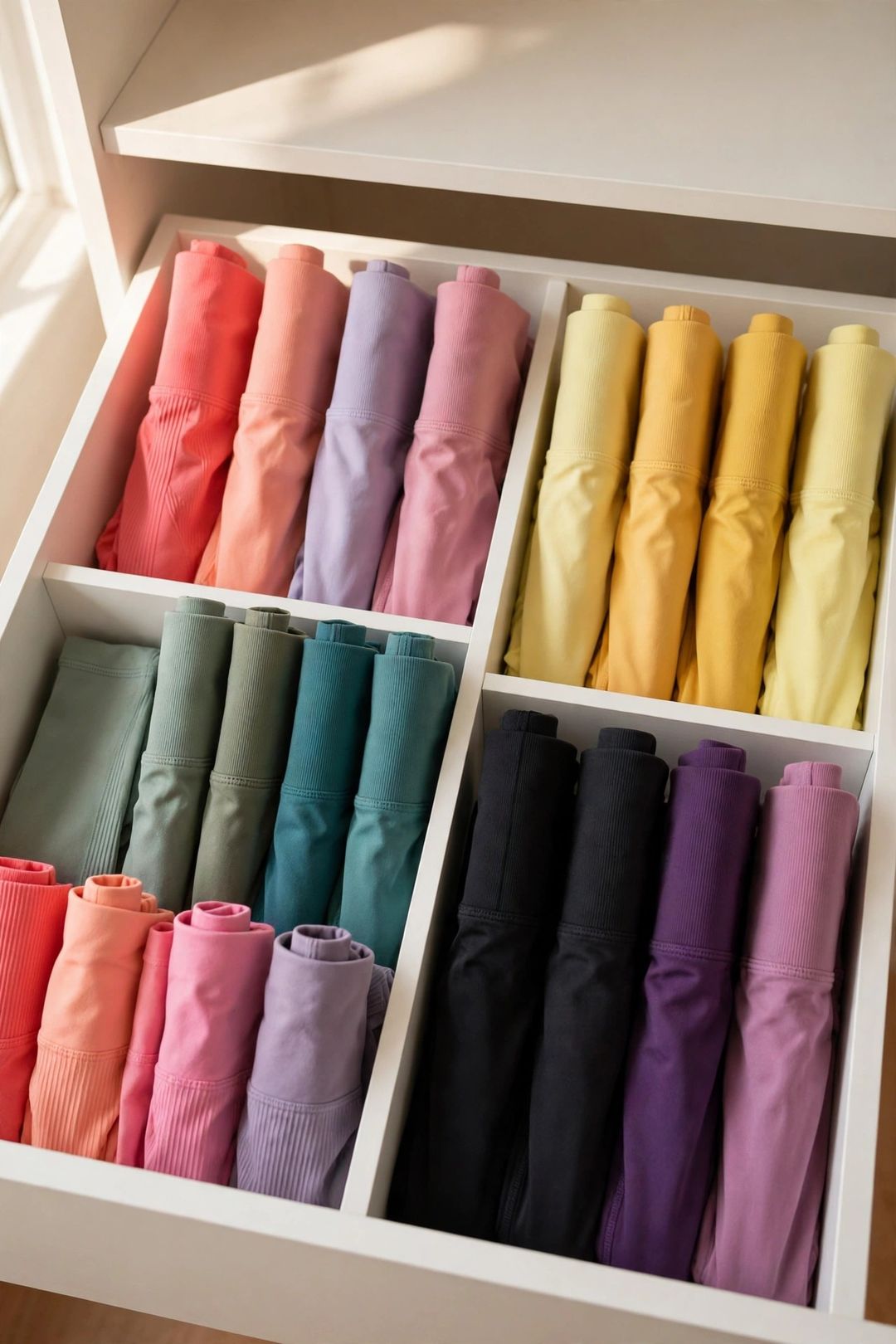
1. File-Folded Leggings in a Deep Drawer
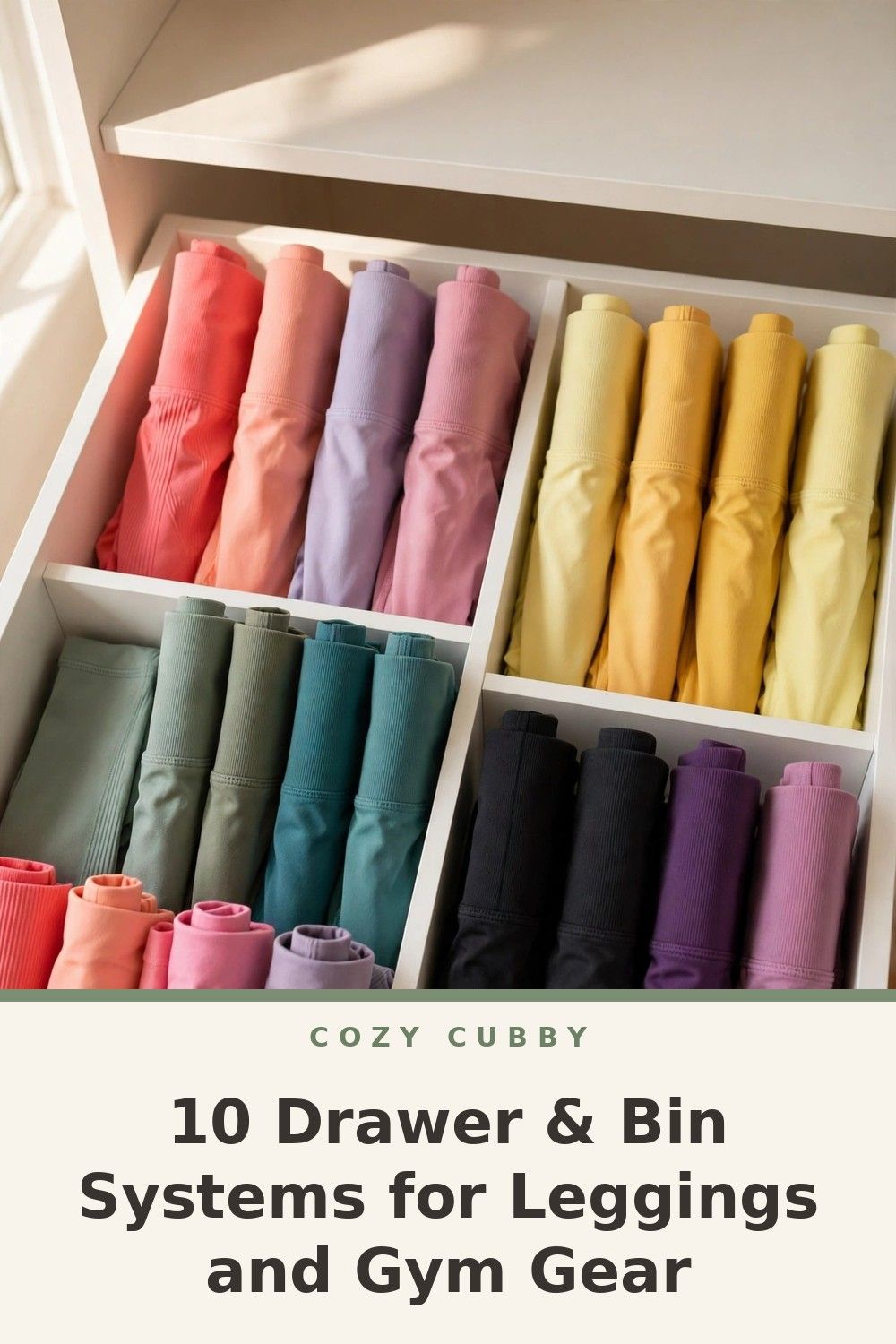
Best for seeing every pair at once. Fold each pair into a neat rectangle and stand the folds upright in rows, like files in a drawer. You can spot the color you want without lifting a stack. Keep one row for full-length pairs and another for cropped styles if the drawer is wide enough.
2. Drawer Dividers for Gym Tees and Tanks
Best for soft tops that slide around. Long dividers split a drawer into channels, one for tanks, one for short-sleeve tees, and one for long-sleeve layers. Roll or file-fold each top to the channel width. When one channel empties, laundry has an obvious place to go back.
3. Slotted Dividers for Sports Bras
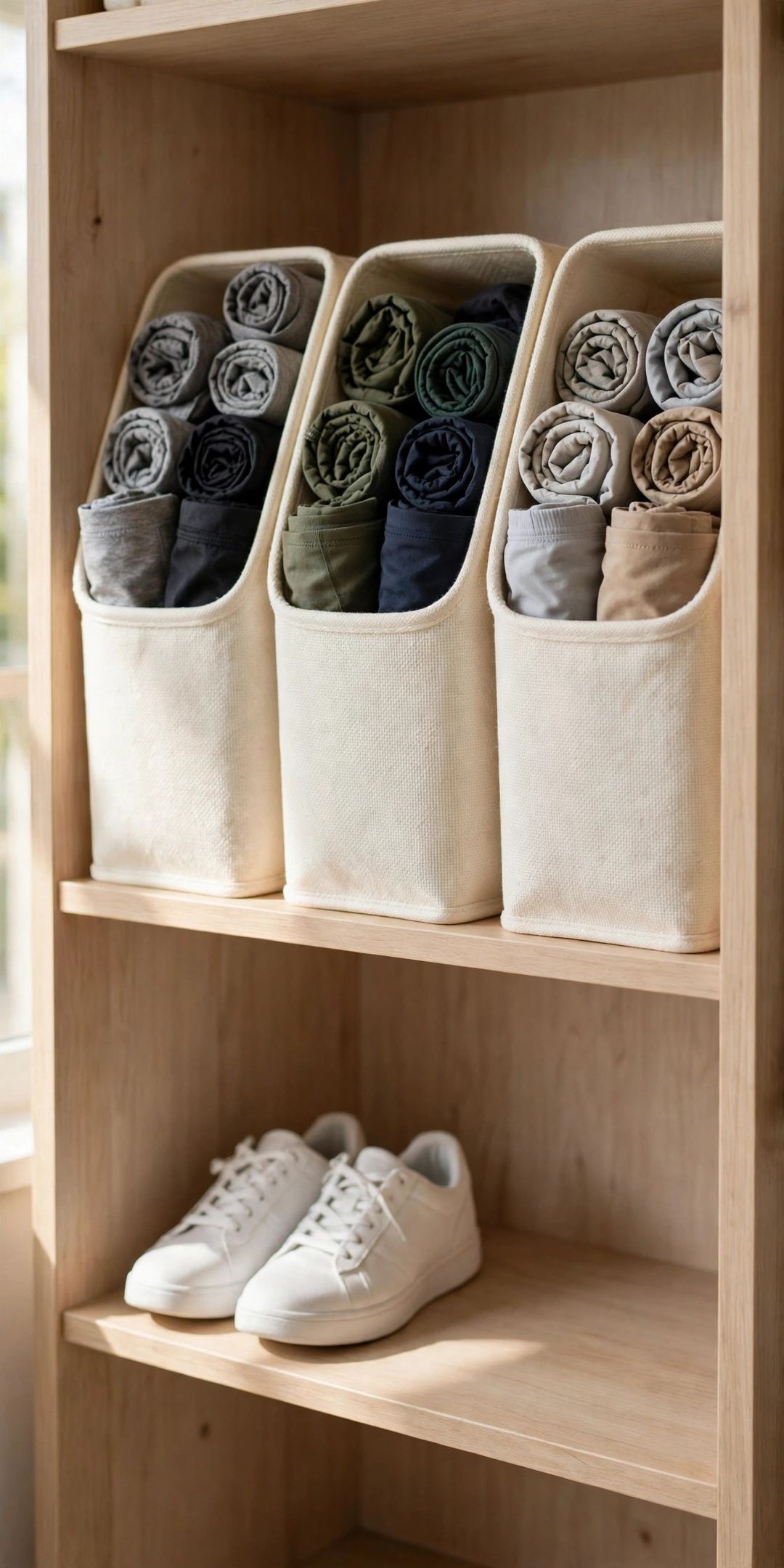
Best for padded bras that lose their shape. A slotted insert or a row of small dividers gives each bra its own space, cups nested and straps tucked in. Avoid stacking padded bras inside each other in a deep pile, which bends the cups and makes the bottom ones hard to reach.
4. A Shallow Bin for Socks and Small Extras
Best for the little things that vanish. One shallow bin or divided tray holds gym socks, headbands, hair ties, and workout gloves in separate sections. Keep it near the front of the drawer or shelf, because these are usually the last items grabbed on the way out.
5. Open Bins on a Shelf, One Type per Bin
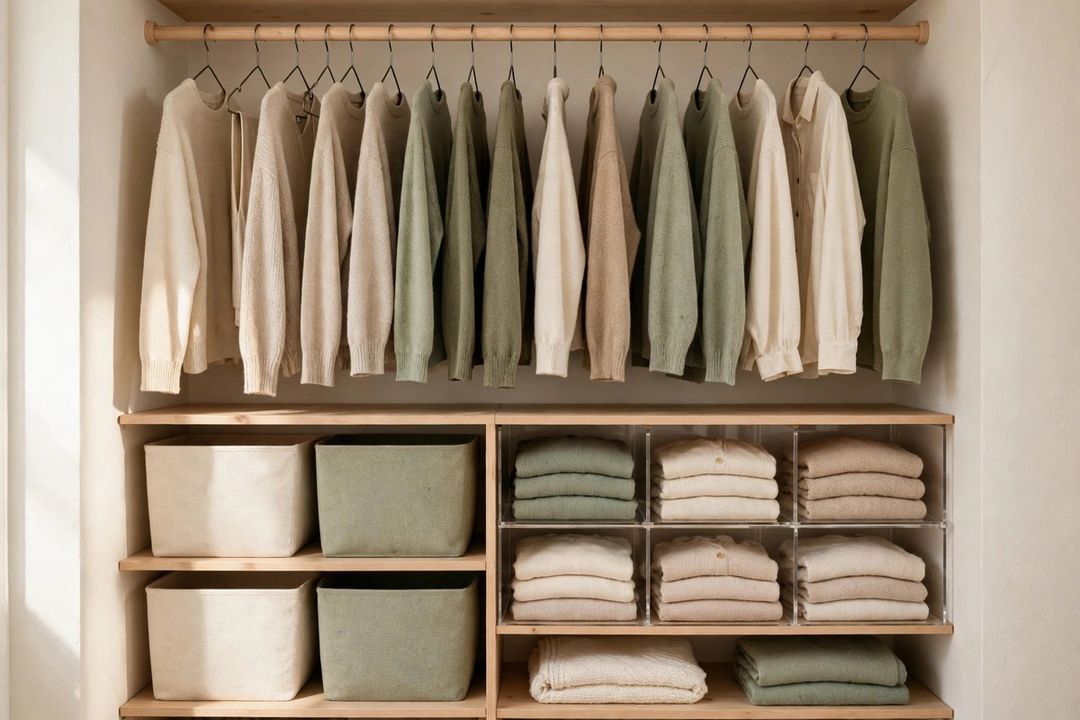
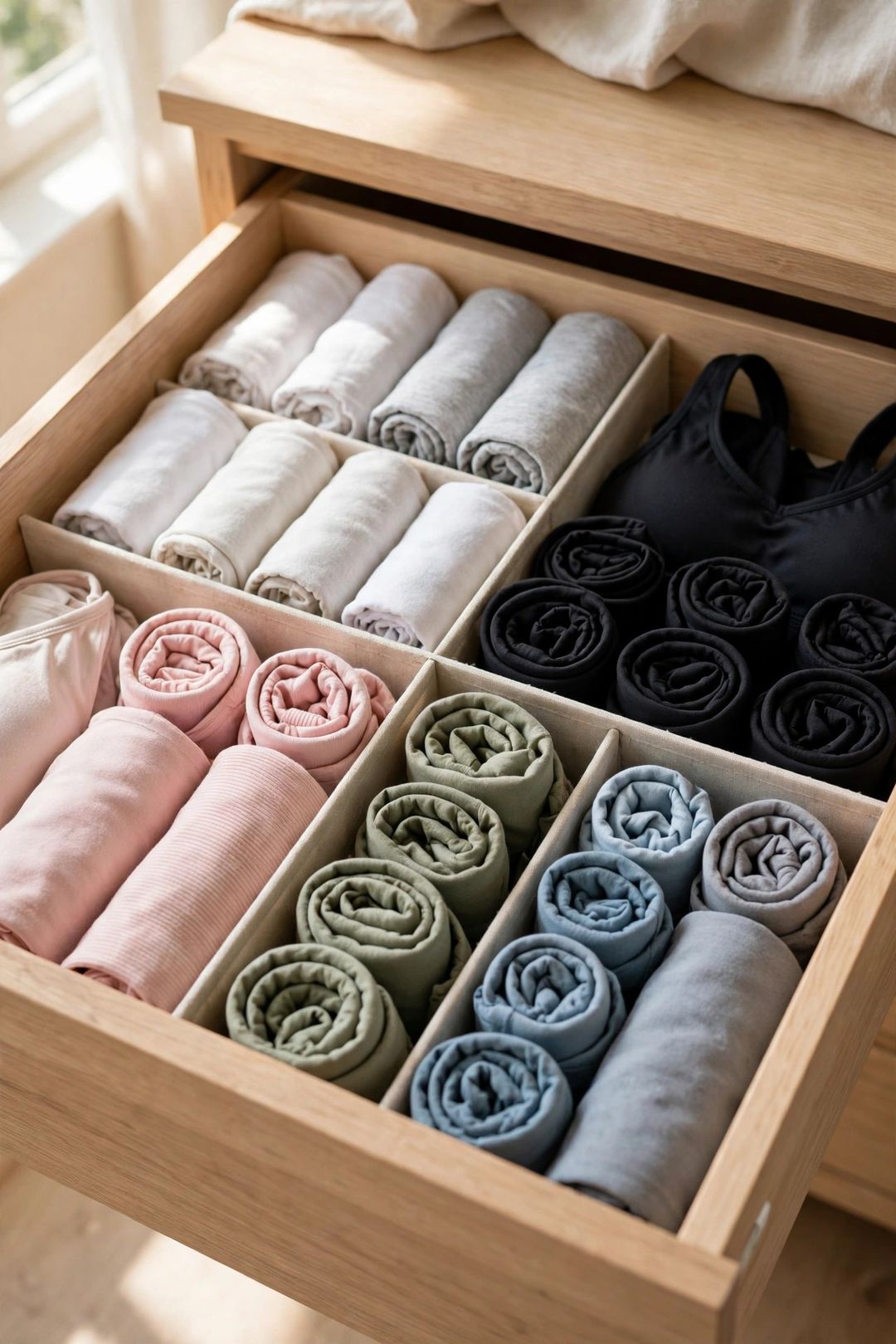
Best when drawer space runs out. Line up open bins on a closet shelf and give each bin a single job: shorts in one, leggings in another, swim or cycle gear in a third. Label the front of each bin, so damp hands or a rushed morning do not turn it into mixed storage.
6. Rolled Sets in a Grab-and-Go Bin
Best for early workouts and busy mornings. Roll a full outfit together — leggings, bra, top, and socks — and stand a few ready sets upright in one bin. Refill the bin on laundry day. It removes daily decisions and keeps matched pieces from scattering across three drawers.
7. A Ventilated Bin for Worn Gym Gear
Best for clothes worn once but not ready to wash. A breathable basket, mesh bin, or open hamper section holds worn gear apart from clean clothes until wash day. Keep it outside the clean drawers, near where you change. Airflow matters more than looks here, so skip lidded boxes.
8. A Gym Bag Station on a Hook or Shelf
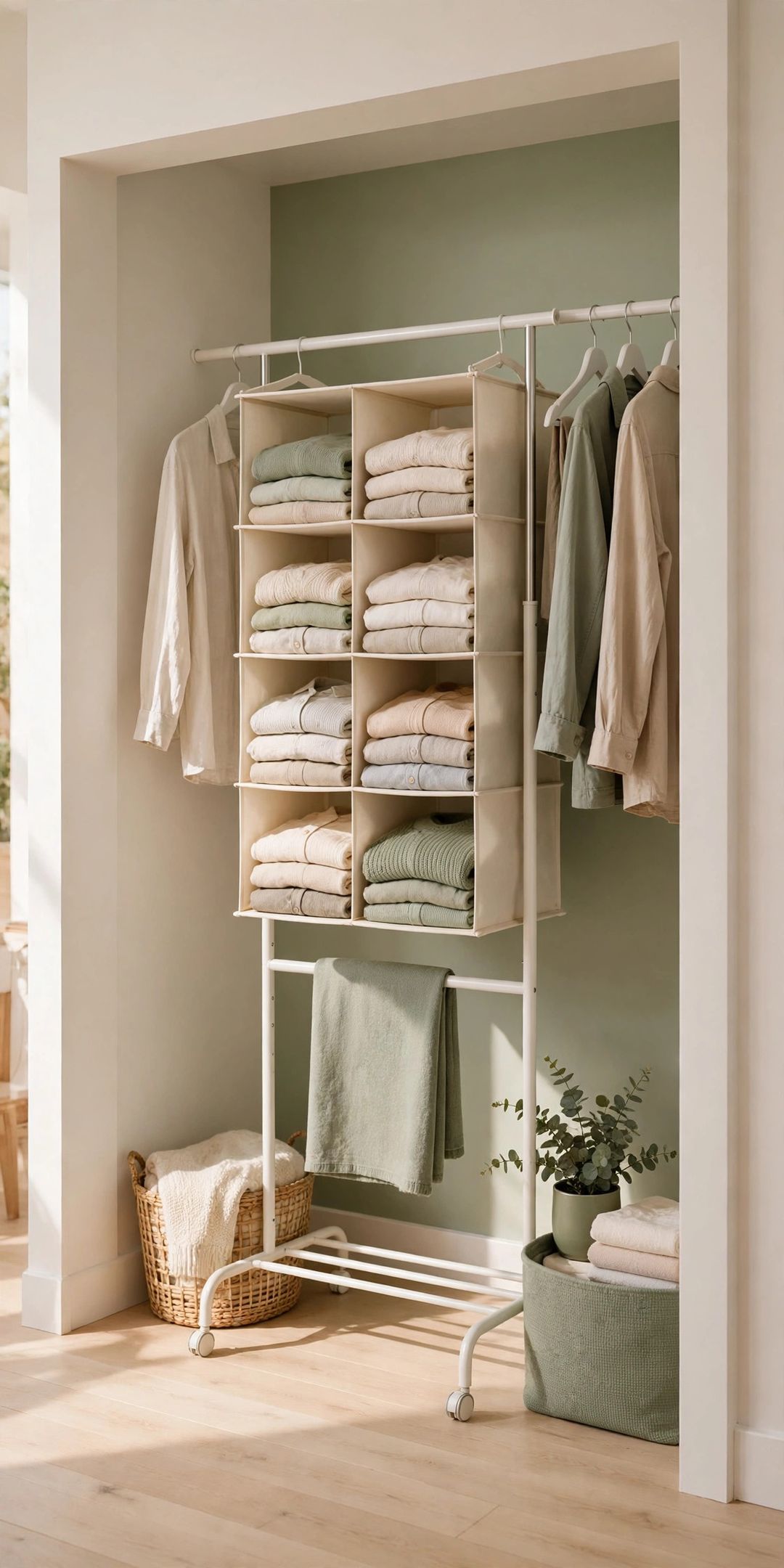
Best for gear that leaves the house. Give the gym bag one fixed home on a sturdy hook, a low shelf, or in a wide bin. Restock it the night before with a towel, water bottle, lock, and a clean set from the grab-and-go bin. One home means the bag stops migrating around the room.
9. A Low Shoe Bin or Cubby for Trainers
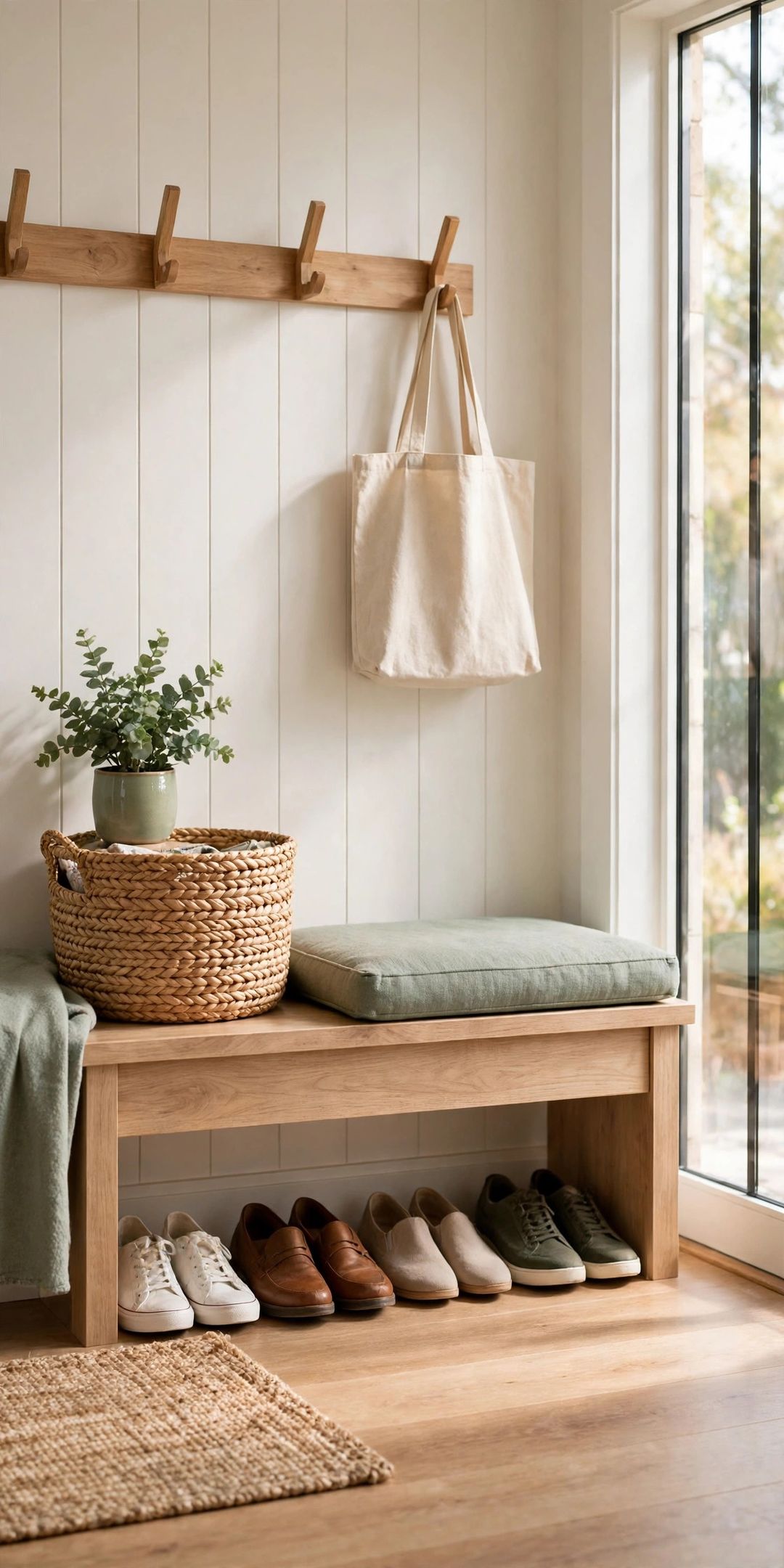
Best for keeping shoes with the clothes. A low open bin, small cubby, or washable tray near the activewear holds training shoes and a spare pair of slides or lifting shoes. A tray catches dirt from soles and keeps shoes off folded clothes. Let damp shoes air out before they go back in.
10. A Small Overflow Bin for Seasonal Gear
Best for items used only part of the year. Thermal layers, race gear, and cold-weather accessories go in one labeled bin on a higher shelf or at the back of the closet. Swapping that bin forward when the season changes keeps daily drawers roomy and stops rarely used gear crowding out weekly staples.
What to Buy
Adjustable drawer dividers, typically $10–$18 for a set. Pro: They create channels for tees and leggings without new furniture. Con: Spring-loaded styles can slip in very deep drawers. Skip if: Your drawers are already narrow enough to hold one tidy row.
A slotted bra organizer, typically $9–$16. Pro: Each bra keeps its shape and stays visible. Con: Slots can be too small for larger cup sizes. Skip if: You own only a few unpadded bras that store flat without tangling.
Open fabric or plastic bins, typically $8–$15 each. Pro: They group one type of gear per bin on any shelf. Con: Soft fabric bins can slump when half empty. Skip if: Your closet shelf is already divided into cubbies.
A ventilated laundry basket or mesh hamper, typically $12–$22. Pro: Airflow helps worn gear dry between wear and washing. Con: It takes floor or shelf space of its own. Skip if: Every item goes straight into the main wash after one wear.
A washable shoe tray, typically $10–$18. Pro: It contains dirt and keeps trainers in one spot. Con: It needs a quick wipe now and then. Skip if: Gym shoes already live on a rack by the door.
Mistakes to Avoid
- Stacking leggings in a tall pile. The pair you want will always be at the bottom, and the pile collapses into a drawer-wide knot.
- Putting worn gear back with clean clothes. Even one wear can pass odor to clean items. A separate ventilated spot solves it.
- Storing sports bras by their straps. Long hanging stretches straps, and a tangled hook wastes time. Flat slots or dividers work better.
- Using one bin for all activewear. A single mixed bin means digging for every workout. Small, single-job bins stay tidy longer.
- Forgetting shoes and the gym bag. If they have no set home, they drift to the floor and the rest of the system slowly breaks down.
Frequently Asked Questions
Is it better to roll or fold leggings?
Both work if the drawer keeps them upright. File-folding shows the edge of every pair at once, while rolling suits deep bins and ready-made outfit sets. Pick one method per drawer so refilling stays simple.
How should sports bras be stored to keep their shape?
Store padded bras flat in slots or a shallow divided section, cups open and straps tucked inside. Avoid folding one cup into the other or hanging bras by a single strap for long periods.
Where should worn gym clothes go before washing?
Use a ventilated basket or a separate hamper section away from clean drawers. Let sweaty items dry before they go in if possible, and wash the whole batch together on laundry day.
How much space does an activewear system need?
One deep drawer plus one shelf of bins covers most collections. Start with leggings, bras, and tops, then add the bag, shoe, and worn-gear spots once those three stay tidy.
A drawer where every pair of leggings stands in view makes getting ready for a workout much simpler. Save this post to your Closet Organization board on Pinterest so the full system is ready for your next laundry day.