The week after Christmas leaves most homes with three problems: new gifts with nowhere to go, decor that needs packing away properly, and closets already full. That is why after christmas sales home organization products are worth shopping with a plan, not on impulse.
Every price below is a normal typical range, not a promised sale price. Use it to judge any offer you find. Buy for the reset jobs in front of you — pack-away, gift storage, and decluttering — and skip anything else.
Pack-Away and Decor Storage
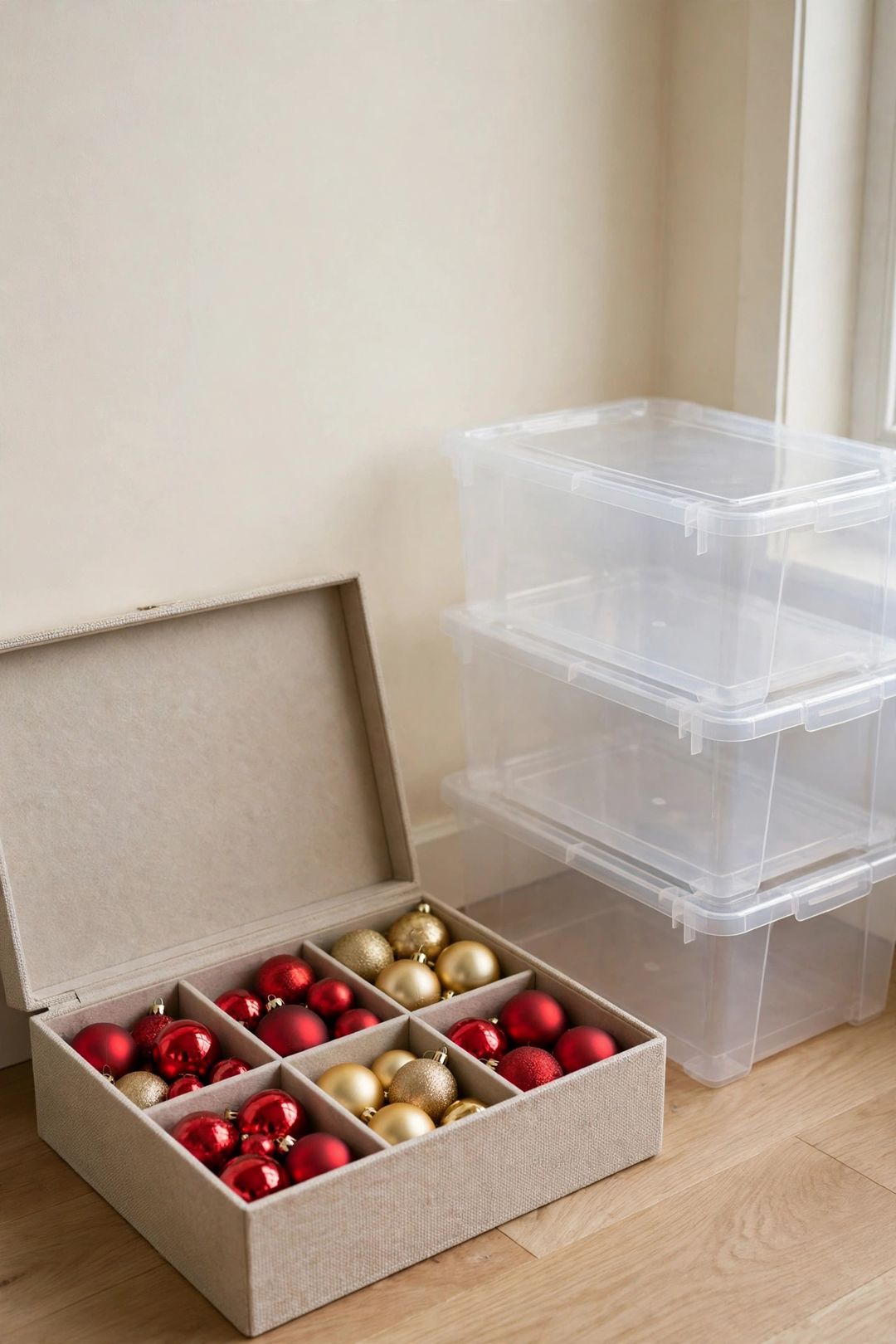
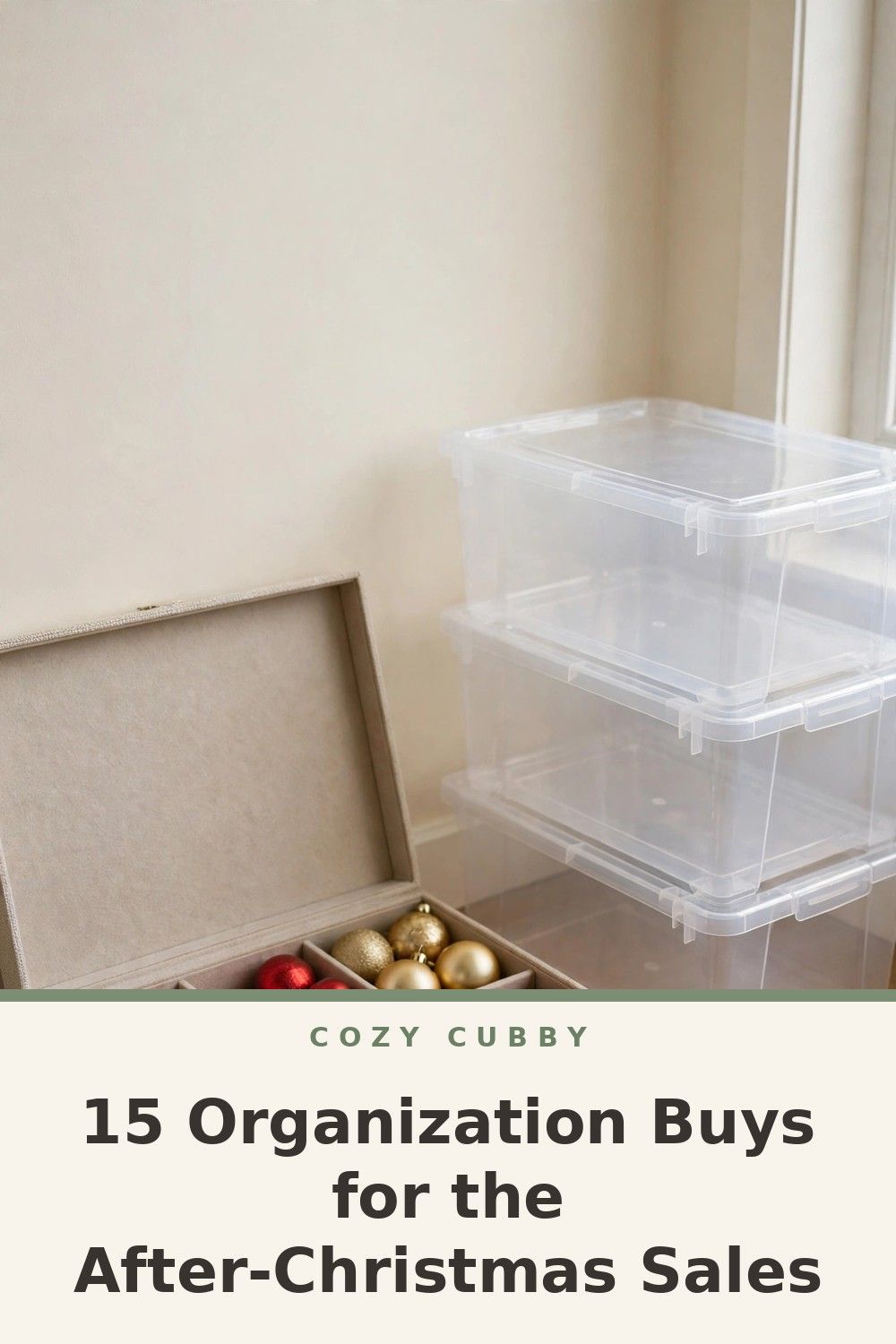
1. Ornament storage boxes with dividers. Best for fragile ornaments that came off the tree in a tangle. Look for padded or cardboard dividers, sections about 3 inches square, and a lid that closes fully. The drawback is large or odd-shaped ornaments rarely fit the standard grid. Typically $15–$30.
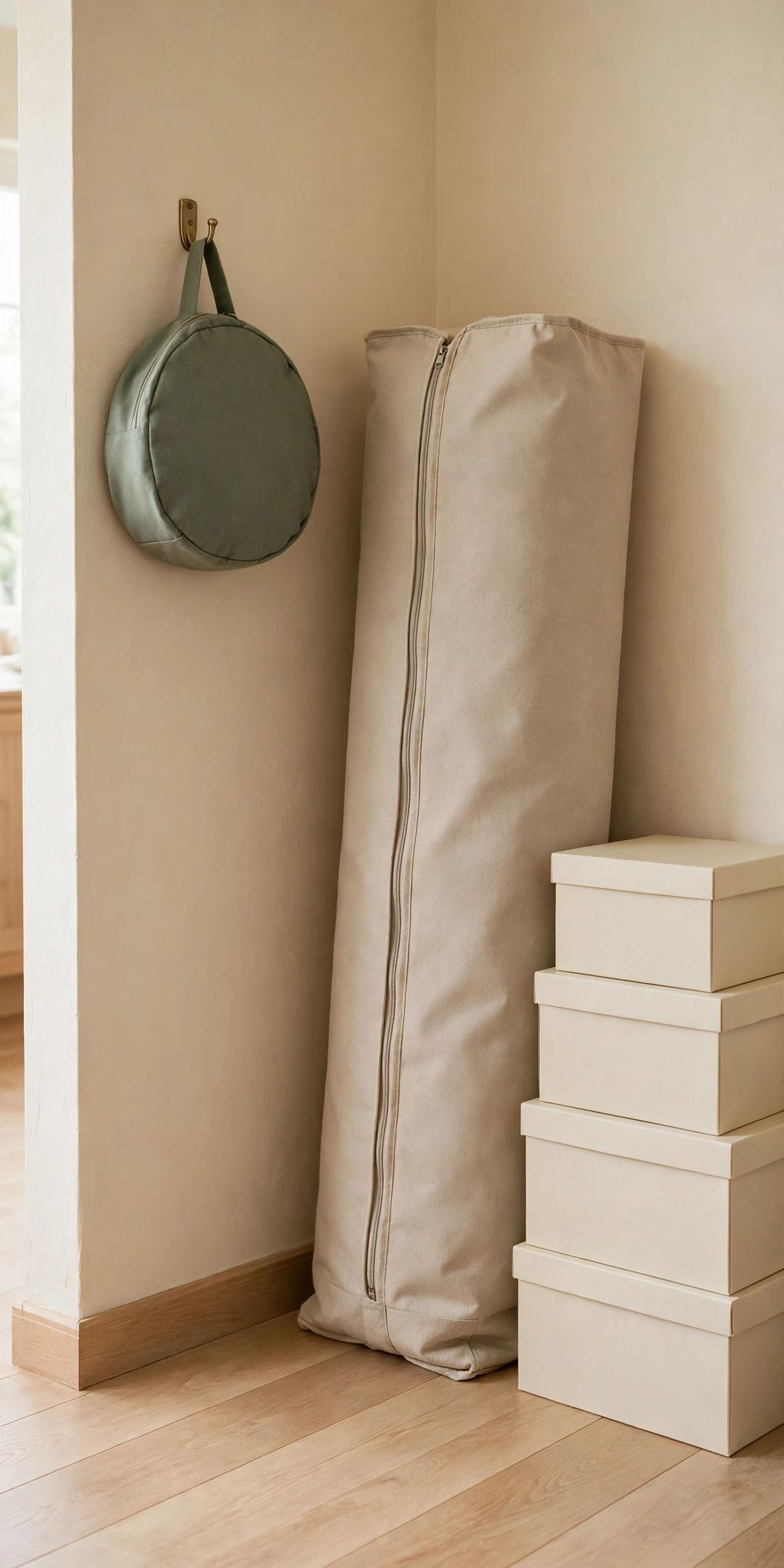
2. Wreath storage bags. Best for protecting wreaths and garlands from dust and crushing until next year. Choose a bag 24 to 30 inches across for most door wreaths, with a handle for attic or closet hanging. The drawback is soft bags offer little protection if stacked under boxes. Typically $10–$22.
3. Christmas light storage reels and wraps. Best for keeping light strings untangled and easy to test next season. Reels and flat wraps both work if each string gets its own holder. The drawback is wrapping takes patience now to save real time later. Typically $10–$20.
4. Large clear bins for holiday decor. Best for garlands, stockings, table linens, and unbreakable decor in one labeled place. Clear 18- to 27-gallon bins let you see contents without opening every lid. The drawback is a full bin this size is heavy to carry to an attic. Typically $25–$45.
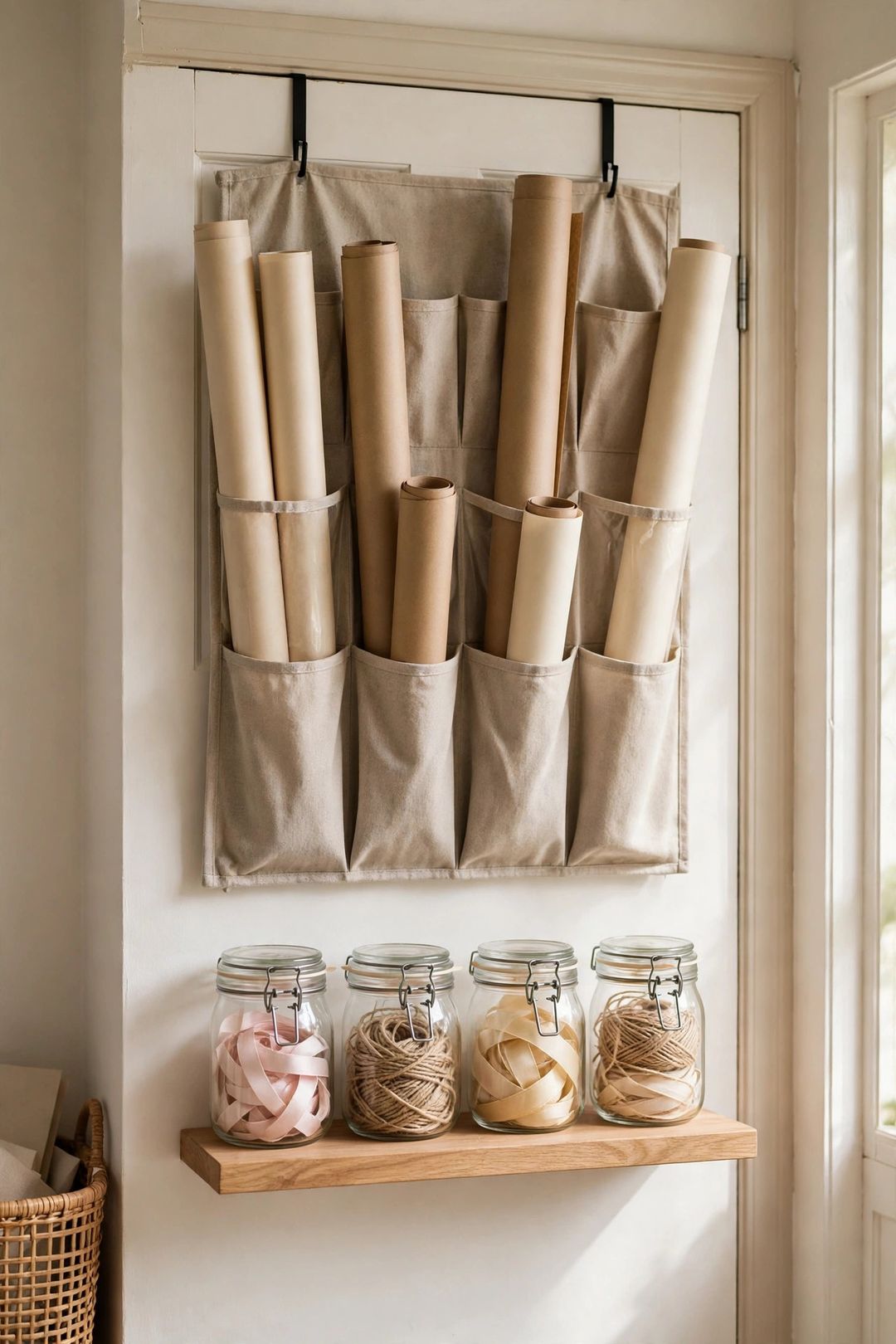
5. Gift wrap storage containers. Best for rolls of wrap, ribbons, tags, and tape left over from the holidays. Long under-bed or hanging versions, about 40 inches for standard rolls, keep wrap from creasing. The drawback is narrow versions will not fit wide or extra-long rolls. Typically $14–$28.
Reset-Ready Bins and Labels
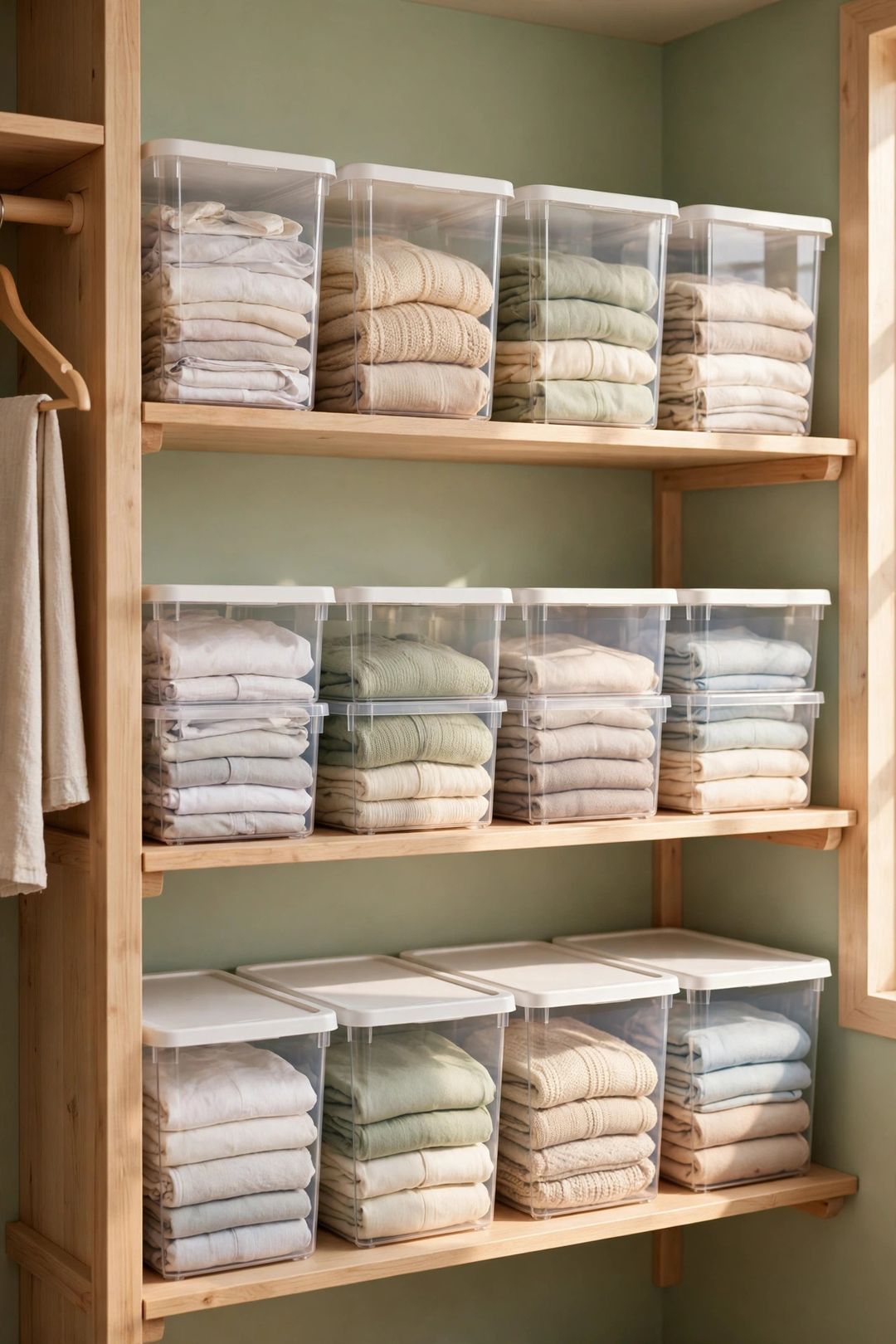
6. Clear stackable bins for new gifts. Best for toys, games, craft kits, and hobby supplies that arrived without a home. Mixed 6- to 16-quart sizes with flat lids stack in closets and on shelves. The drawback is rigid plastic can crack if dropped when full. Typically $15–$30.
7. Fabric storage cubes. Best for cube shelves now holding new books, games, and kids' gifts. The standard 10.5- to 11-inch cube fits most units and hides visual clutter fast. The drawback is soft sides sag when packed with heavy books. Typically $18–$32.
8. Label makers and extra label tape. Best for labeling decor bins, gift storage, and donation boxes so next December starts calm. Choose tape that resists moisture and a model with refills that are easy to reorder. The drawback is labels only help if categories stay broad and current. Typically $20–$45.
9. Removable bin labels and label holders. Best for households that reuse the same bins for different seasons. Clip-on or adhesive holders about 3 to 4 inches wide swap inserts without peeling residue. The drawback is adhesive versions can fail on rough or textured plastic. Typically $8–$18.
10. Stackable donation and sorting bins. Best for the January declutter, giving donations, returns, and keepers a separate place to land. Three medium bins, about 12 to 18 quarts each, suit most sorting sessions. The drawback is a donation bin only works if it actually leaves the house regularly. Typically $15–$28.
Small-Space Furniture and Shelves
11. Slim rolling storage carts. Best for narrow gaps beside a washer, fridge, or vanity that waste vertical space. Three-tier carts about 5 to 8 inches wide fit gaps most shelves cannot. The drawback is tall, narrow carts tip if loaded heavily on top. Typically $22–$40.
12. Over-door organizer racks. Best for new scarves, accessories, cleaning supplies, and pantry overflow in homes with no spare cabinet. Look for hooks sized to your door thickness and baskets at least 4 inches deep. The drawback is some doors will not close fully with a rack fitted. Typically $20–$40.
13. Stackable open shelves for closets. Best for closets with floor piles and no built-in shelving. Modular units about 12 inches deep stack two or three high for shoes and folded clothes. The drawback is wobbly budget frames sway under heavy stacks. Typically $25–$50.
14. Storage ottomans and benches. Best for living rooms and entryways that gained blankets, games, or guest gear over the holidays. A bench about 30 to 40 inches wide holds a throw or two plus remotes and games. The drawback is small ottomans fill up far faster than expected. Typically $35–$80.
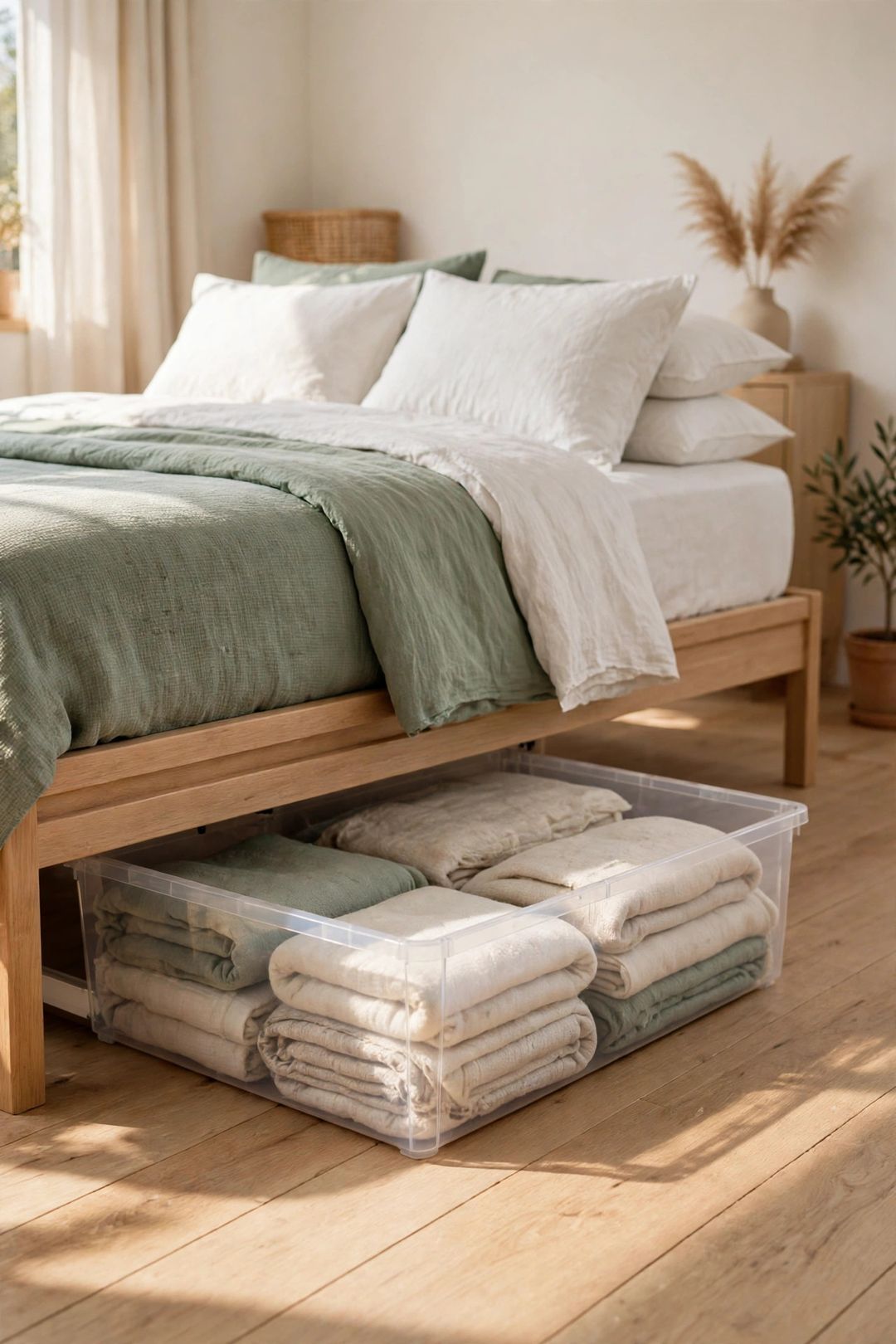
15. Under-bed storage bags and boxes. Best for guest bedding, off-season clothes, and gift extras in small bedrooms. Low-profile options about 6 inches tall clear most bed frames, and handles help with sliding. The drawback is soft bags offer little protection from dust over long storage. Typically $16–$32.
What to Buy
Ornament storage boxes with dividers — the pack-away buy that saves the most breakage and frustration, since ornaments stored loose rarely survive a full year in a plain bin. Typically $15–$30.
Large clear bins for holiday decor — one matching set ends the annual mystery-bin hunt, because clear sides and a label show exactly what is inside. Typically $25–$45.
Label makers and extra label tape — the reset tool that finishes every other purchase, helping the whole household put holiday and everyday items back in the same place. Typically $20–$45.
Mistakes to Avoid
- Packing decor before sorting it. Broken lights and ornaments you no longer use take up bin space for a full year. Test, sort, and let go first, then buy storage for what stays.
- Storing gifts before finding them a home. New items parked in corners become clutter fast. Assign each gift a shelf, bin, or drawer during the reset week itself.
- Buying novelty holiday storage. Shaped or single-use containers rarely fit next year's decor. Plain, stackable, labeled bins work for every season, not just December.
- Skipping measurements in the sale rush. Attic access, closet depth, and under-bed clearance in inches decide fit. Measure before buying, even when a deal looks tempting.
- Keeping boxes for everything. Original packaging for every gift and gadget eats closet space. Keep boxes only for fragile or high-value items, and recycle the rest.
Frequently Asked Questions
When is the best time to buy organization products after Christmas?
The after-Christmas window, from late December into January, is when storage is commonly promoted for the reset. Exact offers vary, so compare any price against the normal ranges in this guide first.
How should I store holiday decor in a small home?
Use one category per bin: ornaments, lights, linens, and unbreakable decor each get their own container, labeled on two sides. Stack bins in the least-used closet corner or under a bed.
What do I do with new gifts that do not fit my space?
Use the one-in, one-out habit: for each new item that stays, one similar item leaves by donation or return. If something still has no home after that swap, a clear bin on a closet shelf is a better answer than a growing floor pile.
Are fabric cubes or plastic bins better for the reset?
Plastic bins suit attics, garages, and long-term decor storage because they stack, seal, and resist moisture. Fabric cubes suit living spaces and cube shelves, where they look softer. Many homes do best with plastic for storage zones and fabric for living zones.
A calm January starts with decor packed once, properly, and every new gift given a real home. Save this post to your home organization board on Pinterest so your reset list is ready when you shop the after-Christmas sales.