No laundry room does not have to mean laundry chaos. When hampers and detergent have no set home, clothes pile up on chairs, bathroom floors, and closet corners instead.
These laundry organization ideas apartment no laundry room households can use turn small spots into a working system. Each setup below covers one job — washing, sorting, drying, or storing — so you can mix two or three that fit your floor plan and lease.
Start by fixing where dirty laundry collects and where clean laundry lands. Once those spots are set, the rest gets easier to keep.
1. The Closet Laundry Station
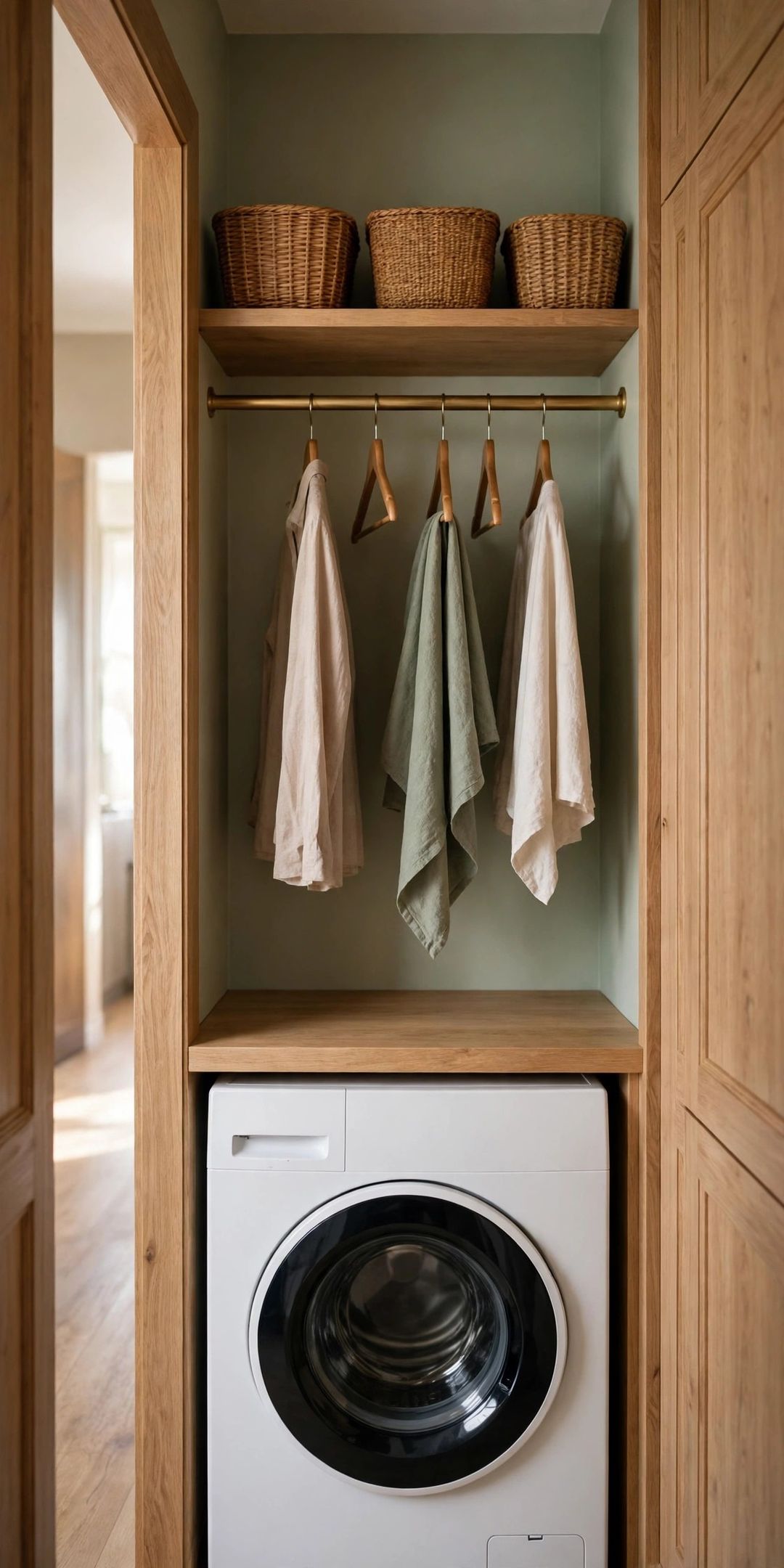
Give one end of a bedroom or hallway closet to laundry. Place a slim hamper on the floor, add a small shelf above it for detergent and stain treater, and lean a fold-flat drying rack against the side wall. The door hides the whole setup, and clothes go straight into one spot.
2. The Rolling Laundry Cart System
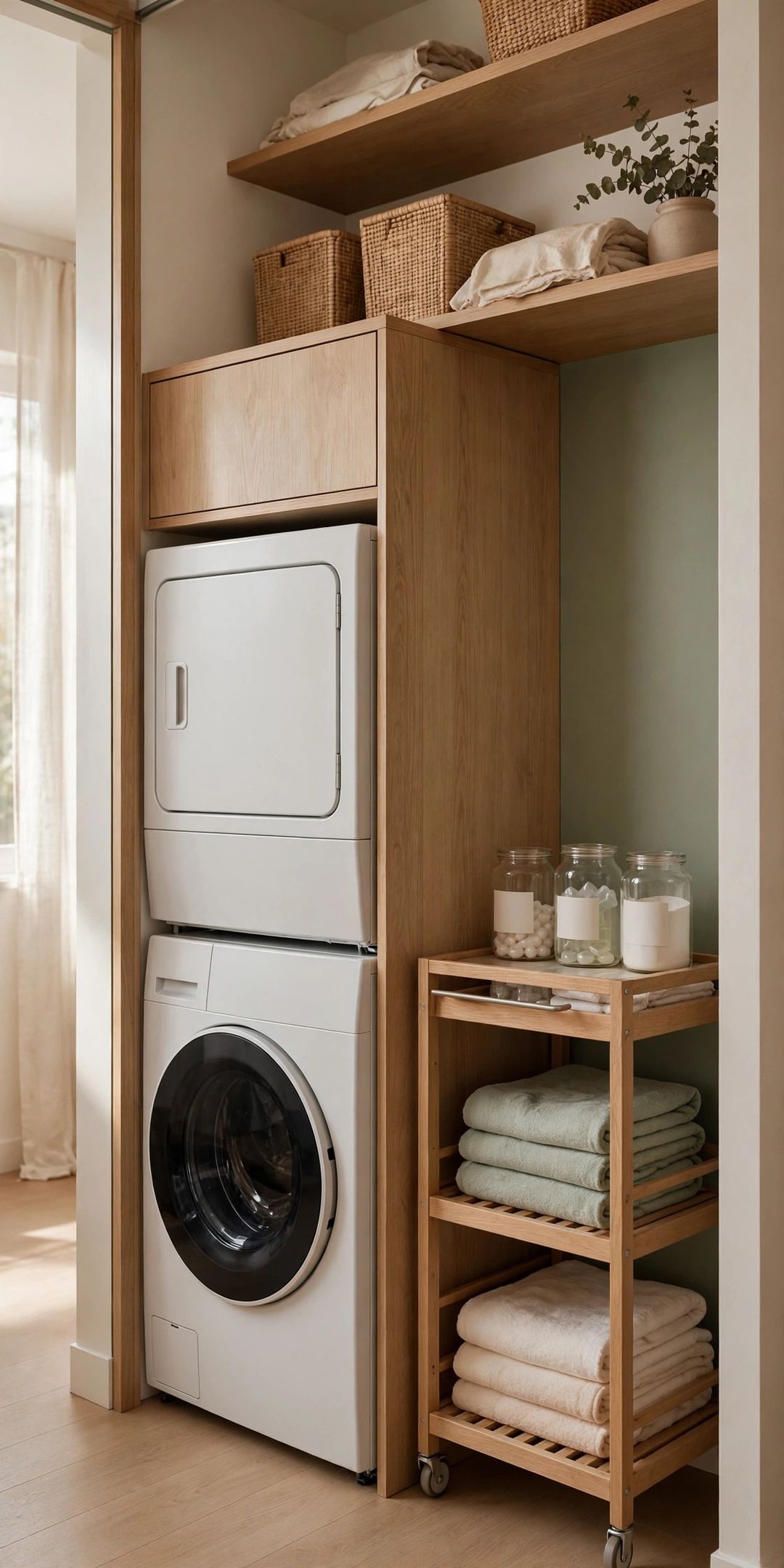
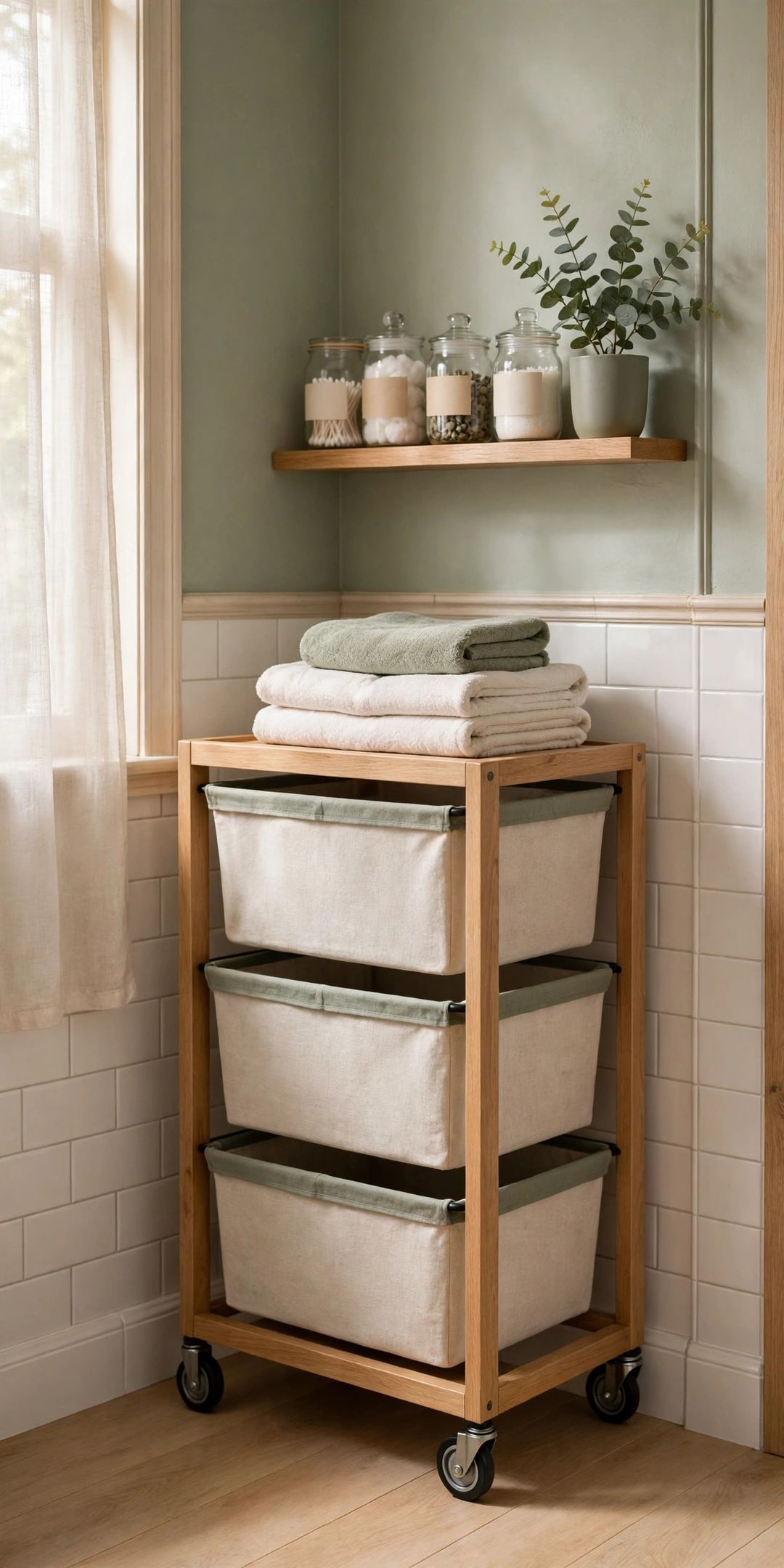
A narrow rolling cart works as a laundry station that moves. Load the top tier with detergent and a stain kit, the middle with folded towels, and the bottom with a mesh bag for delicates. Roll it to the bathroom or kitchen on wash day, then park it in a closet or beside a dresser.
3. The Bathroom Corner Setup
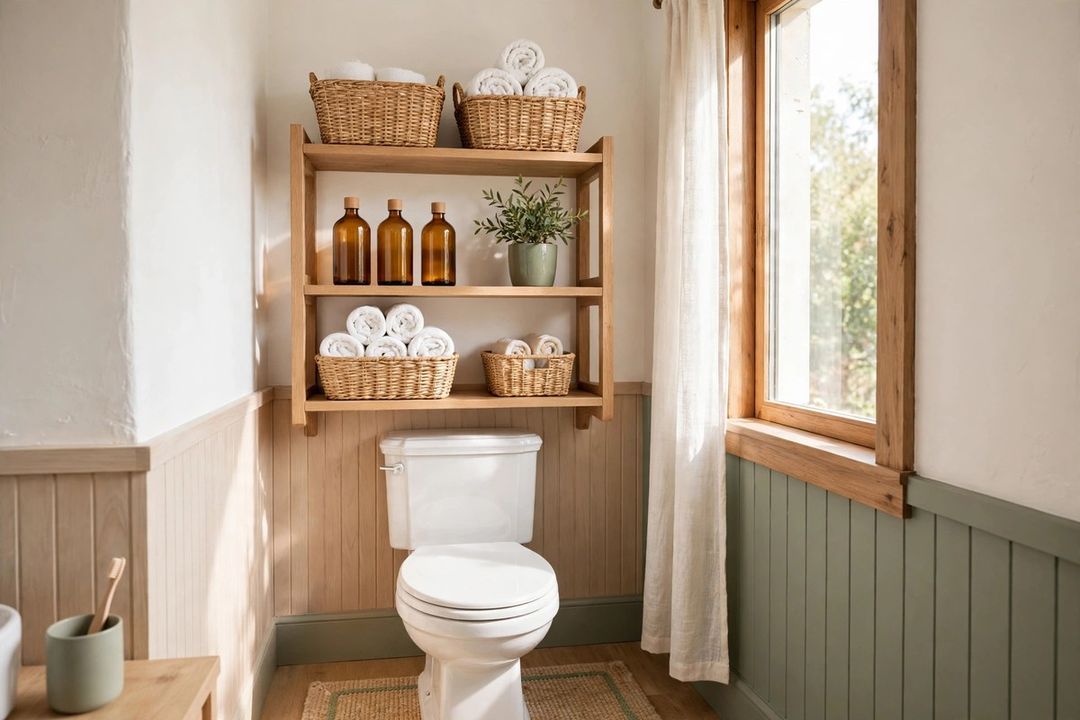
An unused bathroom corner can hold a tall, slim hamper, a hook for a mesh delicates bag, and a small over-door rack for supplies. Bathrooms handle water well, so this spot also suits hand-washing and drip-drying. Choose a hamper with a lid or washable liner, since humidity can make closed piles smell musty faster.
4. The Portable Washer by the Sink
A small portable washer, in general terms, connects to a sink faucet and drains into the sink or tub, then stores in a closet between uses. Set it beside the sink, keep loads small, and place a mat underneath to catch drips. Check your lease and building rules first, and never leave a filling machine unattended.
5. The Bathtub Hand-Wash and Soak Station
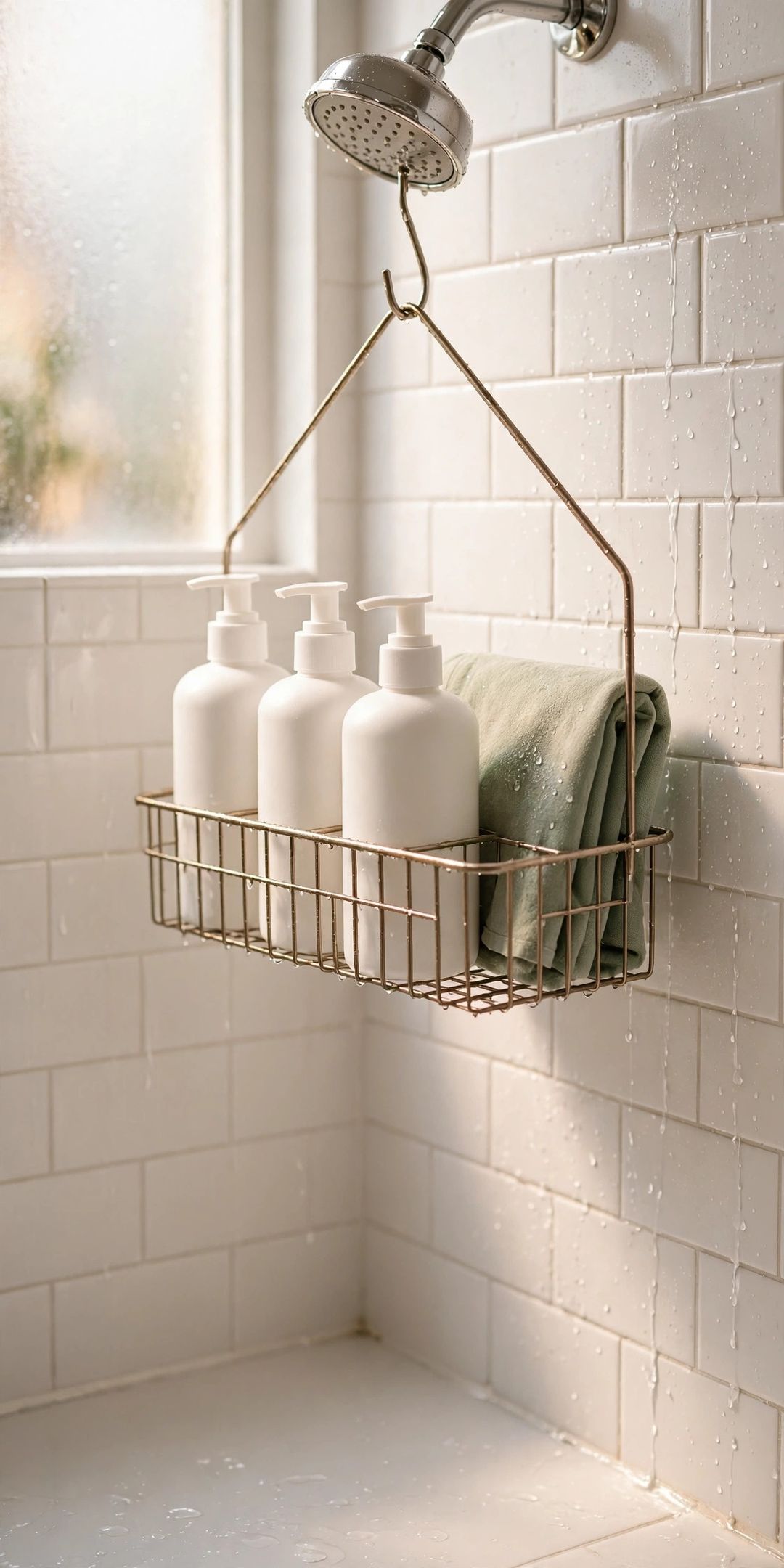
For small loads and delicates, the tub itself becomes the wash basin. Keep a small basin, gentle detergent, and a mesh bag in a caddy over the tub edge. Soak and rinse in the basin to save water, then hang items over the tub on a tension rod or rack so drips fall where they cause no harm.
6. The Slim Hamper Sort-and-Hide System
Sorting at the hamper saves a messy floor sort later. Use a slim two-section hamper, or two narrow hampers side by side, labeled for lights and darks. Place it where clothes come off — the bedroom or bathroom. A footprint under about a foot deep fits behind a door or inside a closet without blocking the walkway.
7. The Over-Door Drying and Storage System
The back of a bathroom or bedroom door can hold an over-door rack with hooks for hang-drying shirts, pockets for detergent and cloths, and a hook for an empty laundry bag. Check that the door still closes fully, and keep heavy bottles in lower pockets so the rack hangs straight and does not strain the hinges.
8. The Fold-Flat Drying Rack Rotation
A fold-flat drying rack handles most air-drying in a small apartment. Open it over the tub, in front of a window, or beside a fan, and rotate loads: one dries while the next waits in the hamper. Afterward, the rack folds away behind a dresser.
9. The Laundromat Caddy and Route System
If laundry means a laundromat or shared laundry room, pack a grab-and-go caddy once and restock it after each trip. Include detergent in a small sealed bottle, stain treater, dryer sheets or wool balls, and a bag for coins or a payment card. Sort at home, fold or hang clothes on return, and use one sturdy bag for the whole load.
10. The Under-Bed Clean Laundry System
Clean laundry needs a landing spot too, or it lives in the basket for days. Use one low, lidded bin under the bed for spare towels and linens, freeing closet space for daily clothes. Keep one set folding spot — the bed or a dresser top — and put clothes away in the same session.
11. The Weekly Laundry Day Reset
A fixed routine holds all of these systems together. Pick one or two set laundry times each week, wash full but not stuffed loads, and end each session with three steps: supplies back in their spot, hamper liner checked, and one load folded and put away.
What to Buy
A slim two-section hamper, typically $20–$40. Pro: Sorting happens as clothes are dropped in, and the narrow shape fits closets. Con: Each section holds a small load. Skip if: You own a hamper that already works.
A narrow rolling cart, typically $20–$35. Pro: It creates a movable station and parks in a gap. Con: Wheels roll poorly on thick carpet. Skip if: Your laundry spot is fixed with a shelf.
A fold-flat drying rack, typically $15–$30. Pro: It holds a full small load and stores in a few inches. Con: It takes floor space while open. Skip if: Nothing you own needs air-drying.
An over-door organizer, typically $12–$25. Pro: It stores supplies on a wasted surface with no drilling. Con: It can rattle if overloaded. Skip if: Your doors are too thick for the hooks.
A laundry caddy with a handle, typically $8–$18. Pro: One grab takes every supply to a shared laundry room. Con: Open caddies spill if tipped. Skip if: All washing happens in your apartment.
Mistakes to Avoid
- Letting the hamper live wherever it lands. A wandering hamper spreads piles. Give it one home where clothes come off, and return it there after wash day.
- Buying a portable washer before checking the rules. Leases and building rules may limit in-unit machines. Check first, and plan where it will drain and store.
- Drying clothes in a closed, damp corner. Wet laundry needs airflow. Dry near a window or fan, or clothes can smell musty.
- Storing detergent on the floor. Bottles leak and floors get wet. Keep supplies on a tray or shelf, up away from children and pets.
- Having no landing spot for clean laundry. Without a set folding spot, clean clothes sit in baskets and wrinkle. Name the spot and finish putting away each time.
Frequently Asked Questions
Where should a hamper go in an apartment with no laundry room?
Put it where clothes come off, usually the bedroom or bathroom. A slim hamper behind a door, at the end of a closet, or in a bathroom corner works well if it stops clothes landing on the floor.
Can a portable washer work in a small apartment?
Many small portable washers connect to a sink faucet and drain into the sink or tub. Check your lease and building rules first, and stay nearby while it runs. Small, frequent loads suit these machines better than one large load.
How do you dry clothes without a dryer or balcony?
Use a fold-flat rack over the tub, near a window, or in front of a fan. Space items so air can move between them, and set the rack up right after washing.
How often should laundry be done in a small apartment?
One or two set times a week suit most small homes. Smaller, regular loads keep hampers from overflowing, dry faster, and are easier to put away in one short session.
No laundry room is a space problem, not a dead end — a closet, a cart, and a routine can run the whole job. Save this post to your Bathroom & Laundry board on Pinterest so the 11 systems are handy when you set up your corner.