Baby gear is bulky, short-lived, and always needed at the worst moment. A stroller blocks the hallway, clothes in three sizes share one drawer, and bottles take over the kitchen counter.
These baby gear storage ideas small home families can rely on treat storage as a rotation, not a one-time fix. Gear is sorted by stage, the current stage stays within reach, and outgrown items move out on a set schedule.
Start by measuring three spots most small homes have: the wall by the entry door, under the crib, and the top shelf of one closet.
Entry and Big Gear: Systems 1 to 3
Give each large item one fixed parking spot, and the hallway stays clear.
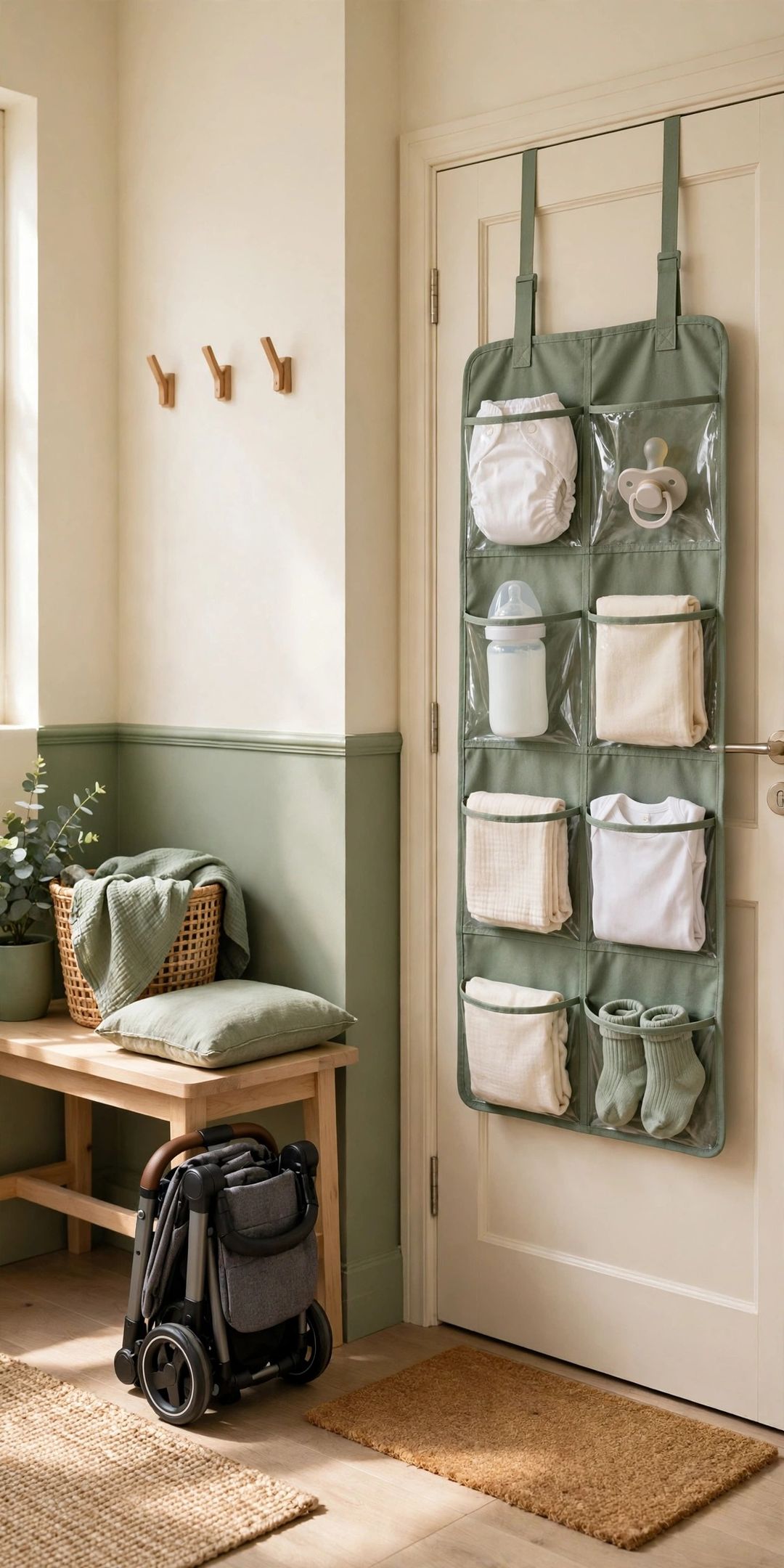
1. Wall hook parking spot for the stroller. A heavy-duty hook or folding bracket, fitted into a stud, holds many compact strollers off the floor. Measure the folded stroller first, commonly 24 to 30 inches long. If drilling is not allowed, use an over-door hook for a lighter stroller.
2. One corner for the car seat carrier. A single corner near the door, with a washable mat about 30 by 30 inches, becomes the fixed home for the infant carrier. The mat catches dirt, and the corner stops the carrier migrating to the table.
3. High shelf for seasonal big items. A sturdy shelf above a closet door, at least 14 inches deep, stores light seasonal items in a labeled bin, such as a footmuff or rain cover. Keep heavy items low, and use this shelf only for light items.
Clothes by Size: Systems 4 to 6
Only the current size should live in the main drawer. Every other size needs a labeled place to wait or to leave.
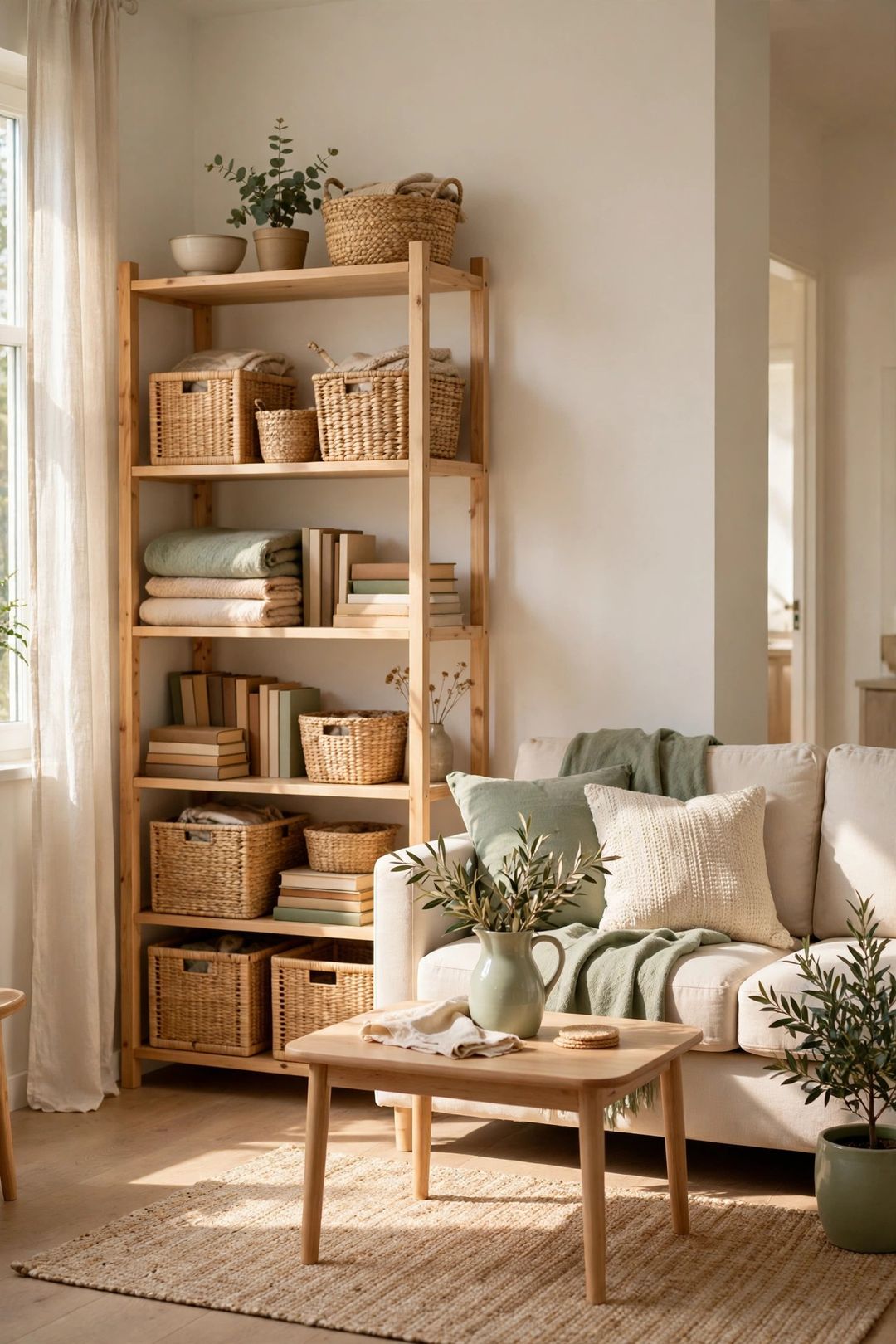
4. Three-bin size rotation. Use three labeled bins: the size now worn, the next size up, and outgrown clothes ready to pass on or donate. Bins around 15 to 20 quarts fit on one closet shelf. When the outgrown bin is full, it leaves that week.
5. Drawer dividers for the current size only. Small dividers split one drawer into sections for vests, tops, bottoms, and sleep clothes in the current size only. Each type in its own section means no digging through one mixed pile.
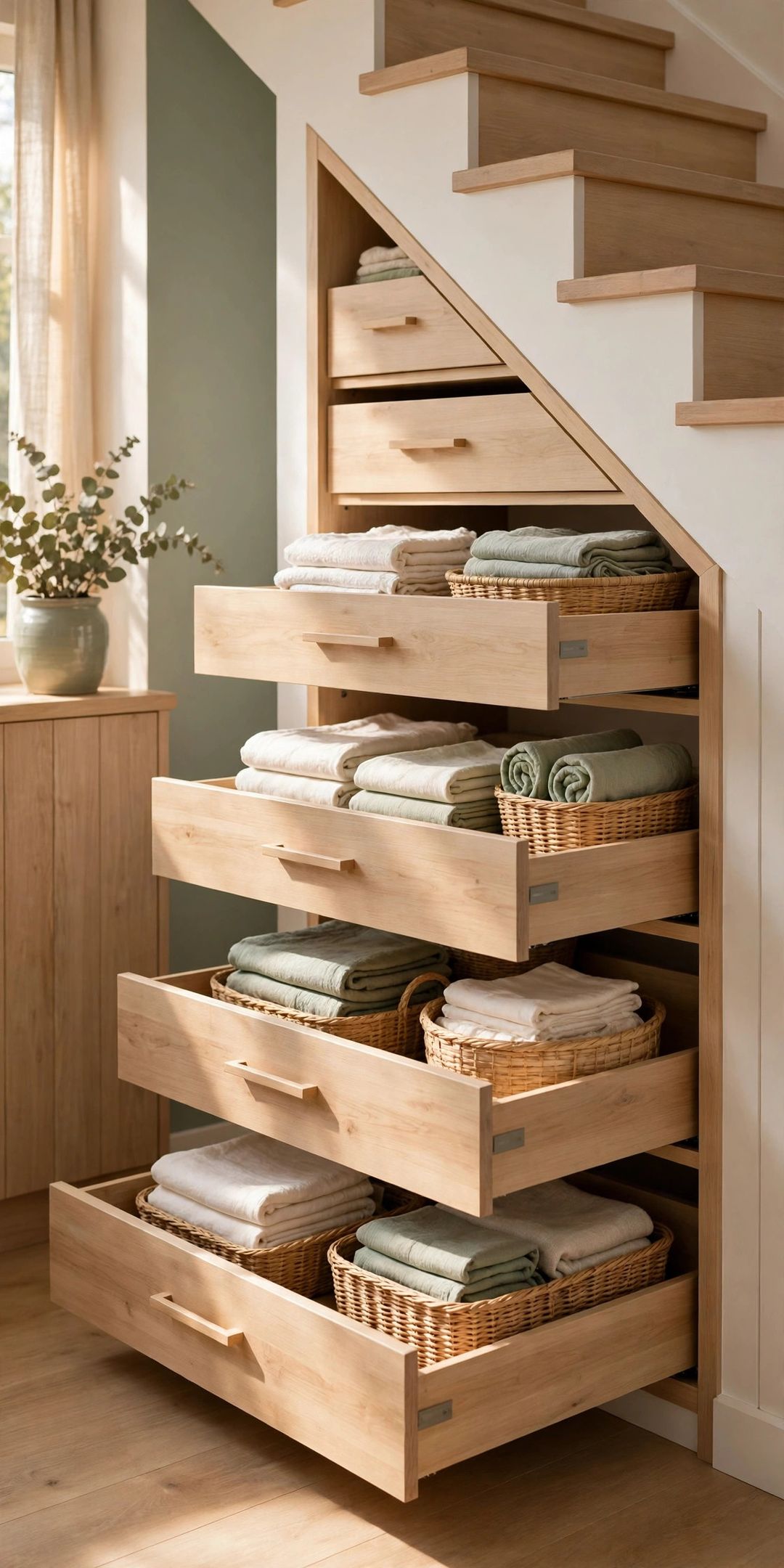
6. Under-crib boxes for the next size up. Flat boxes, about 5 to 6 inches tall, slide under the crib and hold the next size up in clear bags by type. When the current size gets tight, swap them: outgrown clothes go to the rotation bin, and the drawer refills in minutes.
Feeding and Diapering: Systems 7 to 9
Small caddies that move beat one large station in a single spot.
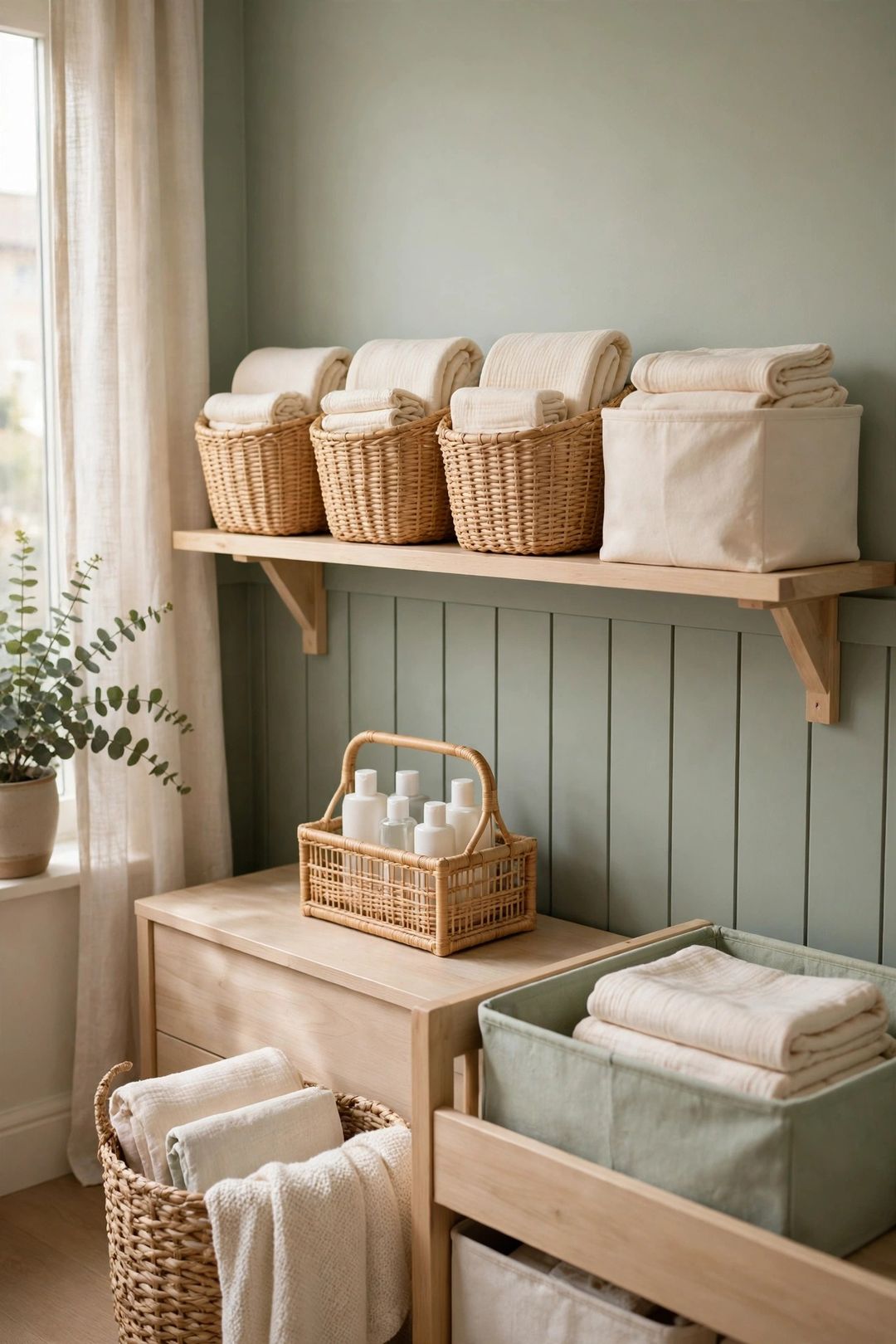
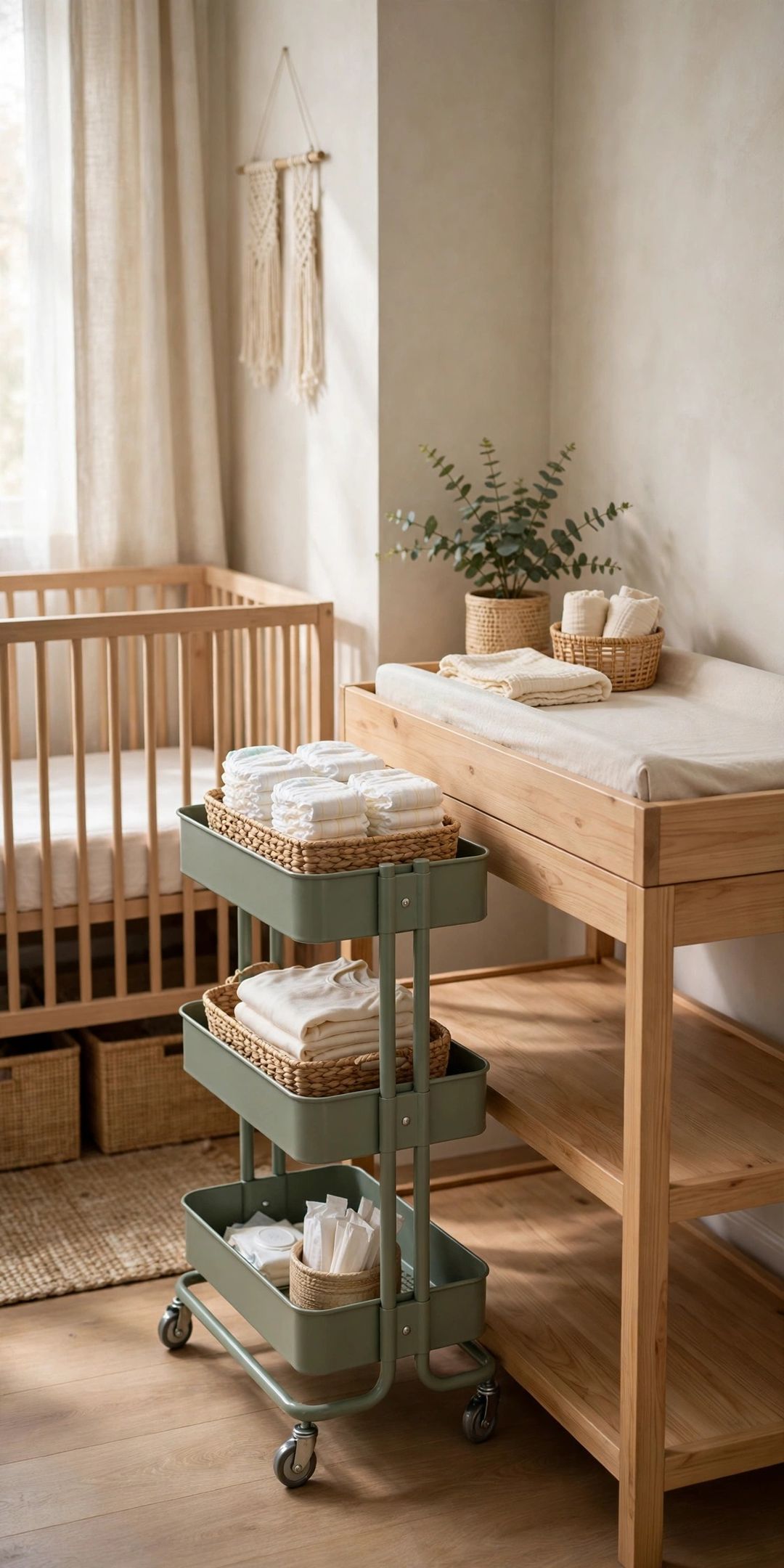
7. Portable diapering caddy for each main room. A handled caddy, roughly 12 to 15 inches long, holds diapers, wipes, cream, and two changes of clothes. Keep one in the sleeping area and one in the living area, and restock both weekly from one backstock shelf.
8. One kitchen shelf for feeding gear. Give bottles, cups, and weaning bowls a single shelf or one clear bin in a cabinet, not the whole counter. A small riser keeps short items visible behind taller bottles. As stages change, swap the whole bin.
9. Backstock basket for diapers and wipes. Keep one basket in a closet, holding one open pack of diapers plus one spare. When a new pack no longer fits, pause buying until the current size is nearly done.
Toys, Bath, and Outgrown Rotation: Systems 10 to 13
The last four systems keep toys and bath items in small, rotating sets.
10. Two-box toy rotation. Keep one open box of toys in the living area, about 15 inches wide, and one closed box in a closet. Swap them every one to two weeks. Fewer toys out means less clutter. Remove broken or ignored items at each swap.
11. Hanging storage for bath toys. A mesh bag or perforated basket hanging in the tub area keeps bath toys draining in one place instead of across the floor. Shake water out after each bath and let the bag dry fully.
12. One shelf for books and quiet-time items. A single low shelf or book sling, about 24 inches wide, limits board books to what fits with faces showing. Extra books join the toy rotation box, so new books mean older ones rotate out.
13. Monthly outgrown-item sweep with three exits. Once a month, fill one bag from the outgrown bin, toy boxes, and feeding shelf, then sort it three ways: keep in one labeled box, pass on, or donate. The single keep-box is the limit.
What to Buy
Clear stackable bins with lids, typically $8–$15 each. Pro: Contents stay visible and bins stack on one shelf. Con: Hard plastic can crack if dropped when full. Skip if: Fabric boxes already fit your shelves and hold clothes only.
A handled diapering caddy, typically $12–$22. Pro: It moves room to room and holds a full change kit in one grab. Con: Open tops spill if knocked over. Skip if: Your home is one small room and a fixed changing spot is always within steps.
Under-crib storage boxes, typically $10–$18 each. Pro: They use flat, wasted space for the next clothing size. Con: They collect dust and need lids for longer storage. Skip if: Your crib frame sits lower than 5 inches and boxes cannot slide under.
A heavy-duty wall hook or folding stroller bracket, typically $15–$30. Pro: It frees floor space by the door completely. Con: It must be fixed into a stud or solid wall. Skip if: You rent, cannot drill, and your stroller is too heavy for an over-door option.
Drawer dividers or fabric drawer boxes, typically $10–$16 for a set. Pro: They keep tiny clothes sorted by type in one drawer. Con: Very small sections frustrate as clothes grow in the second year. Skip if: Rolled clothes in one open drawer are already easy to find.
Mistakes to Avoid
- Keeping every size in the main drawer. Mixed sizes mean digging at every change. Only the current size belongs in daily drawers.
- Buying storage before sorting by stage. Bins bought for unsorted gear just hide the pile. Sort into current, next, and outgrown first.
- Storing outgrown gear with no exit date. Gear kept just in case fills closets fast. Set a monthly sweep and a single keep-box limit.
- Spreading feeding gear across the kitchen. Bottles on every counter make cleaning and finding parts harder. One shelf or one bin is the limit.
- Putting heavy items on high shelves. Heavy gear is awkward to lift down. Keep heavy items low and light items high.
Frequently Asked Questions
How do you store baby clothes with no nursery closet?
Use one drawer for the current size with dividers, flat boxes under the crib for the next size, and one labeled bin for outgrown clothes. That system replaces a closet for most of the first two years.
Where does a stroller go in a small home?
Try a wall hook by the entry door, a fixed corner on a washable mat, or a cleared section of a hallway closet. Measure the stroller folded before buying any hook.
How often should baby gear be rotated or sorted?
A monthly sweep handles most homes well, because sizes change quickly in the first two years. Bring out the next size as soon as the current size looks tight.
What should be done with outgrown baby gear?
Sort it promptly into keep, pass on, or donate, and limit kept items to one labeled box.
Start with the stroller parking spot and the three-bin clothing system, and the rest can follow stage by stage. Save this post to your Small-Space Storage board on Pinterest so the full system is handy at the next size change.