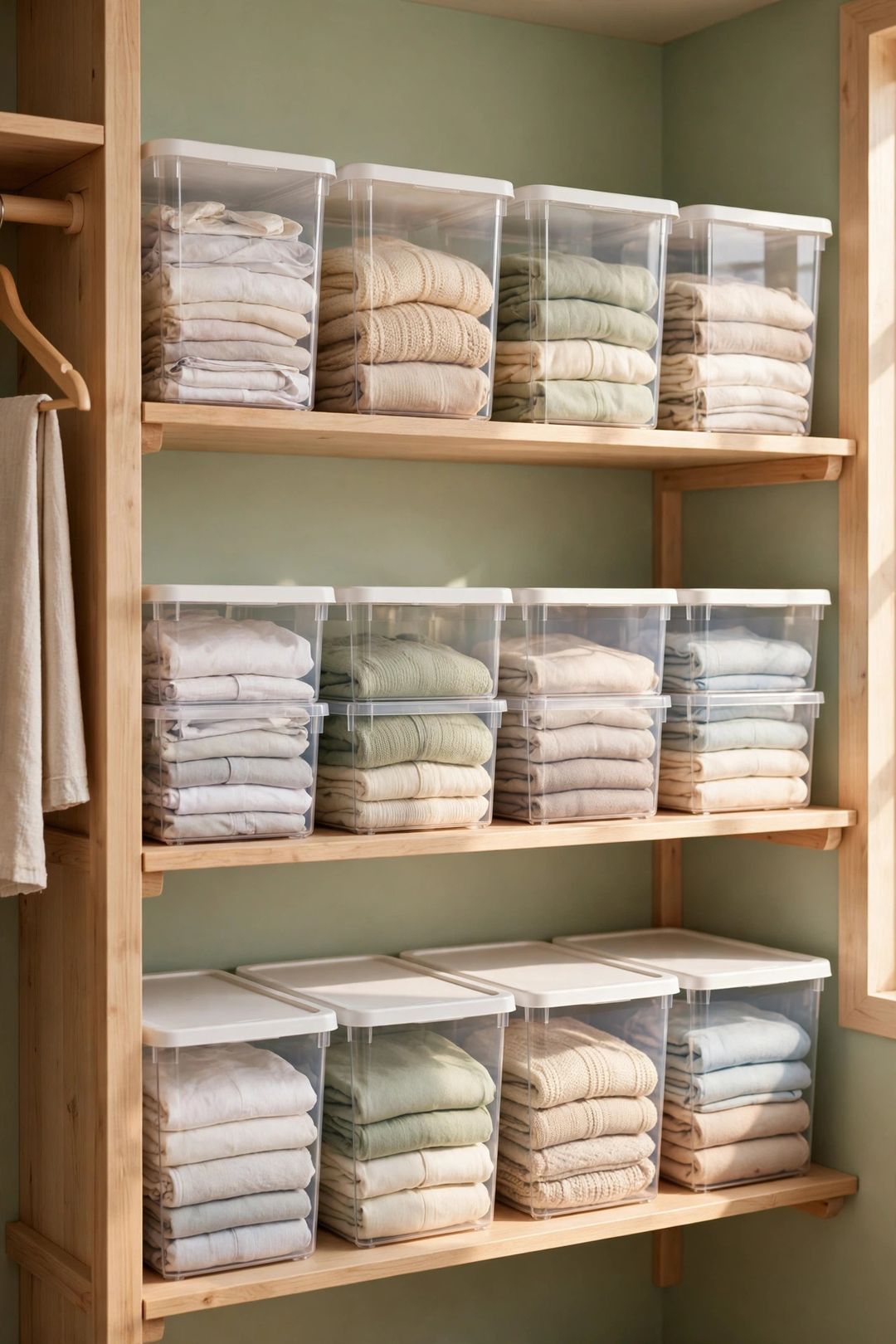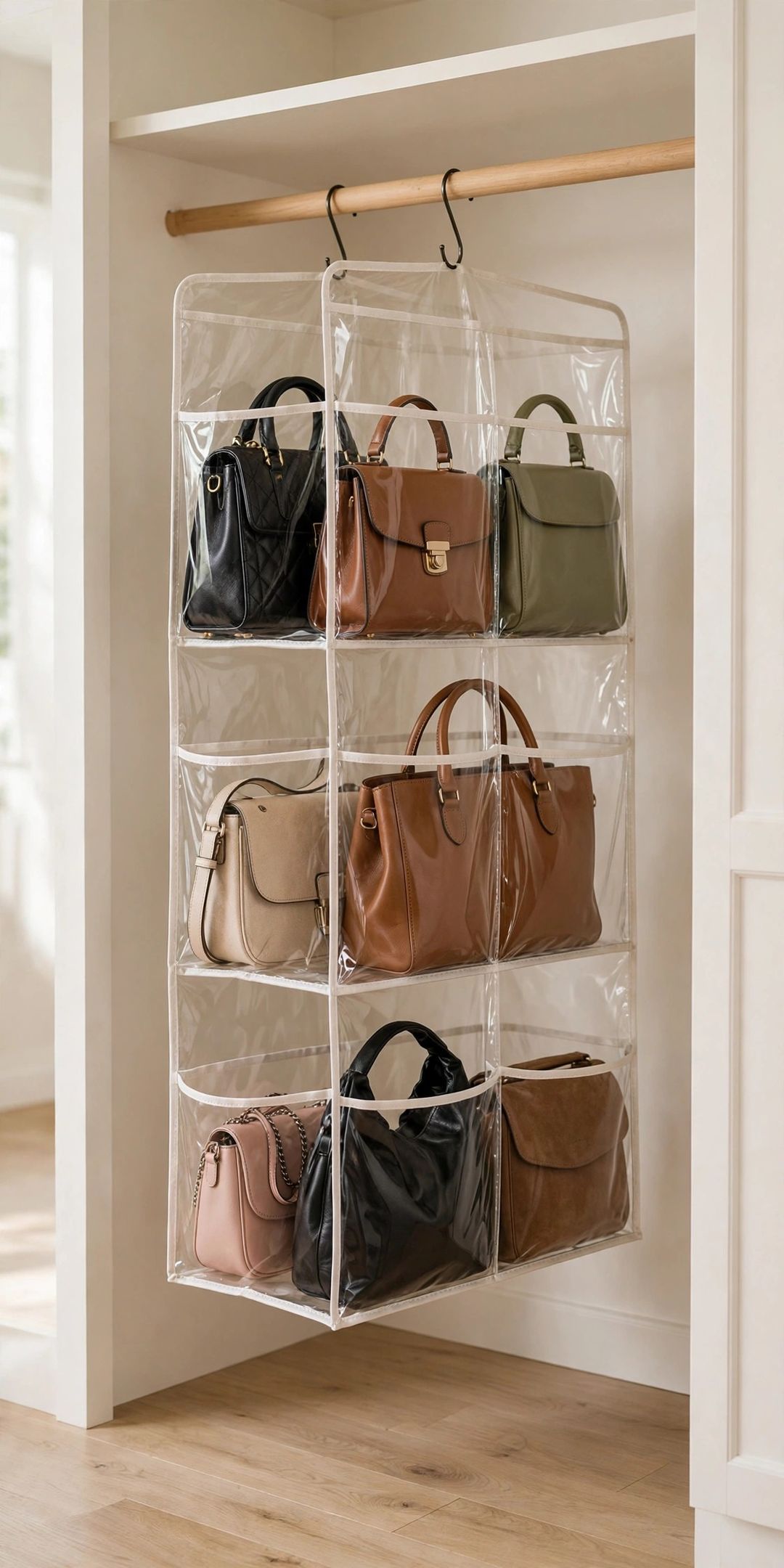
Purses stored in a pile crush each other, hide the bag needed, and leave straps tangled. A hanging organizer keeps each bag upright, visible, and off the floor. The best hanging purse organizer is the one that matches the mounting spot available and the size of the largest bag in the collection.
Measure first, before choosing a style. Measure the widest and tallest purse, including handles folded down, and measure the space itself: door height and the gap above the door, closet rod length and rod-to-floor drop, or the clear wall or closet panel width. Check three things on every listing: pocket width and height in inches, the stated weight limit per pocket, and the hook type. Structured bags, totes, and bags with stiff handles need deeper, wider pockets than soft clutches and crossbody bags.
Clear-Pocket Hanging Organizers
Flat panels with see-through pockets that hang from a rod or hook, best when visibility matters most.
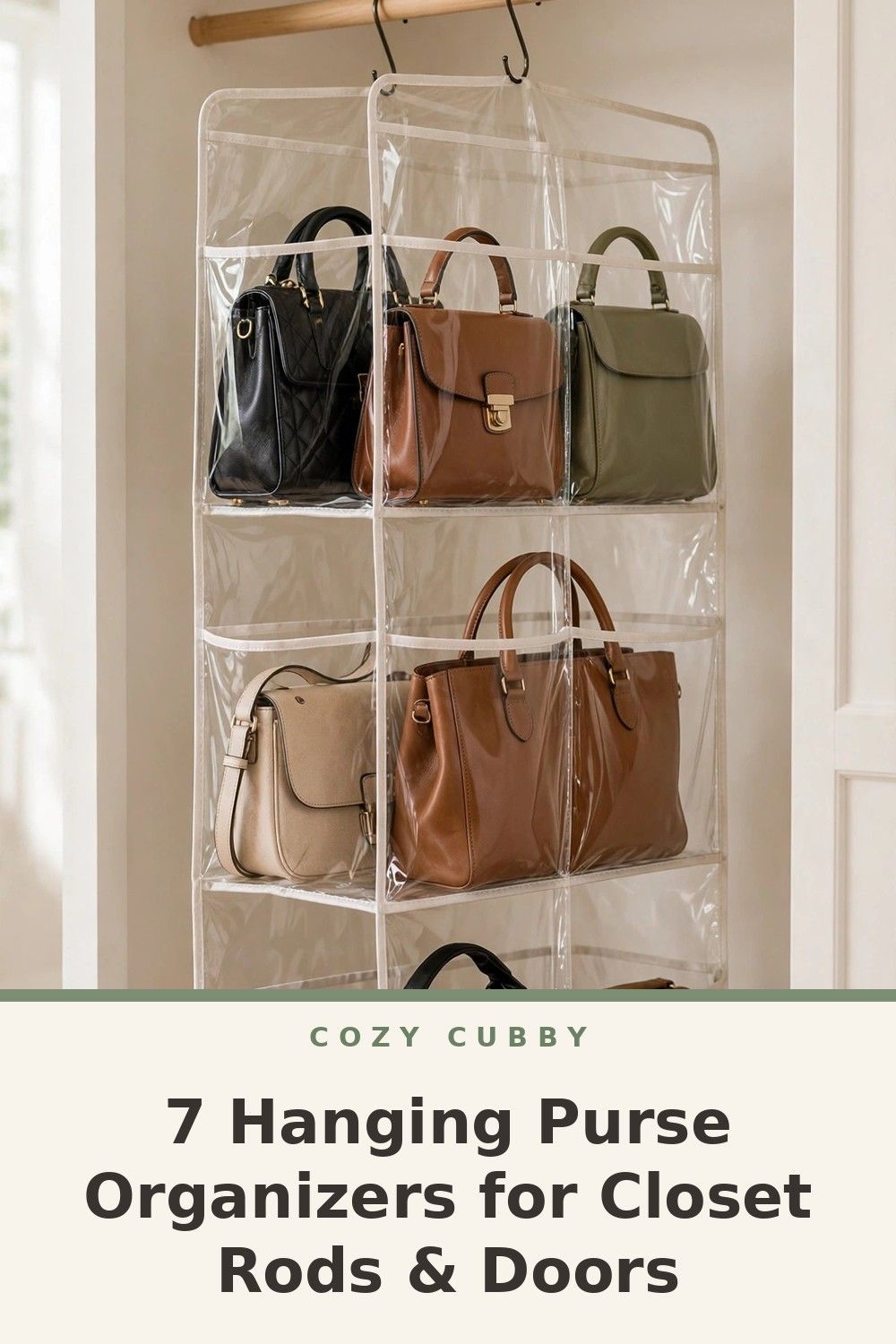
1. Double-sided clear-pocket hanging panel, about 16 pockets. Best for larger collections of small to medium bags, with clear pockets on both sides, most pockets roughly 10 to 12 inches wide and 10 to 14 inches tall, hanging from a standard clothes hanger hook. Crossbody bags, clutches, and small shoulder bags stay visible at a glance. One honest drawback: two loaded sides make the panel heavy and bulky, and it needs swing room on the rod. Typically $18–$32.
2. Single-sided clear-pocket panel, about 6 large pockets. Best for everyday shoulder bags that need room, with fewer, bigger pockets often around 13 to 15 inches wide and 14 to 16 inches tall, on a panel that hangs flat against a closet wall or rod. Bags sit flatter and slide in more easily than in small-pocket panels. One honest drawback: it holds fewer bags than double-sided styles, so big collections need two panels. Typically $16–$28.
3. Clear-pocket organizer with extra-wide jumbo pockets. Best for totes and larger satchels, with wide pockets roughly 15 to 18 inches across and deeper gussets that let a structured base sit flat instead of tipping. The clear front still shows color and shape without unzipping anything. One honest drawback: jumbo pockets tempt overloading, and thin plastic seams can stretch under a heavy, fully packed tote. Typically $22–$38.
Over-Door Purse Organizers
Styles that use the back of a closet or bedroom door, adding storage without using rod space.
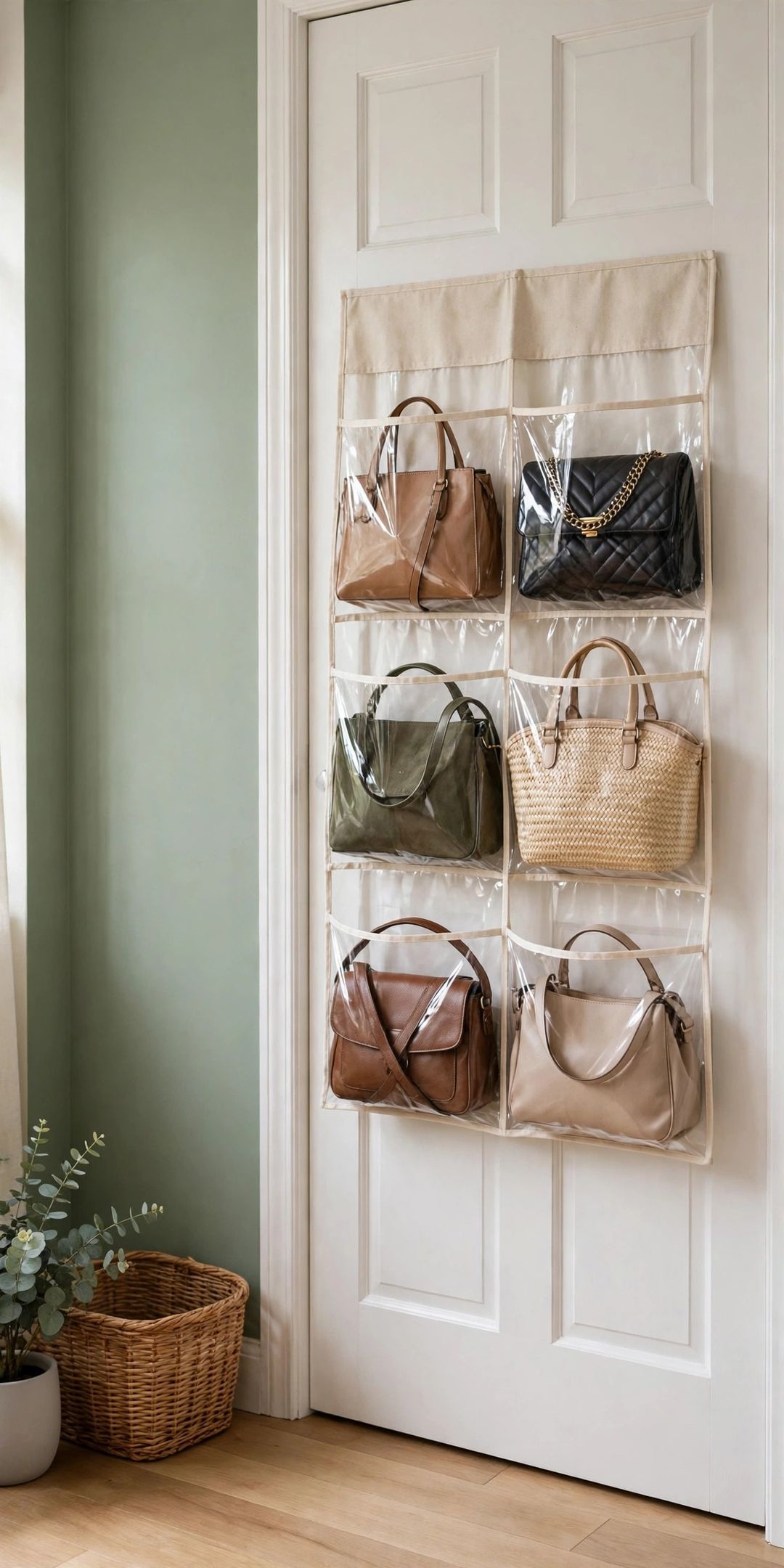
4. Over-door clear-pocket organizer with flat hooks. Best for renters and doors with no spare closet space, with rows of clear pockets, often 12 to 24 smaller pockets or 6 to 8 large ones, hung from flat metal hooks that sit over the door top. It suits clutches, wallets on chains, and small to medium bags. One honest drawback: the door needs clearance at the top and must still close fully, and heavy bags can make it swing and bang. Typically $17–$30.
5. Over-door organizer with deep fabric pockets and clear fronts. Best for medium handbags that need more support than thin plastic gives, with fabric sides and bottoms that hold a bag's shape, clear panels for visibility, and pockets roughly 12 to 14 inches wide. Sturdier construction handles daily in-and-out use better. One honest drawback: fabric pockets are bulkier, so fewer fit on one door, and the fabric needs spot cleaning. Typically $24–$42.
Closet-Rod Purse Organizers
Styles that hang from the rod itself, useful when a spare section of rod is easier to find than door space.
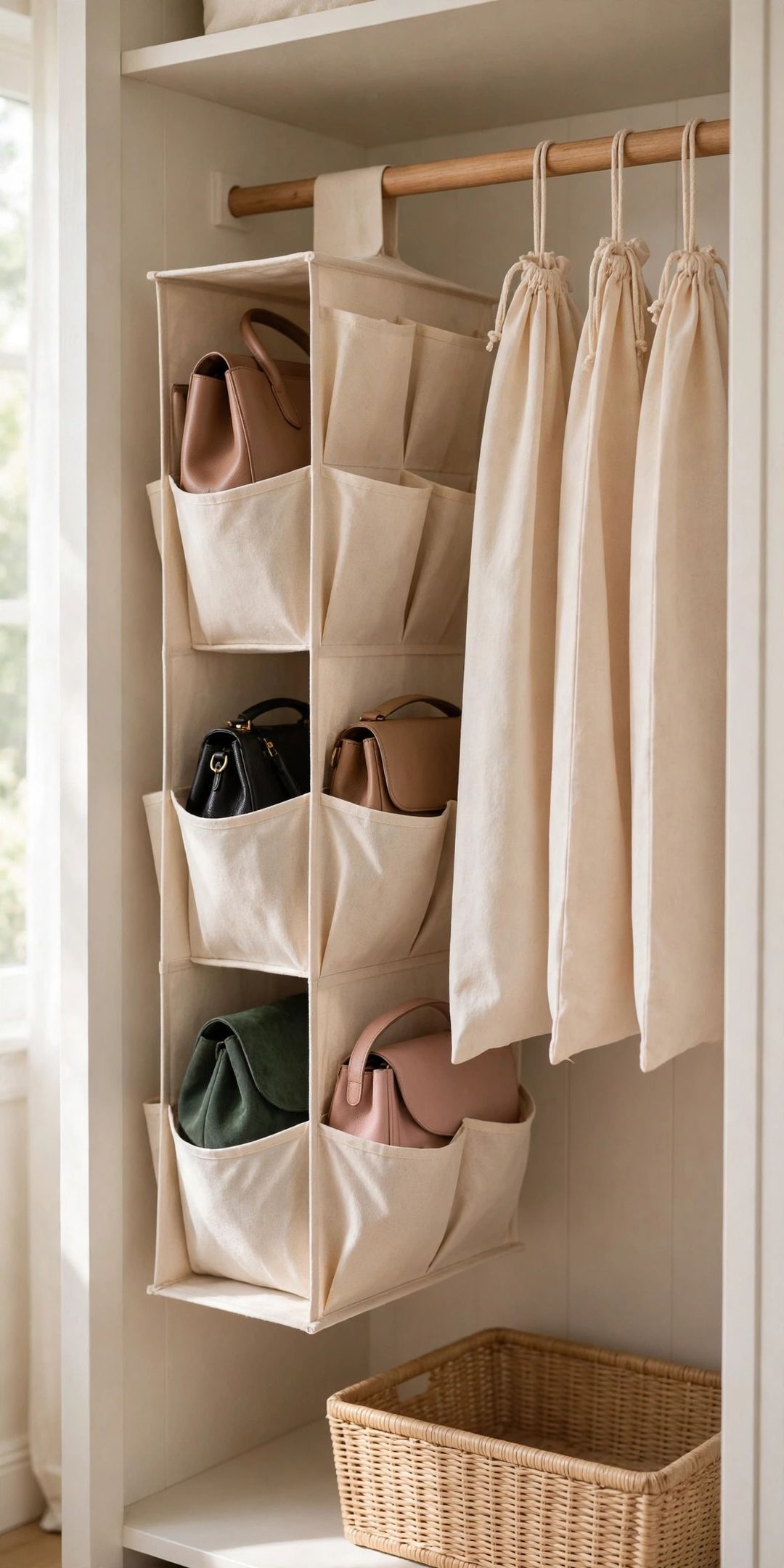
6. Closet-rod hanging cubby with purse dividers, about 4 to 6 shelves. Best for structured handbags that should sit upright and separated, with open shelves roughly 12 inches wide and 10 to 12 inches tall, plus divider inserts that stop bags leaning into each other. Bags keep their shape better than in soft pockets. One honest drawback: it uses valuable rod width, and each cubby fits only bags shorter than the shelf opening. Typically $26–$44.
7. Closet-rod strap organizer with individual hooks, about 8 to 10 hooks. Best for bags with sturdy handles or straps, this style hangs a vertical strap from the rod and clips or hooks each bag separately, one below the next. It uses very little rod width and suits a narrow gap beside hanging clothes. One honest drawback: bags hang at different heights and can swing, and thin or delicate straps should not carry a heavy bag's full weight for long. Typically $13–$24.
What to Buy
Single-sided clear-pocket panel, about 6 large pockets — the best first buy for most collections, because the larger pockets fit real everyday bags and the flat panel works on a rod or wall hook. Typically $16–$28.
Over-door clear-pocket organizer with flat hooks — the key buy when rod space is gone, since it turns an unused door back into storage with no tools and no drilling. Typically $17–$30.
Closet-rod hanging cubby with dividers — the right buy for structured bags worth protecting, because upright, separated shelves hold shape better than soft pockets. Typically $26–$44.
Mistakes to Avoid
- Measuring the bag without its handles. Handles and straps add height and width. A pocket that fits the body of the bag can still be too short once handles are folded or left up.
- Skipping the door clearance check. Over-door hooks need a gap between door and frame. Without it, the door sticks, scrapes, or will not latch at all.
- Loading clear pockets past the stated limit. Thin plastic and stitched seams stretch and tear under heavy, packed bags. Keep heavy totes in fabric or cubby styles.
- Storing delicate straps by hanging. Long-term hanging by a thin strap can stretch leather and chain straps alike. Structured and heavy bags belong sitting upright, not dangling.
- Buying pocket count instead of pocket size. A 24-pocket panel sounds generous, but small pockets fit clutches only. Match pocket dimensions to the actual bags owned.
Frequently Asked Questions
Do hanging organizers damage purse straps?
They can, if a heavy bag hangs by a thin strap for months. Hook and strap styles suit light to medium bags with sturdy handles. Heavier or structured bags store more safely sitting upright in a cubby or a deep fabric pocket, with weight on the base, not the strap.
Will an over-door purse organizer fit any door?
Most hooks fit standard interior doors, but thickness varies. Measure the door's thickness and the clearance between the door top and the frame before ordering, and check whether the listing includes hook sizes or foam pads to stop rattling and protect the paint.
How should empty purses be stored inside the pockets?
Lightly filling an empty bag with tissue, a dust bag, or a small pouch helps it hold its shape in a pocket or cubby. Zips and clasps should be closed, and sharp hardware should face inward so it does not press marks into a neighboring bag.
Can a hanging purse organizer go on a wire closet shelf?
Some can, if the style uses a strap or wide flat hooks that sit over the wire shelf edge. Narrow hanger hooks can tilt between wires. Checking the hook style against the closet system installed avoids the most common mounting problem.
A collection that can be seen is a collection that actually gets used. Save this post to your Closet Organization board on Pinterest so the pocket sizes and clearance checks are handy before ordering.