A small home does not need a bigger footprint to feel easier to live in. It needs each room to carry its fair share, with a clear place for the things used there every day.
These best storage ideas for small rooms take a room-by-room approach: one focused fix per room, from the bedroom to the hallway. Pick the room that bothers you most, start there, and add the next fix when the first one is working.
1. Bedroom: Use the Space Under the Bed
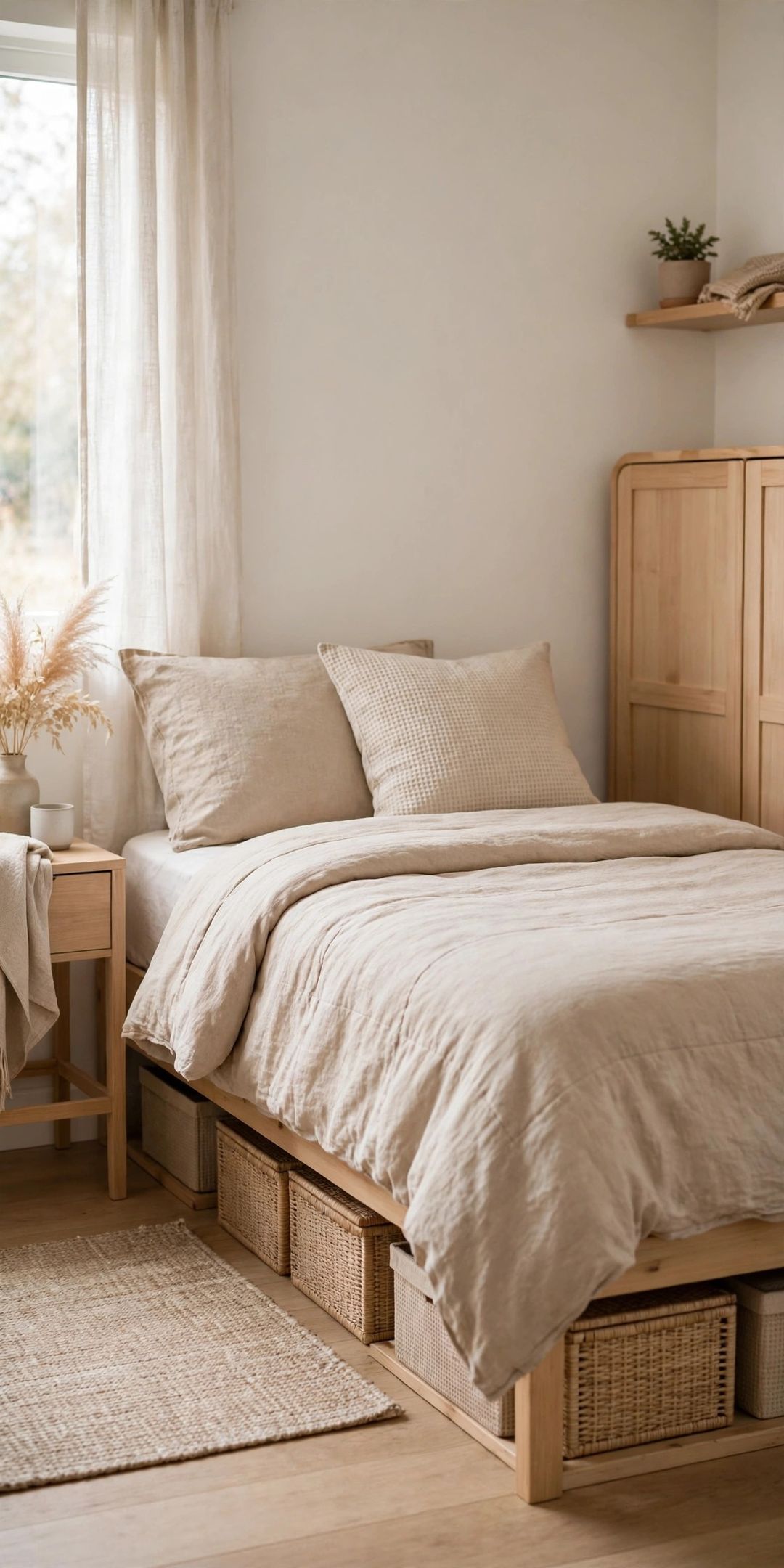
The area under the bed is often the largest unused space in a small bedroom. Low, flat bins on wheels work well for off-season clothes, extra bedding, and shoes. Keep one category per bin and label the short end, so you can pull out the right bin without moving the others. Reserve under-bed space for weekly or seasonal items, and keep daily clothes in the closet or dresser.
2. Bathroom: Go Vertical Beside the Toilet and Sink
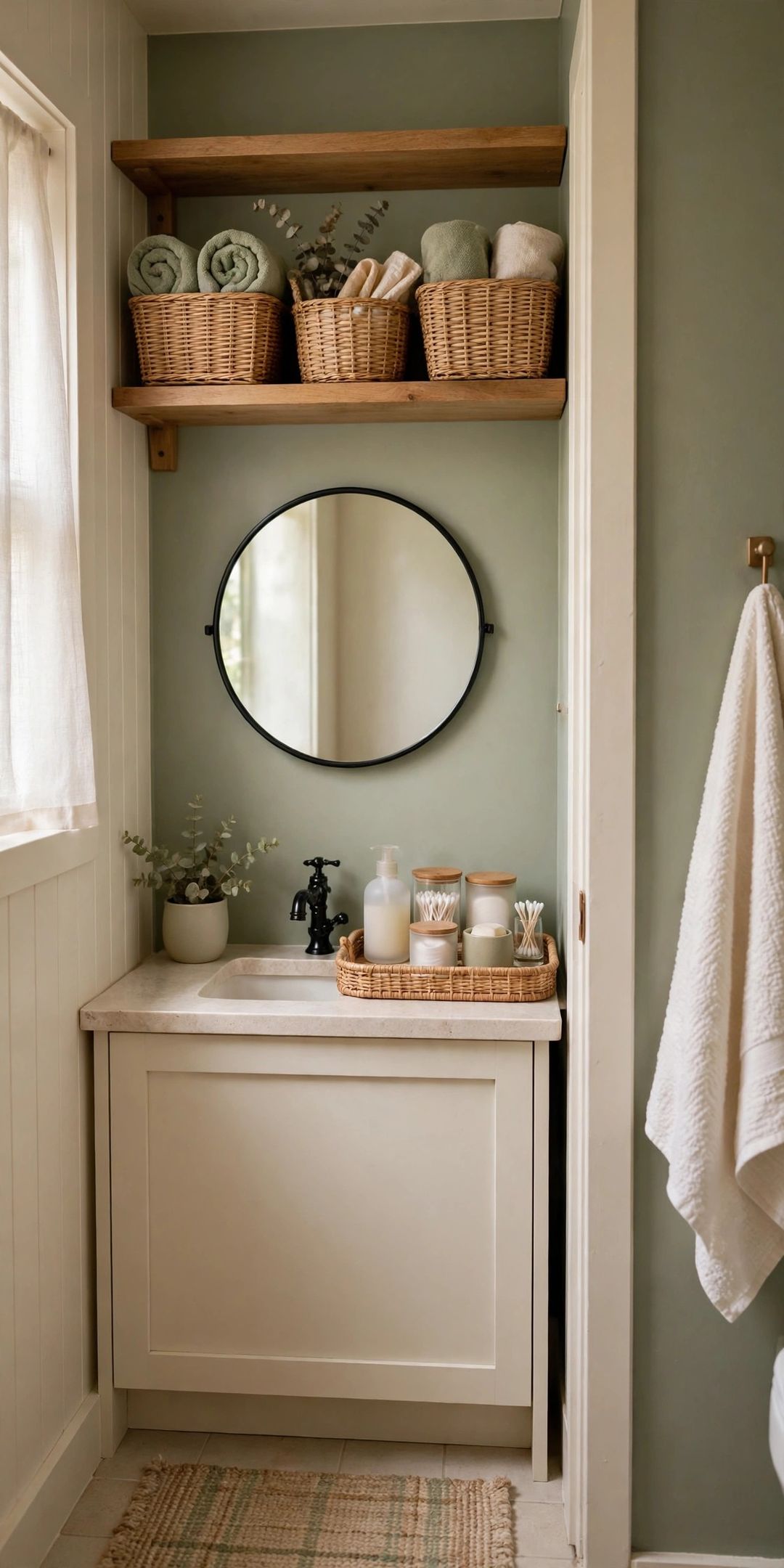
Small bathrooms usually lack counter space, not wall space. A slim rolling cart beside the toilet or vanity can hold cleaning supplies, extra toilet paper, and hair tools in a footprint only a few inches wide. Shelves above the toilet hold towels and backstock, and a small bin for each person inside the vanity stops bottles from piling up. Keep only daily items on the counter.
3. Kitchen: Add a Second Layer Inside Cabinets
Kitchen cabinets waste the air above short jars and cans. Shelf risers create a second level, so mugs, bowls, or cans stack in two visible rows instead of one hidden pile. A slim rack inside a cabinet door can hold measuring cups, wraps, or spice packets. Measure shelf height and depth before buying.
4. Living Room: Choose Furniture That Stores
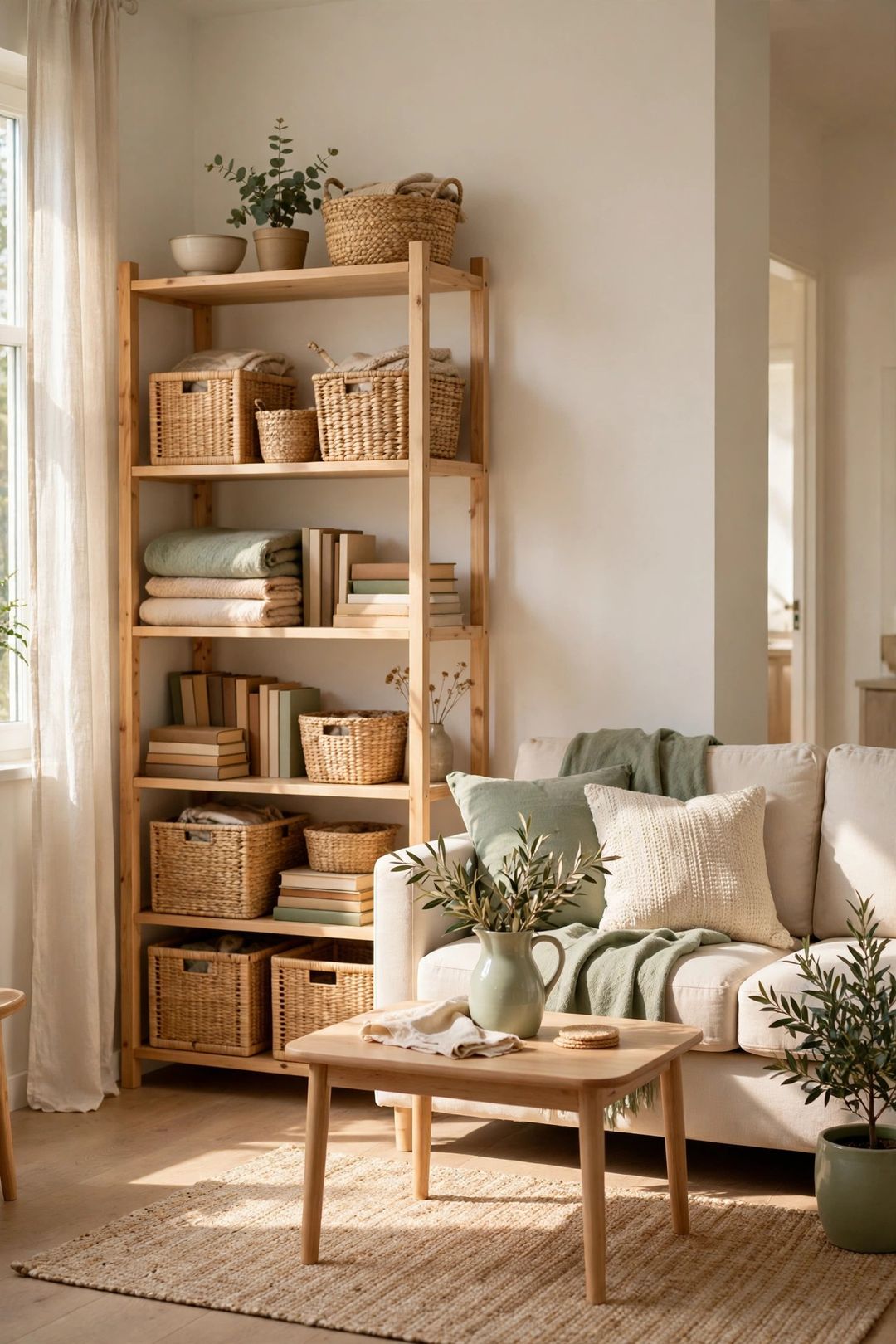
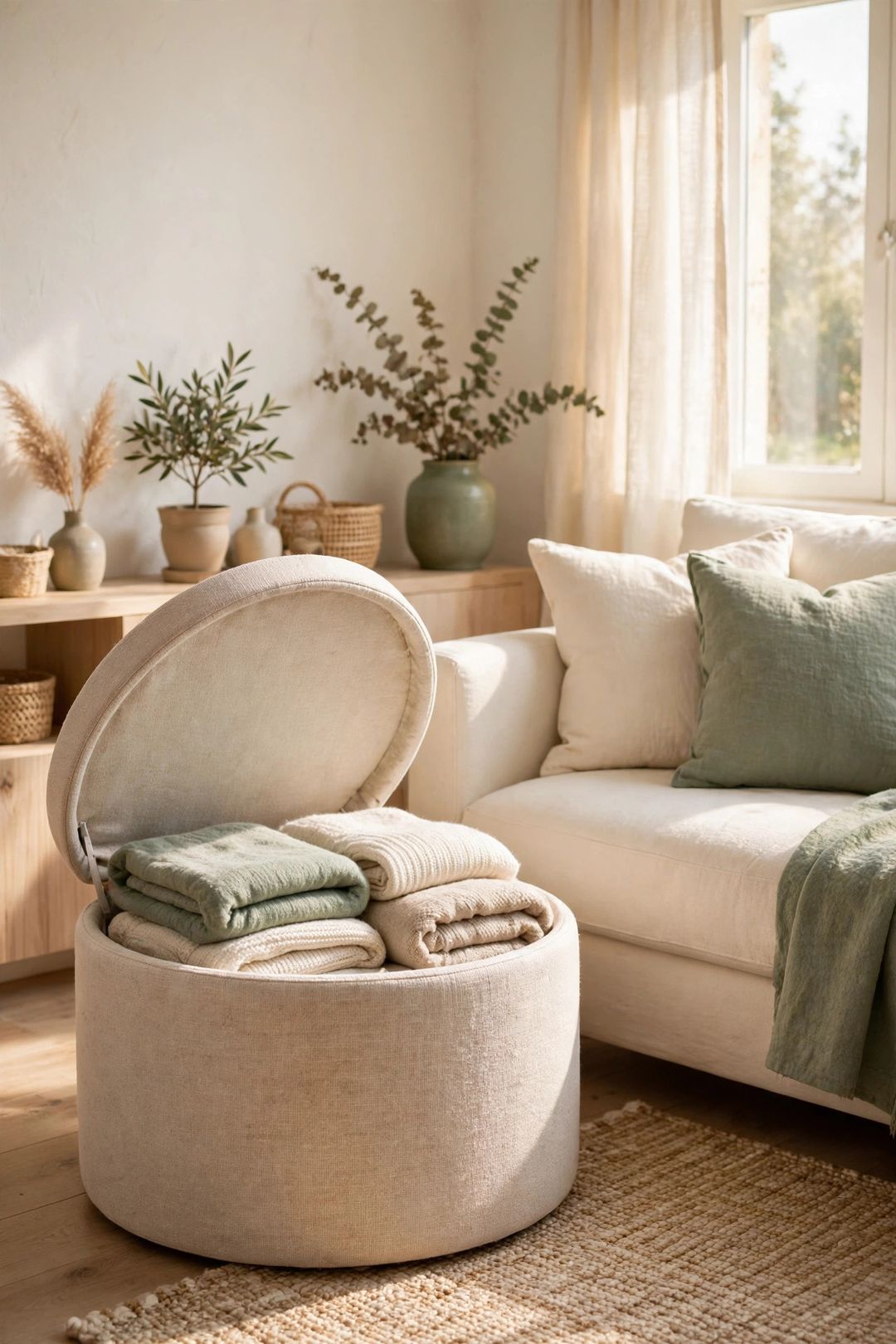
In a small living room, every large piece should earn its floor space. A storage ottoman can hold blankets, board games, or remote controls, and doubles as extra seating. A coffee table with a lower shelf or drawers keeps books and chargers out of sight. Along one wall, a narrow console or a set of baskets can corral toys, magazines, and cables, so the room can be tidied in a few minutes.
5. Entryway: Build a Small Drop Zone
The entry clutters fast with keys, mail, bags, and shoes. Even without a mudroom, a small drop zone helps: wall hooks for coats and bags, a tray or bowl for keys, and a basket or boot tray for shoes. A shelf above the hooks can hold sunglasses, sunscreen, or dog-walking supplies. Keep the zone to what people actually carry in daily, and move seasonal coats and extra bags to a closet.
6. Home Office Corner: Contain Paper and Cables
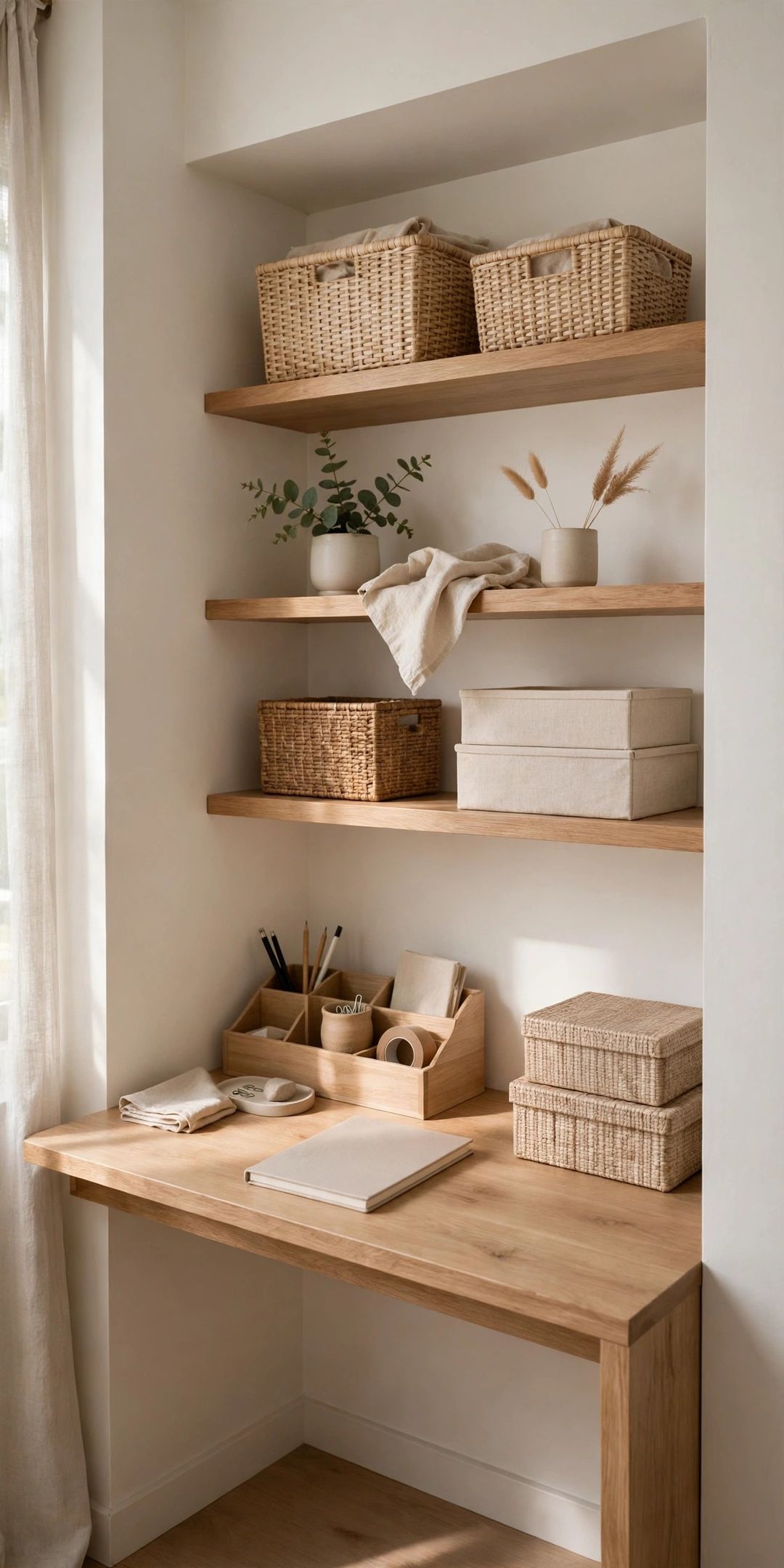
A work corner needs clear boundaries, or work spreads across the table and the floor. A desktop sorter or stacked trays can separate incoming mail, current projects, and items to file. A cable tray or clips under the desk keep chargers from tangling, and wall shelves above the desk hold books and supplies without taking desk space. At the end of the workday, return papers to their tray and clear the desk surface.
7. Laundry Area: Stack Supplies Up, Not Out
Laundry corners benefit from wall storage. A shelf above the washer and dryer holds detergent and cleaning cloths, with daily items at the front and backstock behind. A folding wall-mounted drying rack saves floor space between loads, and a slim cart between machines can hold overflow supplies. Empty a lost-sock bin monthly so it does not become a second pile.
8. Kids' Room: One Bin Per Category, Low and Labeled
Kids' rooms stay tidier when storage is easy to reach and easy to understand. Low open bins, one per category such as blocks or art supplies, let children put things away without help. Picture labels work for younger children, and word labels for older ones. Rotate toys seasonally: keep a smaller set out, and store the rest in a labeled closet bin.
9. Dining Area: Store Table Items Close By
A small dining area works best when table items live nearby, not in another room. A sideboard, narrow buffet, or single closed cabinet can hold placemats, napkins, candles, and serving dishes, with small dividers keeping categories separate. If there is no room for extra furniture, a basket on a nearby shelf can hold the same items, carried to the table at mealtime and returned after.
10. Hallway and Closets: Use Doors and High Shelves
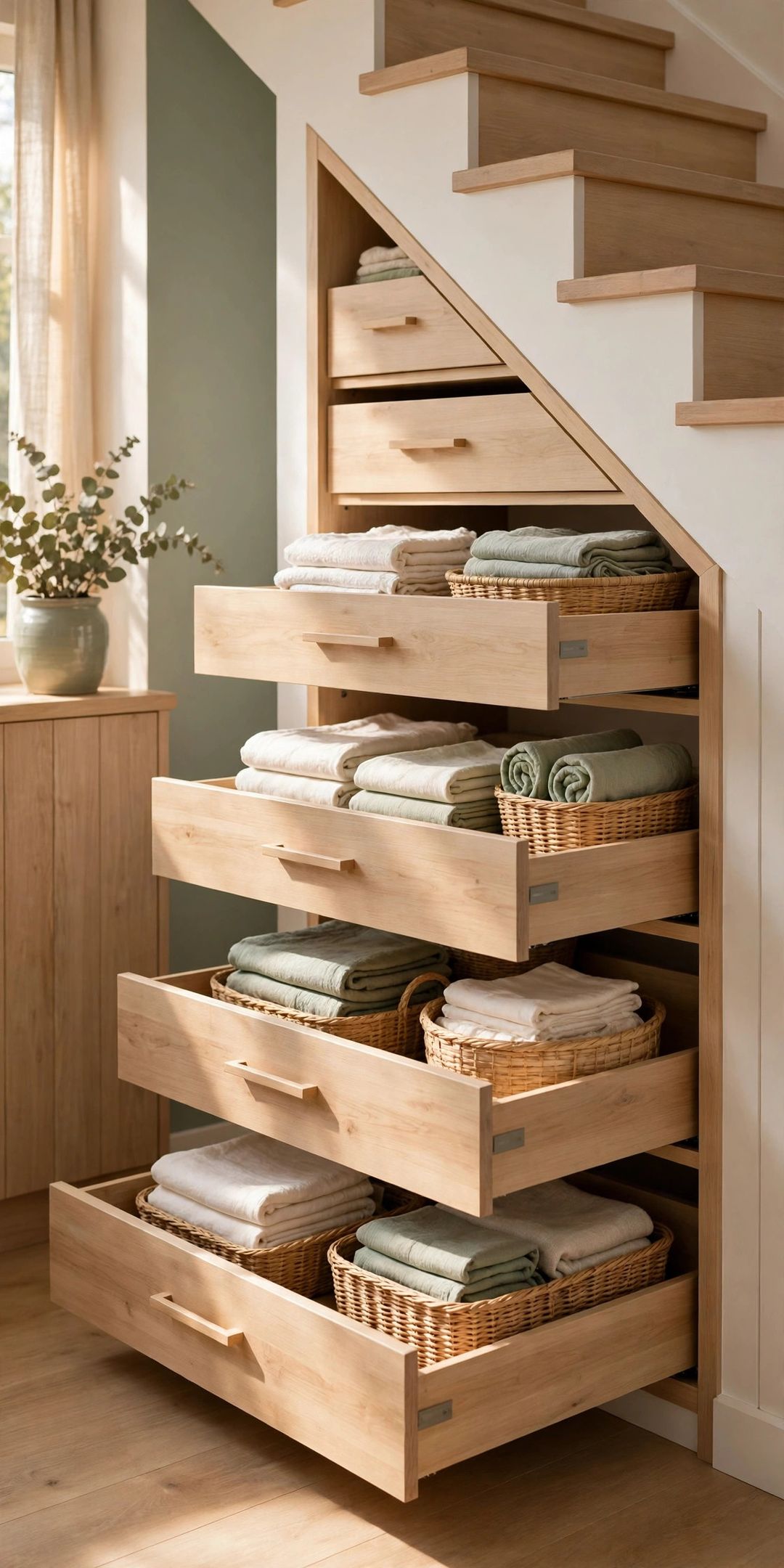
Hallways and closets hold more than they appear to, once doors and high shelves are used. An over-door rack on a closet or bedroom door can hold shoes, accessories, or cleaning supplies. The top shelf of a closet, often wasted, suits labeled bins for seasonal items, gift wrap, or extra linens. In a hallway, a narrow wall shelf or hooks can hold bags and hats without blocking the walkway. Keep pathways clear, and check that doors still close fully.
What to Buy
Under-bed storage bins on wheels, typically $15–$30 for a set. Pro: They turn wasted space into seasonal storage. Con: Bins that are too tall will not slide under a low bed. Skip if: Your bed frame sits flat on the floor.
A slim rolling cart, typically $20–$35. Pro: It fits narrow gaps beside toilets, vanities, and appliances. Con: Overloading the top shelf can make it tip. Skip if: A small shelf would fit the gap better.
Cabinet shelf risers, typically $12–$25 each. Pro: They double usable space inside cabinets. Con: Tall items may not fit on the lower level. Skip if: Your cabinets already have adjustable shelves at useful heights.
A storage ottoman, typically $40–$90. Pro: It adds seating and hidden storage in one piece. Con: A large ottoman can crowd a very small living room. Skip if: Your coffee table already has storage.
An over-door rack or hook set, typically $12–$25. Pro: It adds storage without drilling or floor space. Con: It can prevent a door from closing if overloaded. Skip if: Your doors are sliding or bifold.
Mistakes to Avoid
- Buying bins before measuring. Height, depth, and door clearance decide what fits. Measure first, or new storage ends up in a closet.
- Adding storage to every wall at once. Too many shelves and racks can make a small room feel crowded. Start with one room and one fix.
- Storing daily items in hard-to-reach spots. High shelves suit seasonal items. Daily items belong where they can be grabbed and returned easily.
- Filling new storage immediately. New bins invite new clutter. Leave a little empty space so each bin stays easy to use.
- Skipping labels. Unlabeled bins turn storage into guessing, and items drift back onto counters and floors.
Frequently Asked Questions
Where should I start in a small home?
Start with the room that causes the most daily friction, often the entry or the kitchen. One working fix there makes the next room easier.
What if I rent and cannot drill into walls?
Use no-drill options: over-door racks, tension rods, adhesive hooks rated for the weight, rolling carts, and freestanding shelves. Check your lease first.
How do I keep small-room storage from looking cluttered?
Use closed bins for mixed items, keep open shelves to one category per shelf, and leave some empty space. Matching bins in a calm color help.
Should every room have the same storage style?
No. Storage should fit what each room actually holds. Matching colors can tie rooms together, but the type of storage should follow the room.
A small home feels larger when each room has one clear storage job. Save this post to your Small Space Storage board on Pinterest, and start with the room that will make the biggest difference this week.