A small apartment does not need more stuff to stay tidy. It needs systems that work in every room, not a separate fix for each closet. The best storage solutions for small apartments are the ones that use walls, hidden space, and furniture you already own, so nothing extra has to sit on the floor.
Before buying anything, look for three things: empty wall space, unused space under beds and sofas, and spots where clutter piles up daily. The ten systems below are grouped by how they work, not by room, so you can mix and match them across the whole home. Each one includes an honest drawback.
Use the Walls and Doors
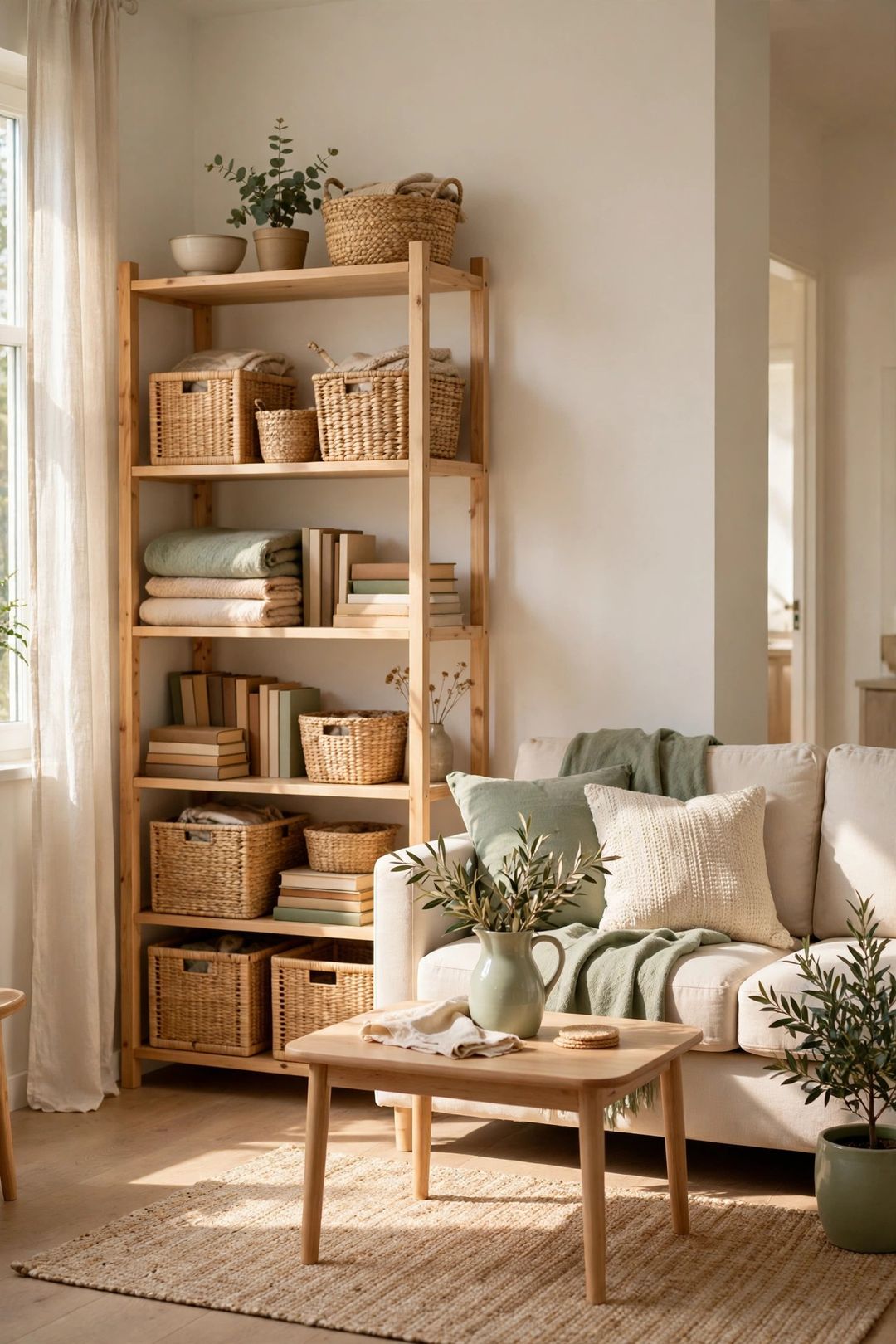
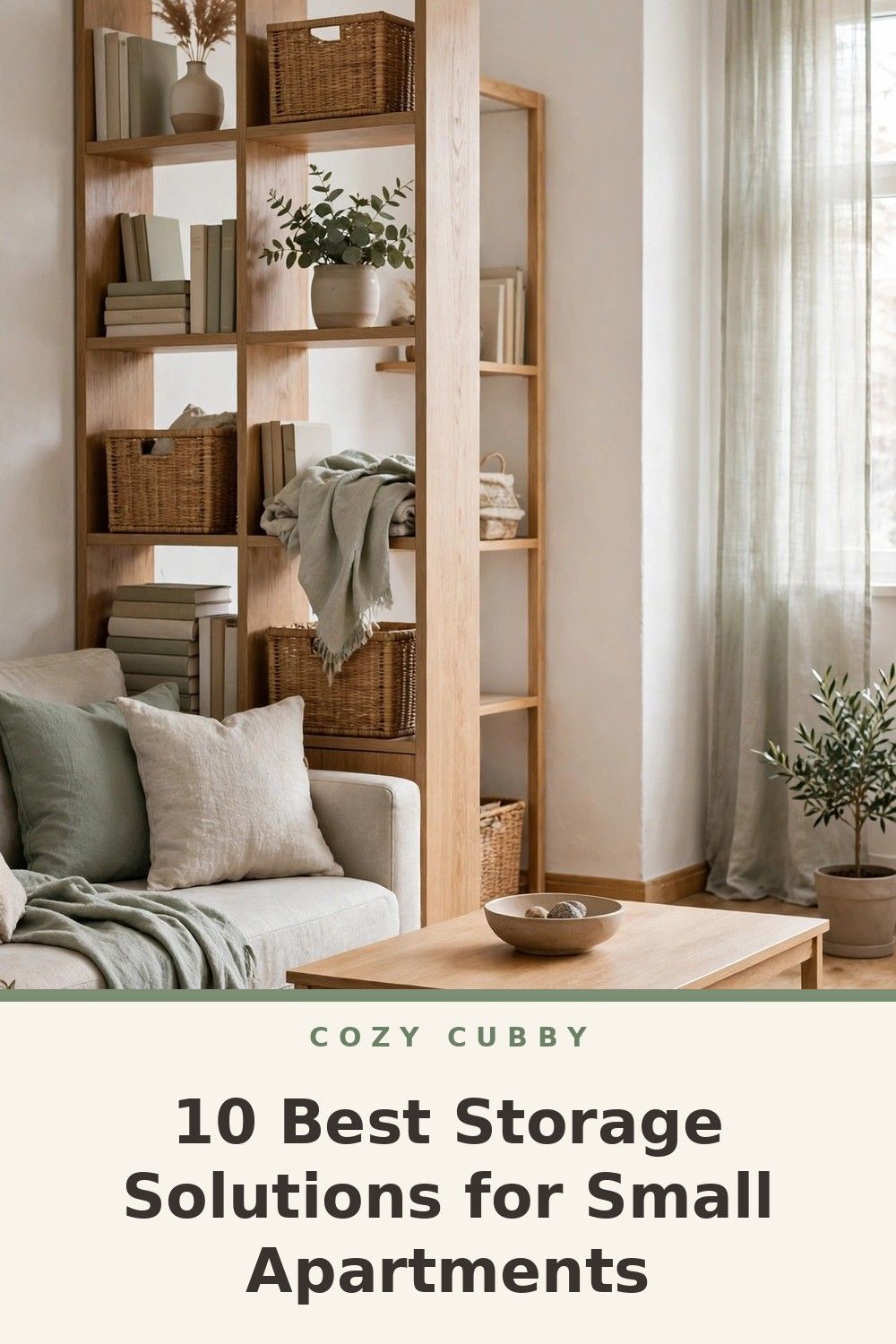
1. Wall-mounted shelf system. A row of sturdy shelves turns blank wall space into storage for books, baskets, and everyday items, without taking a single inch of floor space. The honest drawback: shelves need solid wall anchors, and many rentals limit drilling, so check your lease and wall type first. Typically $25–$80 for a set of two or three shelves with brackets.
2. Over-door organizer system. An organizer that hangs over a door adds pockets or hooks to a surface that is otherwise wasted, making it useful for shoes, cleaning supplies, pantry items, or accessories. The drawback: a full organizer can stop a door from closing smoothly and may rattle each time the door moves. Typically $15–$35.
3. Pegboard or wall-grid system. A pegboard or metal grid with hooks, small shelves, and baskets keeps tools, craft supplies, bags, and accessories visible and off counters. Items can be moved around as needs change, so the layout never feels fixed. The drawback: open wall storage looks messy fast if items are not returned to their hooks, and it collects dust more than closed storage does. Typically $20–$60 for a board with a starter set of hooks.
Hide Storage Inside Furniture and Under Beds
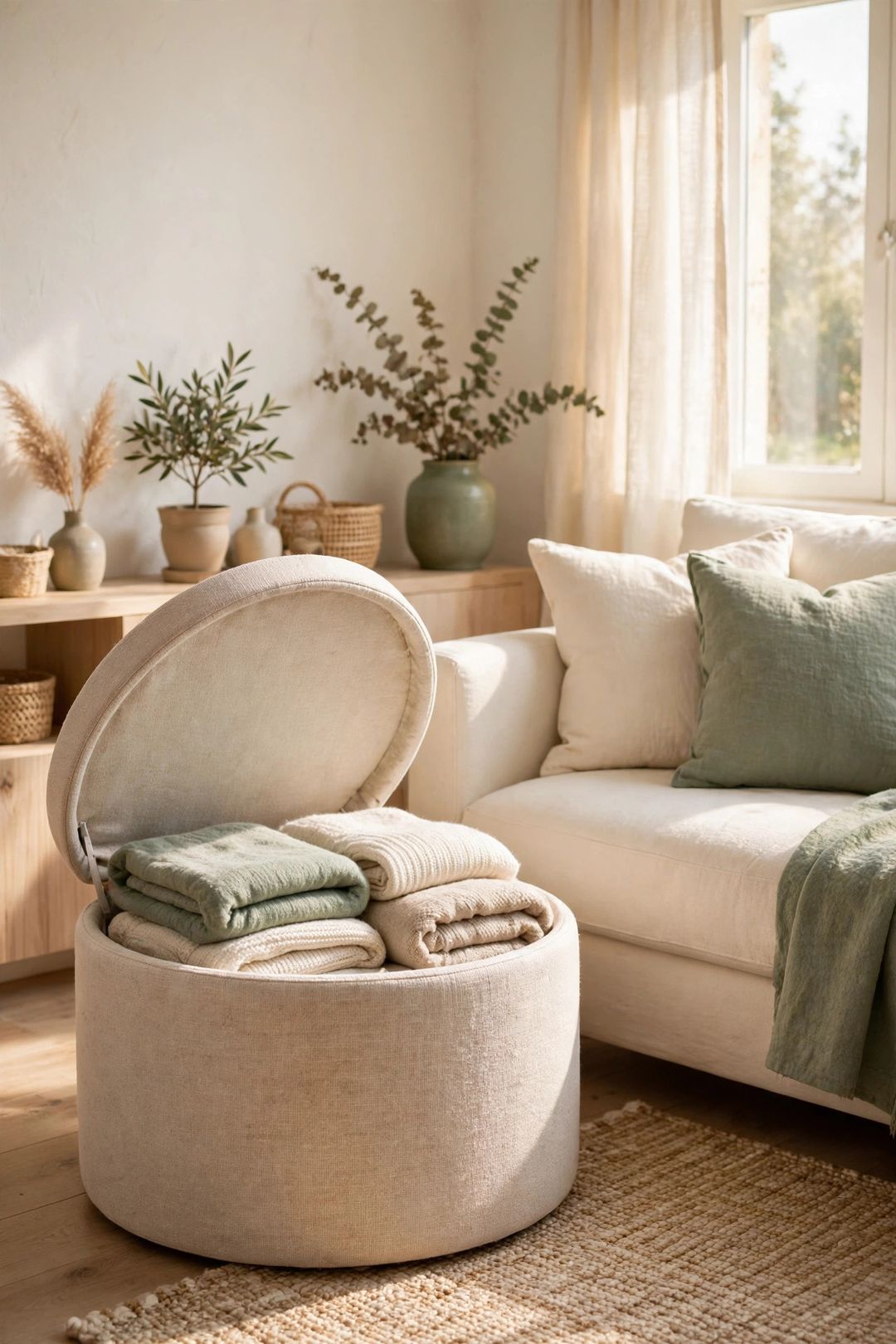
4. Storage ottoman or bench system. A hollow ottoman or bench holds blankets, board games, chargers, or seasonal items while still working as seating or a footrest. The drawback: the inside fills up quickly, and heavy items at the bottom become hard to reach. Typically $40–$120 depending on size and material.
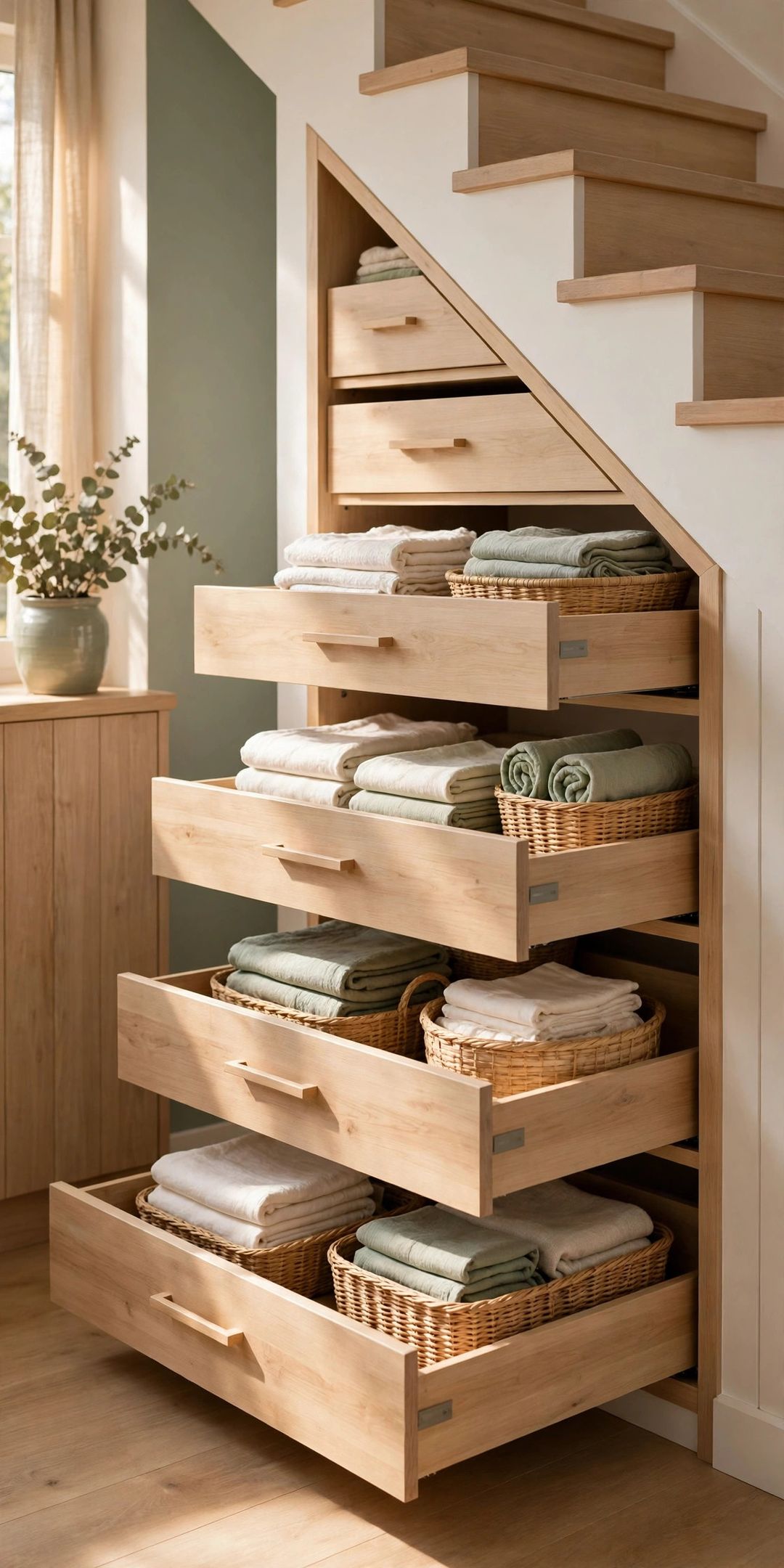
5. Under-bed rolling bin system. Low bins on wheels slide under the bed and hold out-of-season clothes, extra bedding, or shoes that are not needed every day. Clear or labeled bins make it easy to find the right one without pulling everything out. The drawback: bins only fit if the bed frame has enough clearance, and dusty floors mean lids are a must. Typically $20–$50 for a set of two bins.
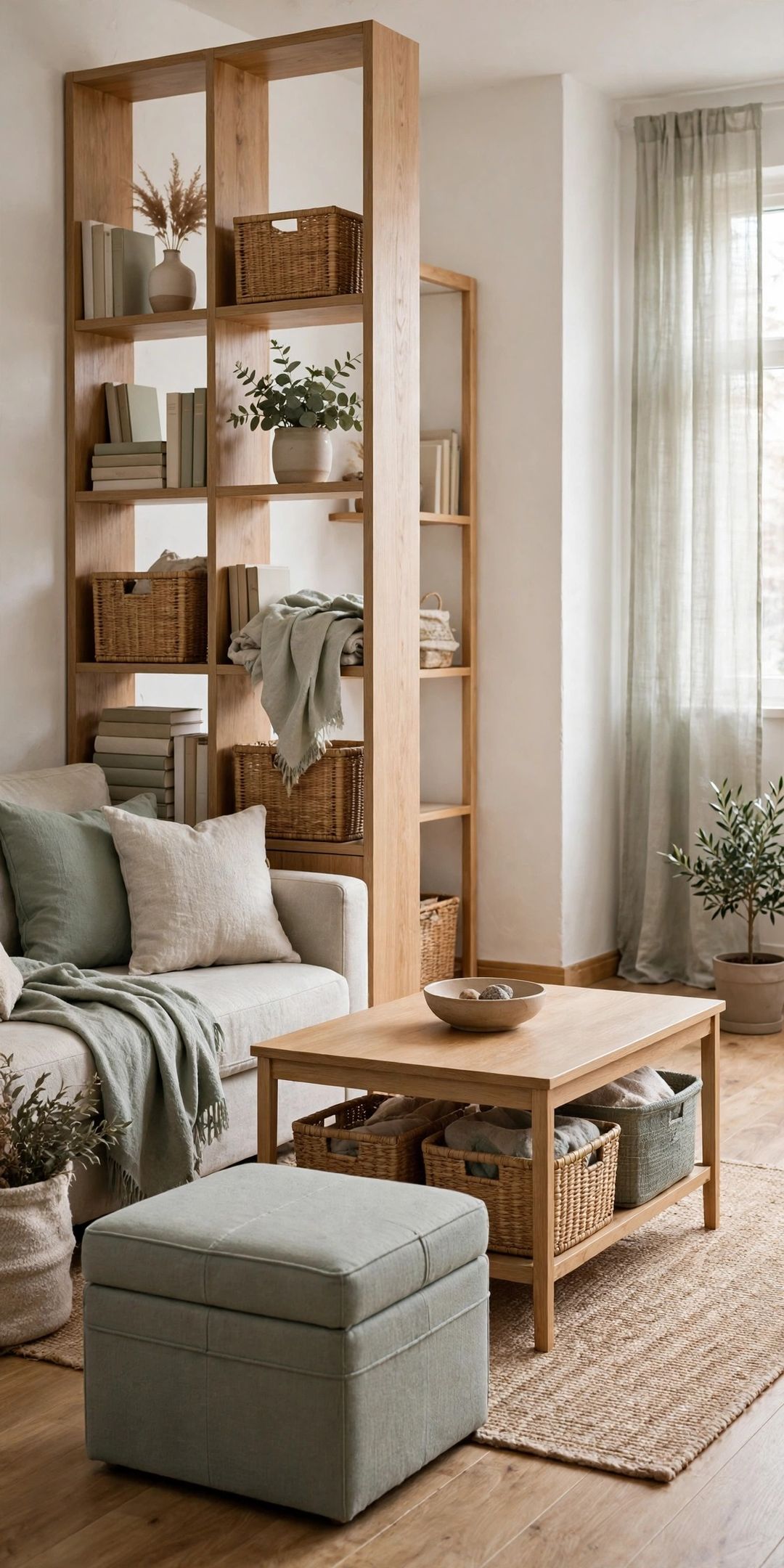
6. Modular cube shelving system. Stackable cubes can be arranged as a low bench, a tall shelf, or a room divider, and fabric bins inside each cube hide clutter behind a neat front. The drawback: open cubes without bins look cluttered, and cheap units can sag under heavy books. Typically $35–$100 for a unit of six to nine cubes, plus $20–$40 for a set of fabric bins.
Keep Storage Mobile and Flexible
7. Rolling cart system. A narrow rolling cart with two or three tiers fits beside a desk, in a kitchen gap, or next to a bed, and it can be moved to wherever it is needed. It suits items used in more than one spot. The drawback: carts roll away on hard floors, and an overloaded top tier can tip. Typically $25–$60.
8. Clear-bin and label system. Matching clear bins with simple labels bring order to closets, cabinets, and high shelves across the whole apartment. Because the bins are clear, contents stay visible, and because they are labeled, anyone in the home can put things back in the right place. The drawback: buying bins before measuring shelves is the most common mistake, since a bin that is even half an inch too tall or deep will not fit. Typically $20–$50 for a starter set of bins and labels.
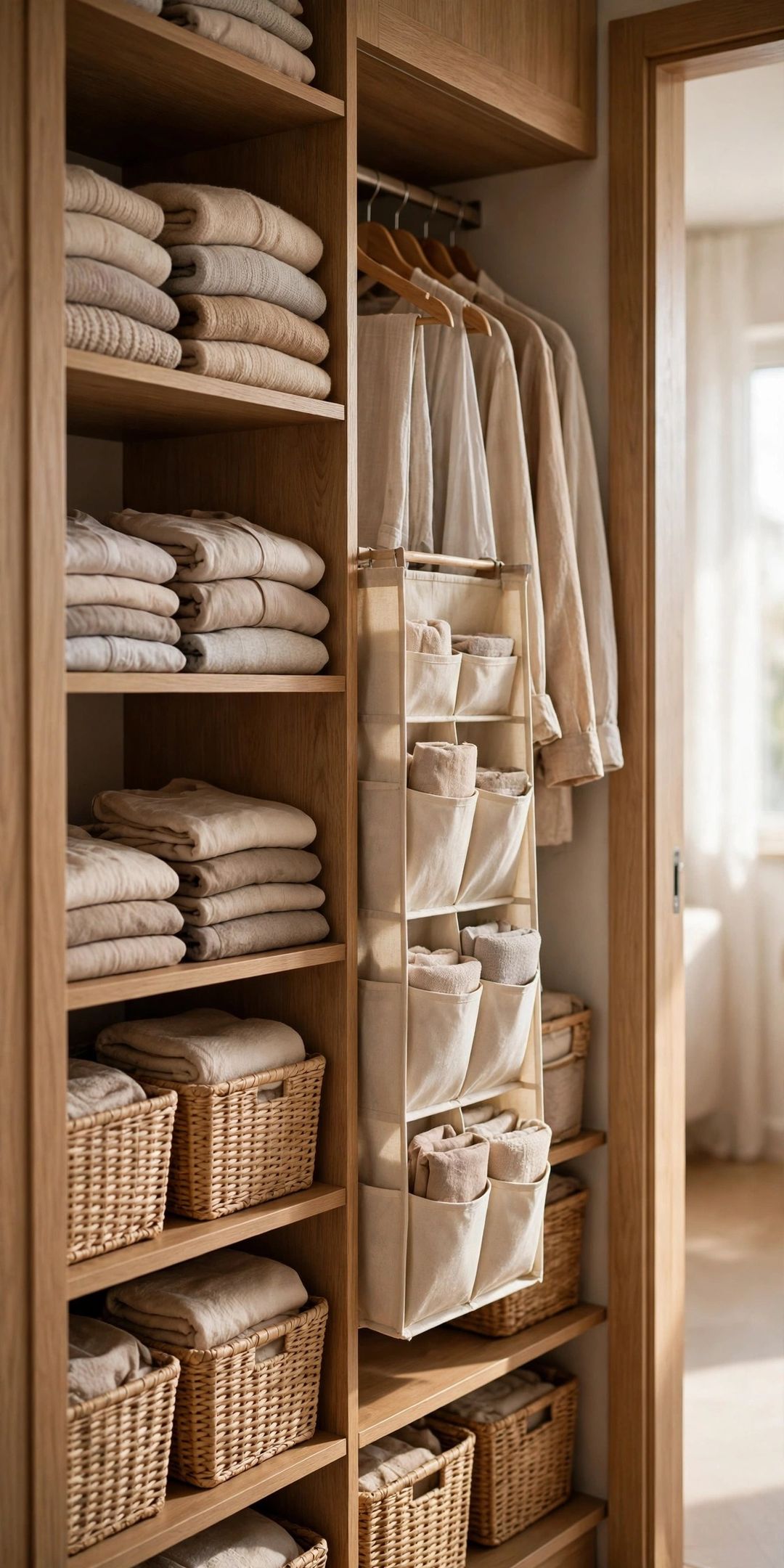
9. Vacuum-seal seasonal rotation system. Vacuum-seal bags shrink bulky winter coats, spare blankets, and out-of-season clothes to a fraction of their size, freeing a whole shelf or bin for items in current use. The drawback: sealed items wrinkle, and bags can lose their seal over time, so they suit seasonal storage better than daily-use clothes. Typically $15–$30 for a set of bags.
Stop Clutter at the Door
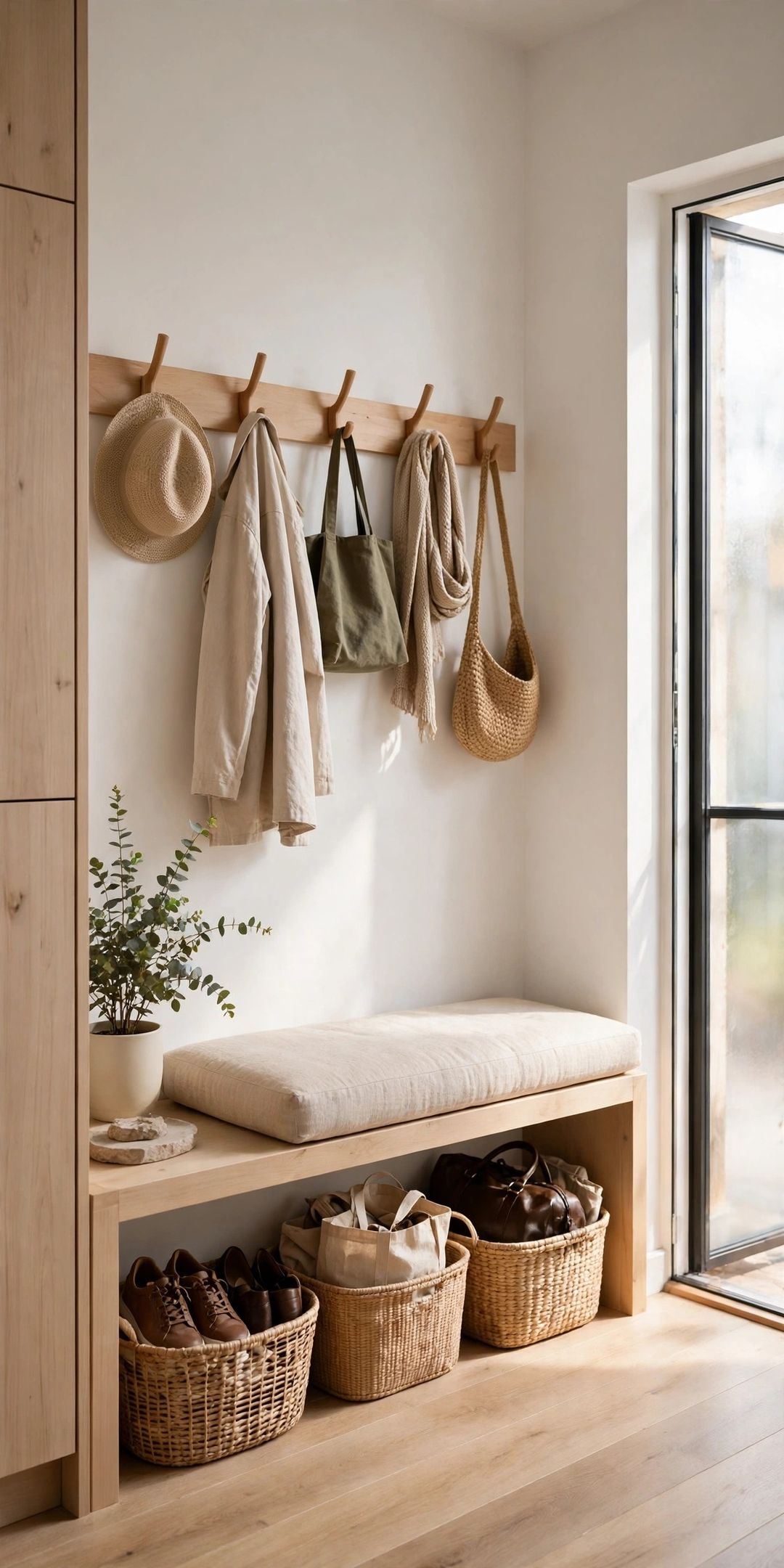
10. Entry drop-zone system. A small drop zone by the door — a row of hooks, a tray or basket for keys and mail, and one bin or shoe tray — catches bags, coats, and shoes before they spread through the apartment. The drawback: a drop zone only works if it is emptied regularly; without a quick weekly clear-out, it becomes another clutter pile by the door. Typically $30–$80 for hooks, a tray, and a shoe tray combined.
What to Buy
Clear bins with labels — the best first buy for most apartments, because one matching set can organize closets, cabinets, and shelves at once. Typically $20–$50.
Under-bed rolling bins — the best buy for bulky seasonal items, since the space under the bed is often the largest unused area in a small apartment. Typically $20–$50 for a set of two.
Wall-mounted shelves — the best buy when floor space is gone, because walls hold storage without crowding the room. Typically $25–$80 for a set of two or three shelves with brackets.
Rolling cart — the best flexible buy, because it moves between rooms and fills narrow gaps that fixed furniture cannot use. Typically $25–$60.
Mistakes to Avoid
- Buying storage before measuring. Shelf height, bed clearance, and door width decide what fits. Measure first, or new bins end up stored in a corner.
- Adding storage without removing anything. New bins cannot fix an apartment that holds more than it can store. Let go of broken, duplicate, or unused items first.
- Using only open storage. Open shelves and cubes look tidy only when items are returned to their spot. Mix open storage with closed bins for the messy categories.
- Overloading walls and doors. Heavy shelves on weak walls and full over-door organizers strain hardware and doors. Check weight limits and anchors before loading them up.
- Creating a system only one person understands. Label everything and keep the system simple enough for everyone in the home.
Frequently Asked Questions
Where should storage go first in a small apartment?
Start where clutter piles up daily: the entry, the kitchen counter, and the bedroom floor. Fixing those first makes the whole apartment feel larger.
How do renters add storage without drilling?
Over-door organizers, rolling carts, under-bed bins, tension rods, and freestanding shelving all add storage without holes in the wall. For wall shelves, check the lease first, and use removable hooks for light items where drilling is not allowed.
Is it better to buy matching bins or use what is already at home?
Matching bins look tidier and stack better, but reusing sturdy boxes and baskets works fine to start. Buy matching bins for the most visible areas first, and reuse what you have in closets and under beds.
How often should a small-apartment storage system be reset?
A quick ten-minute reset once a week keeps drop zones, carts, and bins working. A deeper seasonal review is the time to rotate items and remove anything that no longer earns its space.
Pick one system from each group, measure before you buy, and let it prove itself for a week before adding more. Save this post to your Small Apartment Organization board on Pinterest for shopping day.