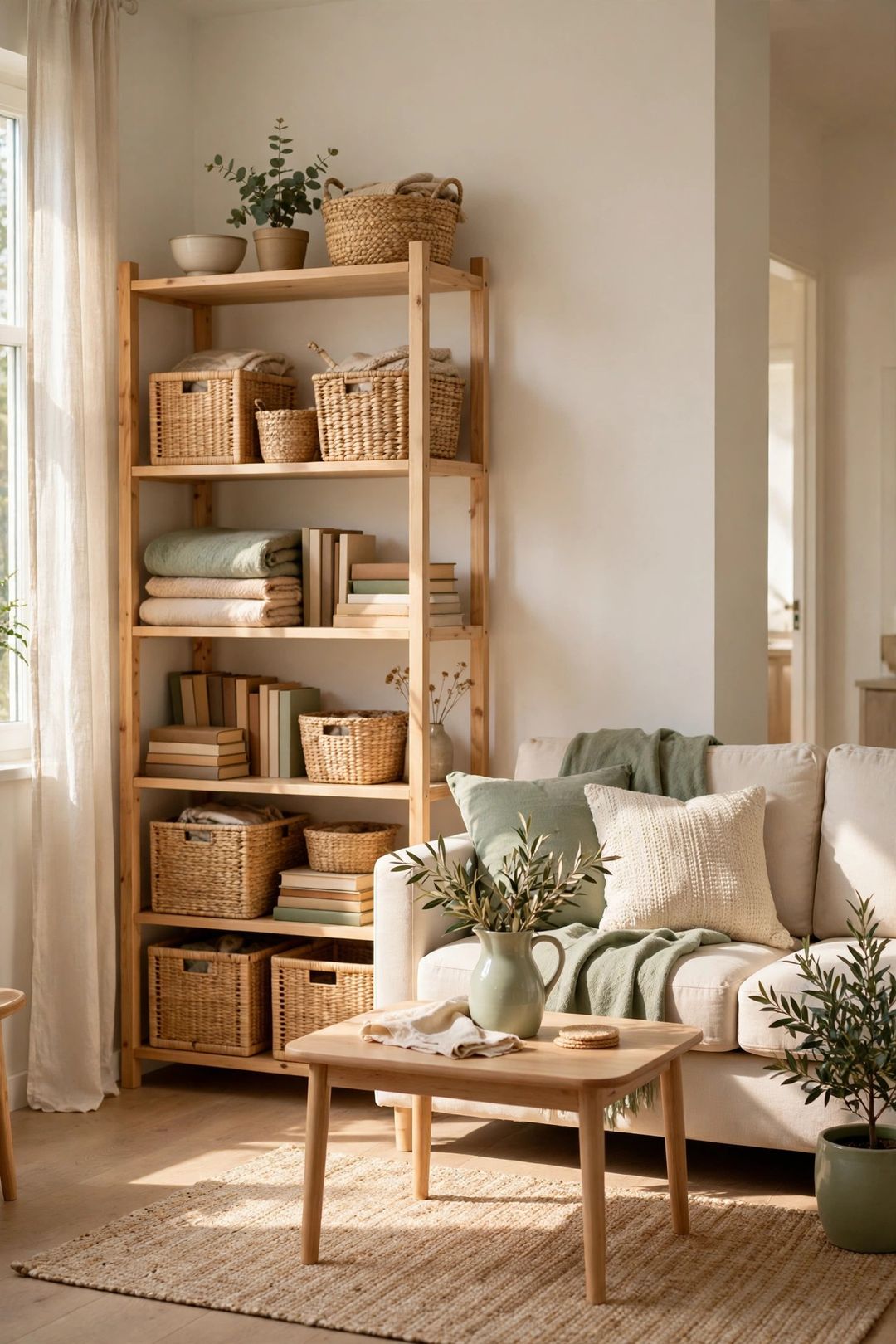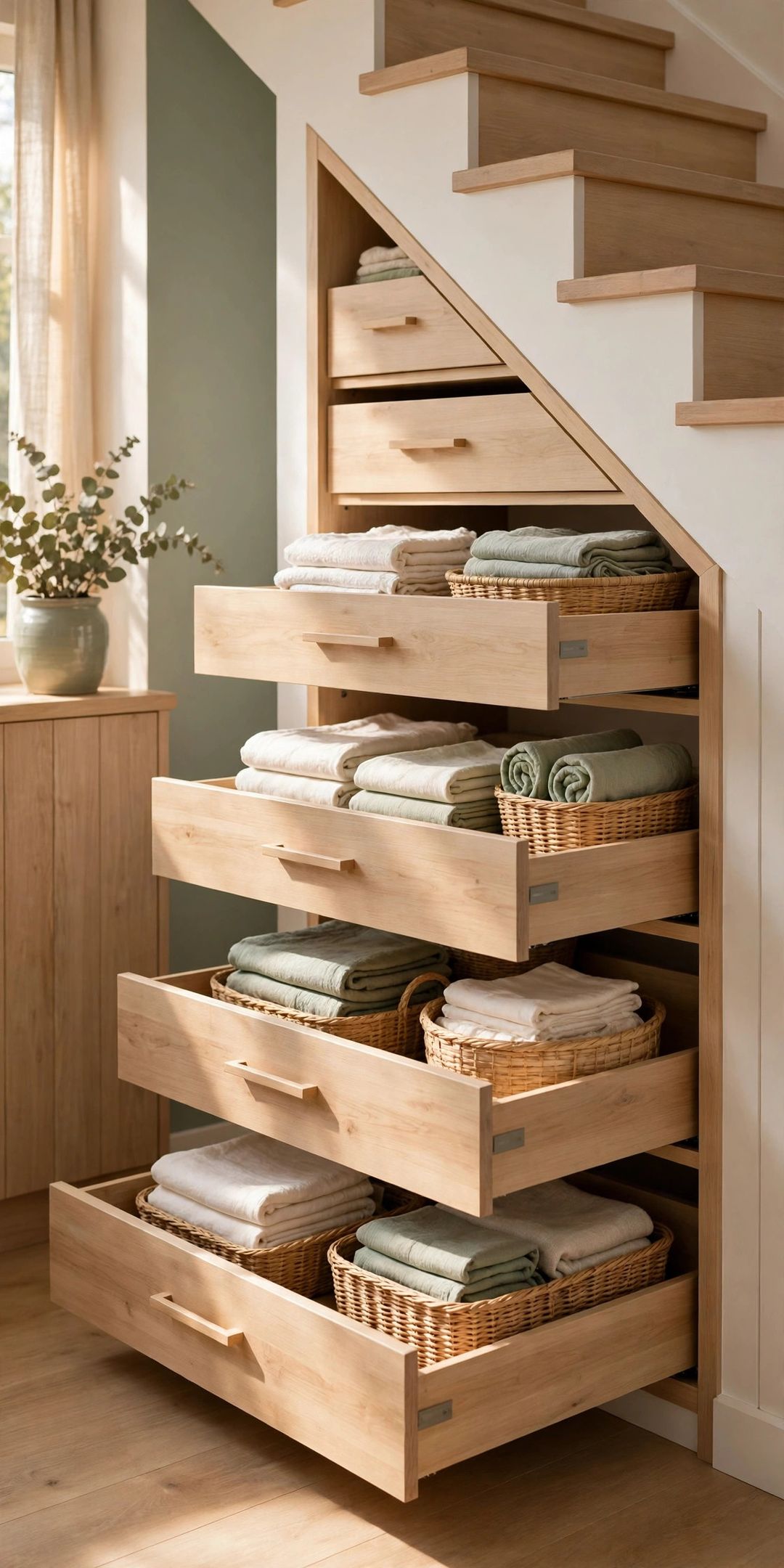
A small home can run out of shelf space long before it runs out of books. Paperbacks spread across the coffee table, cookbooks crowd the kitchen counter, and the keep pile grows in a corner because there is no bookshelf to receive it.
These book storage ideas for small spaces spread books across walls, closets, furniture, and baskets instead of asking one bookcase to do everything. Each idea notes weight limits and where books stay dry, so the collection stays safe.
Walls, Doors, and Closets
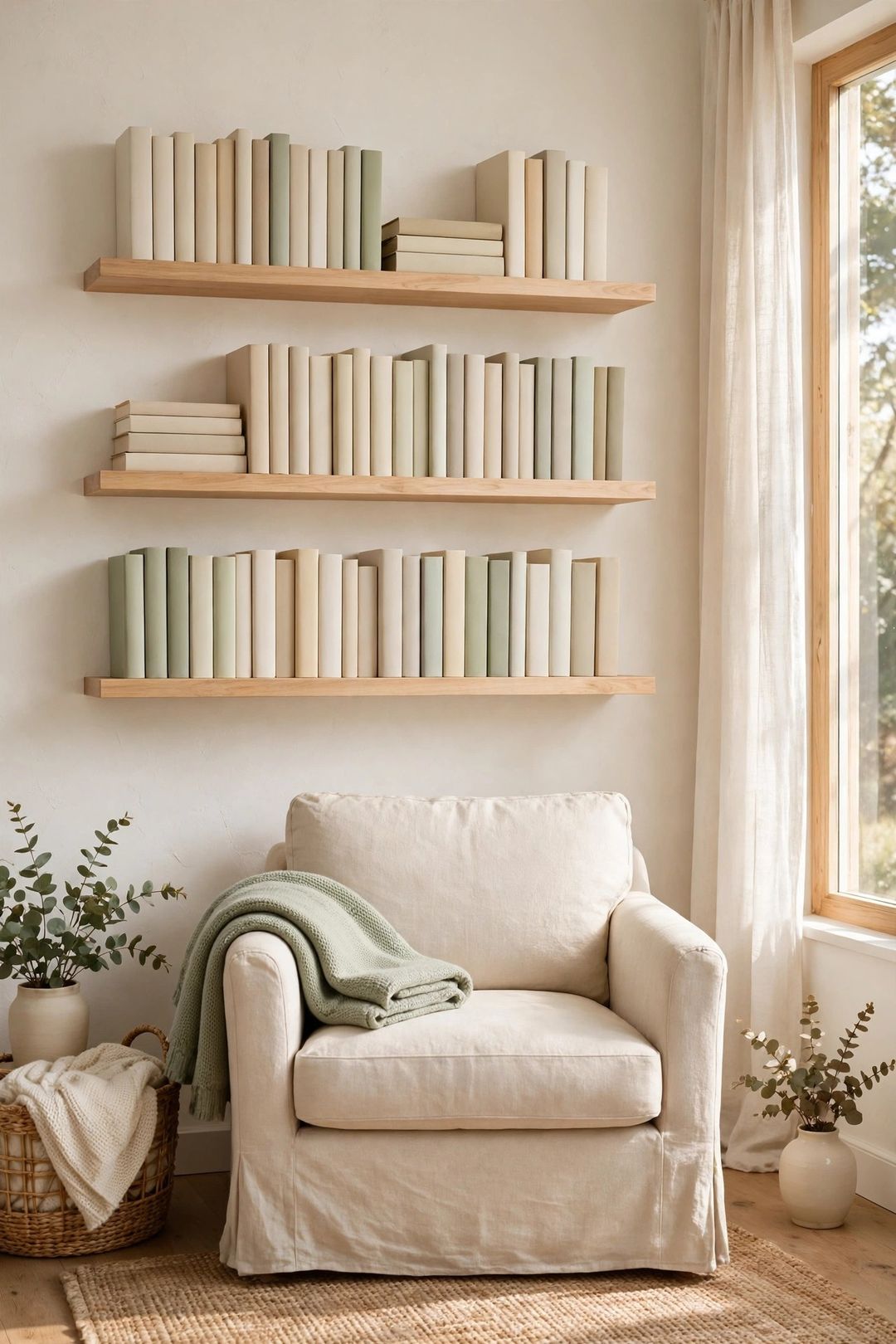
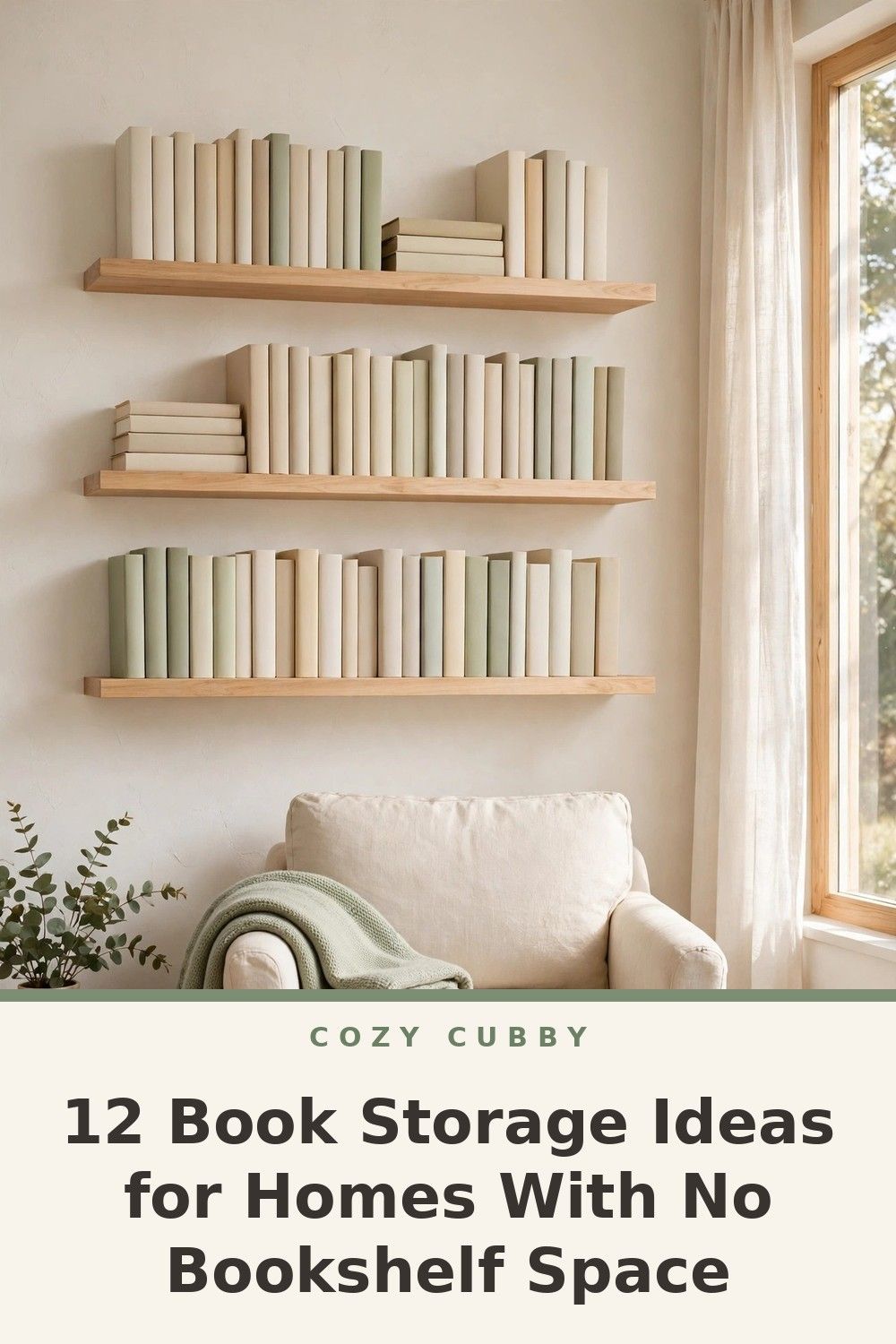
1. Shallow wall ledges for a front-facing row. Narrow picture ledges hold books with covers facing out, which suits current reads, art books, or children's favorites. Ledges use only a few inches of depth. Anchor them into studs, since a full ledge of hardcovers is heavier than it looks.
2. Over-door racks for paperbacks and light books. A rack that hangs over a bedroom or closet door adds several shallow shelves in wasted space. It suits paperbacks and light hardcovers best. Keep heavy books low, check that the door still closes, and add pads if the frame marks the door.
3. One closet shelf section set aside for books. Dedicating one end of a closet shelf to books, held upright with sturdy bookends, turns hidden space into a small library. The door keeps dust and sunlight off covers. Avoid the closet floor, where damp is more likely.
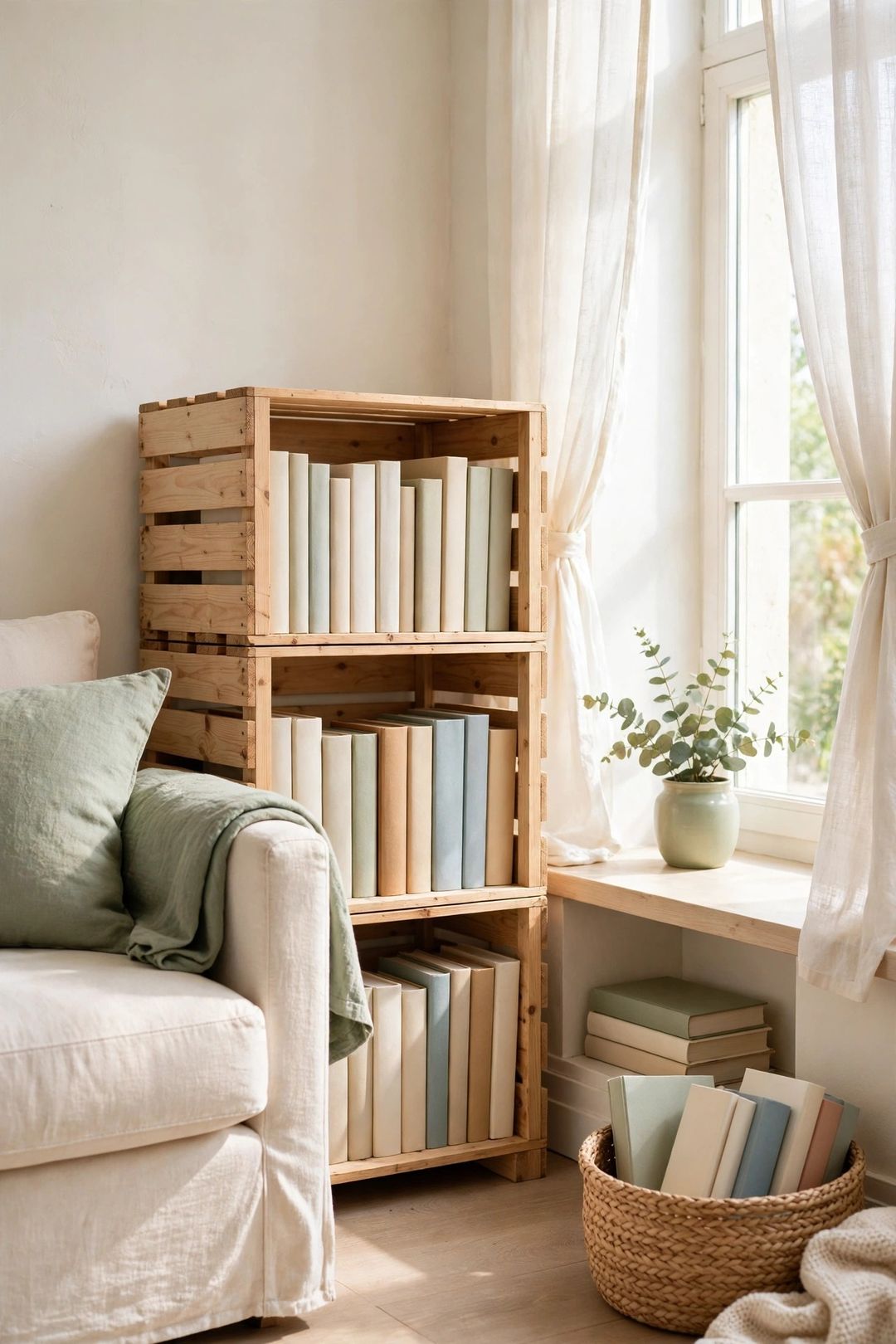
4. Wooden crate cubes stacked in a corner. Sturdy crates stacked two or three high, or placed side by side, make flexible cubbies that can move when the room changes. Keep stacks low and wide, since books add serious weight, and check crates for rough edges first.
Furniture That Stores Books Too
5. A tidy book stack that works as a side table. A short, neat stack of large hardcovers beside a sofa or bed can hold a lamp or a phone on top. Keep the stack low, even, and out of walkways so it reads as furniture, not clutter. Rotate any book that starts to lean.
6. Low under-bed bins for the backlist. Flat, lidded bins slide under the bed and hold books that are kept but not read weekly. Lids matter, because under-bed space collects dust fast. Choose a dry bedroom and label each bin clearly.
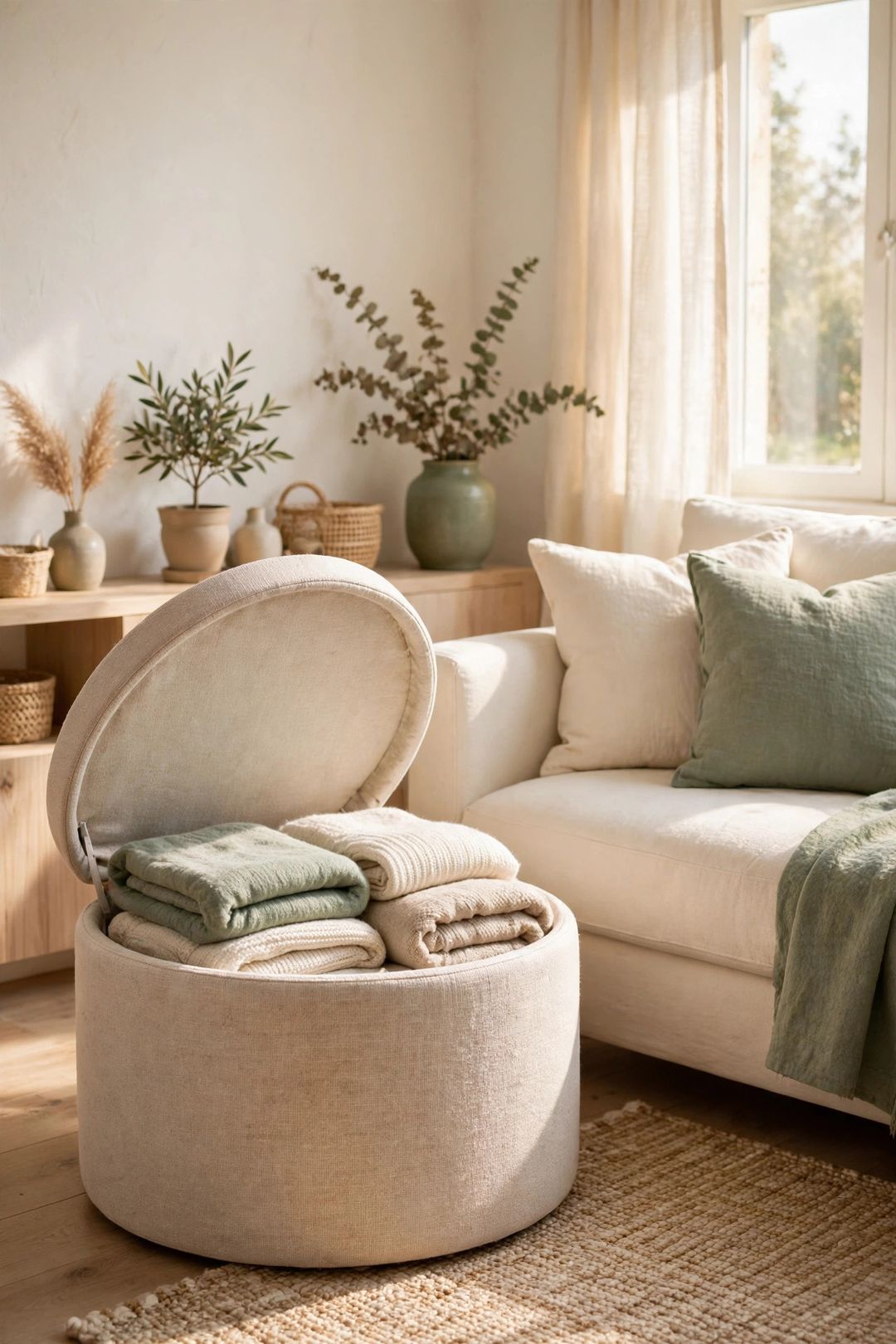
7. A storage bench or ottoman with books inside. A hinged bench at the foot of the bed hides a row of books while adding seating. Stand books upright if the depth allows, rather than piling them flat. Do not overload the base.
8. A narrow rolling cart as a movable mini library. A slim three-tier cart holds a surprising number of paperbacks and rolls from bedroom to living room. The top tier suits the current book, and lower tiers hold the next in line. Spread weight evenly, since a cart tips if loaded on one side.
Small Collections in the Rooms Where They Are Used
9. Kids' books in low, open baskets. A wide basket on the floor or a low shelf lets young children see covers, pull a book out, and put it back without help. Front-facing storage works better for picture books than a tight row of spines. Keep one basket per room.
10. Cookbooks on a kitchen shelf or stand. A short row of cookbooks on one kitchen shelf, plus a countertop stand for the book in use, keeps them where cooking happens. Keep books away from steam, splashes, and stove heat, which can warp covers and loosen glue. Only the most-used titles earn counter space.
11. A rotating library with a strict in-and-out rule. Keep a small active set out on ledges and carts, and store the rest in labeled bins in a dry closet. Swap the set monthly. When a new book joins the set, another one goes back to storage.
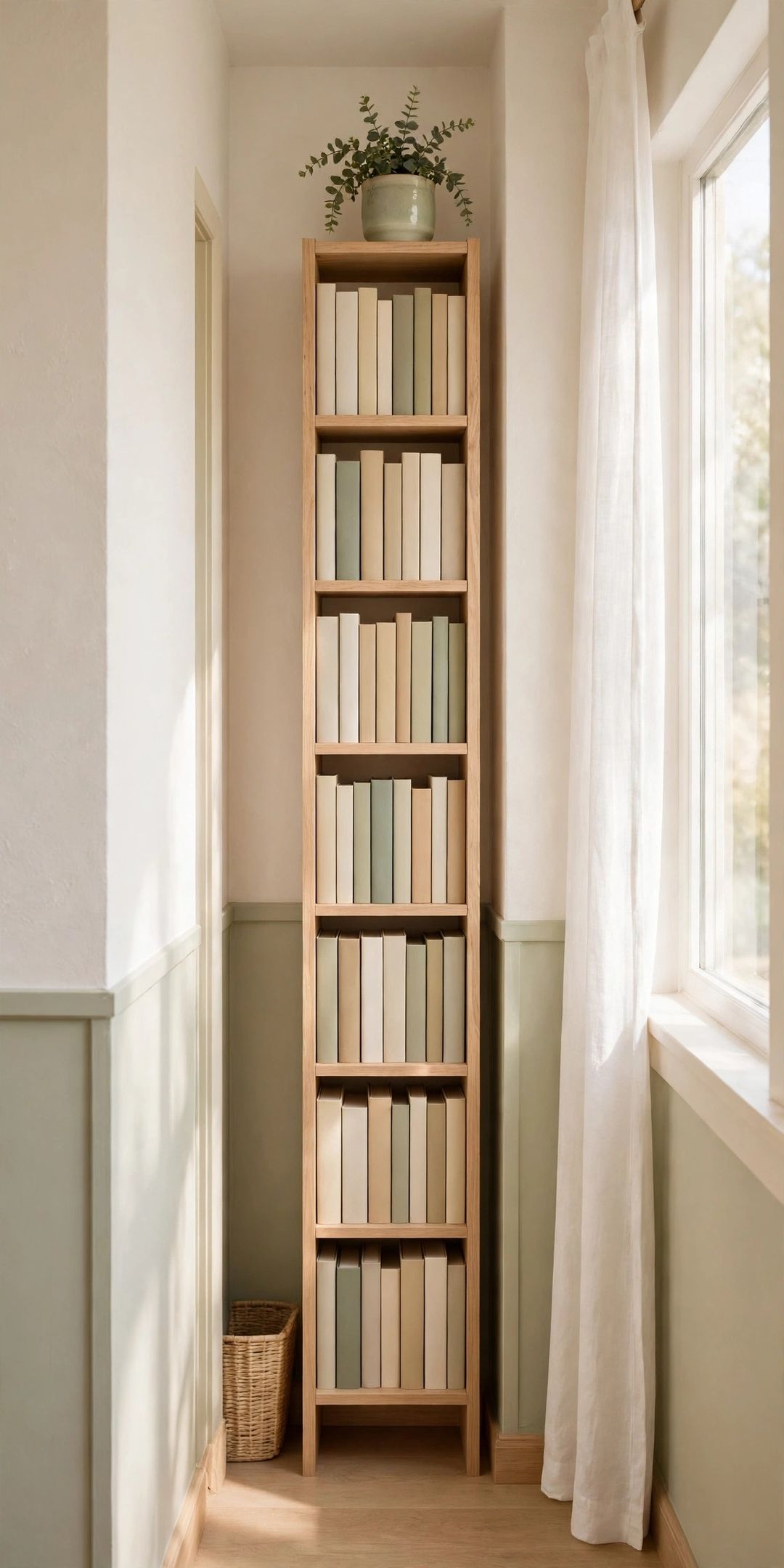
12. Vertical spine stacks in dead corners. A tall, narrow stack or a vertical divider box in an unused corner, beside a desk, or between furniture uses a footprint only one book wide. Dividers stop the lean that bends covers. Keep stacks stable and out of walkways.
What to Buy
Shallow picture ledges, typically $12–$25 each. Pro: They use very little depth and show covers clearly. Con: They hold a limited row and need solid fixings for heavy books. Skip if: Walls cannot take fixings, or the collection is mostly deep hardcovers.
Low lidded under-bed bins, typically $10–$20 each. Pro: They use dead space and keep dust off stored books. Con: They are awkward to browse, so they suit stored books, not daily reads. Skip if: The room is damp or the bed frame sits too low.
Sturdy wooden crates, typically $10–$18 each. Pro: They stack, move, and change shape as the collection grows. Con: Quality varies, and weak crates flex under a full load. Skip if: There is no safe corner to keep a stack low and stable.
A narrow rolling cart, typically $20–$35. Pro: It moves between rooms and holds daily reads at arm height. Con: It tips if loaded unevenly with heavy hardcovers. Skip if: Floors have thick rugs or steps that block the wheels.
Heavy bookends, typically $10–$20 a pair. Pro: They turn any shelf section or tabletop into book storage. Con: Light decorative pairs slide under a full row of hardcovers. Skip if: Books will sit on ledges or in crates that hold them upright already.
Mistakes to Avoid
- Storing books in damp places. Basements, garages, and damp closets can leave books musty or warped. Choose dry, indoor rooms with steady air.
- Overloading wall ledges and over-door racks. Books are heavier than decor. Respect the fixing and the rated load, and keep heavy hardcovers low.
- Stacking books too high or unevenly. Tall, leaning piles bend covers, stress spines, and fall. Keep stacks short, even, and out of walkways.
- Piling books flat in deep bins for long storage. Weight presses on the bottom books for months. Store upright where possible, and avoid packing bins too tight.
- Keeping every book on display. Surfaces fill fast in a small home. A rotating active set keeps rooms clear while the full collection stays safe.
Frequently Asked Questions
How can books be stored long term without a bookshelf?
Store them upright in lidded bins or on a closet shelf in a dry room. Keep bins off damp floors, label them by type, and check a few times a year for musty smells or warping.
Is under-bed book storage safe for books?
It can be, in a dry bedroom with lidded bins that keep dust out. It is a poor choice in damp rooms or where floors get cold and wet in winter. If a bin comes out smelling musty, move the books to a closet shelf instead.
How much weight can a wall ledge hold?
It depends mostly on how the ledge is fixed to the wall. A ledge anchored into studs holds far more than one on weak fixings. Keep rows short, spread them across more ledges, and keep heavy hardcovers lower.
What is the best way to store kids' books?
Low, open, front-facing storage works best: a basket, a shallow ledge, or a small crate at child height. Children choose by cover, not by spine, and a spot they can refill alone stays tidy longer.
Small homes do not need fewer books. They need books spread across ledges, closets, carts, and baskets, with dry spots for the keepers. Save this post to your Small Space Storage board on Pinterest so the ideas are handy at your next tidy-up.