Boots take up more room than any other shoes. They are tall, heavy, and often wet or dusty when they come in the door. Left in a heap, pairs get separated, shafts fold over, and the pair you need is always at the bottom.
These boot storage ideas for entryway and closet split the job in two. Daily pairs get an easy spot near the door, and extra or off-season pairs get a protected spot in the closet. Tall boots get their own fixes, so the shafts stay upright instead of creasing.
Start by counting your pairs and measuring the tallest shaft. That one number decides which boxes, cubbies, and racks will actually fit before you buy anything.
Entryway Spots for Daily Pairs
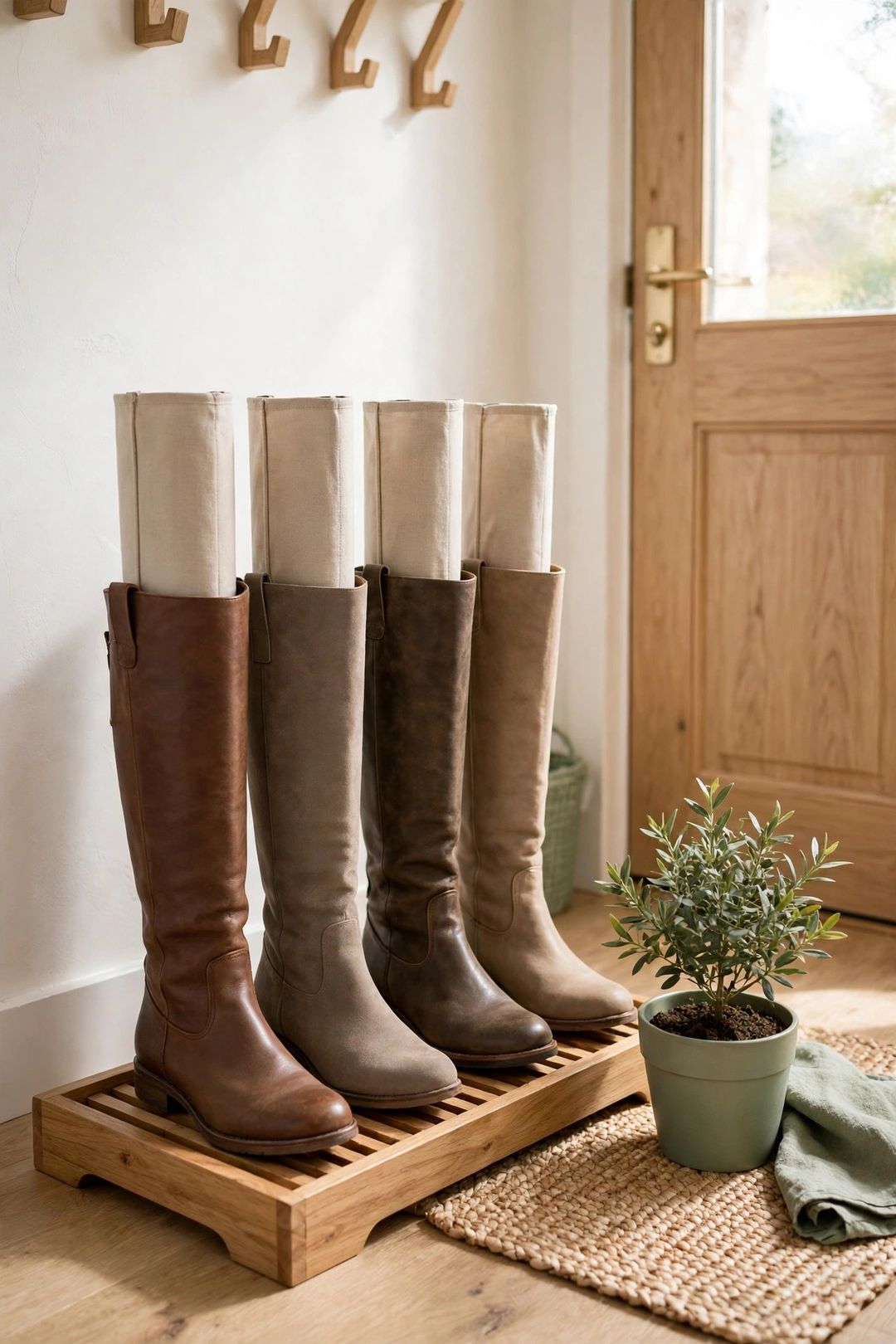
1. A low boot tray by the door. Best for the pairs worn every day. A tray with a raised lip catches meltwater, mud, and grit in one place you can rinse. Choose one long enough for two or three pairs, and keep it only for boots that are still damp.
2. Open cubbies or crates at floor level. Best for ankle and mid-calf boots in busy entryways. One pair per cubby keeps pairs together and lets air move around them. Measure height first — many shoe cubbies are too short above the ankle.
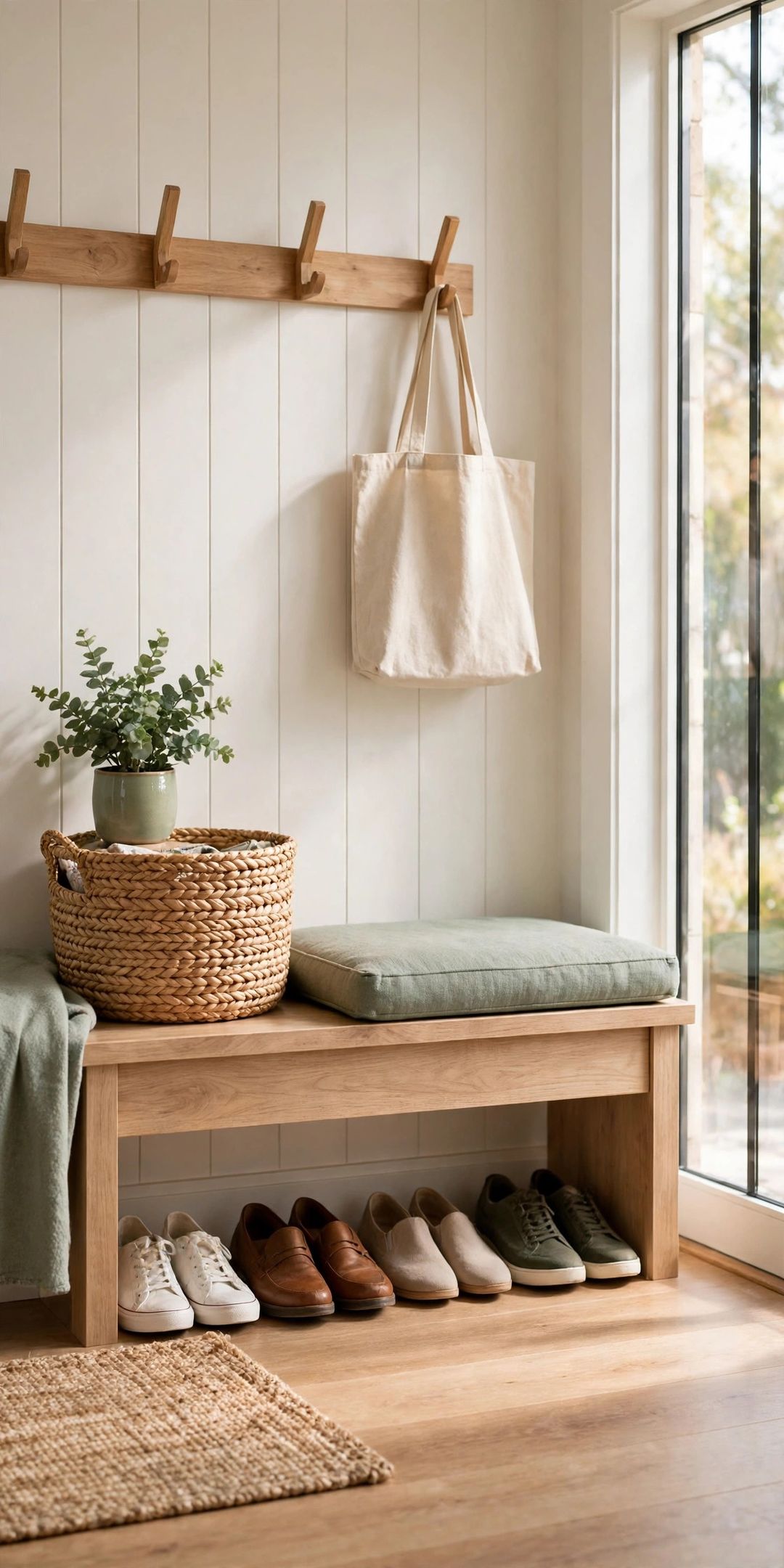
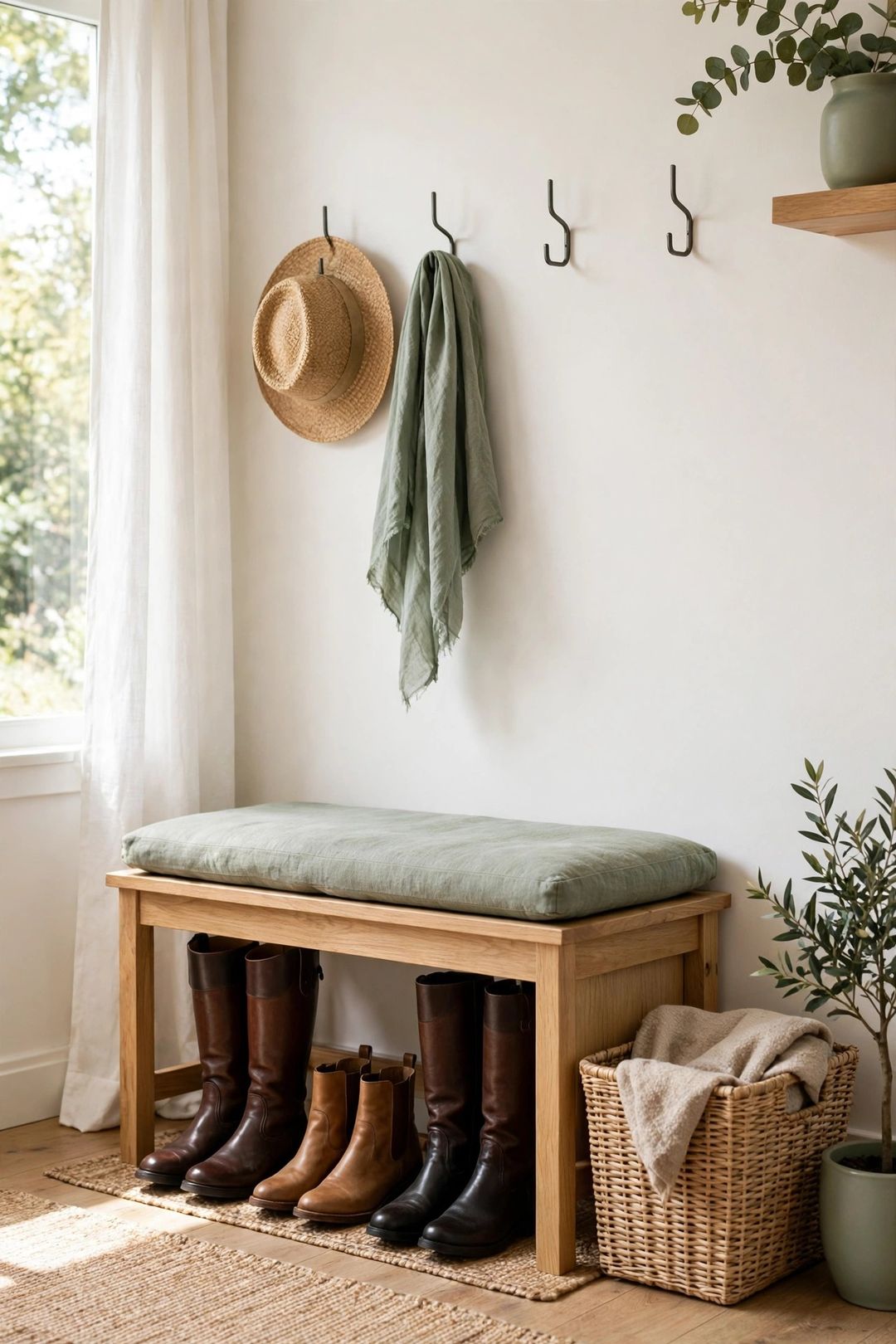
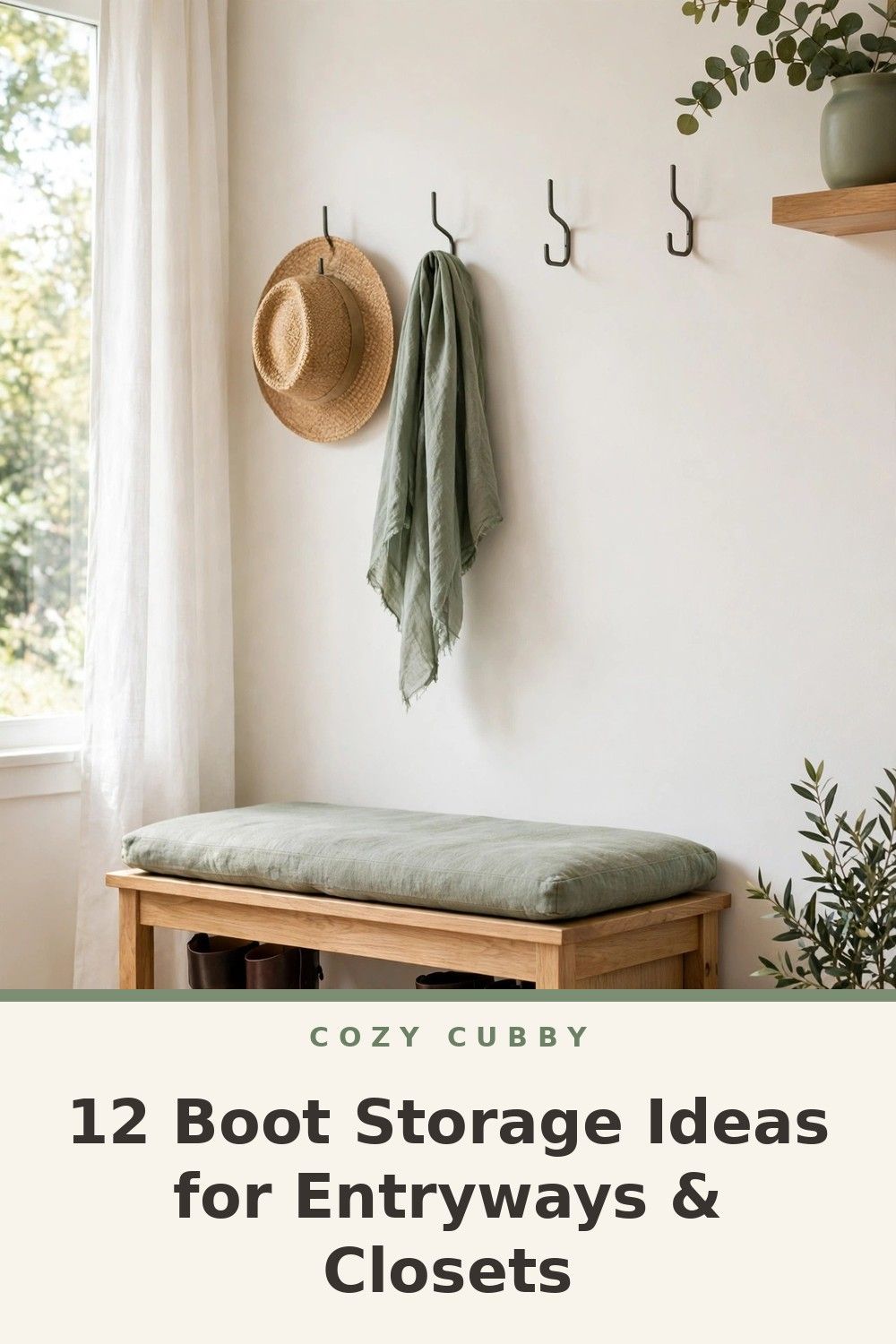
3. A storage bench with boot space underneath. Best for small entryways that need seating and storage in one piece. Sit to pull boots on, then slide them into the open space below. Leave that space open, not doored, so damp boots can dry instead of staying sealed in.
4. A wall-mounted rack or peg rail. Best for narrow halls with no floor space to spare. Short boots hang by the heel or sit on pegs above the floor, which makes sweeping simple. Fix the rail into studs, because wet boots are heavy.
Closet Storage for Extra and Off-Season Pairs
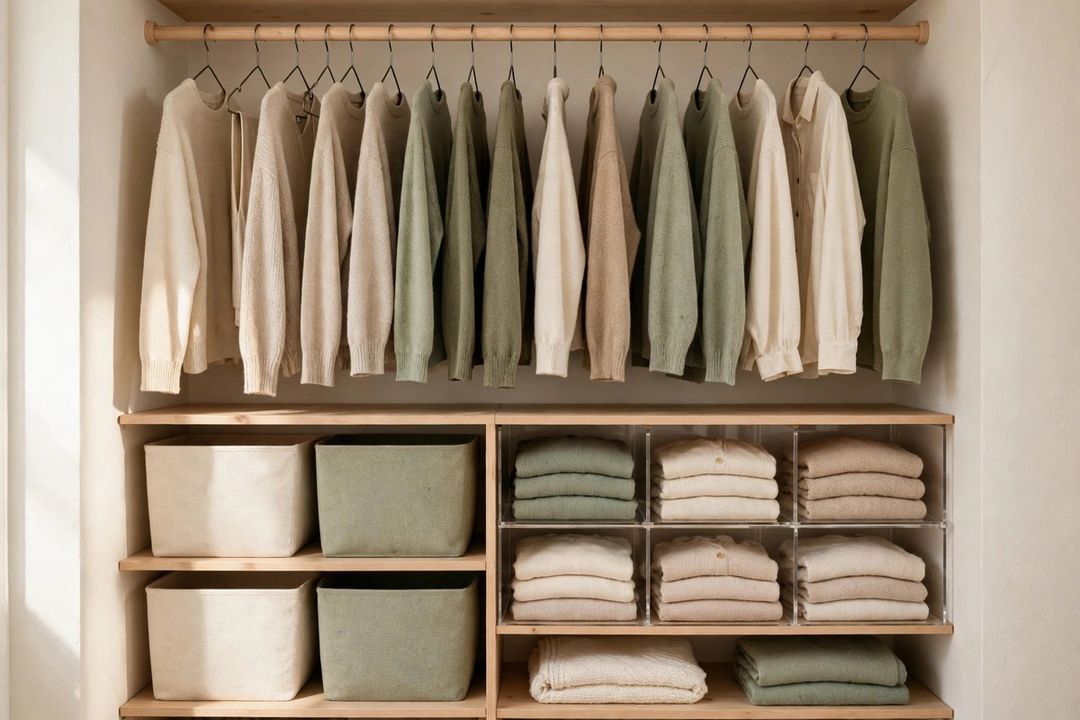
5. Clear, drop-front boot boxes. Best for closet shelves and stacking. You can see the pair inside and pull it out from the front without moving the whole stack. Check the box length against your longest pair before ordering.
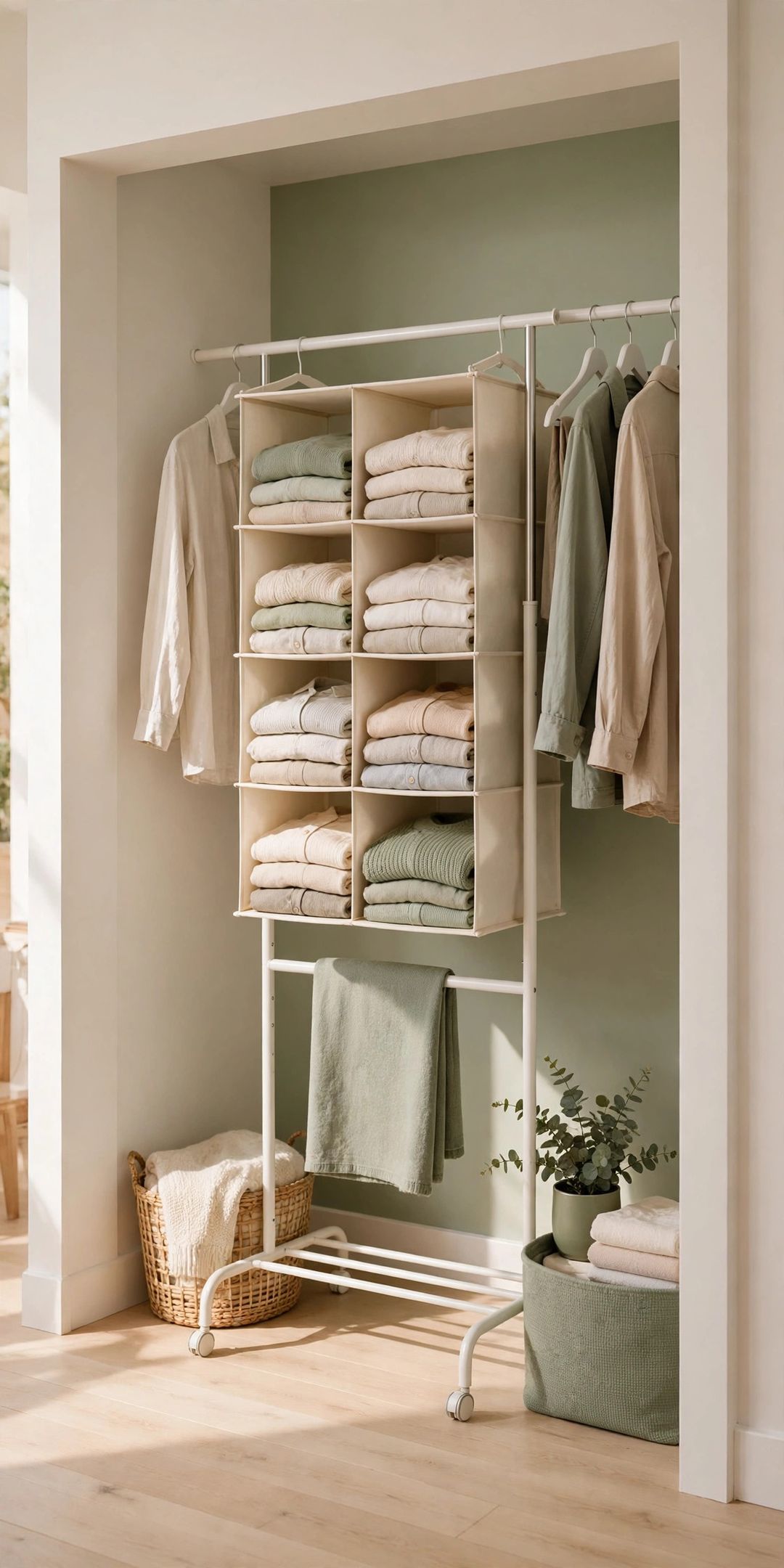
6. A hanging boot organizer on the rod or door. Best for light boots in a closet with spare hanging room. Tall pockets hold one boot per pocket and use empty vertical space. Skip this for heavy work boots, which can stretch the pockets out of shape.
7. A long, flat box under the bed. Best for off-season pairs in a small home with no closet floor space. Boots lie on their sides with a soft cloth between them to stop scuffs. Label the end of the box so pairs are not forgotten.
8. An adjustable boot rack on the closet floor. Best for pairs you rotate often. A simple frame holds pairs in two neat rows under hanging clothes. Leave space between pairs for air, and keep the rack away from direct heat, which can dry out leather.
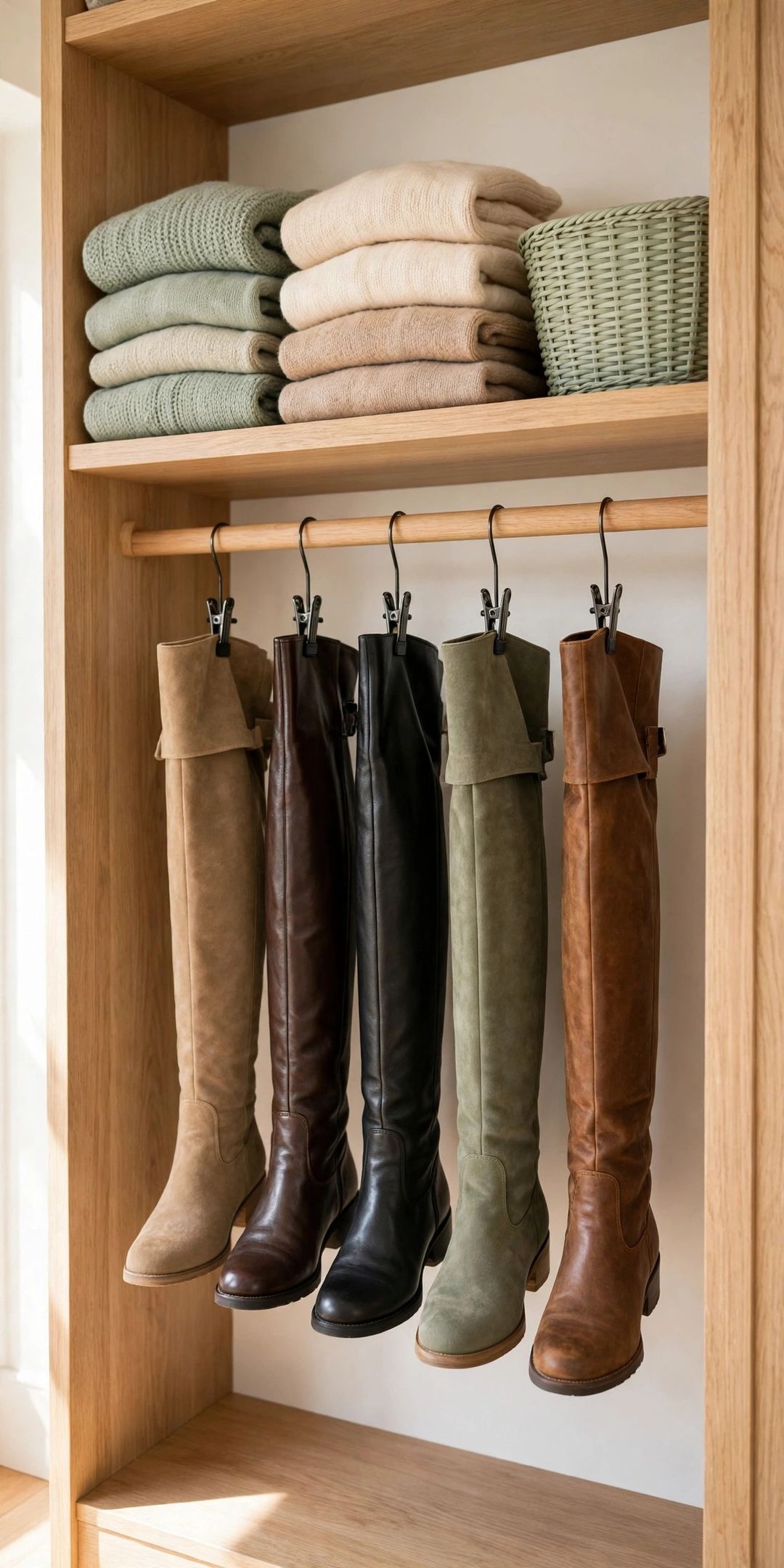
Tall Boots: Keep Shafts Upright and Uncreased
9. Firm boot shapers or inserts. Best for tall leather and suede boots stored standing up. A shaper fills the shaft, holds it round, and stops the fold that turns into a permanent crease. Pick the height closest to your tallest shaft so the top does not flop over.
10. Hang tall boots by padded clips. Best for saving floor space and keeping shafts straight. A hanger with two padded clips grips the top of each pair and hangs from a closet rod. Padding matters, because bare clips can mark soft leather.
11. Store tall boots upright in divided boxes. Best for pairs you want protected from dust and knocks. A tall box with a divider keeps the two boots from rubbing, and the box itself holds the shafts up. Store boxes upright, never stacked on their sides under weight, or the shafts bend inside.
12. Use simple DIY shaft supports. Best for a low-cost fix. A clean foam pool noodle cut to shaft height, or a rolled magazine in a clean sock, can hold a shaft open. The drawback is fit: loose rolls slip down, so cut supports slightly taller than the shaft.
What to Buy
A lipped boot tray, typically $15–$30. Best for daily entryway pairs. Pro: It protects floors from water and mud and rinses clean. Con: It only holds two or three pairs, so it is a landing spot, not full storage.
Clear drop-front boot boxes, typically $25–$45 for a small set. Best for closet stacking. Pro: Pairs stay visible, dust-free, and easy to reach. Con: Tall sizes cost more, and cheap plastic can crack at the hinges.
Boot shapers or inserts, typically $10–$22 per pair. Best for tall boots. Pro: They prevent shaft creases and help boots stand on their own. Con: You need a set for every tall pair you store upright at the same time.
A padded-clip boot hanger, typically $12–$20. Best for saving closet floor space. Pro: Hanging keeps shafts straight and pairs together. Con: It uses rod space, and very heavy boots may be too much for one hanger.
An entryway storage bench, typically $60–$120. Best for small entryways. Pro: It adds seating and hidden floor-level storage in one piece. Con: It is the priciest option here, and enclosed benches trap moisture if boots go in wet.
Mistakes to Avoid
- Storing boots while they are still damp. Trapped moisture can cause odors and damage linings. Let pairs dry fully in the open before boxing or hanging them.
- Letting tall shafts fold over. A folded shaft creases fast and can crack over time. Use a shaper, clip hanger, or upright box for every tall pair.
- Buying boxes without measuring. Boot length and shaft height vary a lot. Measure your longest and tallest pair, then compare with the inside size of the box.
- Piling all pairs in one entryway corner. One heap for every season wastes time and scuffs shoes. Keep daily pairs out and move off-season pairs to the closet or under the bed.
- Storing boots near a heater. Direct heat can dry out and crack leather. Choose a cool, dry spot with some air flow instead.
Frequently Asked Questions
How should tall boots be stored so they do not fall over?
Keep them upright with support inside or outside the shaft. Firm shapers, foam supports, padded clip hangers, and upright divided boxes all work. Hang them if floor space is tight, and box them if dust is the bigger problem.
Should boots be stored in boxes or in the open?
Both work for different jobs. Open trays, racks, and cubbies suit daily pairs that need air to dry. Closed boxes suit clean, dry, off-season pairs. Avoid sealing any pair in a box while it is still damp.
How do you store boots in a small entryway with no closet?
Use one tray or bench for the pairs in current use, hang short boots on a wall rail, and move off-season pairs to an under-bed box. Rotating by season keeps the entryway down to two or three pairs at a time.
Can boots be stored lying down?
Yes, for off-season storage, as long as the shafts are padded and nothing heavy sits on top. Place a soft cloth between the pair, keep them dry, and stand tall boots back up when the season turns.
Pick one entryway landing spot and one closet spot, add support to your tall pairs, and the floor pile is gone for good. Save this post to your Closet Organization board on Pinterest so the measurements and ideas are handy before you shop.