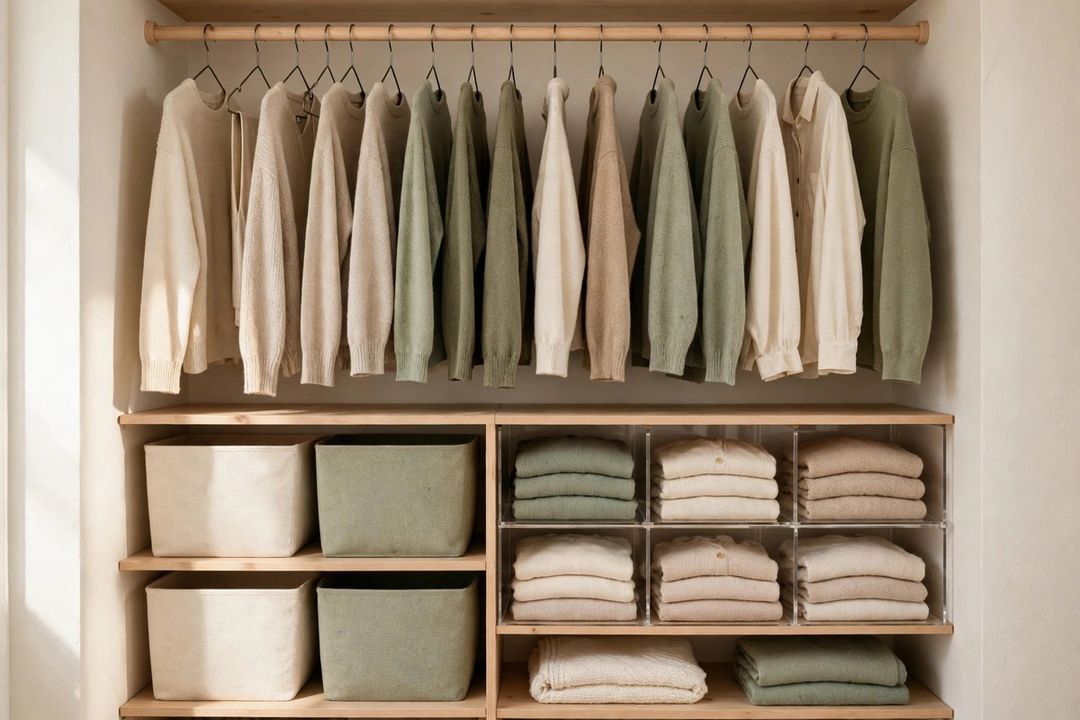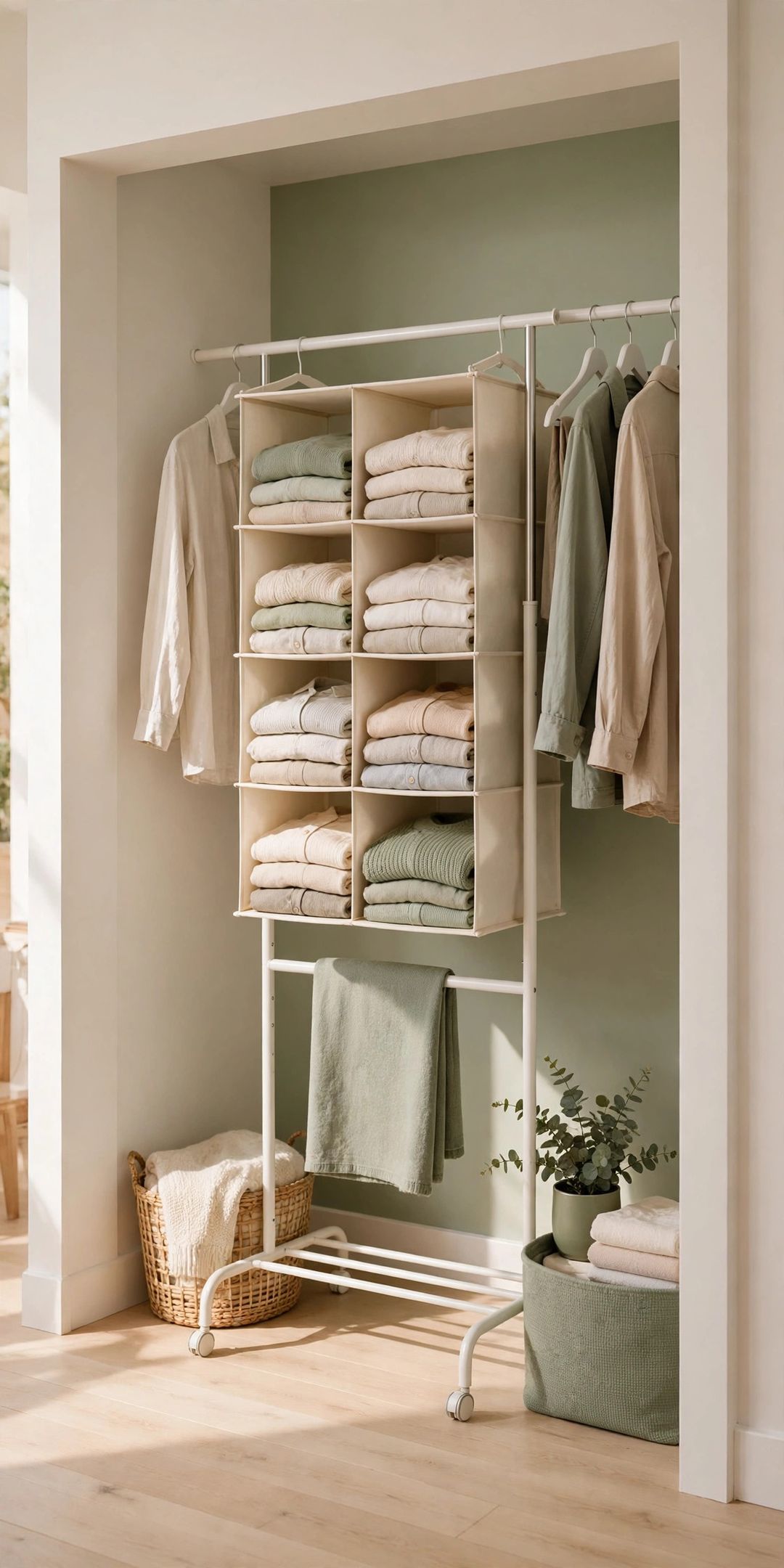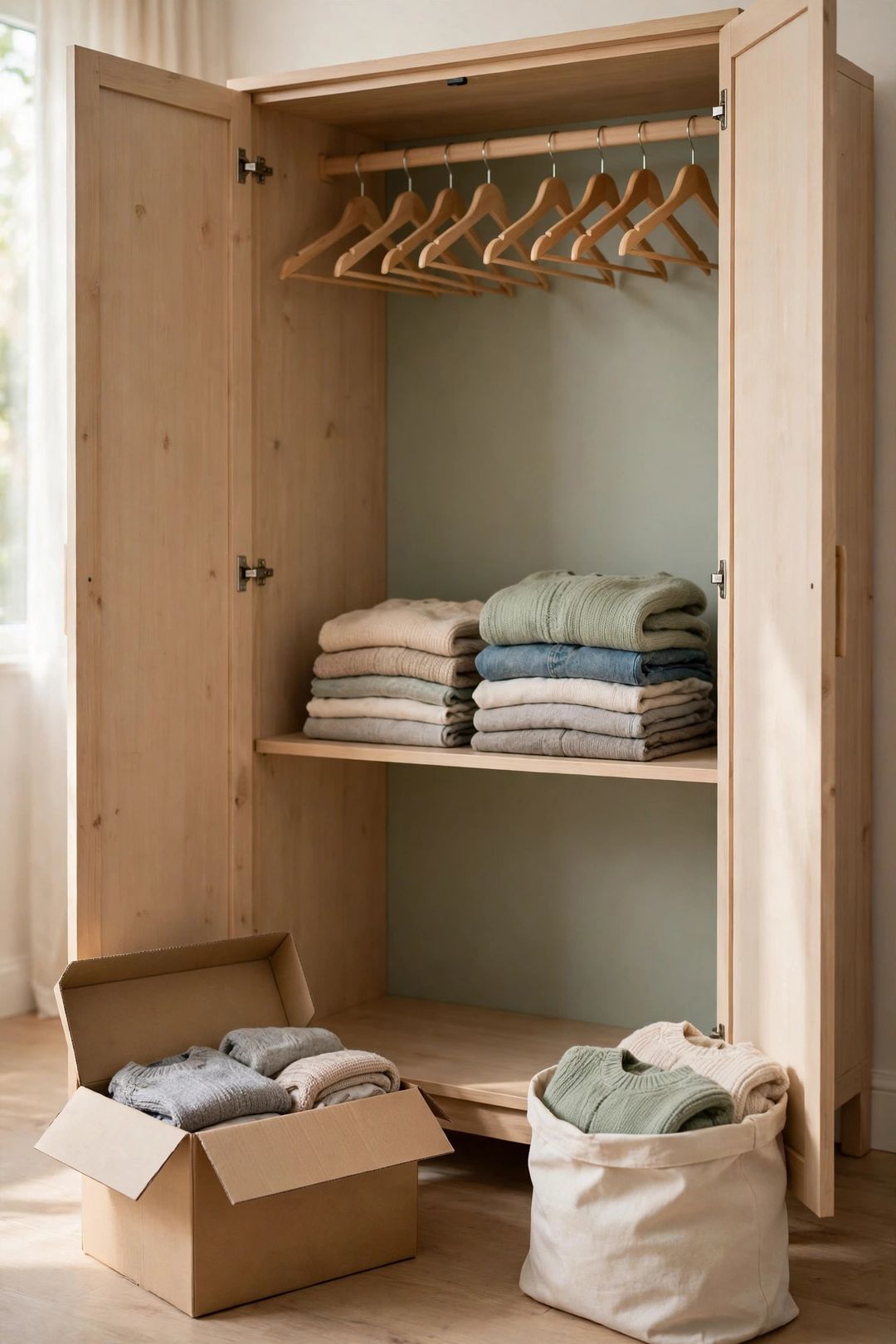
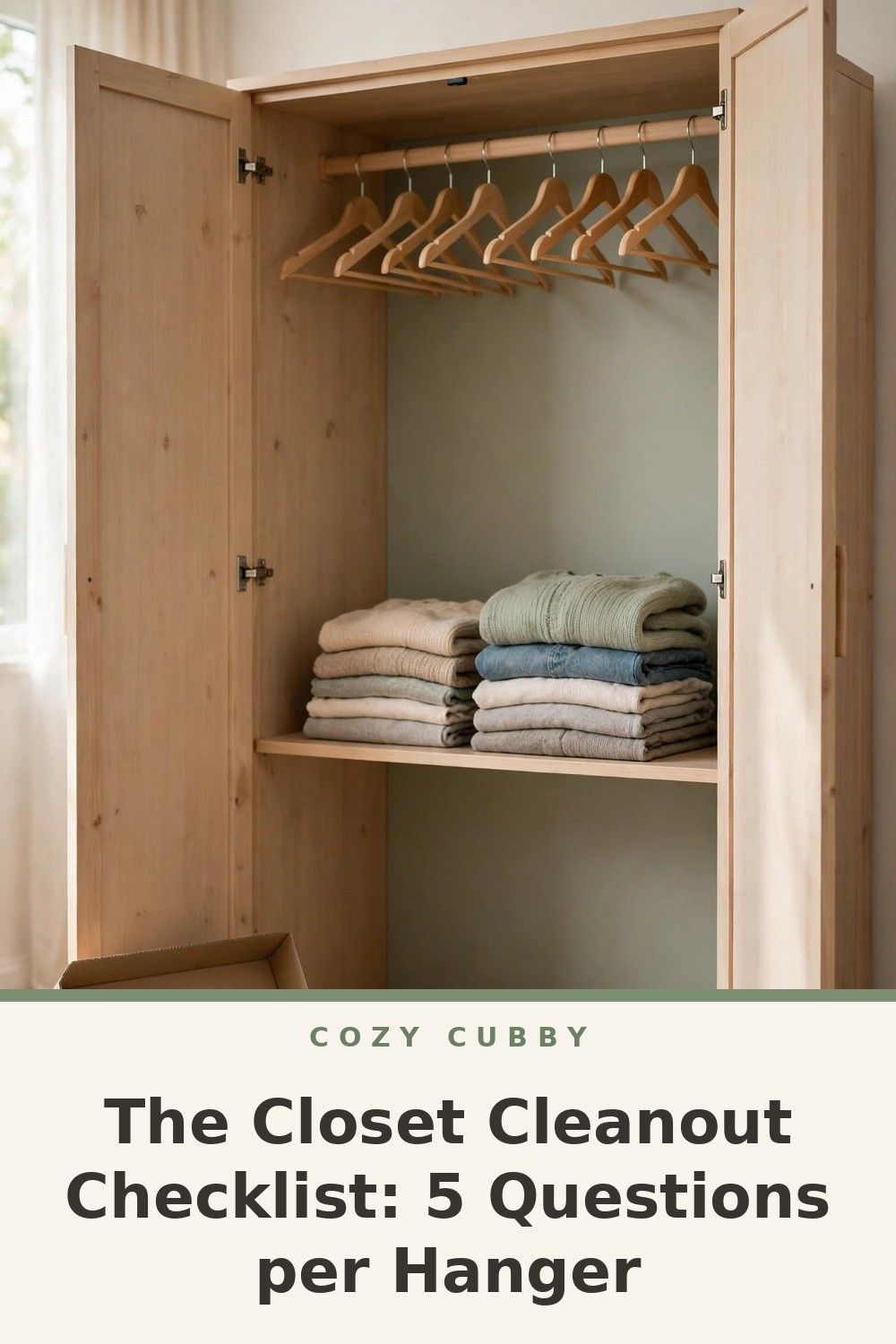
A closet can be full and still leave nothing good to wear. Shirts that almost fit, shoes that hurt, and gifts that never felt right all take prime space. This closet cleanout checklist sorts it all with five honest questions, one hanger at a time.
The method is simple. Take each item off the rail, ask the five questions below in order, and place the item in a pile right away. Do not hang maybes back up. Maybes go in a box with a date, out of the daily closet.
Set aside about 2 hours for a standard closet. Have bags ready before the first hanger moves, so finished piles can leave the room as soon as the sorting ends.
1. Does It Fit Today?
Judge the body and the life you have now, not a past size or a future plan. If an item does not fit today, it cannot be part of a daily wardrobe, no matter how nice it once was.
Be honest about the details. Waistbands that dig in, shirts that pull at buttons, and shoes that pinch will be skipped every morning. Keep one clear goal item if it truly motivates, stored apart from daily clothes. The rest can go to donate or sell.
2. Would I Buy It Again?
Picture the item on a store rack today, at full price, in your current size and budget. If the answer is no, the item is being kept from habit, guilt, or the memory of what it cost.
This question cuts through sunk cost fast. A dress bought for one event, a trend piece that never felt like you, or a sale find with the tag logic of a bargain all fail this test. Let the space go to clothes that would earn a yes.
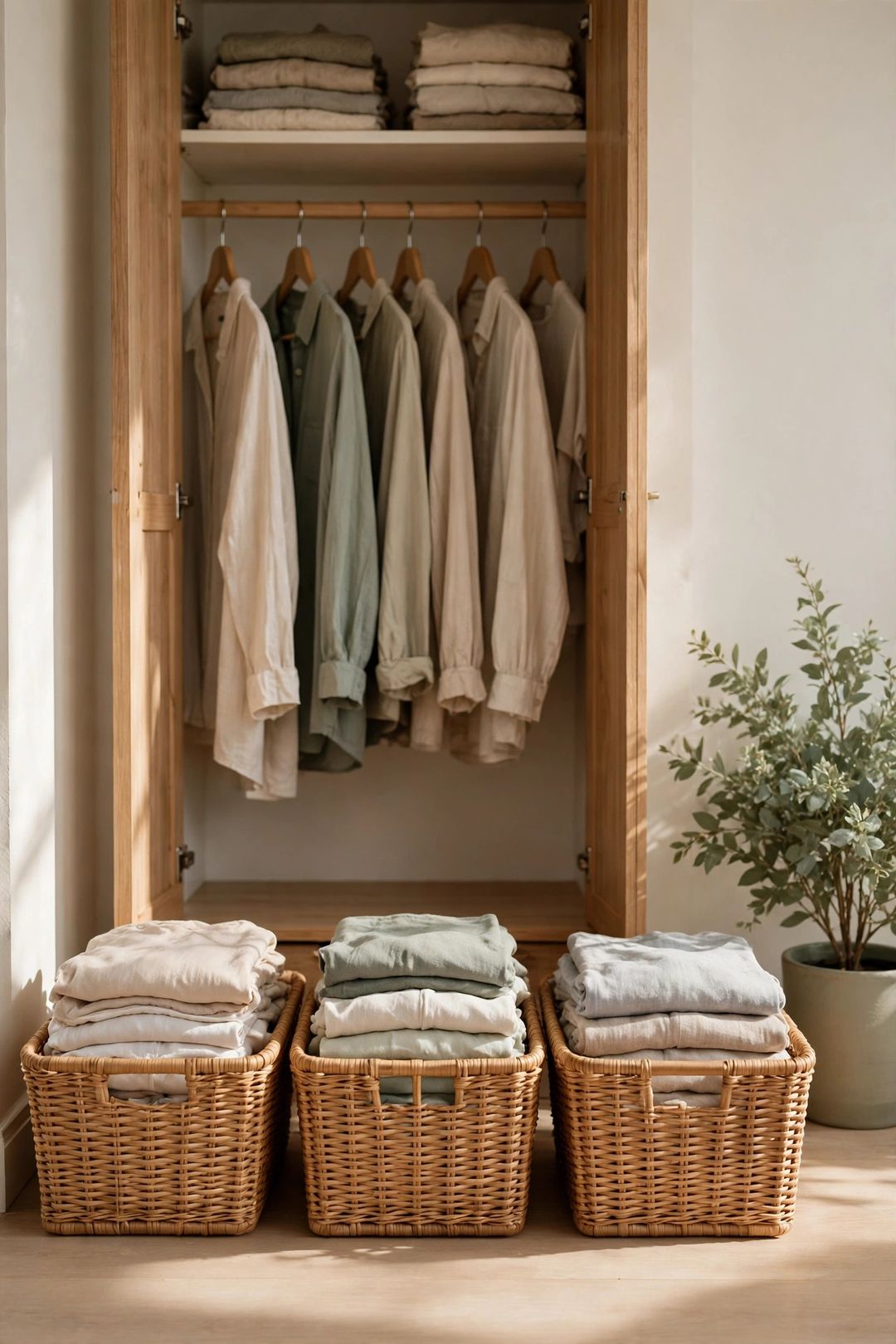
3. Have I Worn It in the Last Year?
Use real wear, not good intentions. Check for clues: dust on shoulders, creases that never softened, or shoes with clean soles. If a full year of seasons, work days, and events passed without it, that is a clear answer.
Give fair exceptions. Formal wear, heavy winter coats, and holiday pieces may be worn once a year and still earn their spot. But if even their one season came and went unused, move them to the donate or sell pile.
4. Does It Work With at Least Three Other Things?
Good closet pieces mix. Hold the item up and name three things it pairs with that are already kept: pants, skirts, shoes, or layers. If no real outfit forms, the item will keep sitting unworn, waiting for a partner that never arrives.
Watch prints, bold colors, and one-event styles here. They are not banned, but they must earn their place with real combinations. An item that only works with something you plan to buy is a no for now.
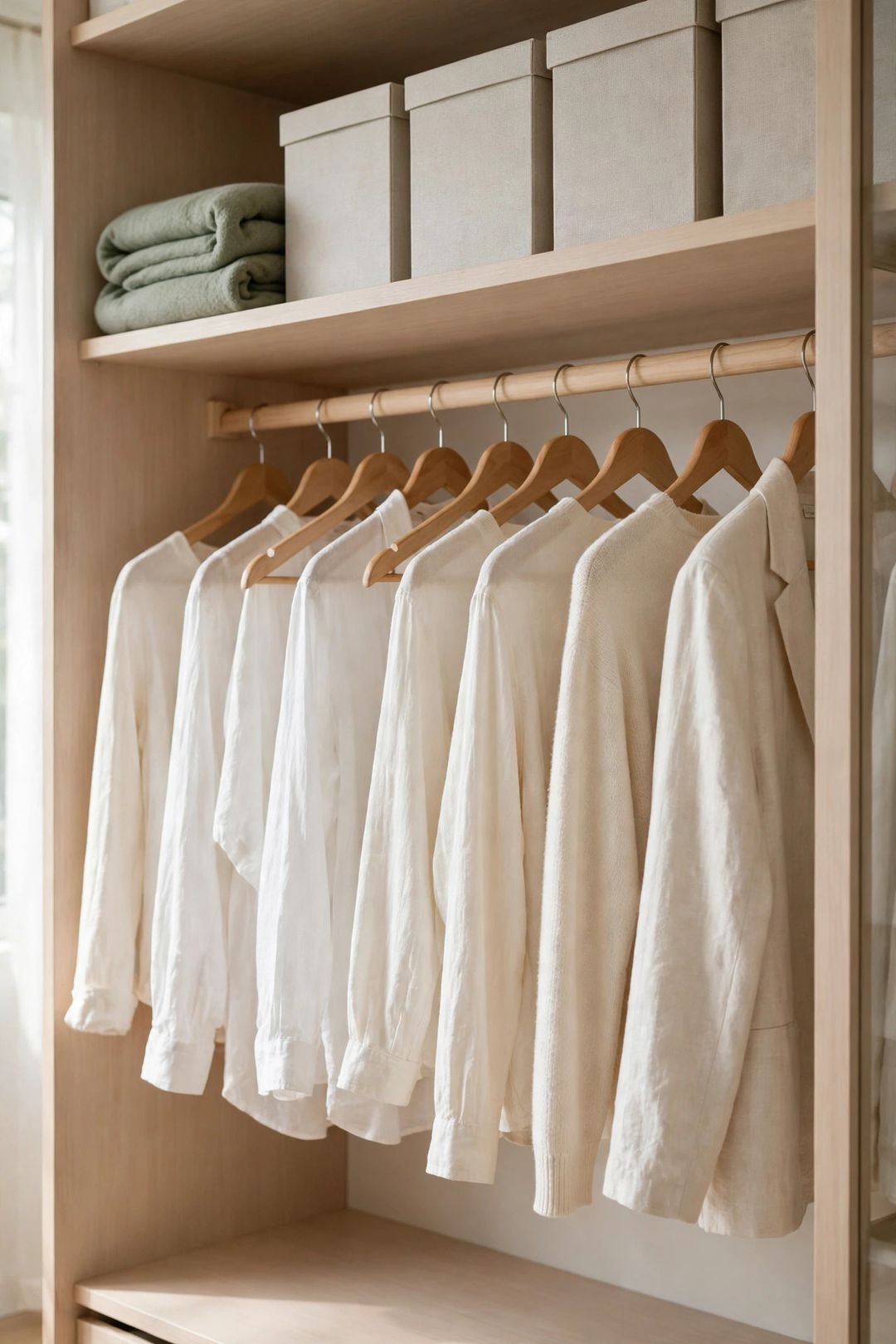
5. Is It in Good Shape, and Would I Repair It This Week?
Check seams, buttons, zips, heels, and fabric. Pilling, stains that never lifted, stretched necks, and worn soles all lower how an item looks, even when the fit is right.
If a repair is cheap and simple, set a real deadline: this week, with a named place or a sewing kit already at home. If that deadline feels unlikely, be honest. Donate what can still be used, sell strong brands in fair shape, and trash what is worn out.
6. Run the Cleanout: Piles, Bags, and Timeline
Sort every item into four piles as the questions are asked. Keep goes back on the rail, grouped by type and color. Donate goes into a bag that leaves the same day. Sell goes into one box, listed within a week or moved to donate. Trash is only for stained, torn, or worn-out items no one can use.
Follow a simple timeline. Spend the first 15 minutes setting up bags and pulling the rail clear in sections. Work the five questions for about 90 minutes. Use the last 15 minutes to bag, label, and carry everything out, then wipe the rail and floor before the keep pile goes back.
What to Buy
Large donation bags, typically $8–$14. Pro: full bags can close and leave the same day, which locks in decisions. Con: thin bags tear under heavy shoes and jeans. Skip if: sturdy boxes are already available for donations.
Clear storage bins with lids, typically $20–$35. Pro: the dated maybe box and off-season clothes stay visible and dust-free. Con: large bins are hard to lift when packed with coats. Skip if: closet shelves are shallow or already hold labeled bins.
Adhesive labels and a marker, typically $6–$12. Pro: sell, donate, and maybe piles stay clear, and dates are easy to check. Con: labels can mark delicate garment bags if stuck on directly. Skip if: masking tape is already on hand and easy to read.
Slim velvet hangers, typically $15–$25. Pro: they stop silky tops slipping and give the rail a neat, even line. Con: they can snap under very heavy coats. Skip if: current hangers are already slim, matching, and in good shape.
Mistakes to Avoid
- Keeping clothes for a different life. A closet built on maybes makes daily dressing harder every morning.
- Trying on everything. Try on only true maybes. Known fits and known failures do not need a full fashion show.
- Making a maybe pile with no date. Undated boxes become long-term storage. Give maybes 30 to 60 days, then donate.
- Sorting without bags ready. Piles with no bags tend to merge, get moved, and quietly return to the rail.
- Stopping before the carry-out. The cleanout is not done until donation and trash bags leave the room.
Frequently Asked Questions
How long does a full closet cleanout take?
A standard single closet takes about 2 hours with bags ready. A shared or packed closet may take 3 hours. Splitting the job by section, such as tops one day and pants the next, also works.
What should go in the maybe box?
Only items that pass most questions but still feel uncertain, like a good coat in an odd color. Seal the box, write a date 30 to 60 days ahead, and donate anything not opened by then.
Is it better to donate or sell?
Donate most items for speed and a clean finish. Sell only pieces with real resale value, clean and in good shape, and set a one-week listing deadline so the sell box does not become storage.
How often should I repeat this checklist?
Twice a year works well, at the change of the main seasons. The five questions get faster each round, and most repeat cleanouts take under an hour once the system is in place.
Save this checklist to your closet board on Pinterest before your next cleanout, and work hanger by hanger until the rail holds only clothes you will actually wear.