A no-buy season is a set time, about three months, when you pause buying new clothes and wear what you already own. It works best when the closet gets sorted first, so the clothes that stay are easy to see and easy to reach.
These closet declutter rules no buy season give you clear decisions instead of guesswork. You will sort by fit and use, pause the unsure items in a maybe box, fix small problems, and move removed clothes out fast.
You do not need a huge closet or a perfect wardrobe. A few honest rules, one sorting session, and a clear end date can make the next three months feel calmer.
1. Set a Clear Start and End Date
Pick a start date and an end date about three months later, and write both down. A season with no end date feels like a ban, but a season with a finish line feels like a plan. Basic needs are the exception. If underwear, socks, or a work uniform item wears out and cannot be fixed, replace that one item and keep going.
2. Sort One Category at a Time
Empty one category at a time, such as all tops, then all pants, then shoes. Laying one group out makes duplicates easy to spot and keeps the job from taking over the whole room. Put each item into keep, maybe, mend, or remove piles as you go. Finish one category before you start the next one.
3. Keep Only What Fits Your Life Now
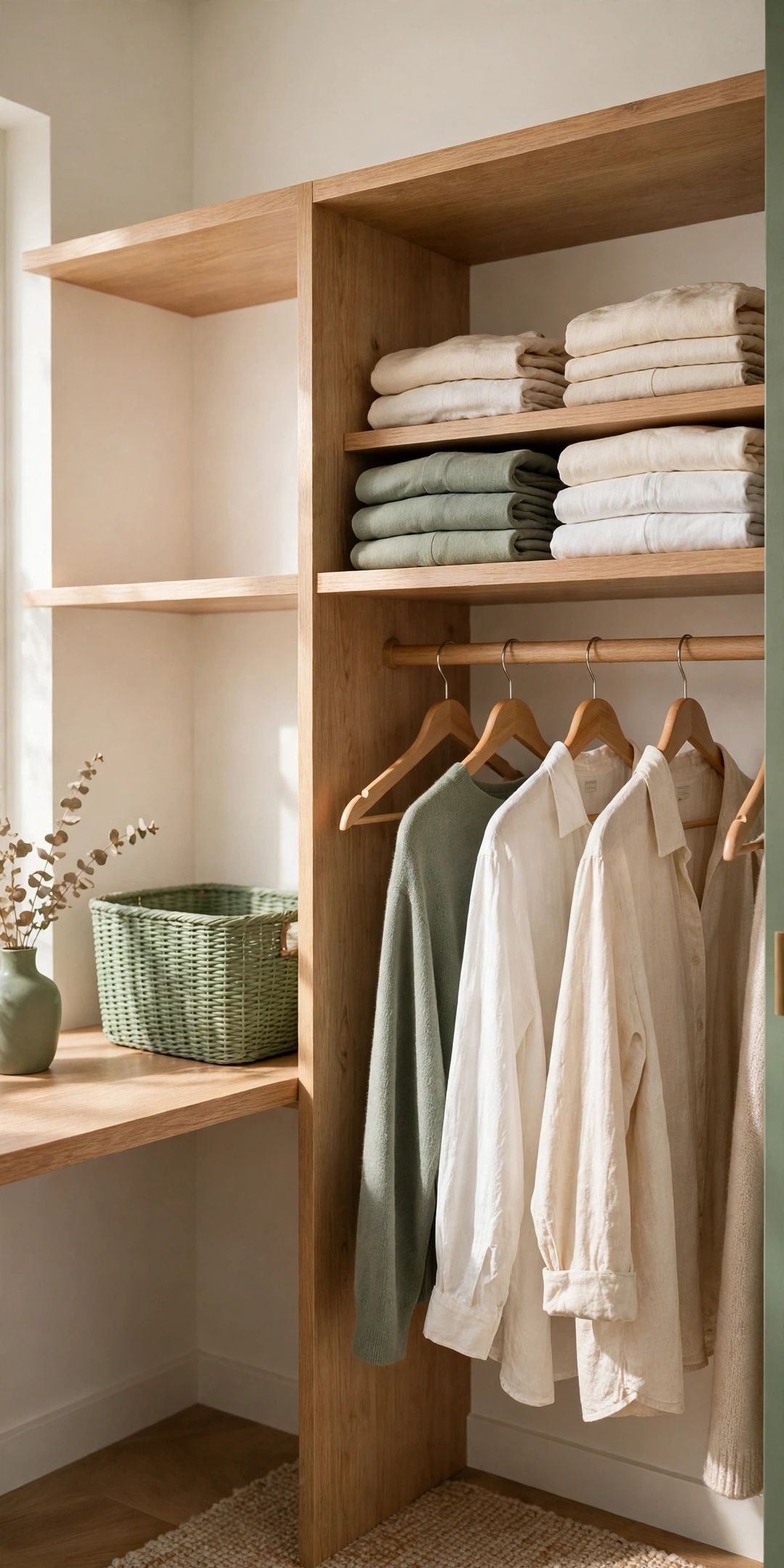
Try on anything you are unsure about. Keep clothes that fit now, feel good for a full day, and match how you actually spend your time. Let go of items kept only for a past size, a past job, or a future event with no date. Closet space is too useful to store clothes for a life you are not living.
4. Use Wear-Count Thinking
Before you keep an item, ask when you wore it last and how often it gets worn in a normal month. If you cannot name a recent time, or it only works with one other piece you rarely wear, it is a strong remove or maybe choice. Clothes you reach for again and again have earned their space. The rest are just taking up hangers.
5. Put the Maybes in One Box
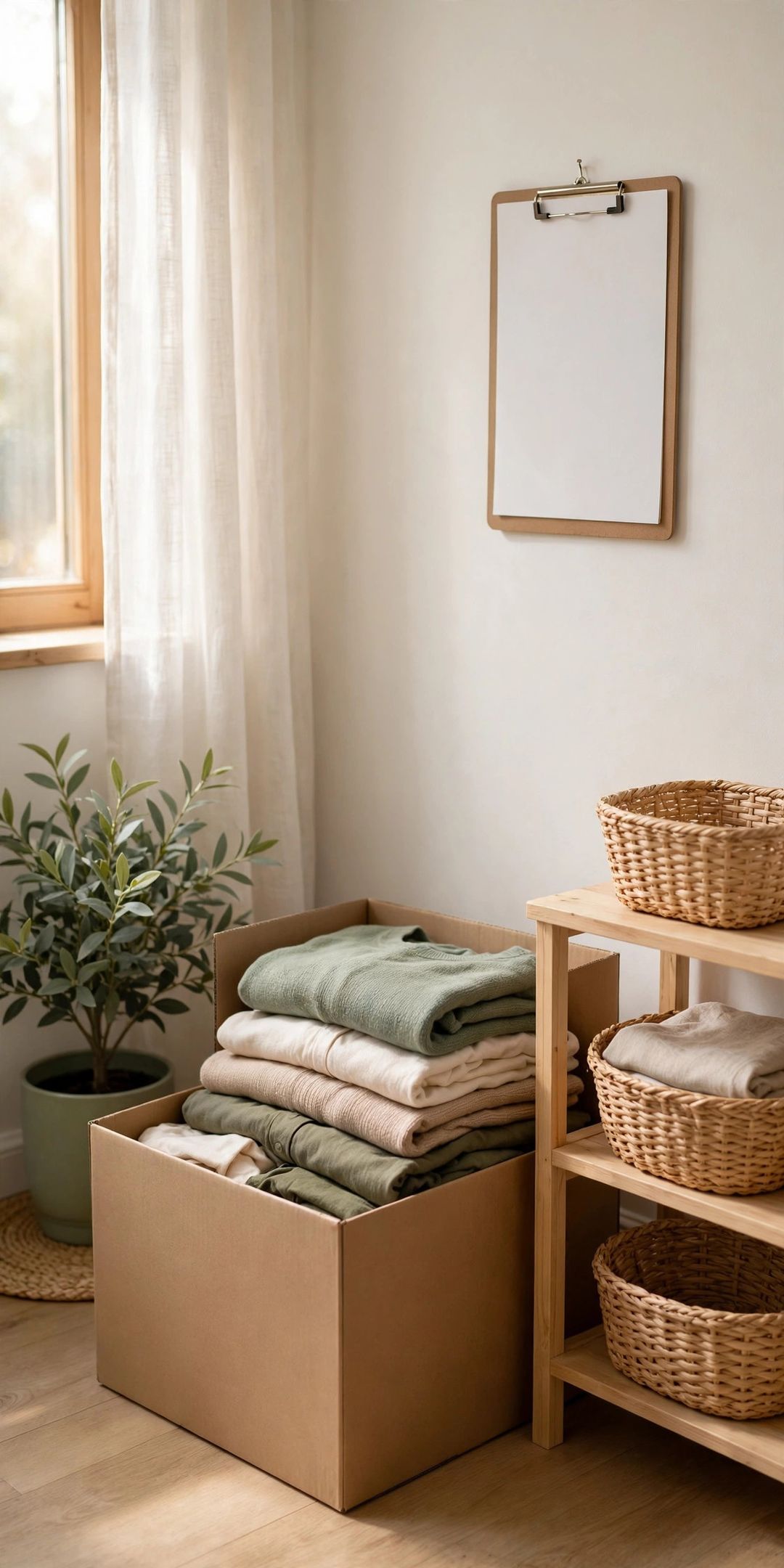
Place every unsure item in one box or bag, close it, and write a review date about four weeks away on the outside. Store it out of daily sight, such as on a high shelf. If you go looking for an item before the date, it can return to the closet. If the date passes and nothing was missed, the whole box can leave without more sorting.
6. Make a Pause List for New Wants
During the season, when you want to buy something, write it on a pause list with the date and where you saw it. Do not buy it that day. Many wants fade within a week or two once they are written down. At the end of the season, read the list with fresh eyes. Keep only the items you still want and still have a clear use for.
7. Mend and Care for What You Keep
Small problems push good clothes to the back of the closet. Set aside one short session to sew loose buttons, fix a small seam, remove pills from knitwear, and clean shoes. Put each fixed item straight back into daily rotation. This rule turns unworn clothes back into real choices, which is the whole point of a no-buy season.
8. Rotate and Rebuild Outfits From What Stays
Move the clothes you wear least to the front for a few weeks, and build outfits around them. Pair a forgotten top with your most worn pants, or wear a skirt with a different layer. Rotating what you own reveals new combinations at no cost, and shows which kept items still never get picked.
9. Give Every Kept Item a Clear Home
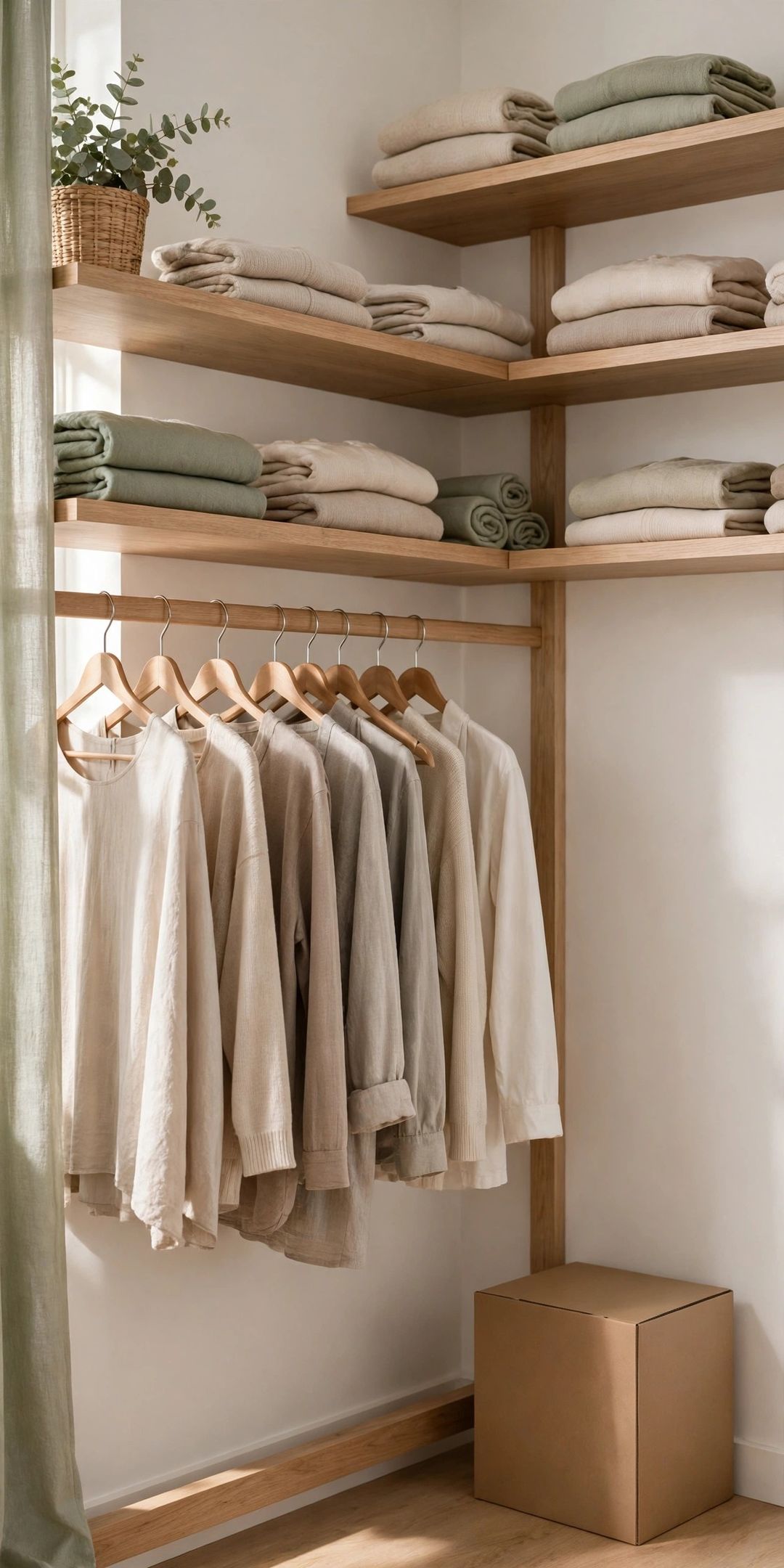
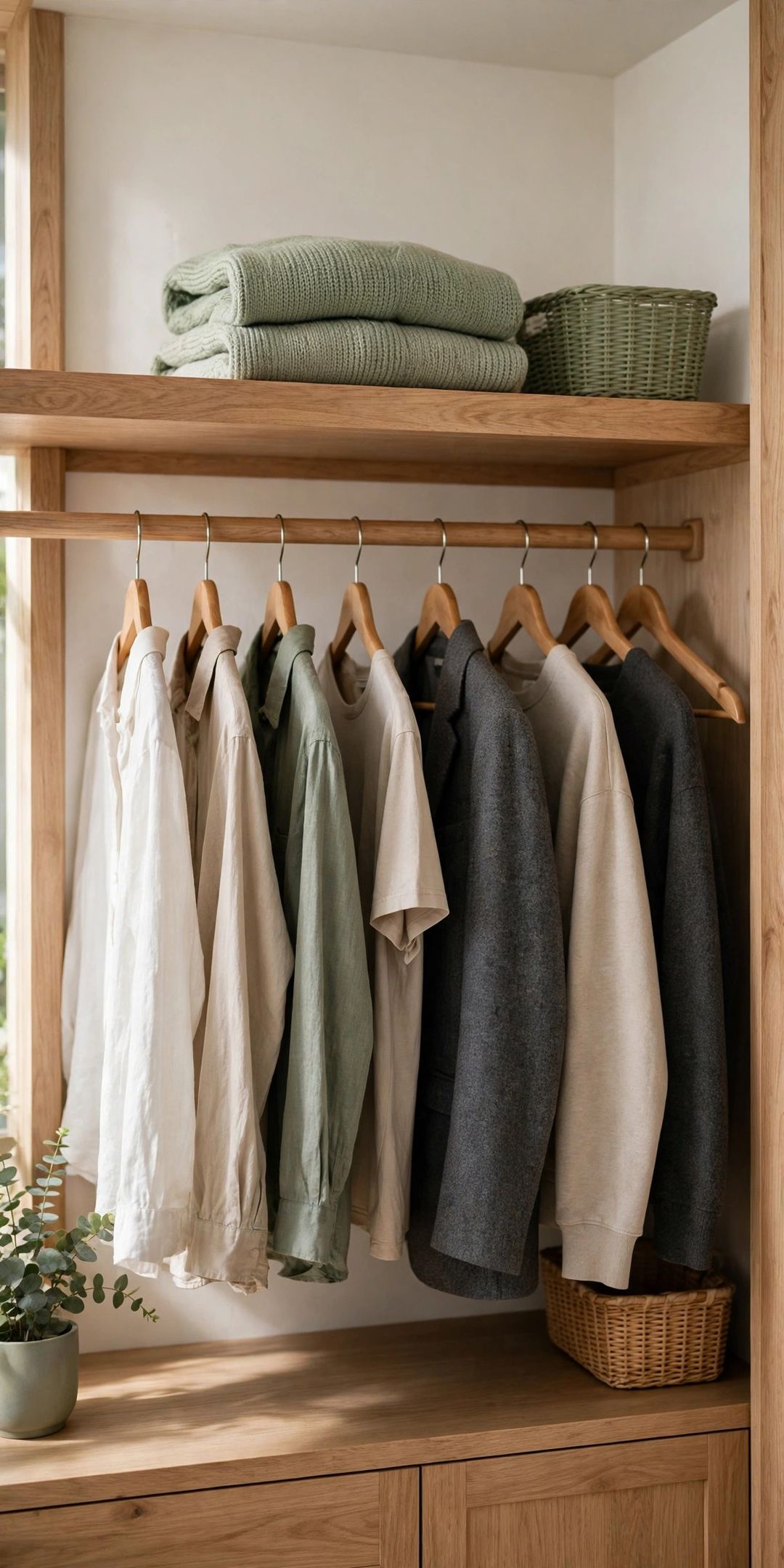
Hang or fold each kept group in one place: work clothes together, casual clothes together, and seasonal items together. Keep daily items at the easiest height and store off-season clothes higher or deeper. Use one type of hanger per section if you can, so rows look even and gaps stand out. When every item has a home, putting laundry away takes less thought.
10. Move Removed Items Out Within a Week
A declutter is not done while bags sit in a corner. Within a week, take donate items to a donation drop-off, offer wearable pieces to friends or family who want them, sell items only if you will list them right away, and recycle worn-out fabric where that service is offered. Anything with stains, holes, or broken parts should not be passed on as a donation.
What to Buy
A simple mending kit, typically $8–$15. Best for fixing buttons and small seams. Pro: It costs little and handles most basic repairs. Con: It will not fix large tears or broken zippers.
One clear storage bin for the maybe box, typically $10–$18. Best for holding unsure items until the review date. Pro: Clear sides show what is inside. Con: A large bin can invite you to pause too many items.
Slim matching hangers, typically $12–$25 for a pack. Best for tight closets where mixed hangers waste space. Pro: Even rows make duplicates easy to spot. Con: Skip if your current hangers already match and work.
Large donation bags, typically $6–$12 for a pack. Best for moving removed clothes out within the week. Pro: Strong bags hold a full session. Con: Thin bags can tear with shoes or heavy jeans.
Mistakes to Avoid
- Starting with no end date. An open-ended ban is hard to keep. A set season of about three months gives the plan a clear finish.
- Keeping clothes that do not fit now. They take up daily space and make getting dressed harder. Store one or two favorites elsewhere, or let them go.
- Sorting the maybe box again and again. The box works only if the review date decides. Repeated sorting brings the same doubt back each time.
- Buying organizers before you declutter. You will not know what storage you need until the remove piles are gone and the keep piles are final.
- Leaving donation bags in the house. Bags that sit for weeks often get reopened. Move them out within a week while the decisions are fresh.
Frequently Asked Questions
How long should a no-buy season last?
About three months works well for most people. It is long enough to rotate what you own through real daily life, but short enough to stay doable. You can repeat it later if it helped.
What if an item wears out during the season?
Replace true basics only, such as socks, underwear, or a required work item that cannot be mended. Replace that one item and keep going. Fashion extras can wait for the pause list.
What should go in the maybe box?
Put in items you like but rarely wear, items that fit but feel hard to style, and pieces kept for rare events. Leave out daily basics and clear favorites. Damaged or ill-fitting items belong in the mend or remove pile instead.
What is the best exit plan for removed clothes?
Sort by condition. Clean, wearable clothes can be donated or passed on. Good items with resale value can be sold if you list them at once. Worn-out fabric should go to textile recycling where offered, not into donation bags.
Ready to start your season with a calmer closet? Save this post to your Declutter board on Pinterest so all 10 rules are handy on sorting day.