Getting a small home ready for a baby does not mean clearing every room. It means making a little calm space for feeding, changing, resting, and the few supplies you will reach for every day.
This gentle declutter before the baby arrives nesting purge spreads the work over four weeks, one small area at a time. Each week has a short checklist, a clear finish line, and plenty of room to stop early and rest.
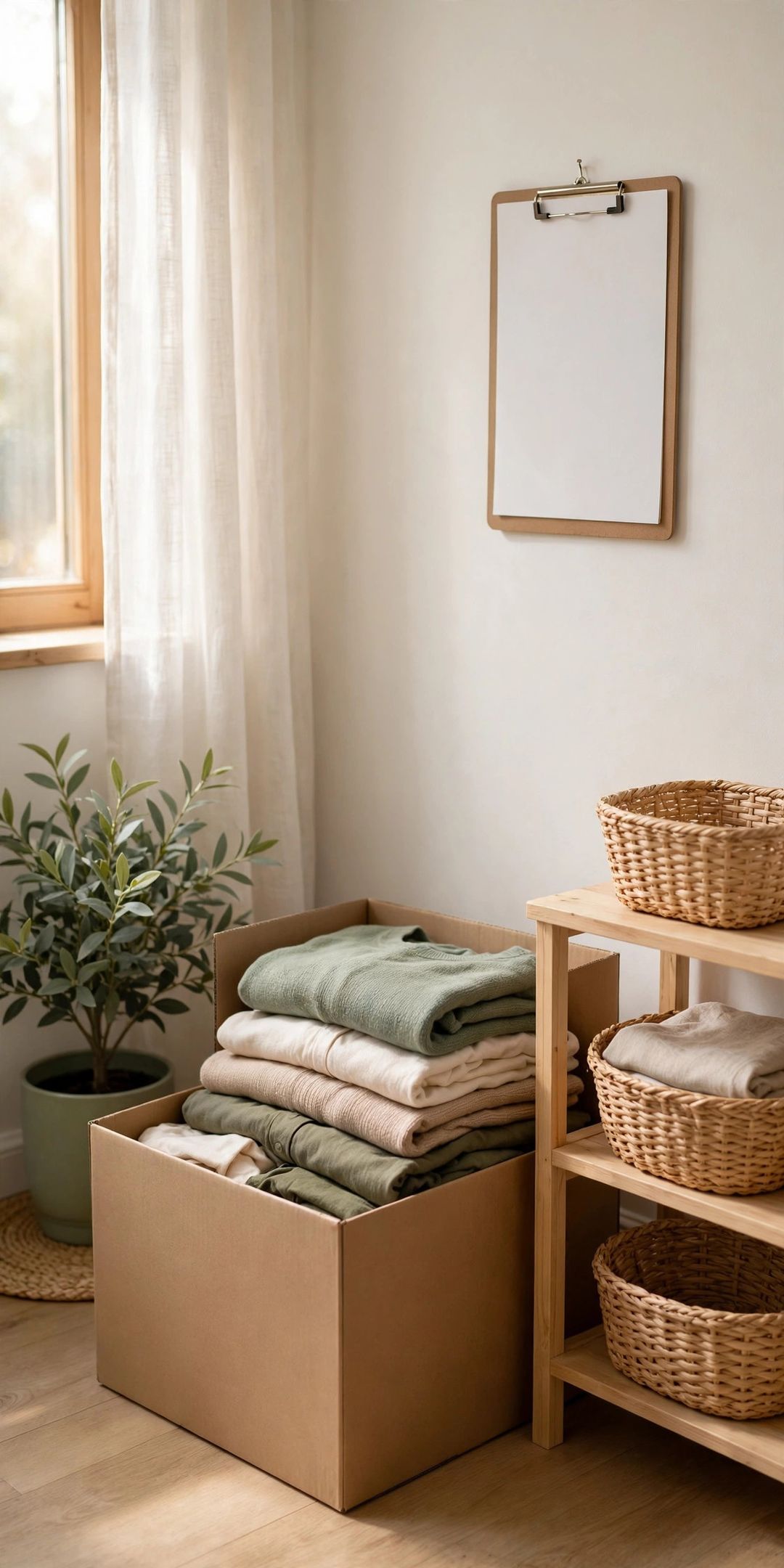
Go at the pace that feels right for you. Anything you do not finish can wait, and anything you are unsure about can go in one labeled box to decide on later.
Week 1: Closets and Dresser Drawers
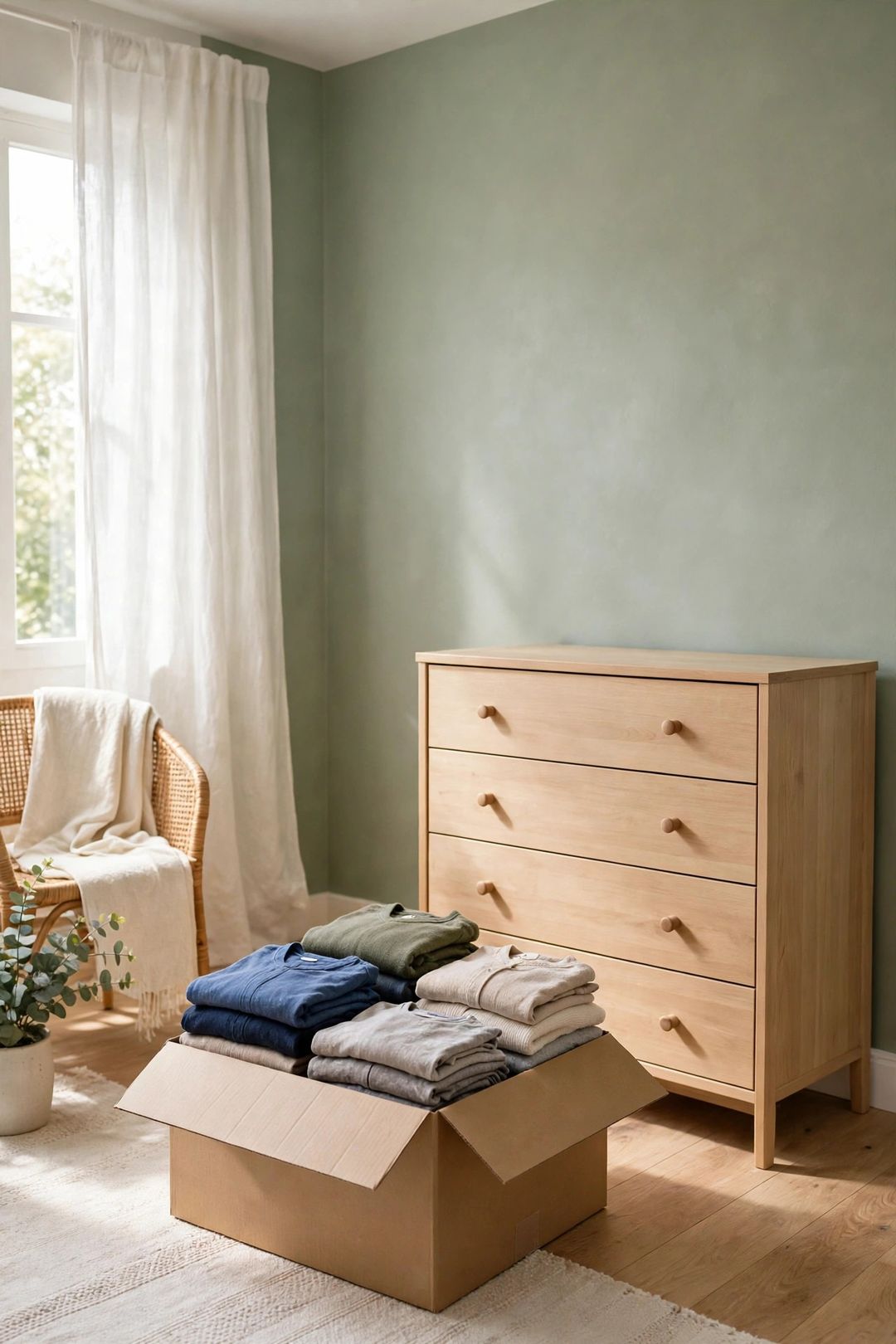
Start where baby clothes and your own everyday clothes will live. The goal is one empty drawer or shelf section, not a perfect wardrobe.
- Clear one drawer or shelf. Pick the spot closest to where you plan to change the baby, and empty it fully.
- Sort your own clothes nearby. Set aside items you will not wear for a while, and store them in one bin on a high shelf.
- Make a donate bag. Add anything worn out, uncomfortable, or untouched for a long time, and close the bag so it is ready to go.
- Leave changing supplies a home. Keep one open space for diapers, wipes, and a few changes of clothes.
- Stop when the drawer is done. One finished space is enough for this week.
Week 2: Kitchen and Bathroom Counters
Counters fill up fast once bottles, pumps, and bath items arrive. This week simply gives a few daily items a clear place to land.
- Clear one kitchen counter corner. Move rarely used appliances into a cabinet or store them in a labeled box.
- Make a small feeding-supply zone. Choose one cabinet shelf or basket for bottles and feeding items as they arrive.
- Sort the bathroom cabinet. Toss empty bottles, pair up duplicates, and group daily items in one small tray or bin.
- Free one bathroom shelf. Leave a spot for baby bath items and your own recovery basics, without buying anything new yet.
- Wipe surfaces as you go. A clean, empty corner feels like progress and is easy to keep up.
Week 3: Entry, Living Room and Paperwork
Coming home with a baby, bags, and visitors is simpler when the entry and main room have a little open space. Keep this week light and mostly seated, if you like.
- Clear the entry landing spot. Move shoes, mail, and bags so one clear surface remains by the door.
- Create one paperwork folder. Gather hospital forms, insurance papers, and important lists into a single folder you can grab quickly.
- Open one living room surface. Clear a side table or shelf section for water, snacks, and a phone charger during feeds.
- Sort one basket of clutter. Work through a single catch-all basket: recycle paper, return items to their rooms, and let the rest go.
- Set up a small rest corner. A cushion, blanket, and nearby table are enough — comfort matters more than a finished nursery look.
Week 4: Final Spaces and Simple Systems
The last week is for small finishing touches, not big projects. Focus on the spots you will touch daily, and leave everything else alone.
- Check the car and stroller area. Clear trunk clutter and make room for the stroller or carrier you will use most.
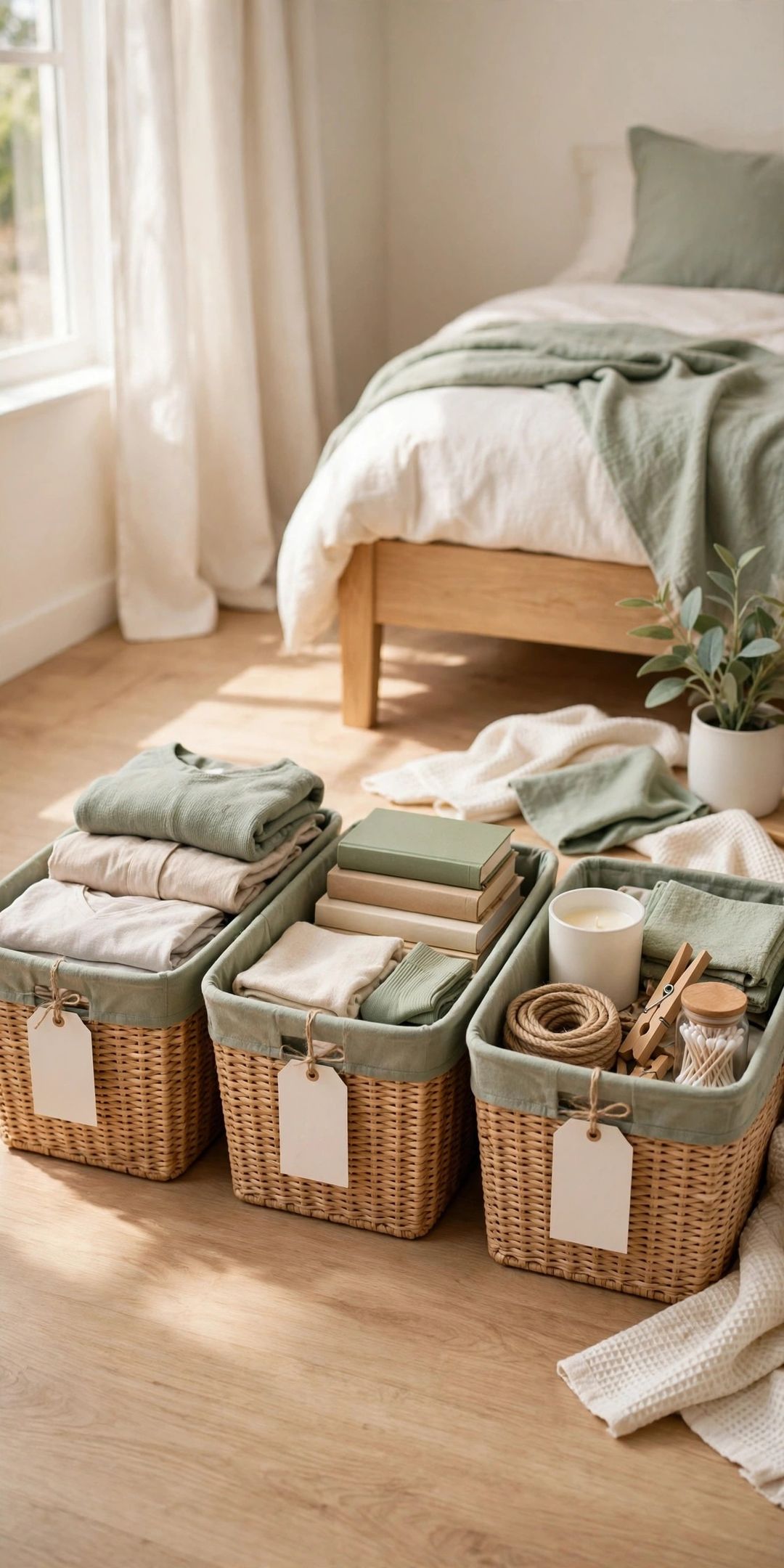
- Prepare one laundry basket for baby items. A small, separate basket keeps tiny clothes from vanishing in family laundry.
- Stock one basket for yourself. Gather snacks, a water bottle, chargers, and lip balm in one basket that can move from room to room.
- Label the later box. Seal the box of undecided items, write a date a few months ahead on it, and store it out of the way.
- Do a final walk-through. Look only for clear paths, clear counters, and one calm corner. Then call the purge done.
What to Buy
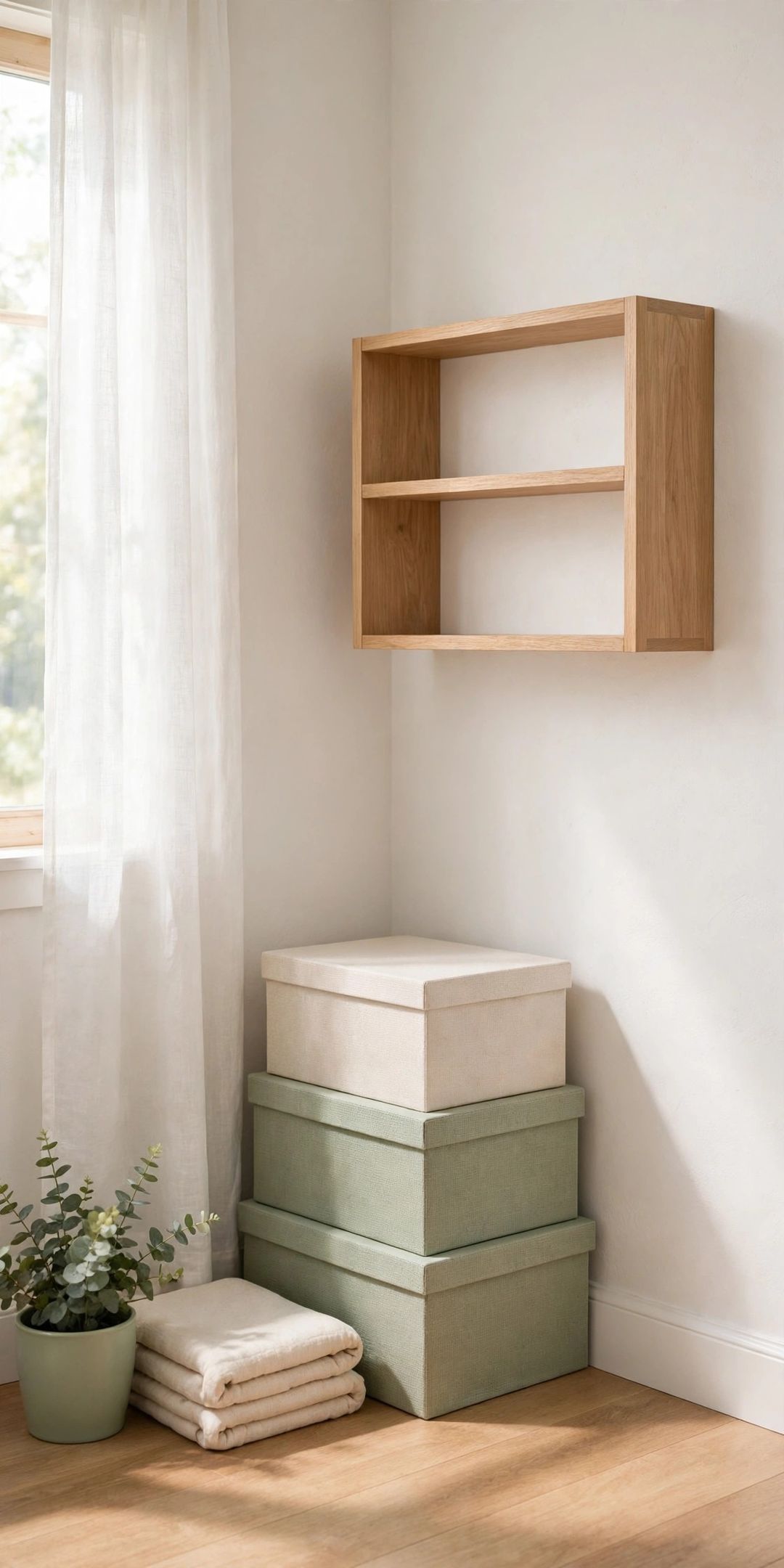
Clear storage bins with lids, typically $10–$25. Pro: They stack in a closet and keep stored clothes dust-free. Con: Buying many sizes gets costly fast. Skip if: Sturdy boxes you already own can do the job.
A donation bag or box, typically $0–$8. Pro: One ready spot makes letting go simple and keeps piles from spreading. Con: A bag left too long can become storage itself. Skip if: You drop donations off the same day you sort.
A simple folder or document wallet, typically $5–$12. Pro: Paperwork stays together and easy to grab. Con: Fancy systems with many pockets often go unused. Skip if: A plain envelope already holds your papers neatly.
Small baskets for daily supplies, typically $8–$20. Pro: A basket keeps feeding and rest items together and easy to carry. Con: Too many baskets become clutter of their own. Skip if: Two baskets cover your main rooms already.
Mistakes to Avoid
- Trying to do it all in one weekend. A rushed purge is tiring and stressful. Four short weeks work better than one exhausting push.
- Emptying whole rooms at once. Big piles feel worse than the clutter did. One drawer, shelf, or basket at a time keeps it manageable.
- Buying organizers first. Sort before you shop, or new bins just hold the same clutter in a neater box.
- Making every decision final. A labeled later box removes pressure. If you miss an item in a few months, you can revisit it then.
- Aiming for a show-home finish. Clear counters, clear paths, and one calm corner are a real success. Perfect styling can wait.
Frequently Asked Questions
When should you start a nesting purge?
Start whenever you have a little energy and a few weeks to spare, and keep sessions short. There is no perfect week to begin — four gentle weeks before your due date simply leaves a comfortable buffer, and starting later is fine too.
What if you cannot finish all four weeks?
Do Week 1 and the paperwork task from Week 3 first. A clear changing spot and one folder of key papers cover most daily needs, and the rest can happen slowly after the baby arrives.
What should you do with items you are unsure about?
Put them in one labeled box with a future date on it. Store it out of sight. If you have not opened it by that date, donating the whole box is a calm, simple next step.
How much space does a baby really need at first?
Very little: a safe sleep spot, one drawer or basket for clothes, a changing area, and a small zone for feeding supplies. Most early baby life happens in the rooms you already use every day.
A calmer home before the baby arrives comes from a few finished spaces, not a total overhaul. Save this post to your Nesting and Baby Prep board on Pinterest so the weekly checklists are handy whenever you have a spare twenty minutes.