Books, games, and cables are hard to declutter for the same reason: each one feels like it might be useful again someday. A novel you meant to finish, a board game from a great game night, a drawer of chargers for phones you no longer own.
This guide shows how to declutter books games and cables with simple decision rules instead of guilt. Work one category at a time, ask one clear question per item, and send everything you let go to the right place: donate, sell, or recycle.
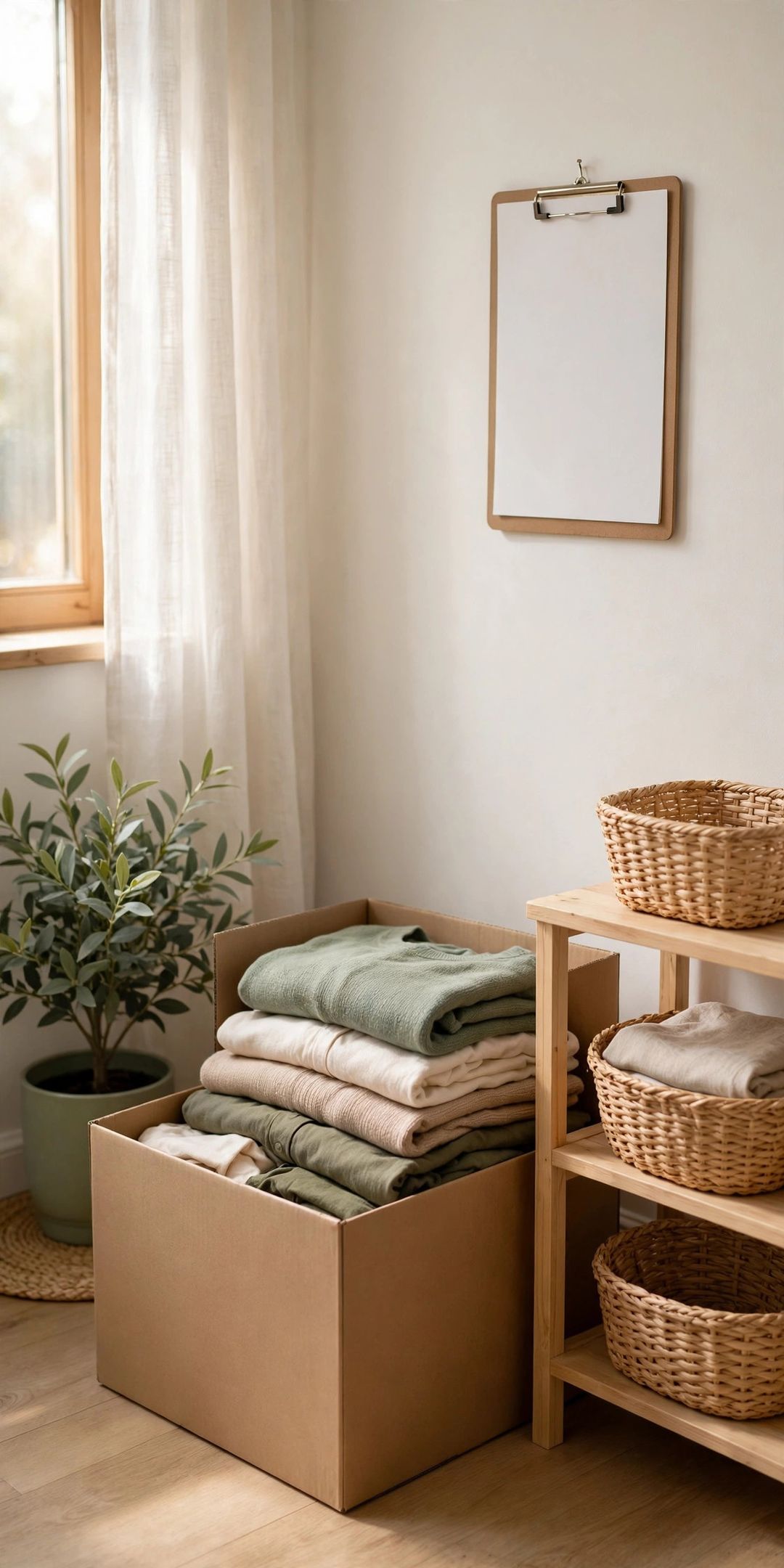
You do not need a full weekend. One shelf, one game stack, or one cable drawer per session is enough. Set out three boxes first — donate, sell, and recycle — so every decision has a home.
Books: Keep What You Will Reopen
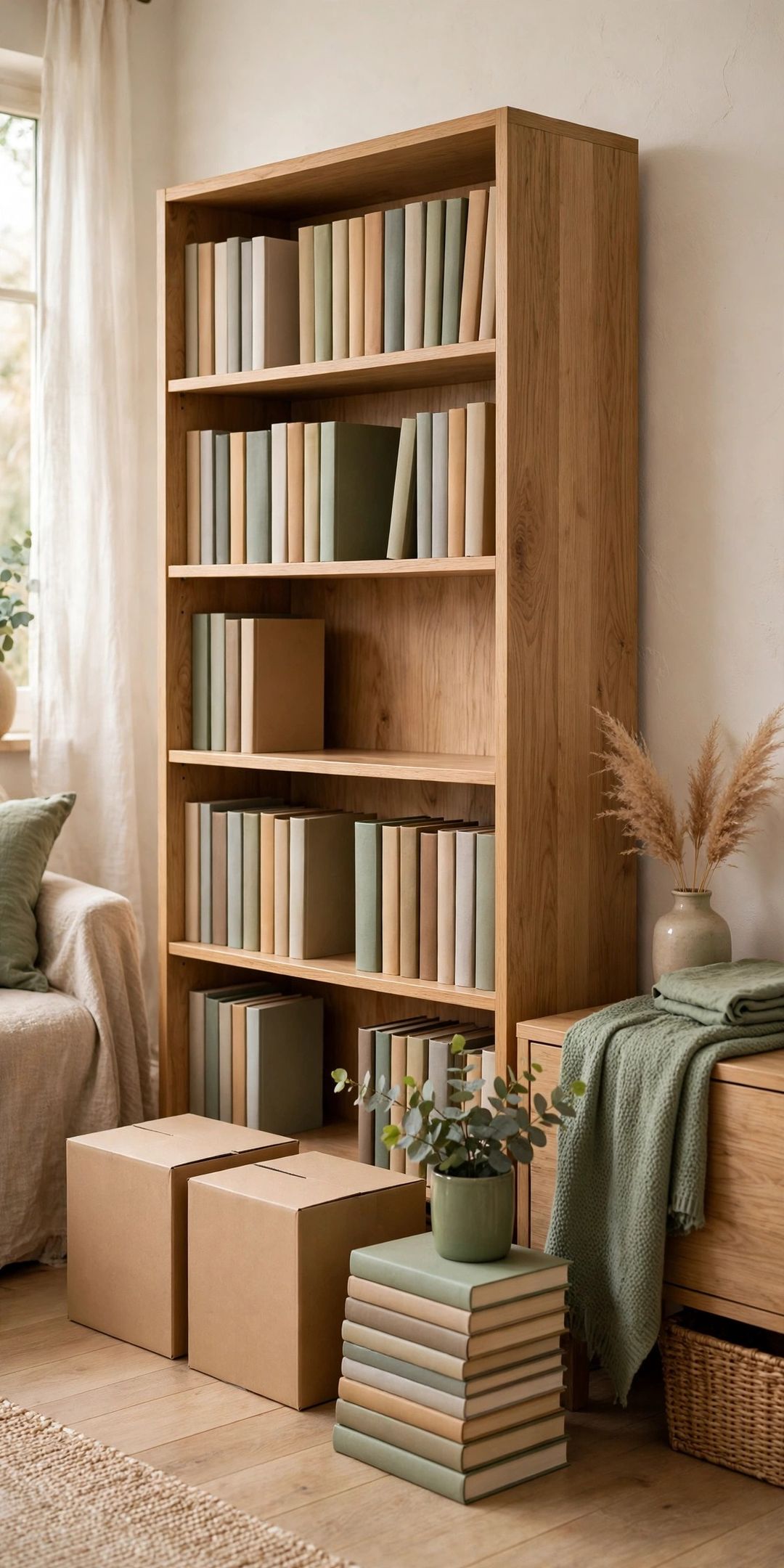
1. Empty one shelf at a time and sort as you go. Pull every book off a single shelf, wipe it, then handle each book once. Make four piles: favorites you reread, reference books you look up, books you plan to read soon, and everything else. Shelf by shelf keeps the job small.
2. Use the reread-or-lend test. For each book, ask: would I reread this, lend it, or look it up within the next year? A clear yes means it stays. If you liked it once but will not open it again, it can go — enjoying a book once is a fine reason to pass it on.
3. Let go of duplicates, outdated guides, and damaged copies. Two copies of one title, old textbooks, outdated travel or tech guides, and books with broken spines rarely earn shelf space. Recycle paperbacks too damaged to donate, and keep only the cookbooks with recipes you actually cook.
4. Set a firm shelf limit, then route the rest out. Books live on the shelves you have — no overflow stacks on the floor. When a new book arrives, one leaves. Donate clean books to a library sale, donation bin, or book box. Sell newer titles to a used bookstore. Recycle anything too worn to pass on.
Games: Keep Games That Still Get Played
5. Check every game for completeness first. Open each board game and check pieces, cards, and instructions against the list in the lid. A game missing key pieces will not be played and cannot be donated in good faith. Keep an incomplete game only if the missing piece can be replaced, and recycle the worn parts of the rest.
6. Use the last-played and right-players test. Ask when the game last came out, and whether you still have the people to play it. A game untouched for over a year, a kids' game your children have outgrown, or a long game no one enjoys is a let-go candidate, even if it was a gift.
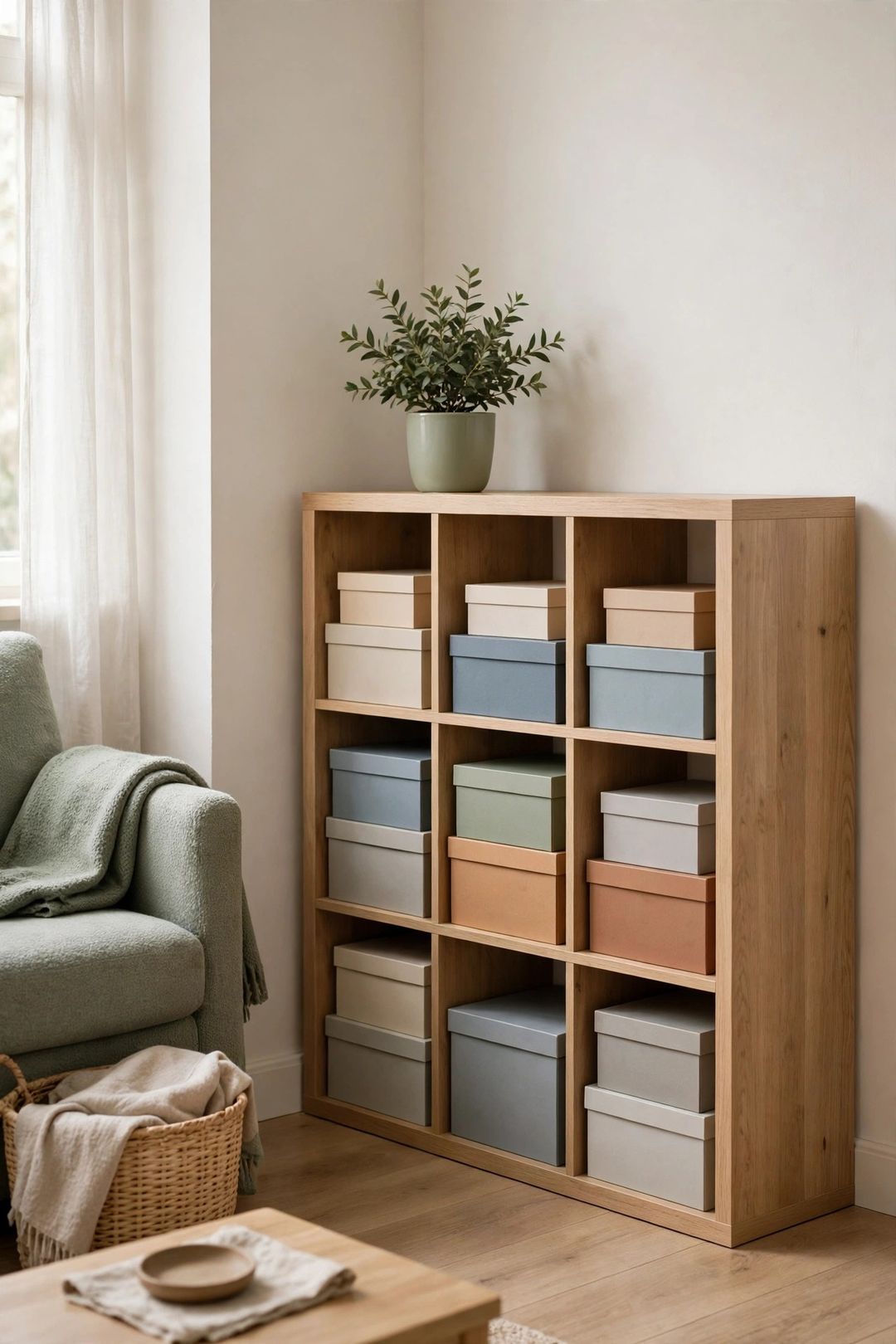
7. Shrink what you keep before you store it. Combine small card games into one labeled box or zip pouch instead of five flimsy boxes. Store board games upright like books so you can see every title. Keep one basket of current favorites near where you play.
8. Match each outgoing game to the right exit. Complete, popular games in good shape can be sold locally or to a used game shop. Complete family games donate well to schools, libraries, and community centers. Broken games and worn boards go to recycling where accepted, not into a donation box.
Cables & Tech Clutter: Keep One Working Spare
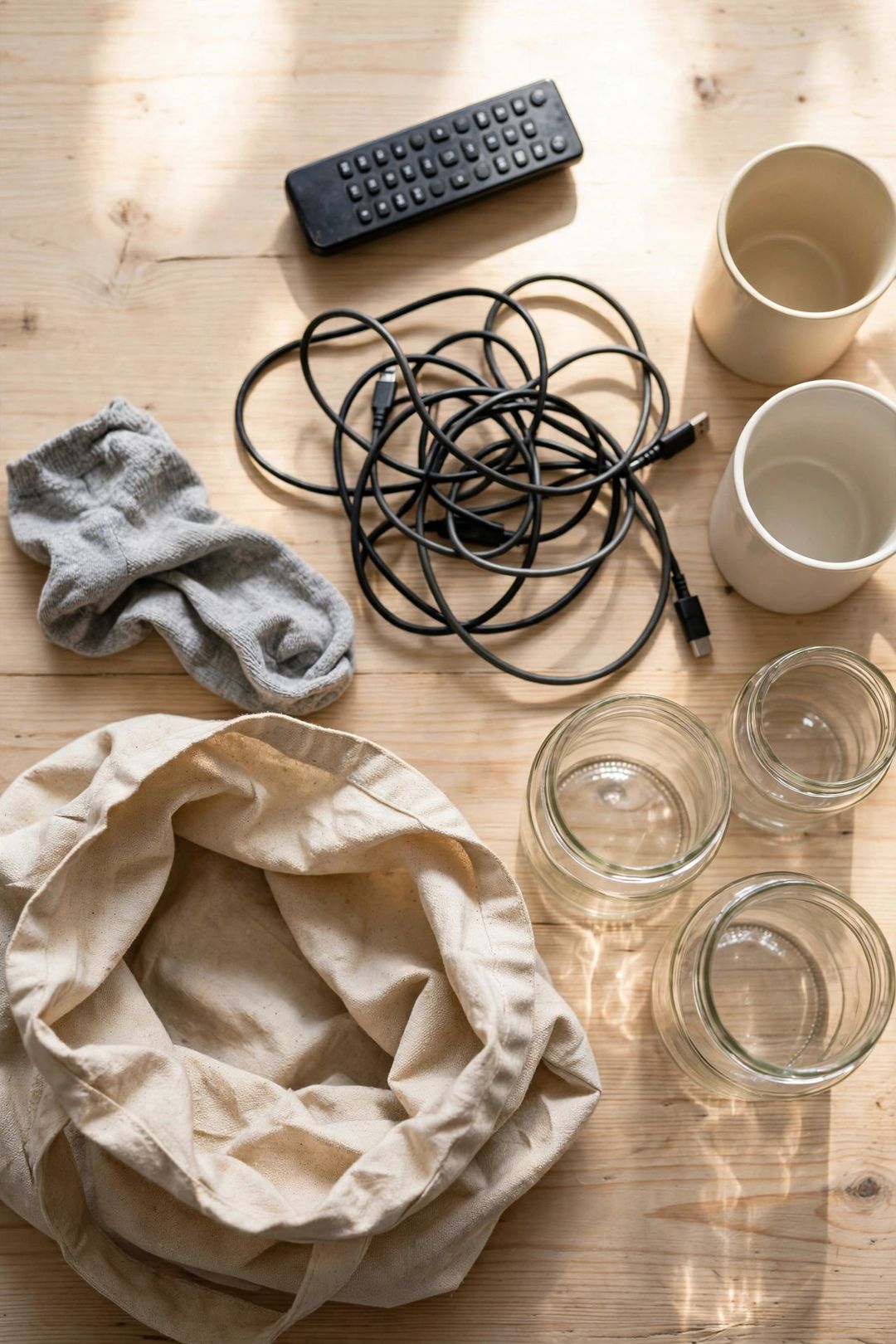
9. Match every cable to a device you still own. Spread out the whole drawer and, for each cord, name the device it serves. If no device in your home uses it — a cable for a camera you sold, a spare from a broken gadget — it goes. Keep the rest near where devices charge.
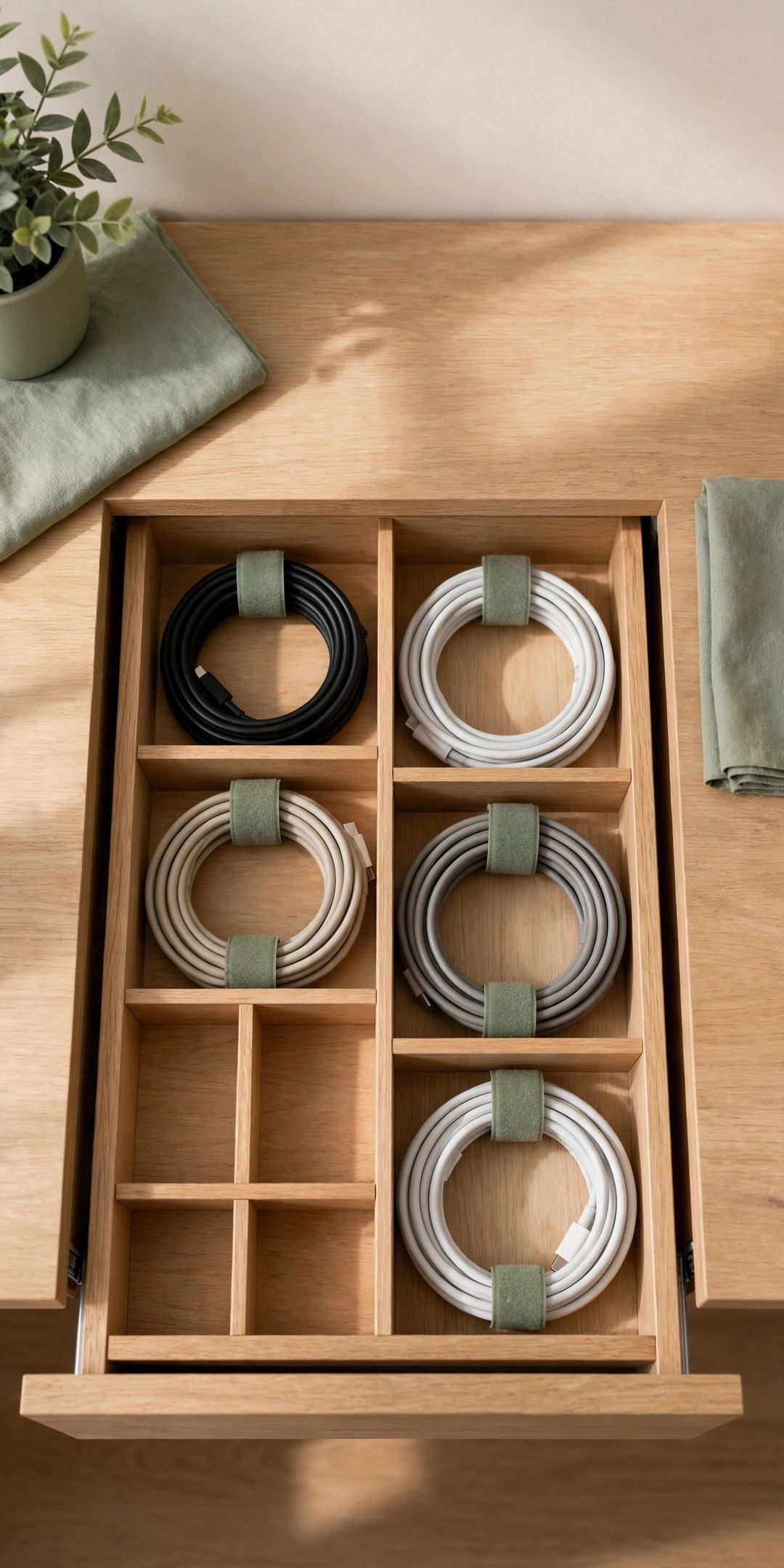
10. Keep one labeled spare per type, and no more. One backup charging cable and one backup of each connector type your household uses is a sensible limit. Coil each keeper, tie it, and label what it fits. Anything beyond one spare, frayed, or only working at one angle should go.
11. Recycle dead cables and chargers the safe way. Cables and chargers are electronic waste, so keep them out of regular trash where local rules require it. Take them to an electronics store take-back counter or a local e-waste drop-off. Working chargers can be donated locally; frayed ones should only be recycled.
What to Buy
A cable management box, typically $12–$22. Pro: It hides a power strip and the daily charging tangle in one tidy spot. Con: It takes up desk or floor space. Skip if: You charge everything in one small spot that already stays neat.
A pack of reusable hook-and-loop cable ties, typically $7–$12. Pro: Coiled, tied cables stay sorted and labeled in a drawer. Con: Ties are easy to lose when cables are in use. Skip if: You only own a few cables and they already live in one pouch.
A sturdy book donation bin or box, typically $10–$18. Pro: A dedicated box by the shelf makes one-in, one-out easy. Con: It becomes clutter itself if it never gets emptied. Skip if: A plain cardboard box already does this job.
Clear zip pouches for card games and small pieces, typically $8–$16. Pro: One pouch per game ends the pile of crushed boxes. Con: You lose the box art unless you tuck the instructions inside. Skip if: Your game boxes are in good shape and stack well.
Mistakes to Avoid
- Keeping items as a memory of the hobby. A shelf of unplayed games is not the same as playing. Keep the favorites you use and let photos hold the memories.
- Donating broken or incomplete items. Missing pieces and frayed cables turn your clutter into someone else's problem. Recycle them instead.
- Sorting without exit boxes ready. Piles with no destination drift back onto shelves. Set out donate, sell, and recycle boxes before you touch a single item.
- Buying organizers before decluttering. A cable box for twenty cords you should not keep just hides the problem. Declutter first, then store what is left.
- Letting one category veto the session. If one book or game feels hard, put it in a decide-later spot and keep moving. One hard item should not stall the whole shelf.
Frequently Asked Questions
What should I do with books no one will take?
Try a library sale, a neighborhood book box, or a used bookstore first. Books that are moldy, water-damaged, or falling apart should be recycled with paper recycling where accepted.
How many spare cables is it reasonable to keep?
One working spare per cable type your household uses is a good limit. Test each spare, label what it fits, and recycle the rest. If a spare sits untouched through your next two devices, let it go.
Can I sell board games with missing pieces?
Only if you clearly say which pieces are missing, so the buyer can decide. Complete games sell and donate far more easily. If key pieces are gone, recycling the parts is the more honest option.
How do I declutter shared books and games without arguments?
Give each person their own keep pile and a shared shelf limit to fit it in. Items no one claims go to the donate or sell box. Agree on the exit day in advance.
Start with one shelf, one game stack, or one cable drawer today, and let the three boxes do the rest. Save this post to your Decluttering board on Pinterest so the decision rules are handy for your next session.