A small home means sharing almost every shelf, drawer, and surface. It can feel frustrating when one person is ready to let things go and the other is not there yet. That difference is normal — people attach meaning to objects in different ways, and a home must work for everyone in it.
These nine rules for decluttering when your partner wont are not about winning an argument. They are about progress in the spaces you control, fair agreements on shared spaces, and keeping trust intact.
Start small and stay kind. A cleared drawer of your own often opens a conversation better than a long talk about clutter.
1. Start With Your Own Zones First
Begin with what is clearly yours. Your side of the closet, your drawers, your toiletries, and your paperwork are yours to sort without asking anyone.
Let the change be visible, not pointed. A calmer shelf quietly shows what is possible. Enjoy the space without presenting it as a lesson for the other person.
2. Never Touch Their Things Without Asking
Nothing of theirs leaves without a yes. Even items that look worn or unused may hold a memory, a plan, or a use you do not know about. One secret donation can undo months of goodwill.
Put questionable items aside, not out. If something of theirs is in your way, move it to their keep zone or ask where it goes. Relocating with permission is fine; removing in secret is not.
3. Agree on Shared Surfaces, One at a Time
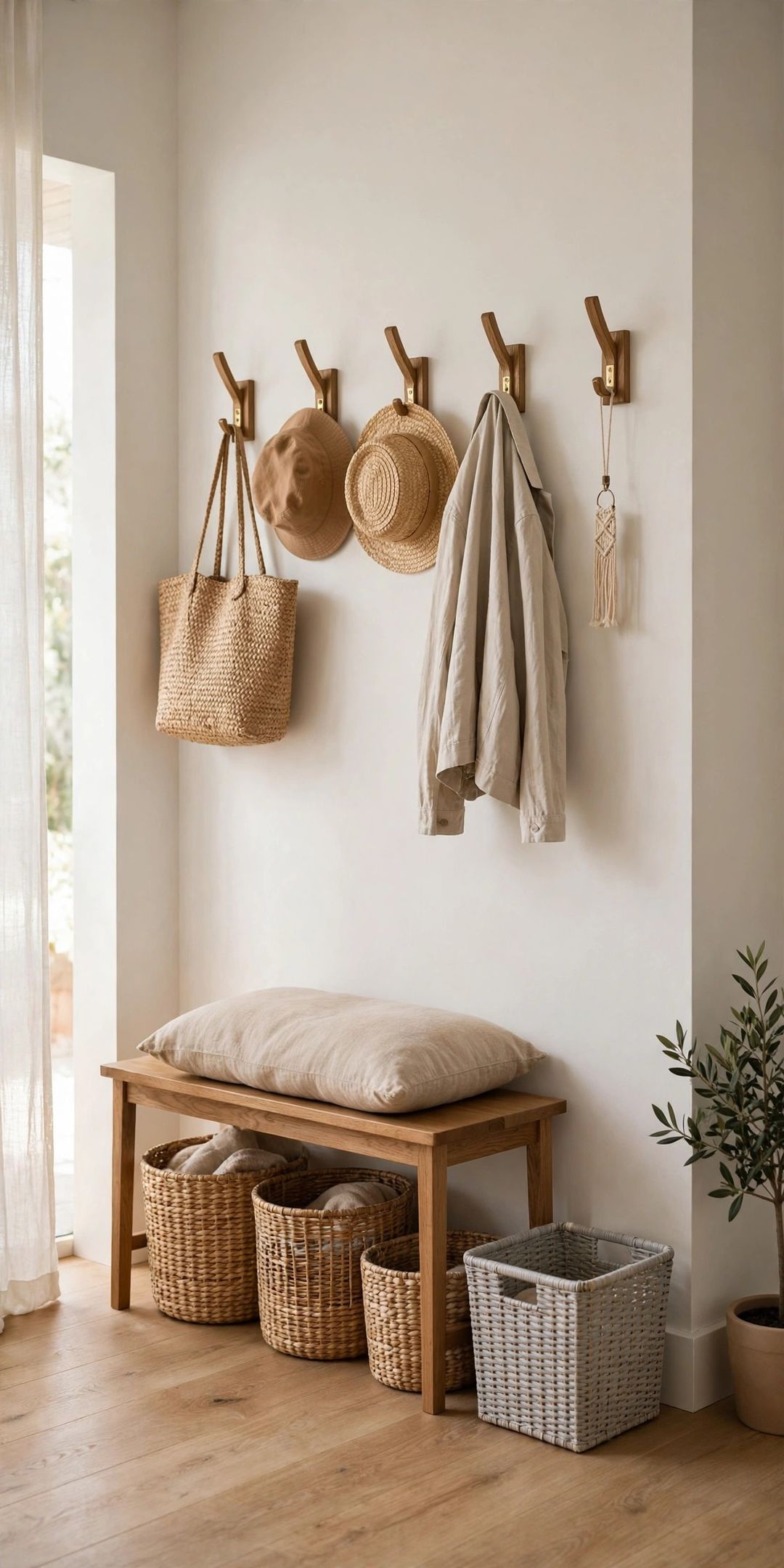
Pick one surface to discuss. Start with the kitchen counter or entry table. Agree together what earns a permanent spot there and what needs a home elsewhere.
Keep the agreement narrow. Keys and mail in one tray, everything else put away at night — one small rule both people chose beats a long list one person wrote.
4. Give Each Person a Protected Keep Zone
Choose one shelf, box, or drawer each. Items in a keep zone are not questioned, counted, or discussed. The zone can be modest in a small home, but the boundary must be real.
Respect the zone even when it puzzles you. A keep zone removes the fear that decluttering means losing everything. That safety often makes the rest of the home easier to sort later.
5. Use a Donation Box With a Grace Period
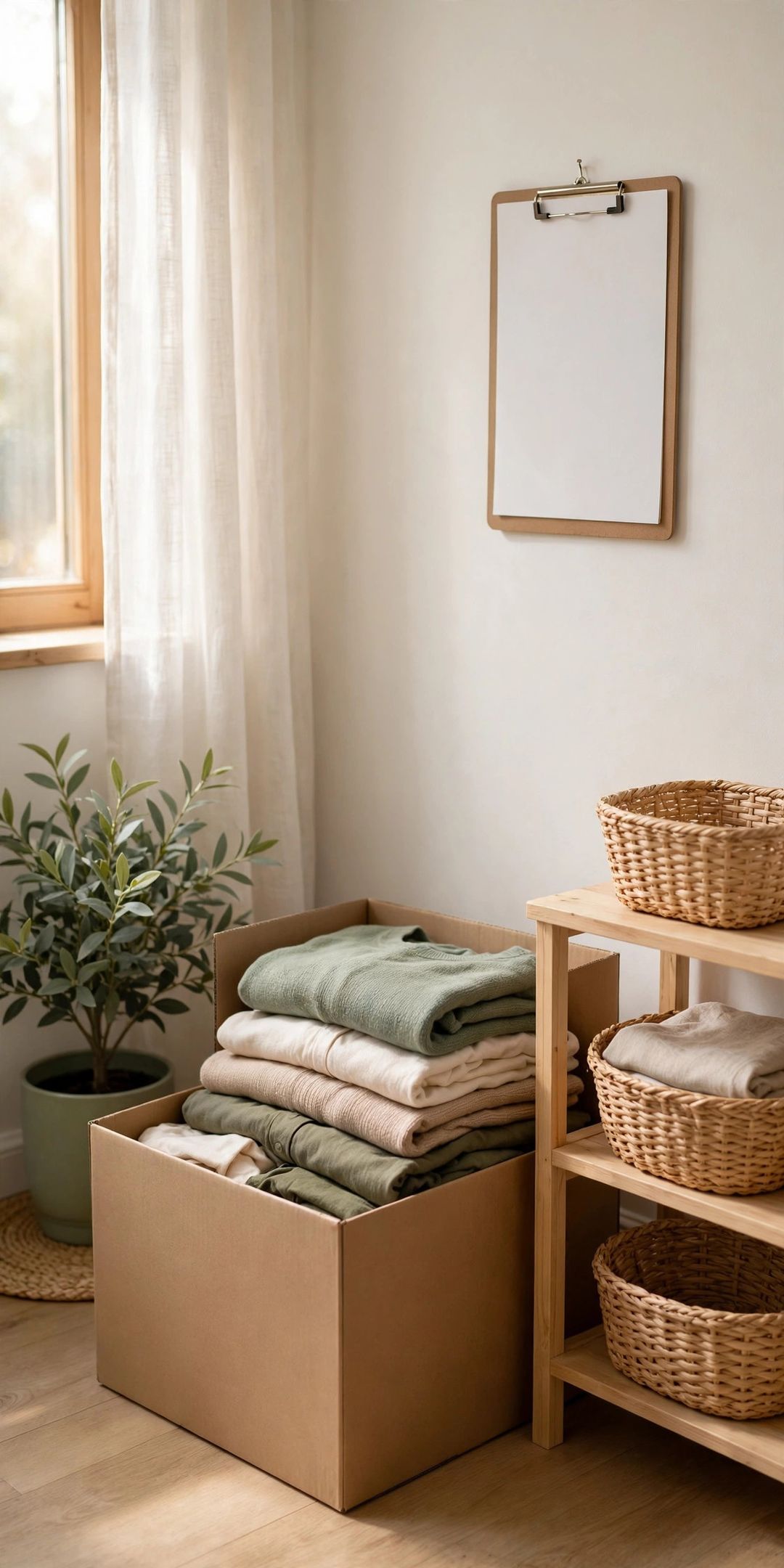
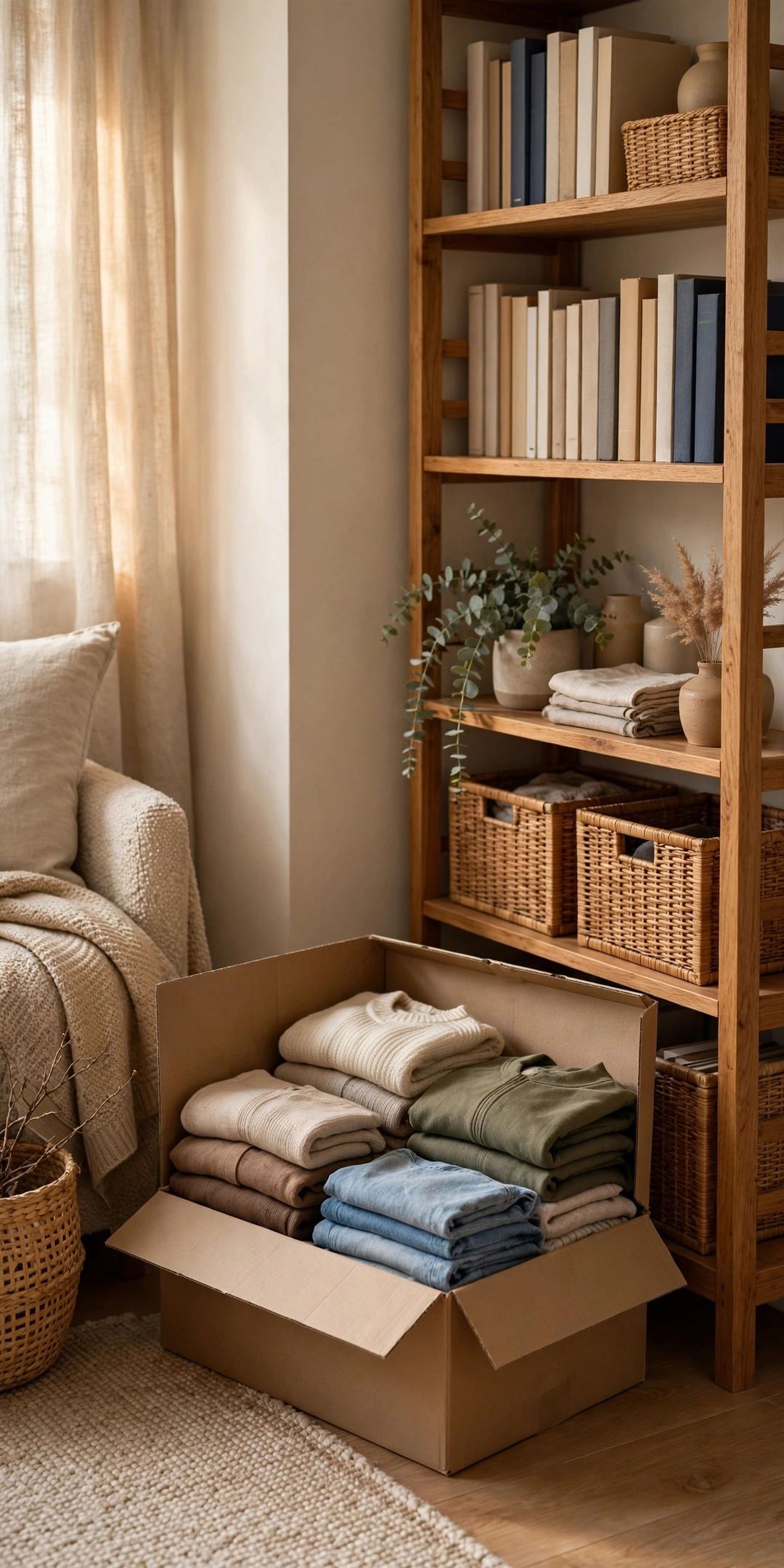
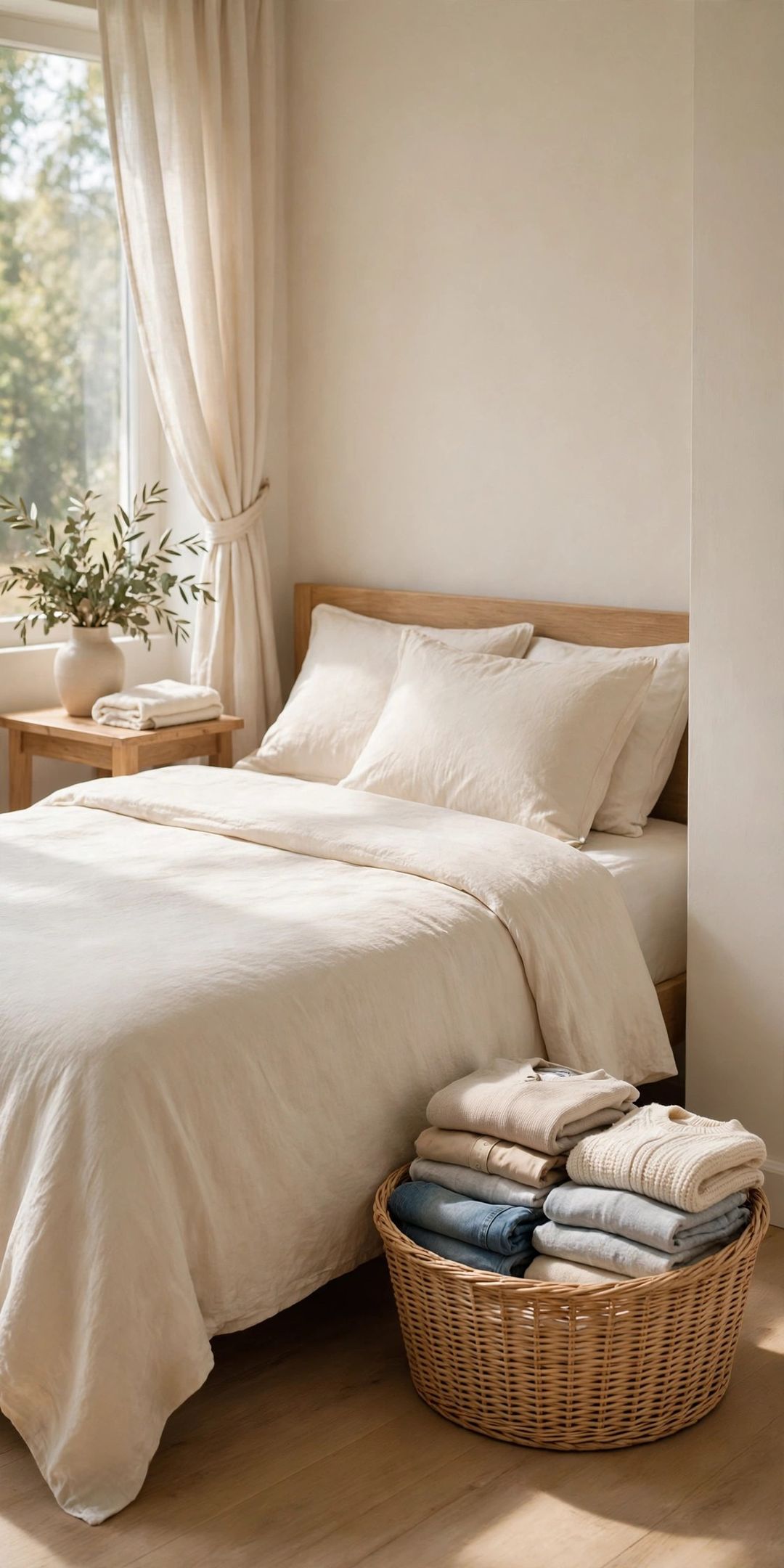
Set up one shared donation box. Either person can add their own items, and either can rescue anything from the box, no questions asked, until the deadline.
Agree on the grace period together. Two to four weeks works well for many households. Write the donation date on the box. When it arrives, only the items still inside go out.
6. Talk About Needs, Not Habits
Name the space problem, not the person. "We need room for groceries on this shelf" invites problem-solving. Comments about how much stuff someone keeps invite defense.
Ask what matters to them. "Which of these do you actually use or love?" shows respect. Listen to the answers, including the stories. Feeling heard is often the missing piece.
7. Make Invitations Small and Optional
Offer short, specific sessions. "I am sorting the hall closet for twenty minutes on Saturday — join me if you like" is easy to accept or decline, with no guilt either way.
Accept a no gracefully. If they decline, sort your own things and leave the offer open. Calm, repeated invitations build more trust than one big push.
8. Decide Shared Items Together, Slowly
Make a maybe pile for shared items. Extra kitchen tools, games, spare bedding, and shared gifts get a joint review at a calm moment. Each person has a real vote; a tie means the item stays for now.
Start with easy wins. True duplicates, broken items, and things neither of you remembers buying are usually painless. Save sentimental shared items for last.
9. Review Gently and Leave the Rest for Later
Notice what has already improved. A clearer counter, a closet that closes, a donation box that left on schedule — name the progress out loud, for both of you.
Let unfinished areas wait. Their shelf can stay exactly as it is while the rest of the home gets calmer. Many people join in at their own pace once the process feels fair and their things feel safe.
What to Buy
A sturdy donation box or bin, typically $8–$18. Pro: One visible box with a written date makes the grace period real. Con: A small box fills fast and stalls decisions. Skip if: A clean cardboard box you own does the job.
Painter's tape and a marker, typically $5–$12. Pro: Tape labels keep zones, shared trays, and donation dates clearly. Con: Handwritten labels are not pretty. Skip if: Tape and a pen are already in the drawer.
A shallow tray for shared surfaces, typically $10–$20. Pro: Keys, mail, and daily items get one agreed home. Con: An oversized tray becomes a landing spot for everything. Skip if: A bowl or basket you own corrals the same items.
Clear bins for your own zones, typically $12–$25 for a small set. Pro: Clear sides show what you kept after sorting. Con: Buying bins before decluttering often means buying too many. Skip if: Existing boxes and baskets already fit.
Mistakes to Avoid
- Tossing their things in secret. One hidden donation breaks trust and makes every future talk harder.
- Using your progress as pressure. A tidy drawer held up as proof turns a win into a wedge.
- Starting with sentimental items. Photos and keepsakes are the hardest category. Begin with duplicates and daily clutter.
- Setting rules for shared spaces alone. A system one person invents for both rarely lasts. Agree together, even if the agreement is small.
- Trying to finish everything at once. A whole-home purge in one weekend exhausts everyone. Small, steady rounds protect energy and peace.
Frequently Asked Questions
What if my partner says no to every suggestion?
Return to what you fully control: your own zones, items, and habits. A no today is not always a no forever, especially once decluttering stops feeling like a threat to their things.
How long should a donation grace period be?
Two to four weeks is practical — long enough for second thoughts and rescues, short enough that the box does not become storage. Write the end date on the box.
What counts as a shared item?
Anything bought or received for the household, or used by both people: kitchen tools, spare linens, games, decor, shared gifts. When ownership is unclear, treat it as shared and decide together.
Our home is tiny. What if there is no room for keep zones?
Scale the zone down. One shelf, lidded box, or drawer per person is enough, as long as the boundary is honored. In a small home, a respected small zone matters even more.
A calmer home and a peaceful one can be the same home — with a fair order: your things first, shared spaces together, their things only with a yes. Save this post to your Declutter & Routines board on Pinterest so the nine rules are handy before your next sorting session.