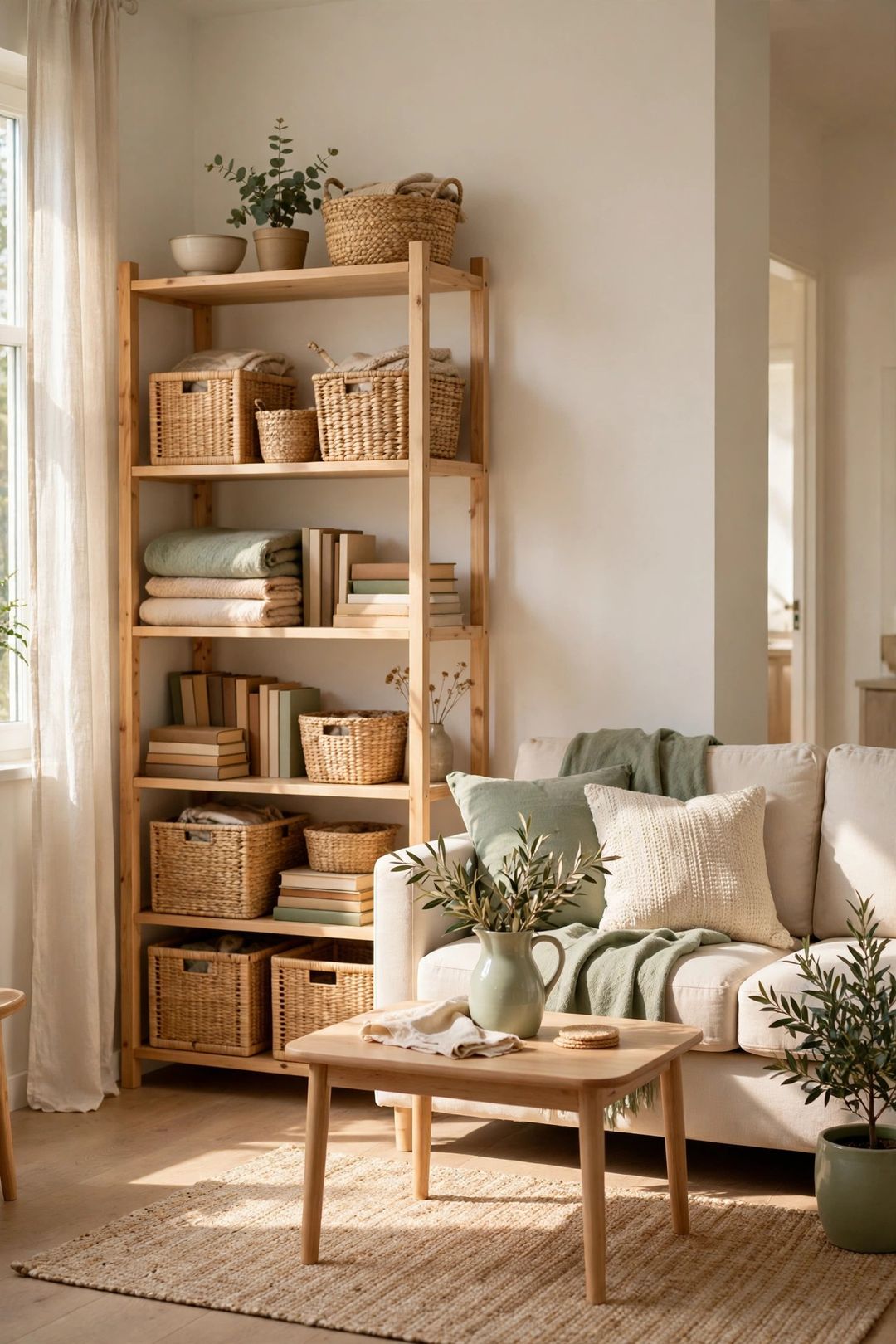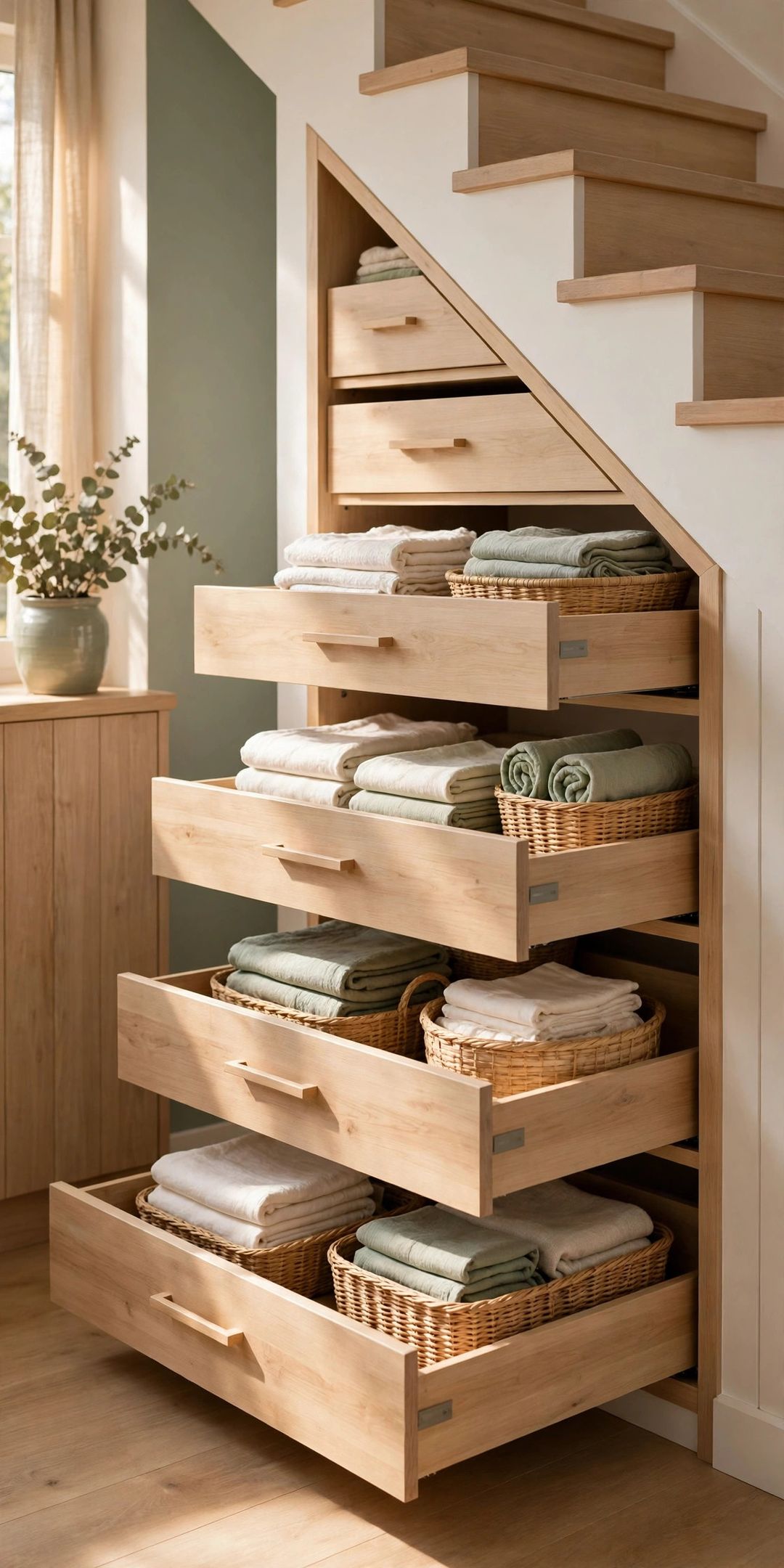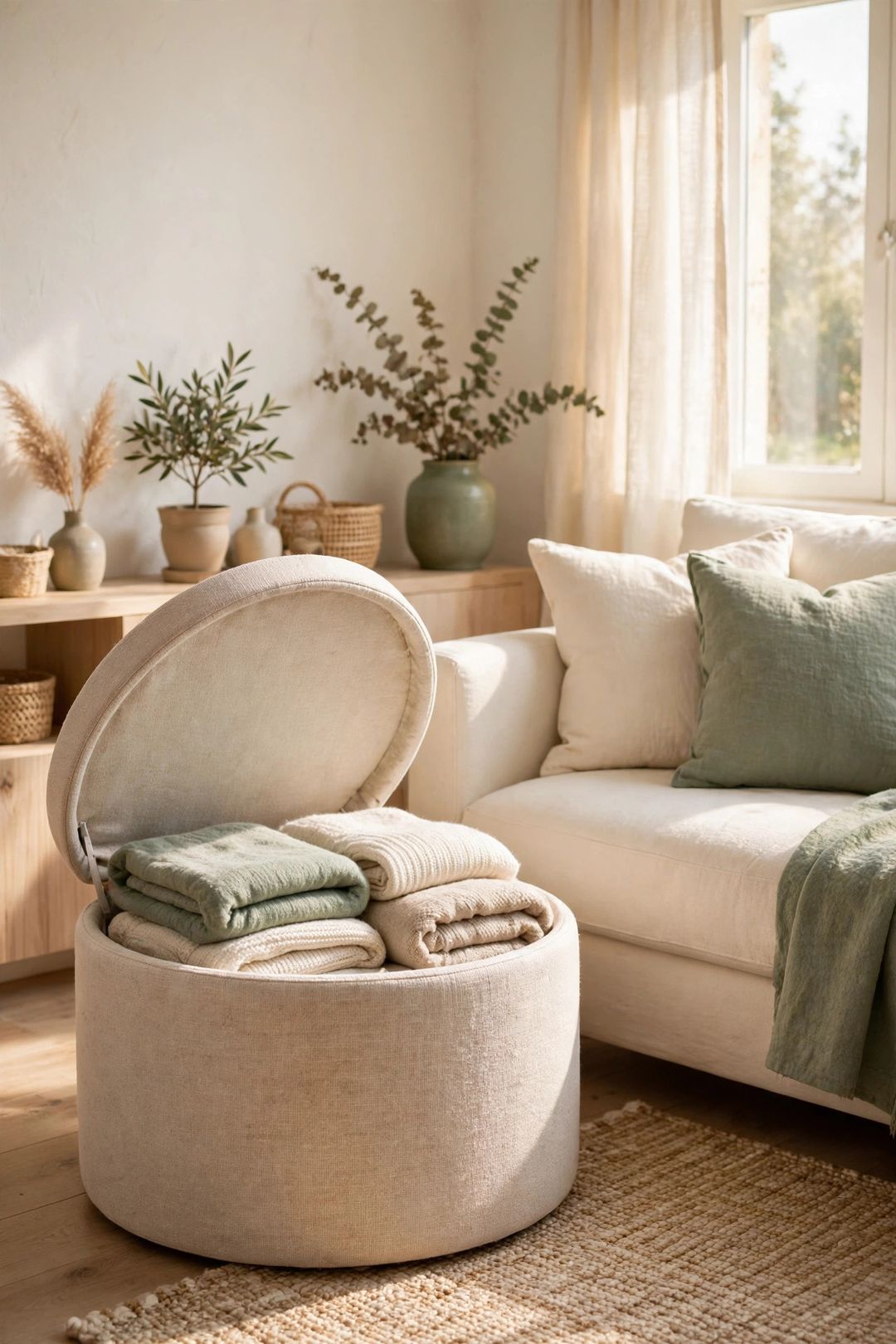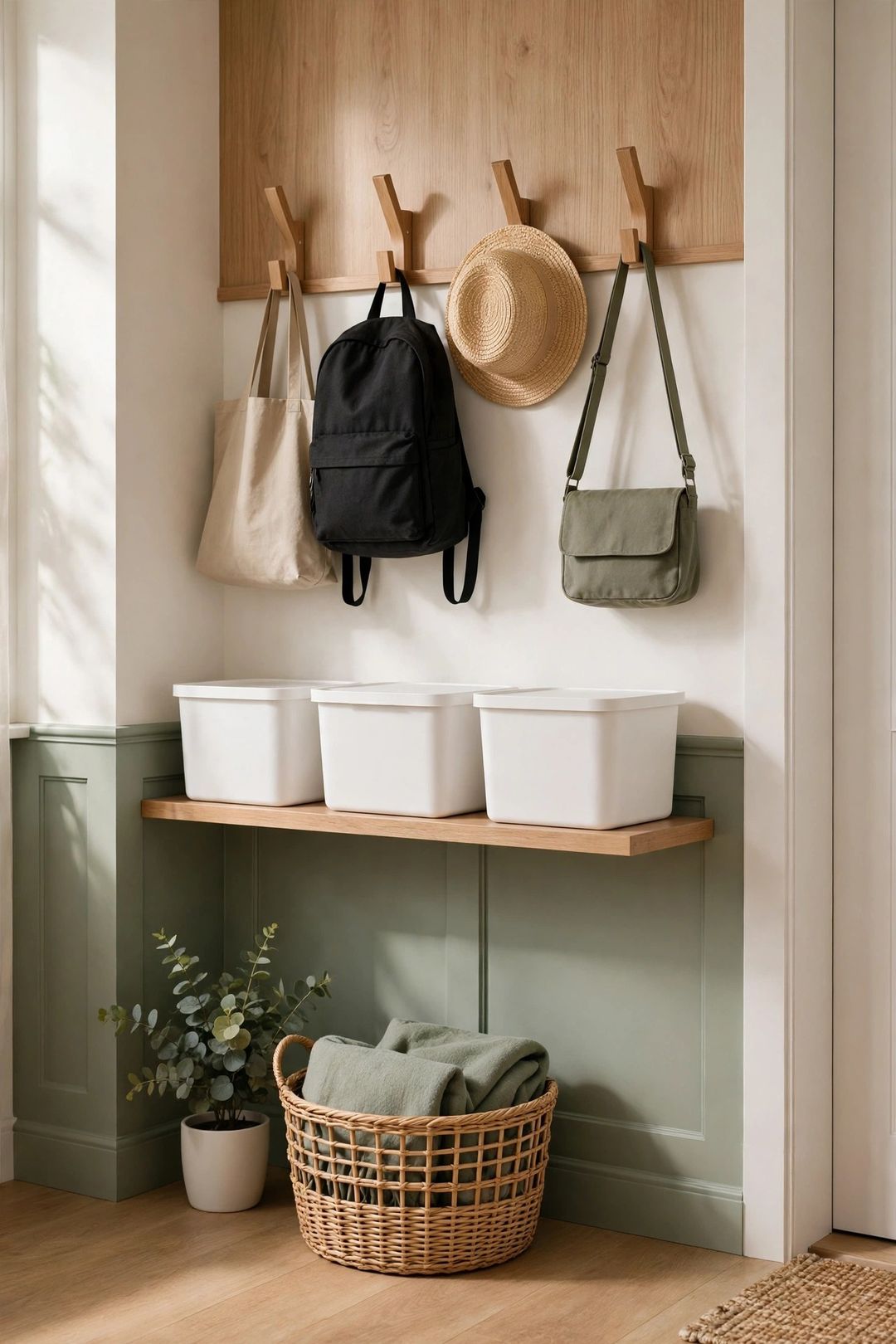
A tidy home does not need expensive bins or custom shelves. With dollar store organization hacks whole home planning, you can pick one color, one style, and repeat it room by room. Matching containers look calm, even when each piece was a low-cost find.
Start by measuring your shelves and drawers. List what needs a home, and shop with that list only. These sixteen ideas cover the kitchen, bathroom, closet, desk, and entryway.
1. Match Clear Jars in the Kitchen Pantry
Pour pasta, rice, and baking basics into the same style of clear jar. Line them up with the tallest at the back. One shape and one lid color make a busy pantry shelf look neat and open.
2. Use a Turntable Under the Sink
Place cleaning bottles on a small round tray or turntable under the kitchen sink. You can spin it instead of reaching past everything. Keep daily items at the front and refills at the back.
3. Corral Spices in a Small Basket
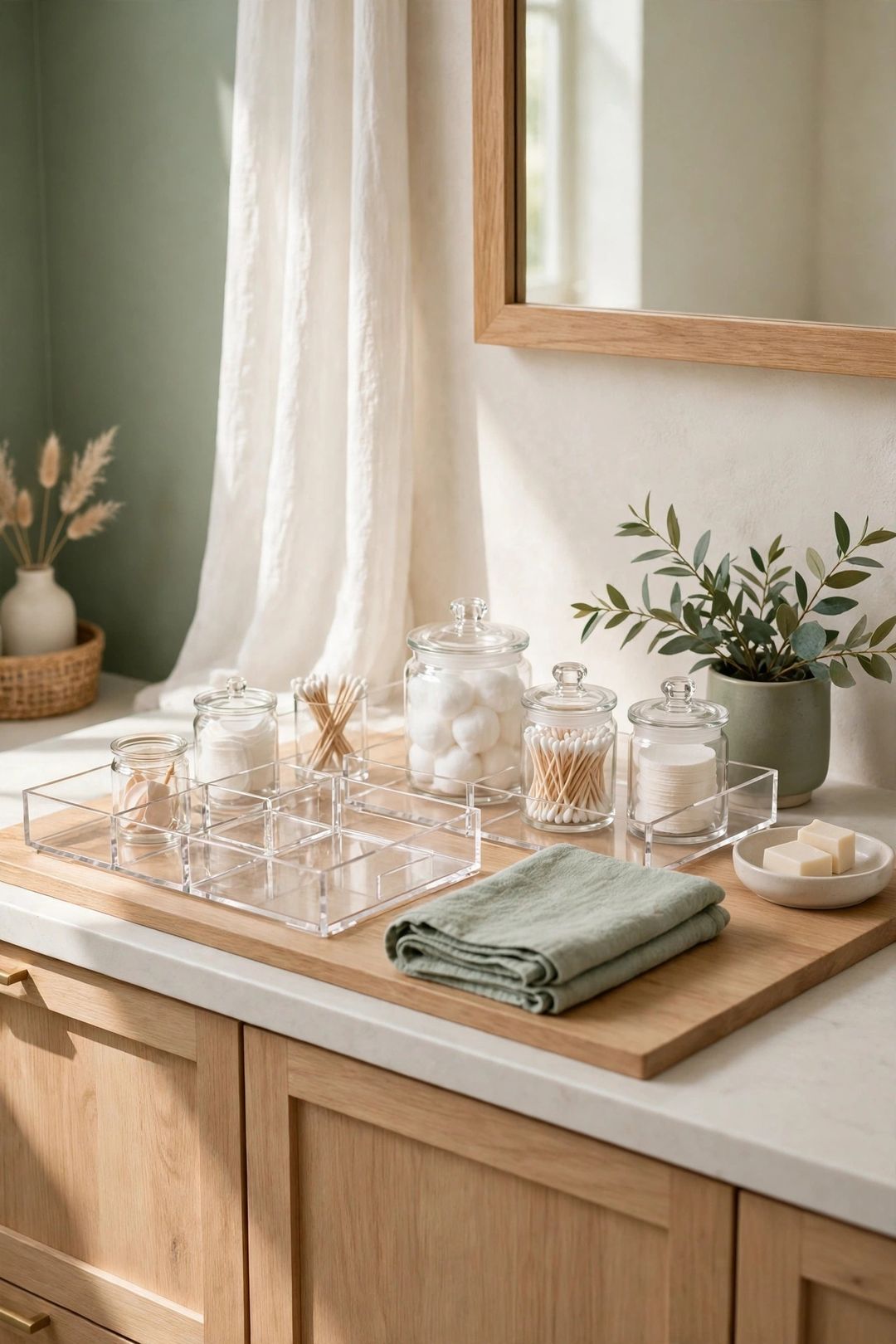
Stand spice jars upright in a narrow basket inside a cabinet or drawer. Group them by how you cook, like baking or weeknight meals. The basket lifts out in one move, so jars do not topple.
4. Add Shelf Risers for Cups and Bowls
A wire shelf riser doubles the useful space in a kitchen cabinet. Put bowls below and cups on top. Leave a little breathing room so stacks do not feel cramped or hard to grab.
5. Divide Bathroom Drawers With Small Trays
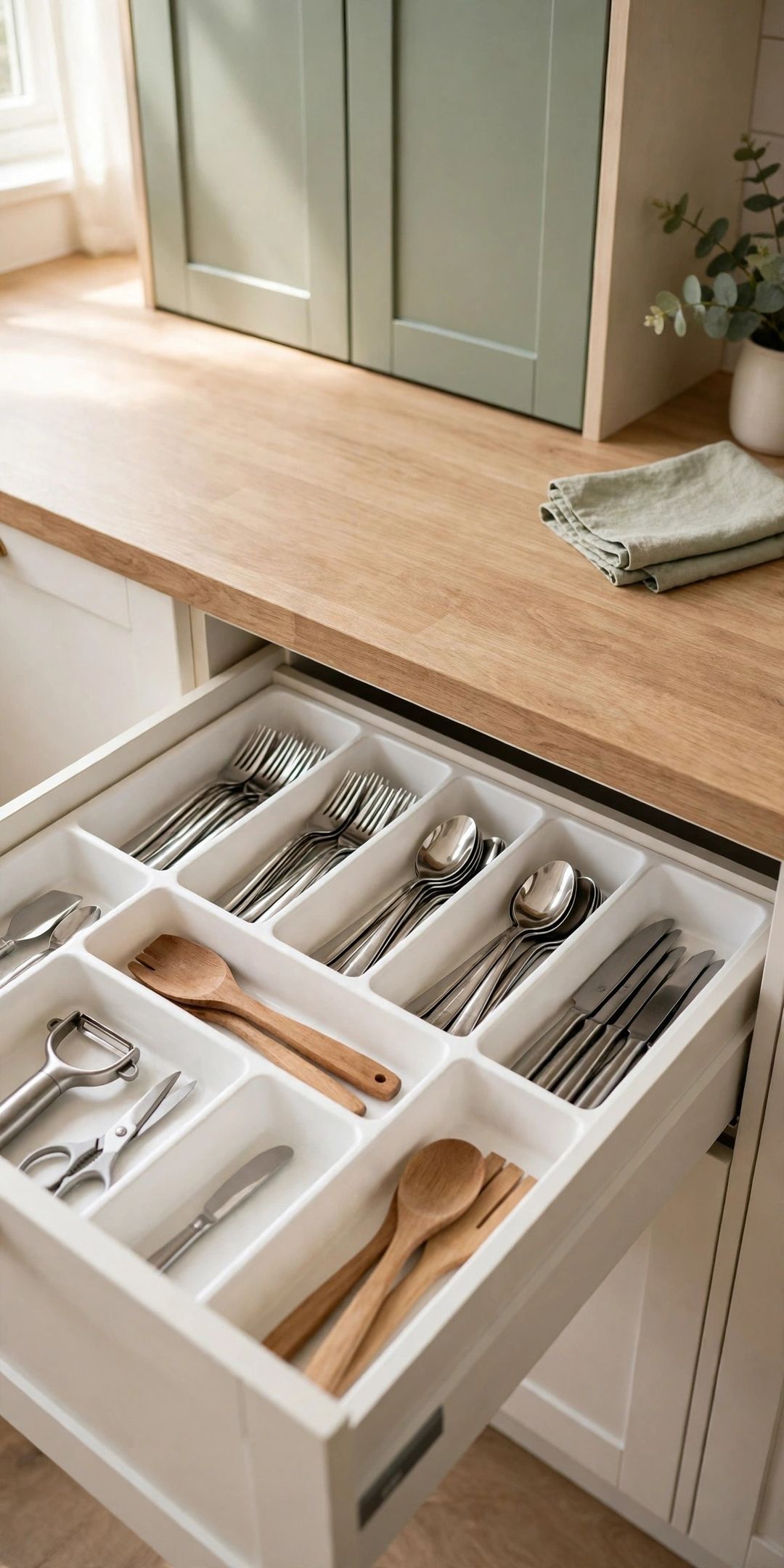
Drop small trays into a bathroom drawer for toothpaste, floss, hair ties, and cotton swabs. Give each daily item its own spot. When everything has a lane, the drawer closes cleanly.
6. Stand Bottles in a Shower Caddy Basket
Keep shampoo, wash, and razors in a handled basket you can lift out to clean. Choose one color for the whole basket so the bathroom looks simple, not cluttered.
7. Roll Hand Towels in a Basket
Roll hand towels and stack them in a basket on the counter or a shelf. Rolled towels show off their edges and look soft and neat, like a spa display.
8. Use Clip Hooks for Bathroom Cords
Stick or clip small hooks inside a cabinet door for hair tools and cords. Wrap each cord loosely before you hang it. This keeps hot tools off the counter and cords untangled.
9. Sort Closet Shelves With Matching Bins
Put out-of-season clothes, scarves, or extra linens in matching bins on the top closet shelf. Add a simple label to the front of each bin. Matching bins hide the visual mess.
10. Line Up Shoes on a Low Rack
Give everyday shoes a low rack or a row of trays by the closet floor. Pairs stay together and dirt stays in one easy-to-clean place. Keep only the shoes you wear often here.
11. Hang Accessories on Shower Rings
Clip tank tops, scarves, or small bags onto rings on one hanger. This one trick turns a crowded rod into a neat vertical line. You can see every piece at once.
12. Make a Desk Drawer With Divided Boxes
Fit small boxes inside a desk drawer for pens, clips, chargers, and sticky notes. Leave one open space for your phone or notebook. A divided drawer closes without a rattle of loose items.
13. Stand Papers in Magazine Holders
Use magazine holders on your desk for mail, notebooks, and folders. Label one for action, one for filing, and one for waiting items. Papers stand upright where you can see them.
14. Hide Desk Cords in a Lidded Box
Feed charger cords through a lidded box or basket with holes for the ends. The box hides the tangle and keeps plugs in one place. Leave space around power strips for air flow.
15. Create an Entryway Drop Tray
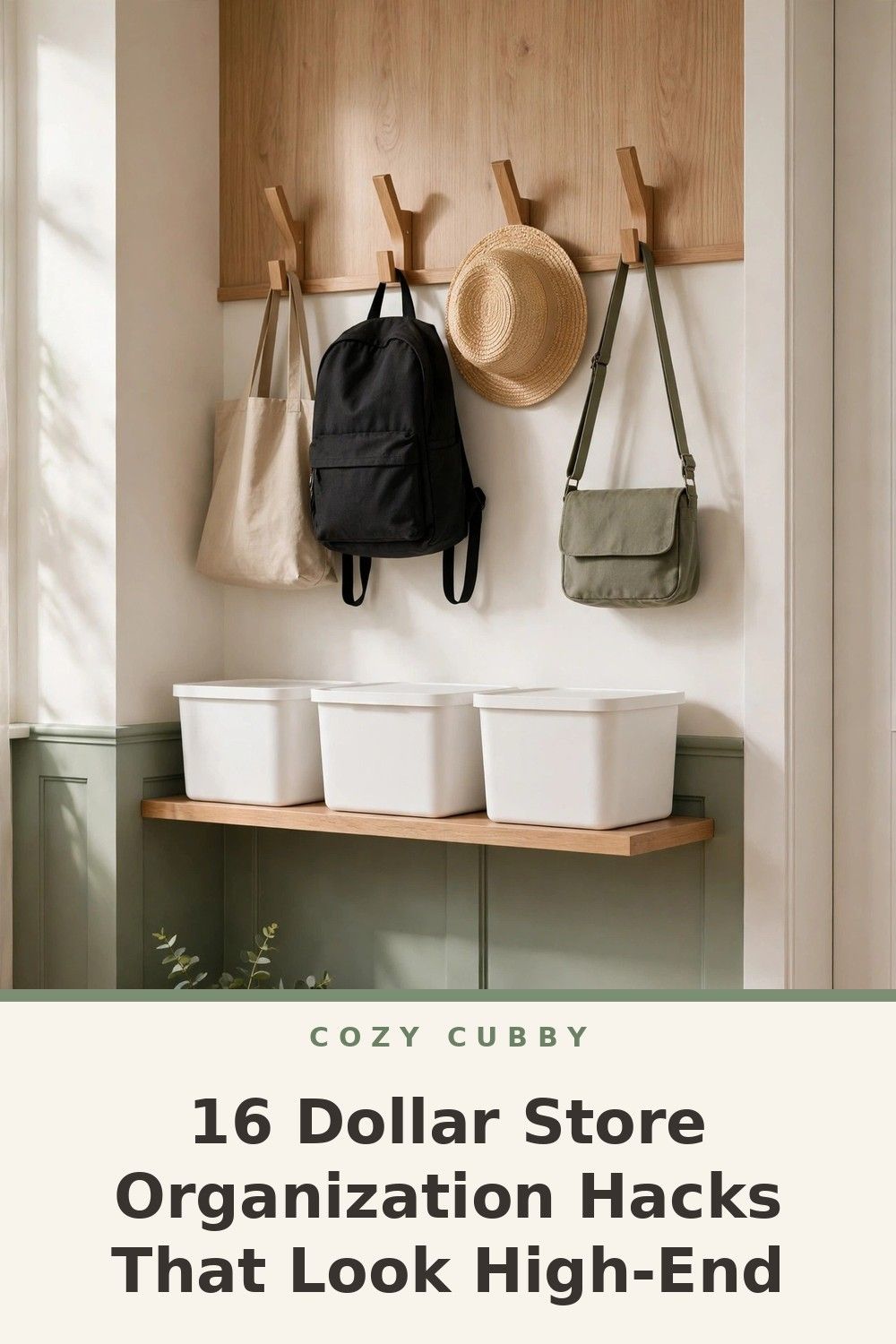
Set a flat tray or shallow basket by the door for keys, sunglasses, and your wallet. One drop spot stops small items from spreading across counters.
16. Build a Cleaning Caddy for the Whole Home
Fill a handled caddy with a cloth, spray, and small trash bags, then carry it room to room. Keeping basics together makes quick cleanups easier to start. Store the caddy in the entry closet or laundry area so it is always ready.
What to Buy
Clear jars and canisters: Pro: They make pantry shelves look uniform and show what you have. Con: Glass can be heavy on high shelves. Skip if your shelves are very deep and jars would get lost at the back. Typically $5–$12 for a small set.
Matching bins and baskets: Pro: Repeating one color is the fastest way to get a high-end look. Con: Odd sizes can waste shelf space. Skip if you have not measured first. Typically $8–$20 for a group of small bins.
Small trays and drawer dividers: Pro: They turn loose drawers into tidy lanes. Con: Tiny sections do not fit bulky tools. Skip if your drawer is too shallow to close with trays inside. Typically $6–$15.
Hooks, rings, and labels: Pro: Cheap basics, usually a few dollars, that finish a project and make it easy to keep up. Con: Sticky hooks can fail on damp walls. Skip if the surface is rough or wet. Typically in the $1–$5 range for small basics, and $5–$10 for label sets.
Mistakes to Avoid
- Buying bins before you measure: A pretty bin that does not fit is just more clutter to store.
- Mixing too many colors and styles: A jumble of patterns is what makes low-cost finds look cheap.
- Shopping without a list: It is easy to bring home extras that solve no real problem.
- Hiding things you use daily: If a system is slow to open or reach, you will stop using it.
- Skipping labels: Without labels, bins turn into mystery boxes within a few weeks.
Frequently Asked Questions
How do you make low-cost organizers look high-end?
Repeat the same color, material, and shape across a room. Remove busy packaging, line items up with even spacing, and add simple labels. Calm and consistent almost always looks more expensive than a mix of fancy single pieces.
What should you buy first on a tiny budget?
Start with matching bins for the mess you see most, plus labels. Those two basics, typically in the $1–$5 range for small pieces, fix shelves, closets, and entry spots fast and make the whole room feel more planned.
Are clear containers better than solid bins?
Use clear containers for food and craft supplies you need to check at a glance. Use solid bins for mixed clutter you would rather hide, like cords, tools, or spare toiletries. Many tidy homes use both, room by room.
How do you keep the system working?
Give every item one home, and do a five-minute reset when a spot starts to drift. If a bin keeps overflowing, edit what is inside before you buy a bigger one. Simple rules beat a perfect setup that no one follows.
Pick one room, choose one bin color, and try three of these hacks this week. Save this post to your Small-Space Storage board on Pinterest so you can find the list before your next shop, and share it with a friend who loves a tidy home on a budget.