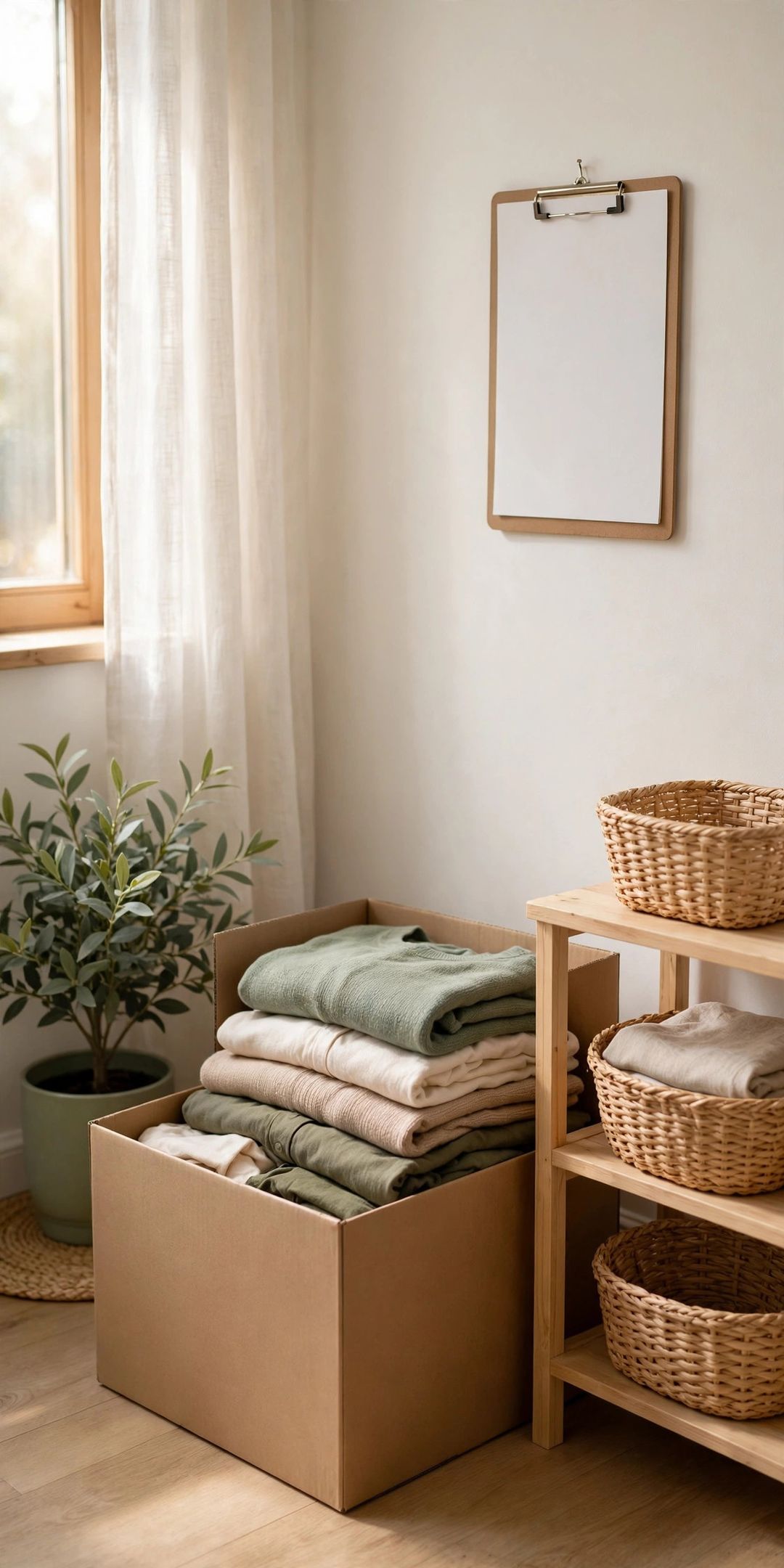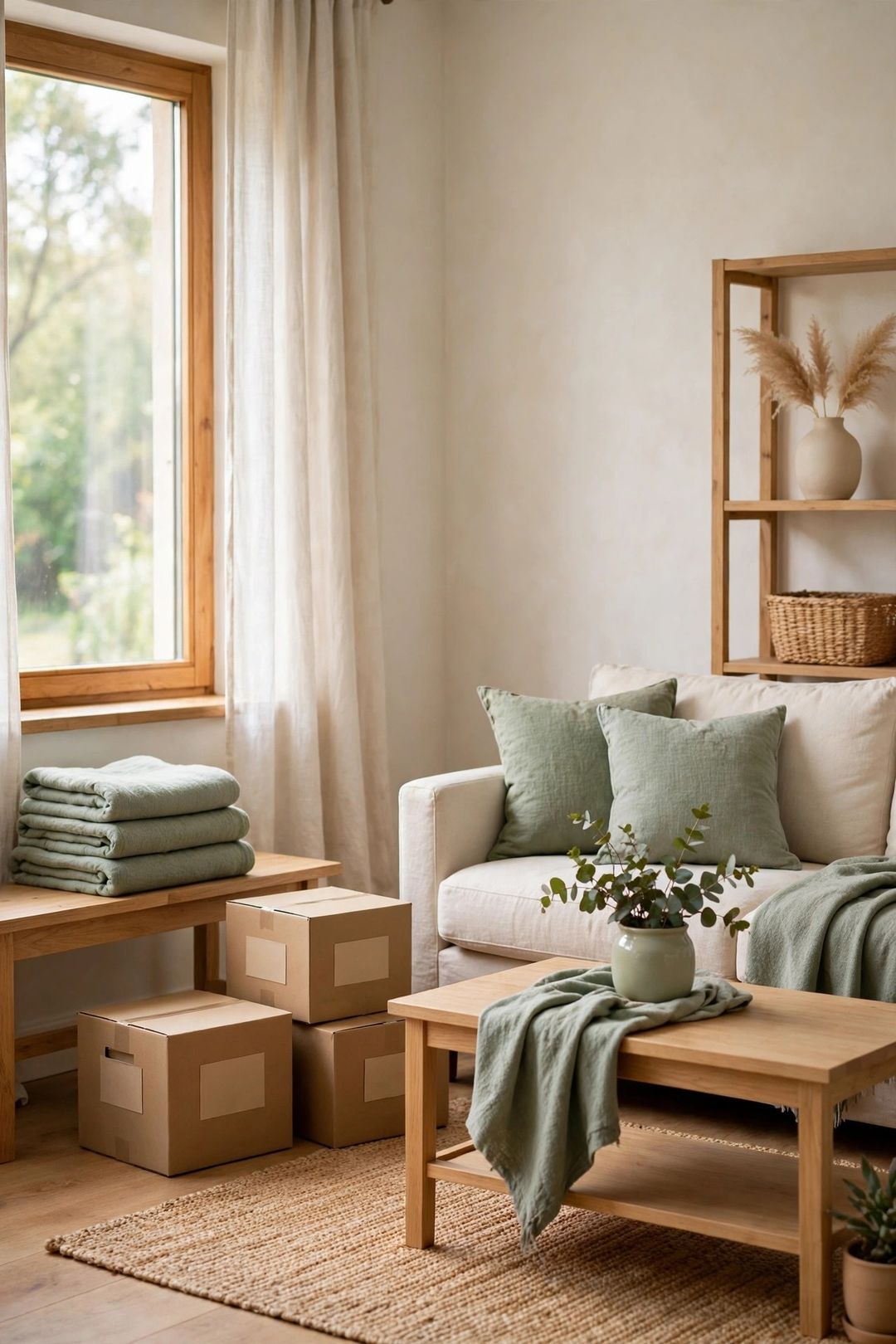
Moving to a smaller home asks for a lot of choices in a short time, and that can feel heavy even when the move is a good one. A clear downsizing declutter plan house to apartment turns those choices into an order you can follow, one phase at a time, so nothing is left to the last weekend.
The goal is simple: arrive with what fits, what you use, and what you love, and nothing that needs a storage unit for overflow. This plan works backward from your new space. Your new rooms set the limits, and those limits make decisions easier.
Phase One: Measure the New Space First
Before you sort a single drawer, get the real size of the new apartment. Ask for a floor plan with room sizes if one is available, and measure during a visit if you can. Write down the length and width of each room, closet sizes, and the width of doors, halls, and any elevator you will use.
Pay close attention to storage. Count kitchen cabinets, check for a linen closet, and note where cleaning tools, luggage, and seasonal items could go. Garage, attic, and spare-room belongings need a smaller home in your plan.
Keep these numbers in one notebook or phone note. Every later phase refers back to them, and guessing is how extra furniture makes the trip and then blocks a doorway.
Phase Two: Set Room-by-Room Keep Quotas
With measurements in hand, give each new room a simple keep quota: a clear limit in plain terms. One bookcase of books. One dresser of clothing. One cabinet of dishes. One small bin of keepsakes per person. Quotas turn a vague wish to keep less into a target you can see.
Work room by room. The new kitchen may have half the cabinet space, so your quota might be the dishes and tools used in a normal week, plus a few favorites for guests. The new closet sets the clothing quota.
Sort each category down to its quota by choosing favorites first. Fill the shelf or bin with items you reach for most, and let what remains be the group to sell, donate, or recycle. Choosing what to keep feels kinder, and moves faster.
Phase Three: Decide on Furniture Early
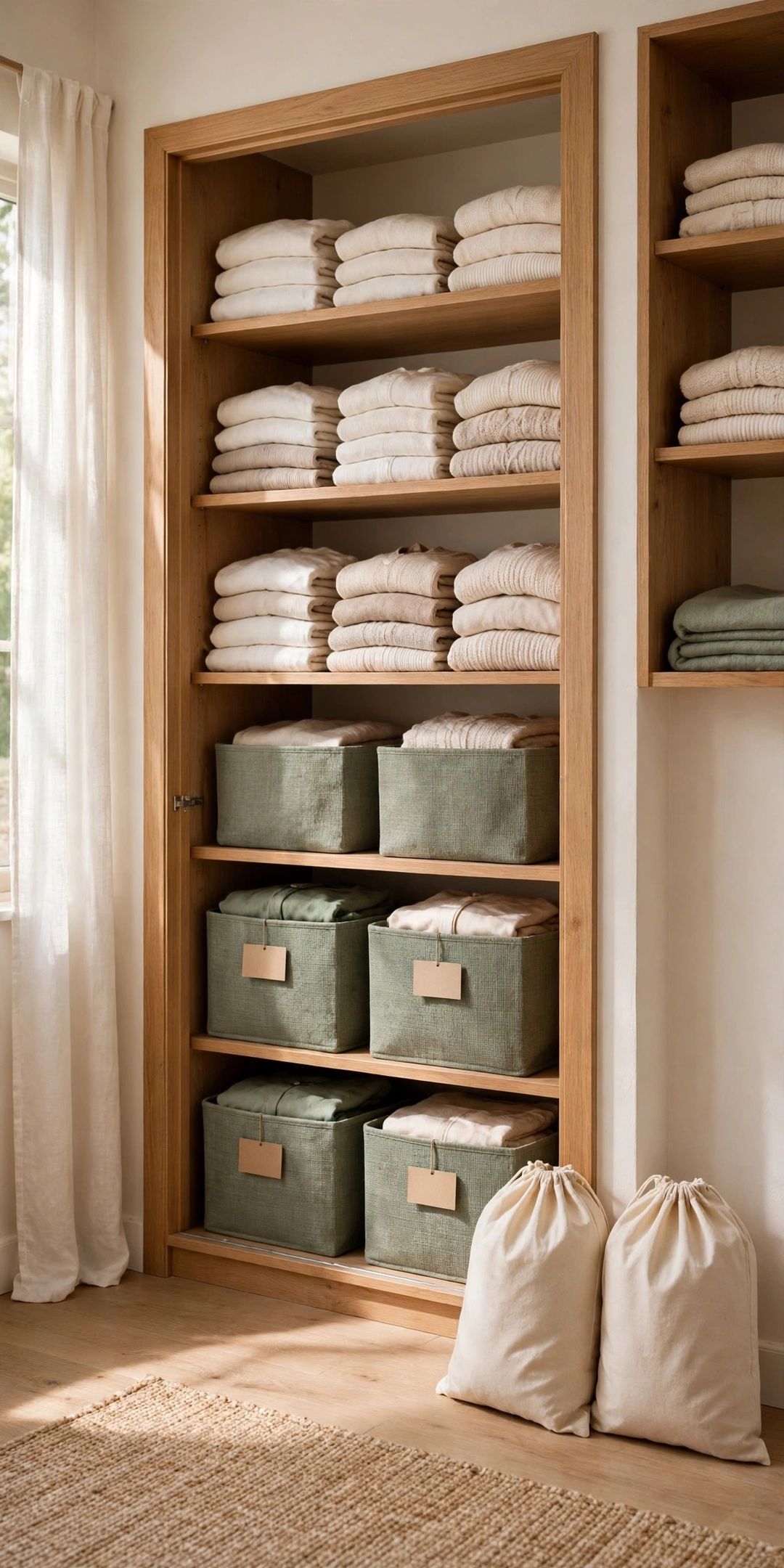
Furniture is the biggest part of a move, so decide on it early. Using your measurements, list each large piece and mark it clearly: fits and comes, fits but is not needed, or does not fit and will not come. Check sofas and tables against door widths as well as room sizes.
Think about how each room will work day to day. A smaller living room may hold a loveseat and one chair better than a large sectional. Leave clear walking paths in your plan, not just enough inches for each piece.
Once a piece is marked as not coming, act while you still have time. Early decisions give you calm weeks to sell, donate, or pass pieces to family. Write each decision down so it stays settled.
Phase Four: Sort What Leaves — Sell, Donate, Recycle
Everything that is not coming needs a clear exit path. Selling works best for furniture and tools in good shape that you have time to list. Price fairly, take clear photos in good light, and set a firm pickup deadline well before your move date.
Donating suits clean, useful items someone else can use right away, like kitchen basics, linens, books, and clothing. Bag donations as you sort and drop them off in small trips. Small steady trips beat one giant hallway pile.
Recycling and disposal cover the rest: worn-out items, broken tools, and paper you no longer need. Check local rules for special items, like old paint, before moving week. A storage unit is not a fourth path in this plan.
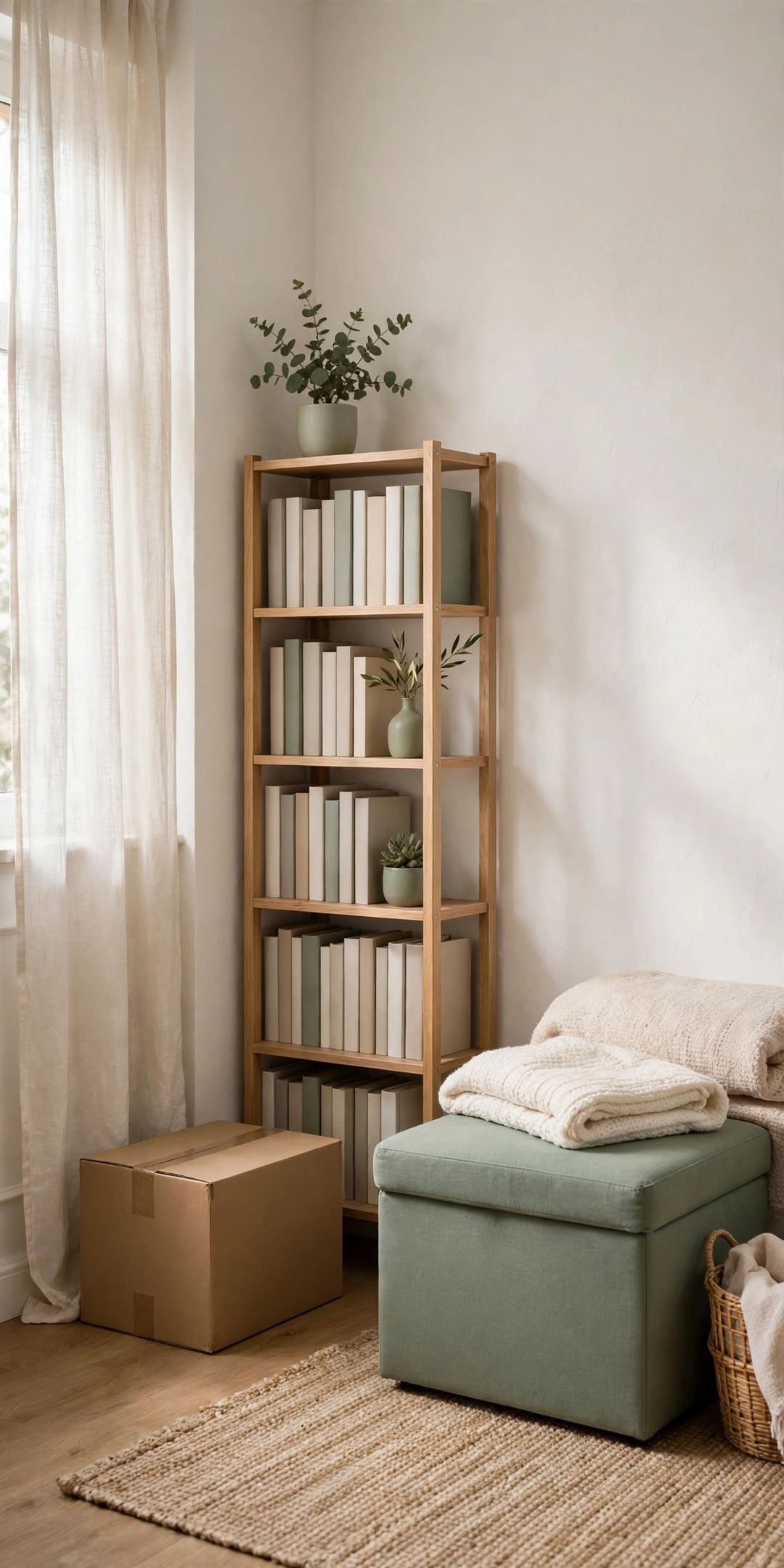
Phase Five: Work Backward From Move Day
Build your timeline by starting at move day and walking backward. Move day itself is for the truck, the keys, and first-night basics, not for sorting. The days just before are for packing what remains, cleaning, and final drop-offs, so all sorting must finish before then.
Start several weeks out with storage areas, garages, and least-used rooms, where decisions tend to be easier. Move next to closets, books, and kitchen extras. Save daily-use rooms for last, and pack a labeled first-night box with bedding, towels, tools, chargers, and simple food.
Put real dates next to each phase and protect them like appointments. If a phase slips, shrink the maybe pile faster. If an item has no decision when its deadline arrives, let your quota decide: if it does not fit, it does not move.
What to Buy
Buy only what helps you measure, sort, and pack what you already own.
Tape measure, typically $8–$15. Pro: gives exact room, closet, and doorway numbers for every decision. Con: none, really, if you do not already own one. Skip if you can borrow one for the measuring visit.
Painter's tape and a marker, typically $6–$12. Pro: marks furniture and boxes as keep, sell, or donate without residue. Con: tape can lift on dusty surfaces. Skip if you prefer sticky notes you already have.
Sturdy moving boxes in a few sizes, typically $15–$35 for a bundle. Pro: uniform sizes stack well and pack faster than odd boxes. Con: buying too many wastes money. Skip if friends can supply clean, strong boxes in time.
Clear storage bins, typically $10–$20 each. Pro: you can see contents at a glance while settling in. Con: bins cost more than boxes. Skip if new closets and cabinets are ready to receive items directly.
Mistakes to Avoid
- Sorting before you measure the new space. Without real numbers, keep decisions are guesses, and too much ends up moving with you.
- Keeping furniture just in case it fits. If a piece has no measured spot, it needs an exit plan, not a ride on the truck.
- Using a storage unit as a decision delay. Parked items still take effort to manage, and decisions are easier before the move than after it.
- Leaving sales and donations until moving week. Listings, pickups, and drop-offs take time, and that time disappears fast in the final days.
- Packing every room at the same pace. Storage areas and spare rooms need the most time, so start there and save daily rooms for last.

Frequently Asked Questions
How far ahead should you start a downsizing declutter?
Start as soon as the move is certain. Measuring and furniture decisions come first because they shape everything else. If time is short, shrink each phase rather than skipping it.
What if family members disagree about what to keep?
Let the new space settle most disputes. Measurements and quotas are neutral: a piece either has a real spot or it does not. For keepsakes, give each person a small quota, like one bin.
How do you downsize a kitchen for a smaller apartment?
Count the new cabinets first, then keep the tools and dishes used in a normal week. Duplicates and rarely used appliances are usually easiest to release.
What should go in a first-night box?
Pack bedding, towels, a change of clothes, toiletries, chargers, a small tool kit, and simple food. Label it clearly and load it last, so the first evening is rest, not a search.
Downsizing goes best when your new home leads: measure it, let it set your quotas, and work backward from move day. Save this post to your Declutter & Routines board on Pinterest, start with your measurements this week, and let each phase make the next one lighter.