A spare room is helpful for guests, but it is not required for a good visit. What guests actually need is a flat, clean place to sleep, a small spot for their things, and a curtain or door they can close. Everything else is a bonus.
This guide shows how to host overnight guests without a guest room in a studio, one-bedroom, or small family home. The system has four parts: a sleep setup that stores away, a guest kit in one basket, a cleared drawer or shelf, and a fast morning reset.
Set up the sleep area before the guest arrives. A ready bed signals that the visit is welcome, not squeezed in.
Step 1: Choose a Sleep Setup That Stores Away
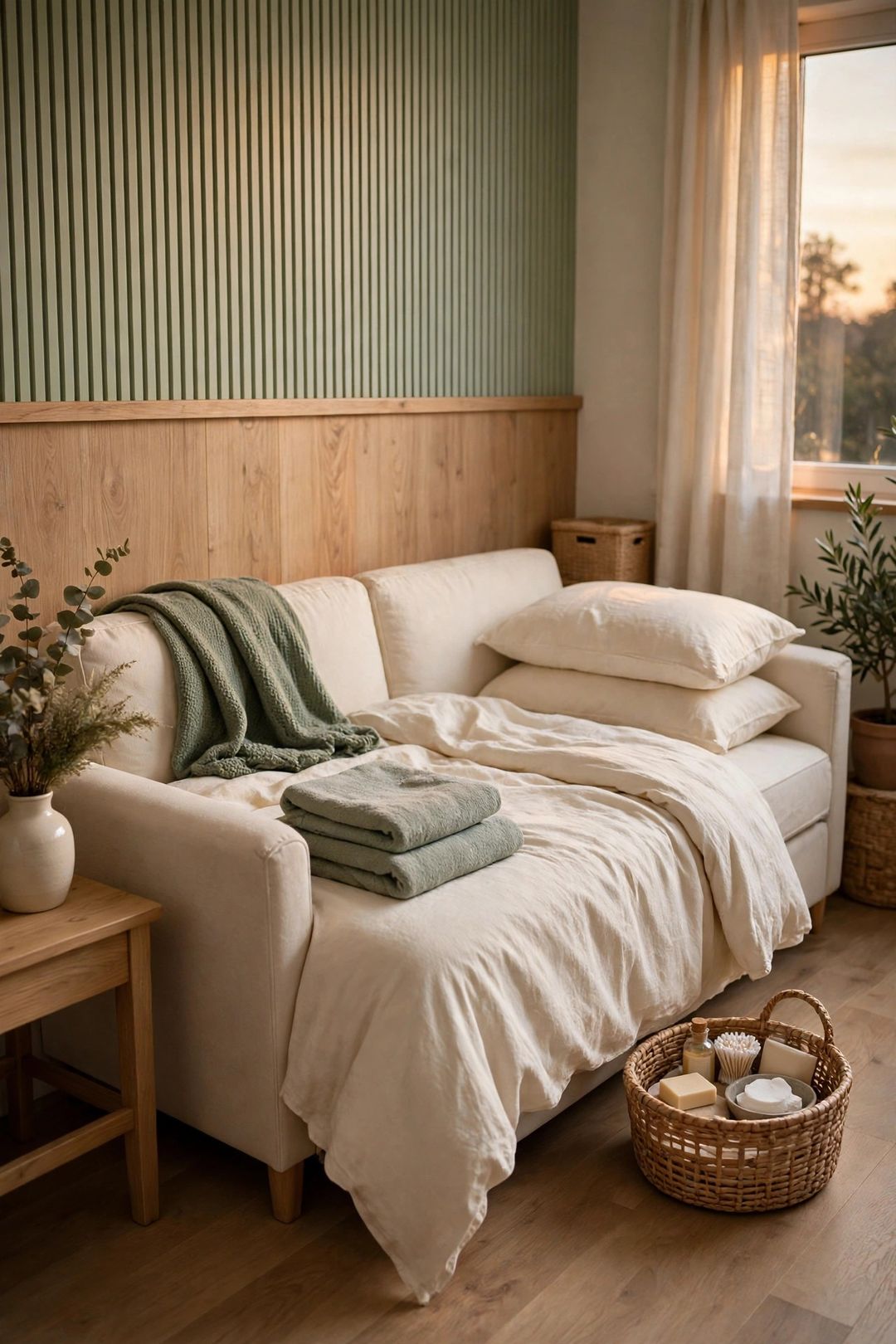
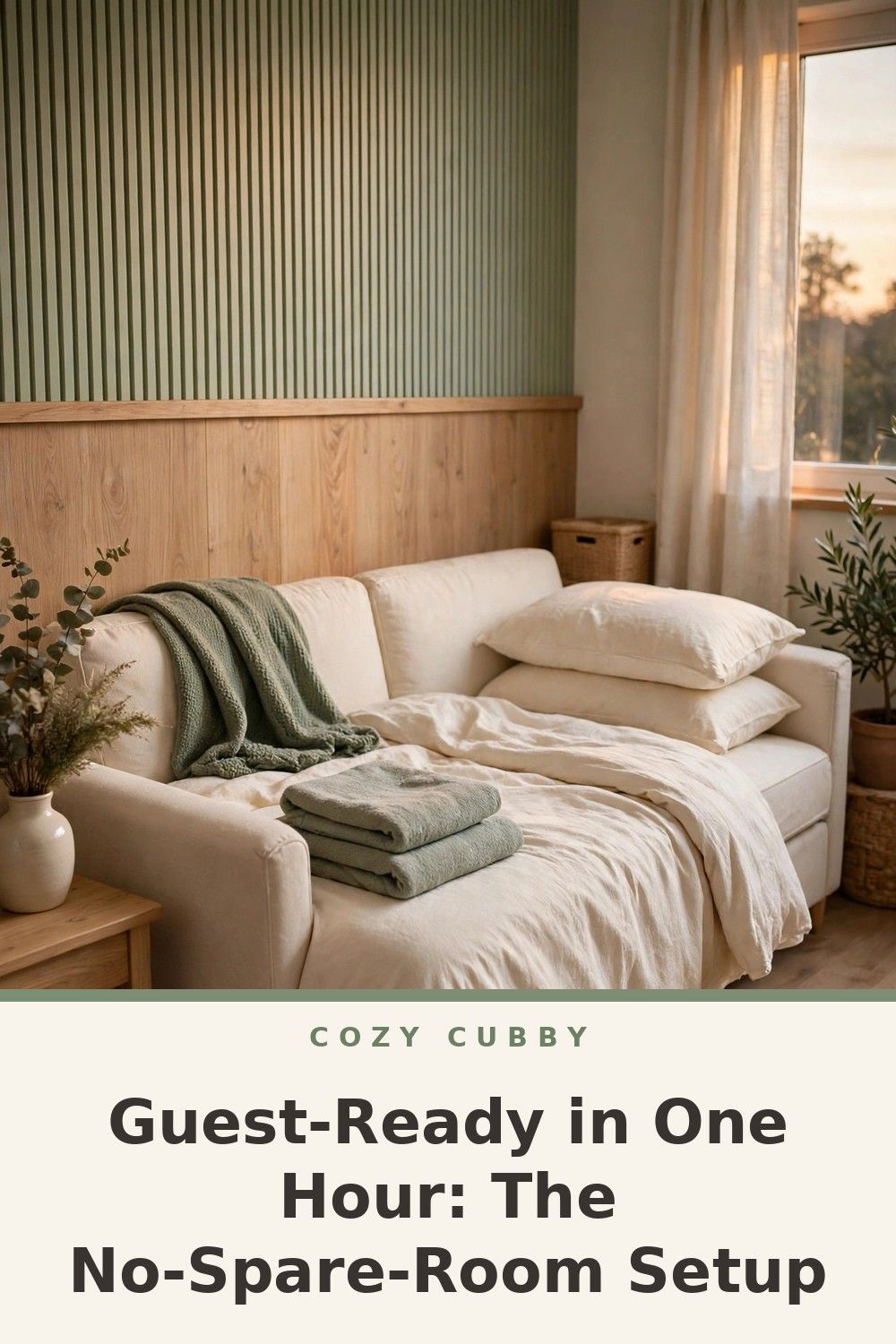
Option A: A sofa bed or sleeper sofa. The simplest setup if the living room already holds one, because the bed folds back into daily seating in minutes. Add a thin topper if the surface feels uneven, and keep the sheet and blanket in a nearby basket — the only extra storage it needs.
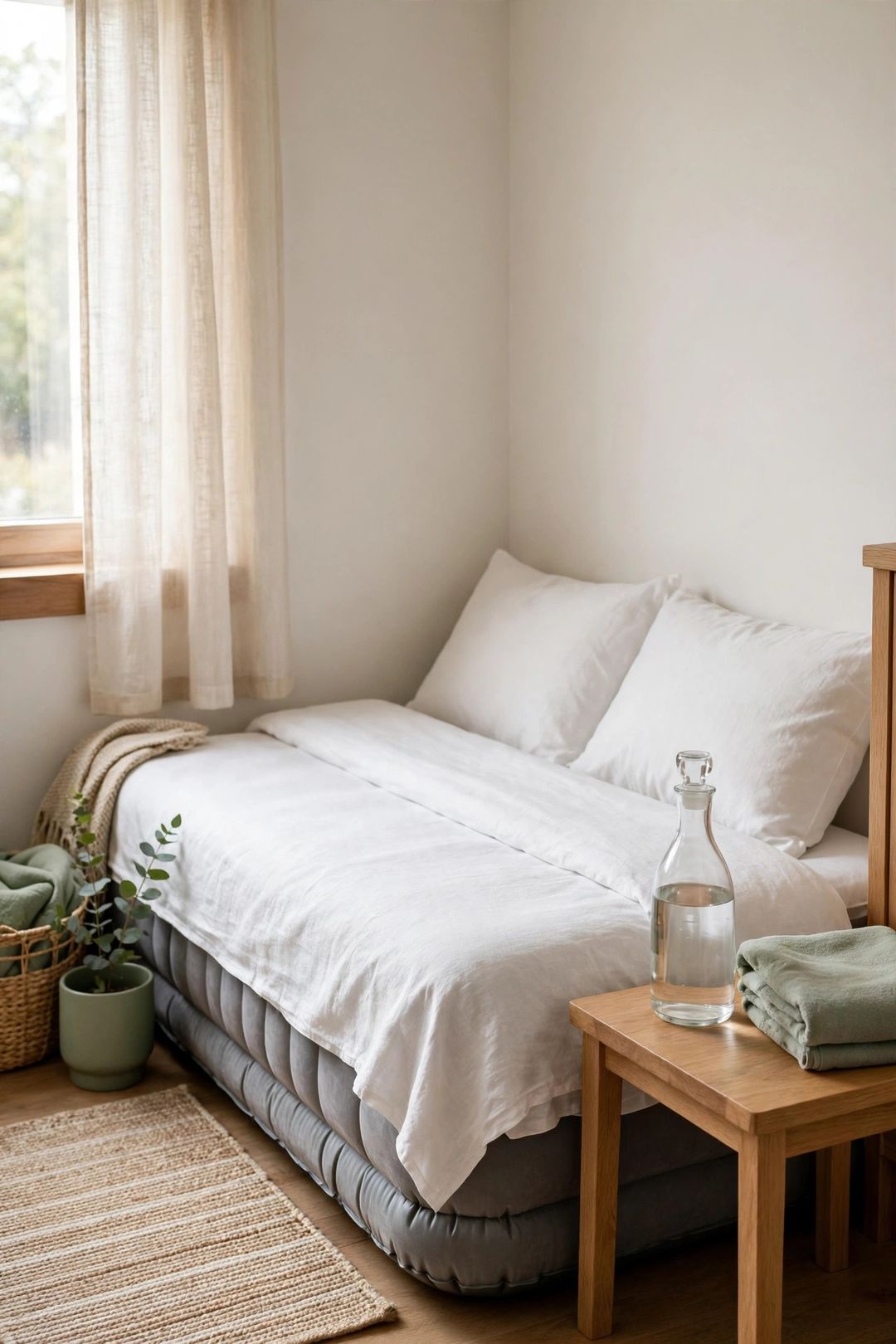
Option B: An air mattress. A raised model suits guests who find getting up from the floor hard; a standard-height one fits tighter budgets. Store it deflated in its bag on a closet shelf or under a bed, pump included. Inflate it before the guest arrives and check for leaks.
Option C: A floor mattress or thick folding mat. A trifold foam mattress is firm, quiet, and has no pump. It stores upright in a closet, flat under a bed, or behind a sofa, and suits younger guests and children well.
Whichever setup is chosen, add the same layers: a washable protector underneath, normal bedding on top, and one extra blanket at the foot. Keep the full spare bedding set together in one bag or bin.
Step 2: Build a Guest Kit in One Basket
One basket or lidded bin, kept stocked between visits, removes the last-minute scramble. Place it beside the sleep area on arrival and return it to a closet after the visit.
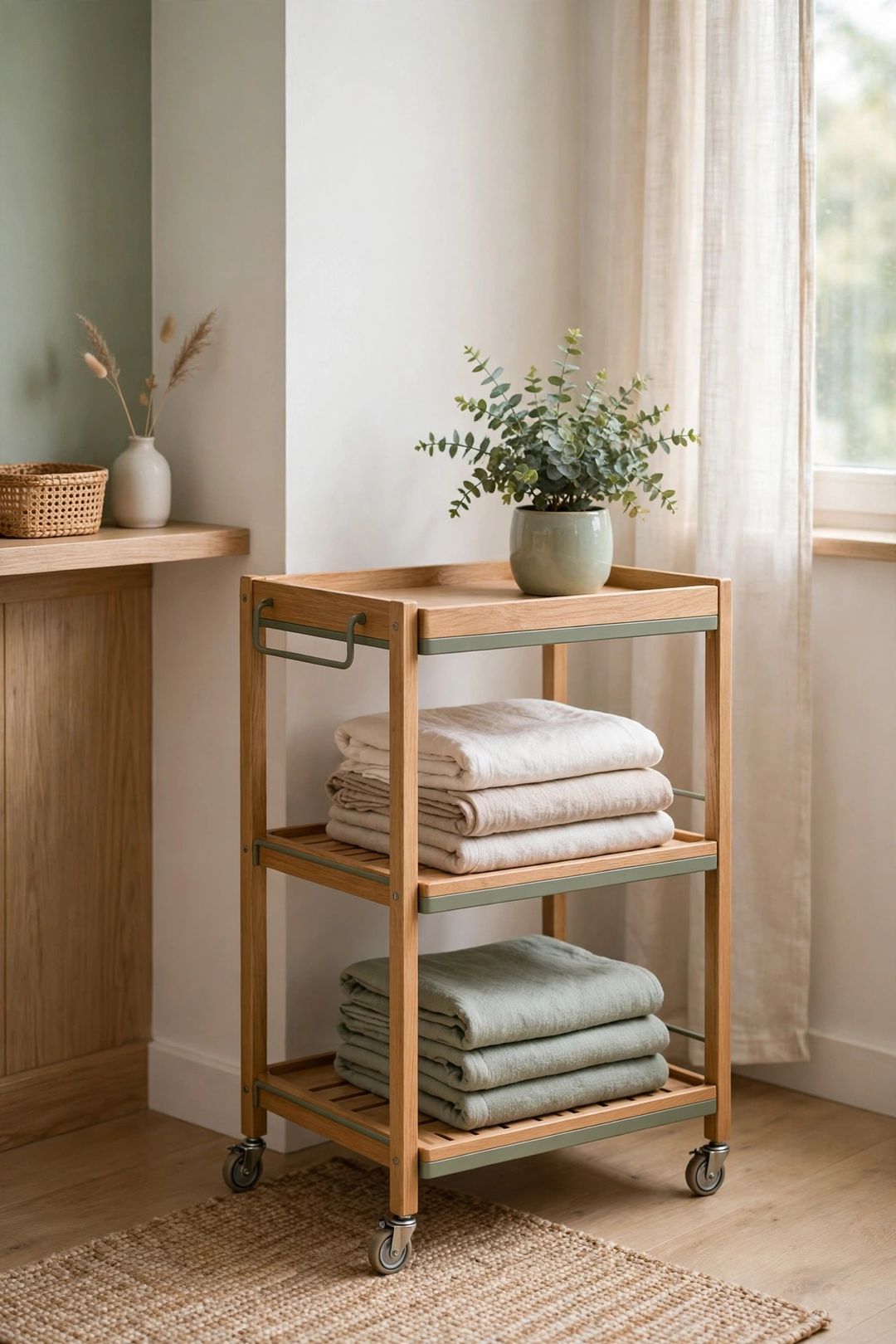
Include sleep and towel basics. Add a clean bath towel, a hand towel, and a face cloth, folded or rolled to fit the basket.
Include simple toiletries. A small pouch with travel-size shampoo, soap, toothpaste, and a sealed spare toothbrush covers what guests most often forget. Replace only what was used after each visit.
Include power and water. Add a charging cable and a small power strip if the nearest outlet sits behind furniture. Set a filled water bottle or covered carafe by the bed, so the guest need not search the kitchen at night.
Include two small comforts. Earplugs and a night-light help a guest sleep in an unfamiliar space. A card in the basket with the Wi-Fi password saves the late-night question entirely.
Step 3: Clear a Drawer, Shelf and Small Surface
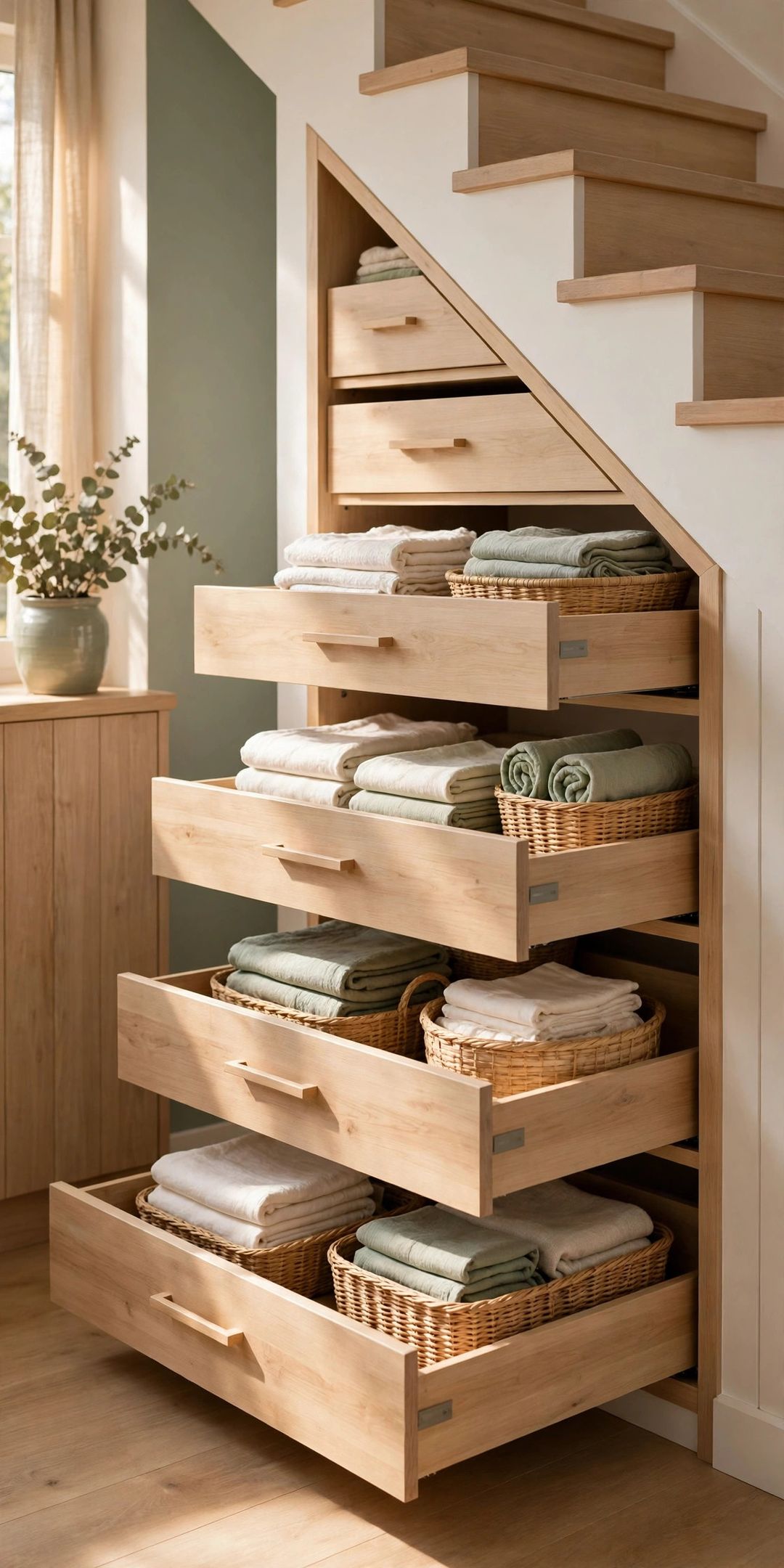
Guests feel settled when their things have a place that is not the floor. Clear one drawer, closet shelf, or wardrobe section and leave it fully empty before arrival, with two spare hangers above it.
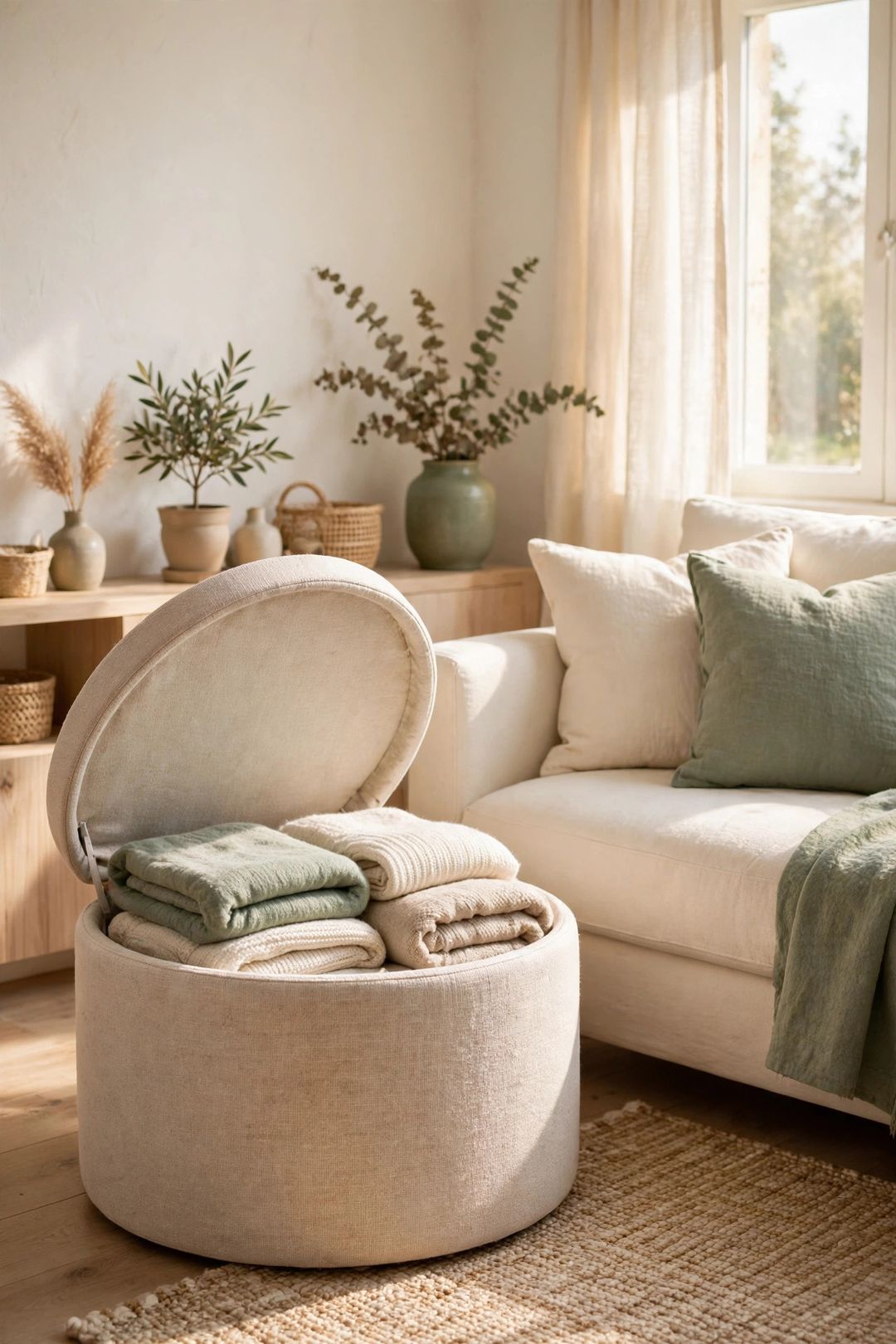
Clear one small surface next to the sleep area as well — a stool, side table, or storage ottoman — for a phone, glasses, and the water bottle. In the bathroom, clear one short shelf or add a caddy for the guest's toiletries, plus a hook for their towel.
Set one corner for luggage too: behind the sofa or at the foot of the sleep area. An open suitcase on a low stand keeps clothes off the floor and out of walkways.
Step 4: Add Privacy Without a Door
Hang a curtain. A tension rod and curtain across a doorway or alcove creates a visual barrier in minutes and removes just as fast. Choose a heavier fabric to also soften sound and block light.
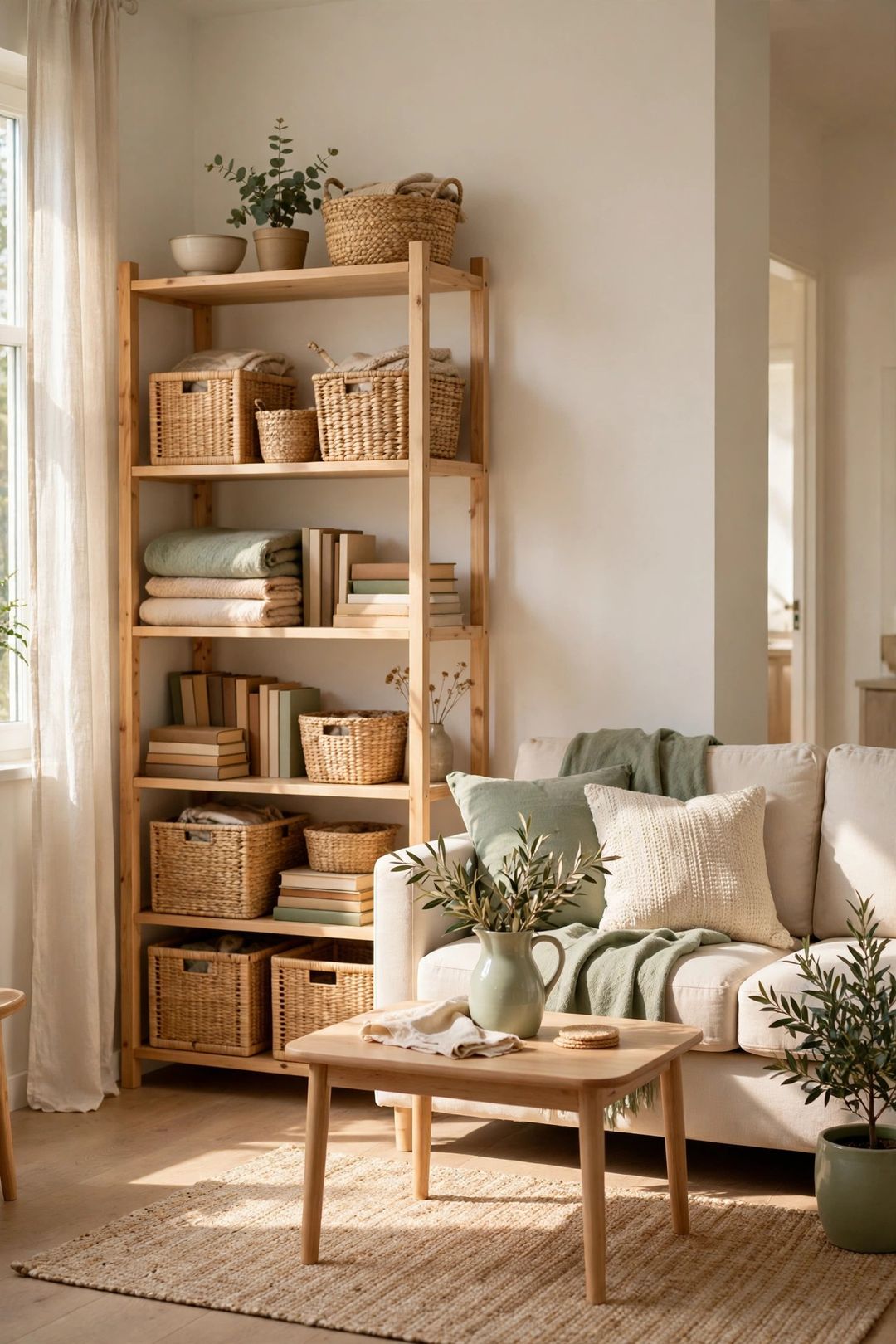
Use a folding screen or bookcase. A screen stores flat against a wall between visits. An open bookcase at the edge of the sleep area works the same way and adds shelf space for the guest kit.
Agree on simple signals and times. Agree on when the living room becomes the guest's room for the night, when lights go out, and a knock-or-call habit before entering the curtained area in the morning.
Step 5: The Morning Reset
A fast reset keeps hosting from taking over the next day. Strip the bedding into a laundry basket, fold the mattress once dry, and return the sleep setup to its storage spot first.
Next, restock the guest kit rather than emptying it: wash and roll the towels, replace used toiletries, coil the cable, and set the basket back in its spot. Return the drawer and shelf to daily use last.
What to Buy
A trifold foam floor mattress, typically $60–$120. Pro: Firm, quiet, and stores upright in a closet. Con: It takes more storage length than a rolled air mattress. Skip if: Your guests need a raised bed.
An air mattress with a built-in pump, typically $50–$110. Pro: Inflates fast and packs down to one shelf. Con: It can lose air overnight. Skip if: There is no outlet near the sleep area.
A lidded basket or bin for the guest kit, typically $12–$25. Pro: One container keeps towels, toiletries, and cables ready. Con: A too-small basket forces extras elsewhere. Skip if: A spare drawer can hold the whole kit.
A tension rod and curtain panel, typically $20–$45 for both. Pro: Instant privacy with no drilling. Con: Wide openings may need a longer rod that sags. Skip if: A screen already divides the space.
A washable mattress protector, typically $15–$30. Pro: Protects sofa beds and floor mattresses and washes with the bedding. Con: Some feel warm under a thin sheet. Skip if: Each setup already has a fitted cover.
Mistakes to Avoid
- Setting up the bed after the guest arrives. Inflating mattresses and hunting for sheets in front of a tired guest makes a planned visit feel like an imposition.
- Scattering guest items across the home. Towels in one room, a charger in another, and toiletries in a third means repeated searching for everyone.
- Clearing no space for the guest's things. With no drawer, shelf, or surface, bags stay open in walkways and the home feels crowded.
- Skipping the privacy step. A curtain or screen takes minutes, and without one, neither side of the room fully relaxes.
- Leaving the reset for days. A folded bed and restocked kit take about 15 minutes on the last morning; left longer, they become clutter.
Frequently Asked Questions
What is the best sleep setup for a very small living room?
A trifold floor mattress or a standard air mattress usually fits best, because both store in a closet or under a bed. Measure the floor with the setup fully open, including walking space, before choosing.
How far ahead should the guest area be set up?
Set up the bed, basket, and cleared drawer before the guest arrives, even if only by an hour. Towels and toiletries can be stocked days ahead, since the kit stays ready between visits.
What if there is only one bathroom?
Keep the guest's items in one caddy or on one cleared shelf, agree on a rough morning order, and leave a hook for their towel. A small mirror in the sleep area also eases pressure on the bathroom.
How can a guest area work in a studio?
Use a curtain or screen to mark the sleep corner, keep the kit and luggage in that corner, and agree on lights-out and wake-up times. One defined corner keeps the rest of the studio feeling separate.
A small home can host well with one good sleep setup and one stocked basket. Save this post to your Small-Space Storage board on Pinterest so the system is ready before the next guest calls.