Toy clutter grows fast, and sorting it out can feel hard for a child. Favorite toys carry real feelings. Learning how to declutter toys with kids works best as a slow, honest process: short sessions, clear piles, and no surprises. A child who helps decide accepts the result far more calmly.
The twelve ways below move in a gentle order: setup, sorting together, then letting go. Nothing here involves secret toss-outs or shame. Honesty in simple, age-appropriate terms is the rule from start to finish.
Set the Stage
1. Give Fair Warning Ahead of Time. Tell the child a day ahead that a toy sort will happen, and why. Surprise sorting often triggers tears; a calm warning gives time to think and name true favorites. The limit is patience — the plan must stay kind, never a threat about toys disappearing.
2. Keep Sessions Short and End on Time. Set a timer for a short session, then stop when the timer rings, even mid-pile. Tired, hungry, or rushed sorting often ends badly, so pick a fed, rested time of day. The drawback is speed: small sessions mean the full room takes several days, not one afternoon.
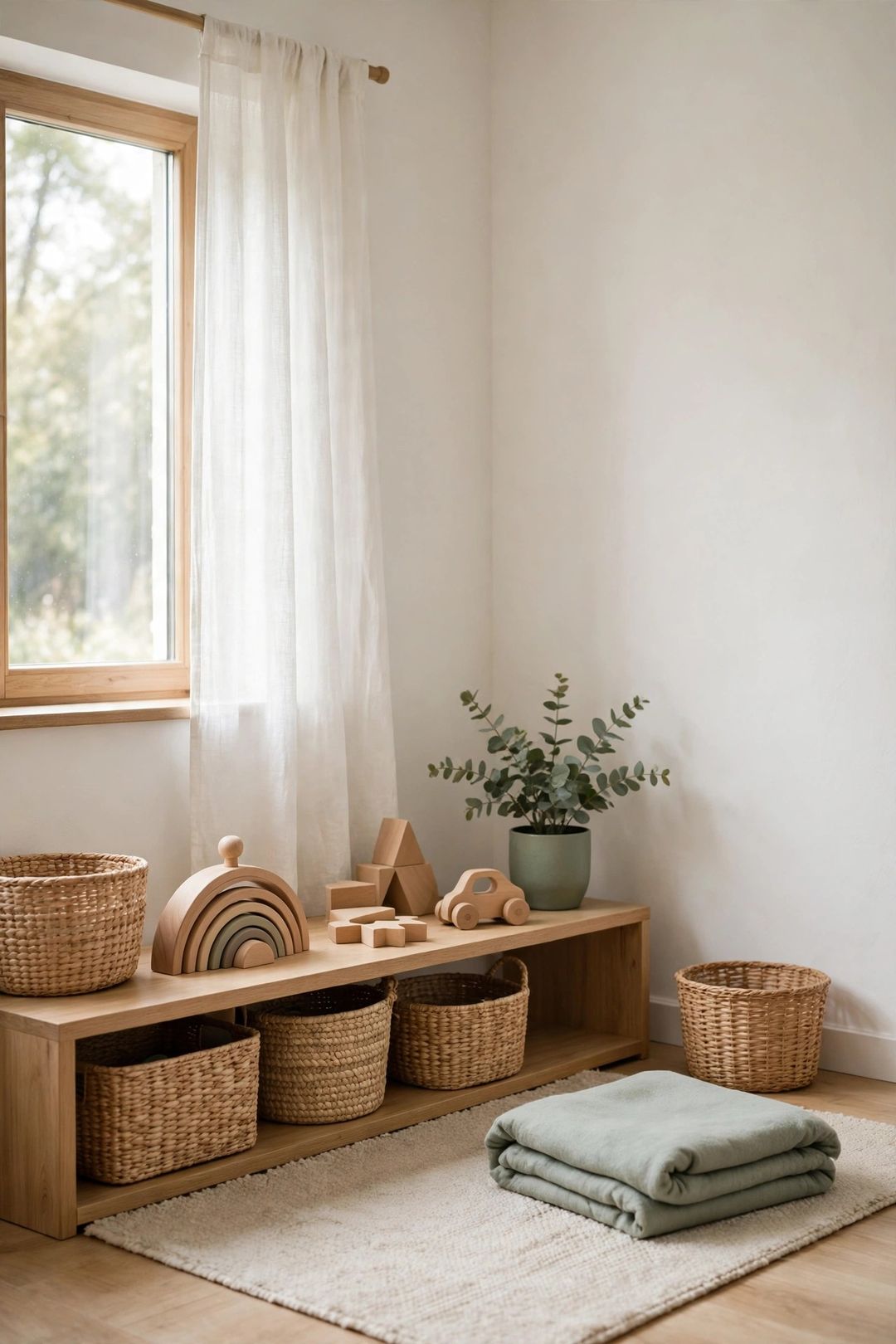
3. Start With One Small Zone. Pick one shelf, one bin, or one corner — never the whole room at once. A small zone gives a quick win, and early success builds trust for harder rounds. A blanket on the floor can mark the sorting spot. Finish one zone fully instead of starting five halfway.
4. Agree on the Ground Rules First. Before touching a toy, say the rules out loud: nothing leaves without the child seeing the choice, broken toys get checked together, favorites stay. Write the rules on paper and keep the paper in view. The honest limit: rules bind adults too, so a favorite cannot get quietly removed later.
Sort Together
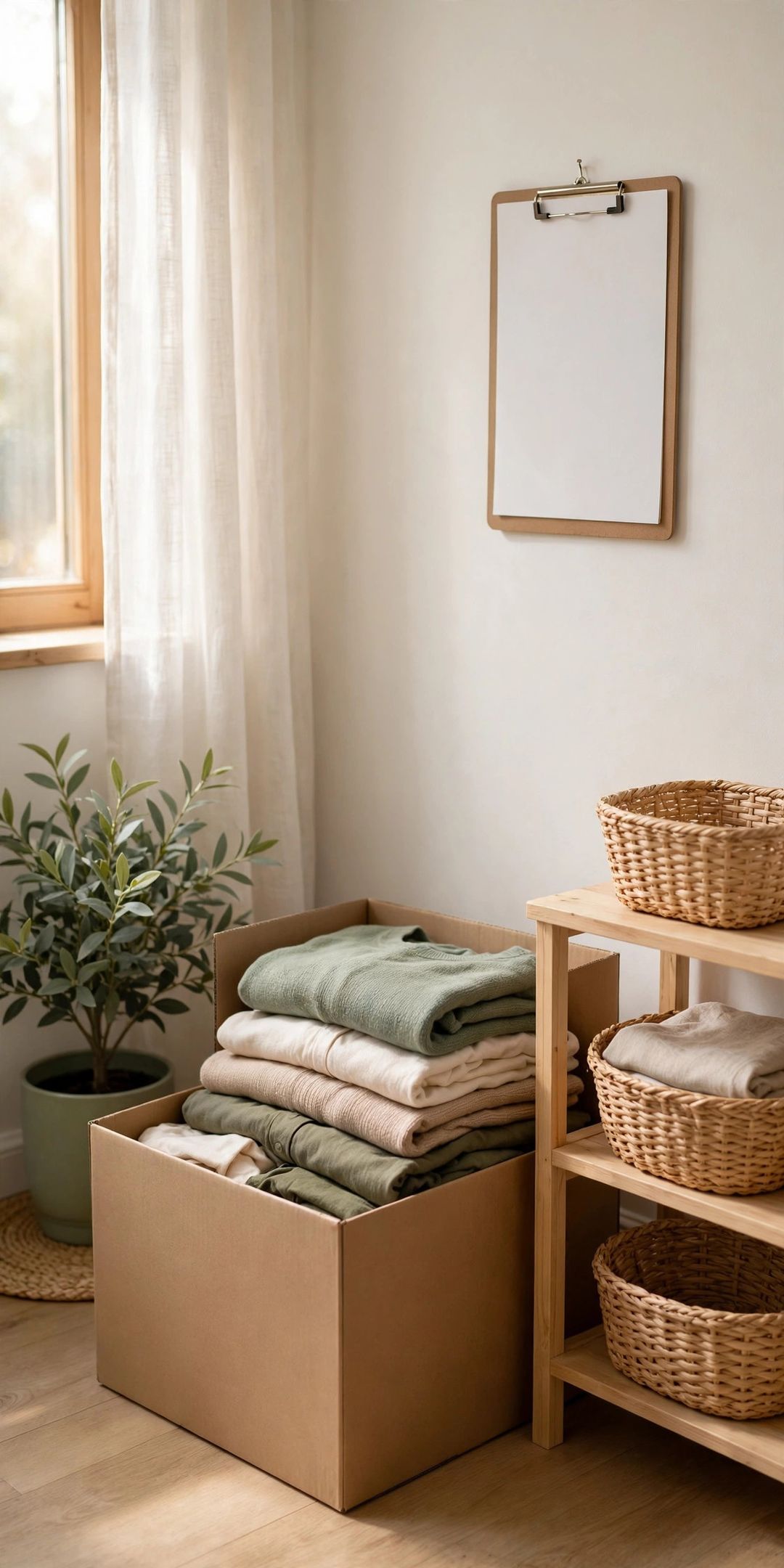
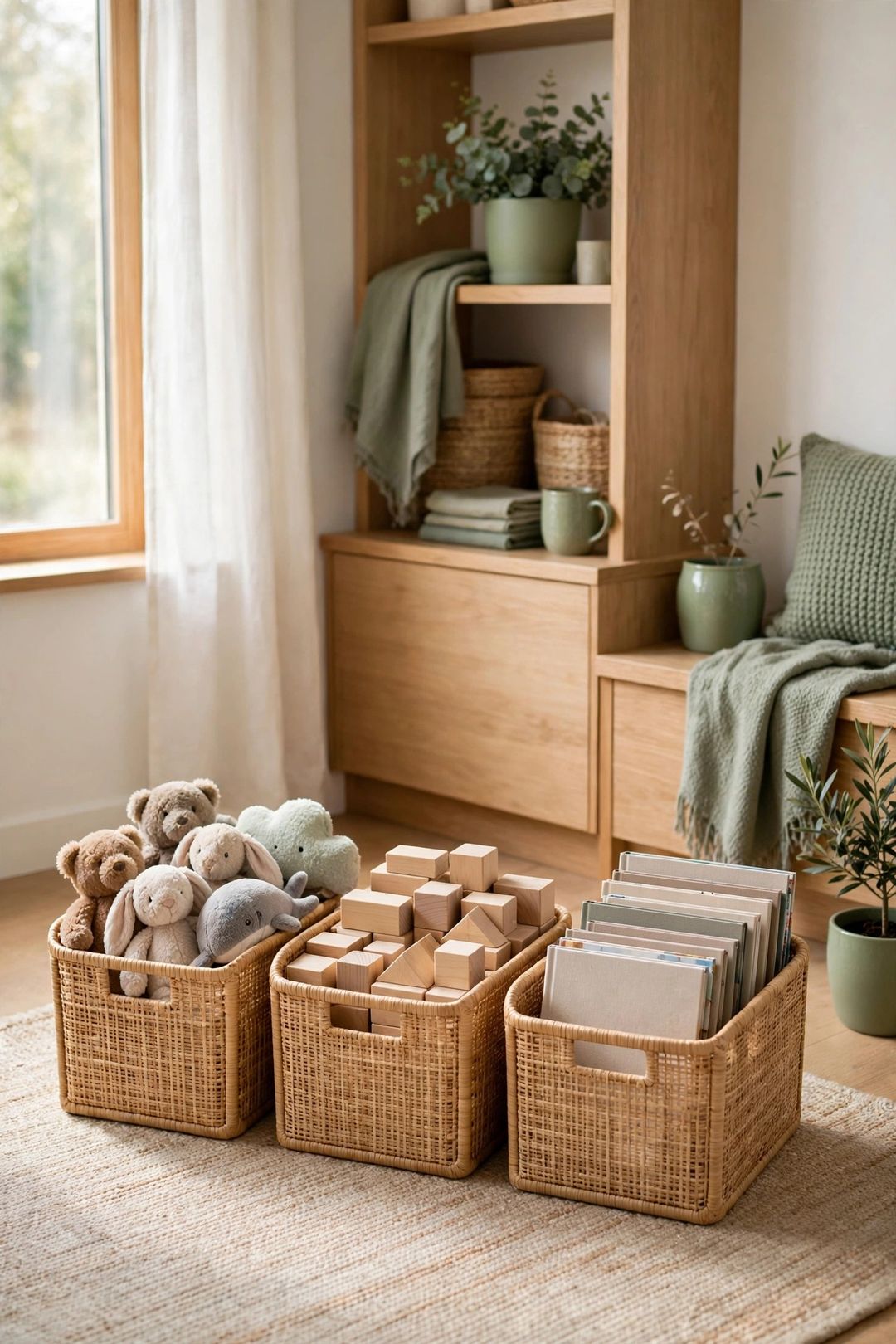
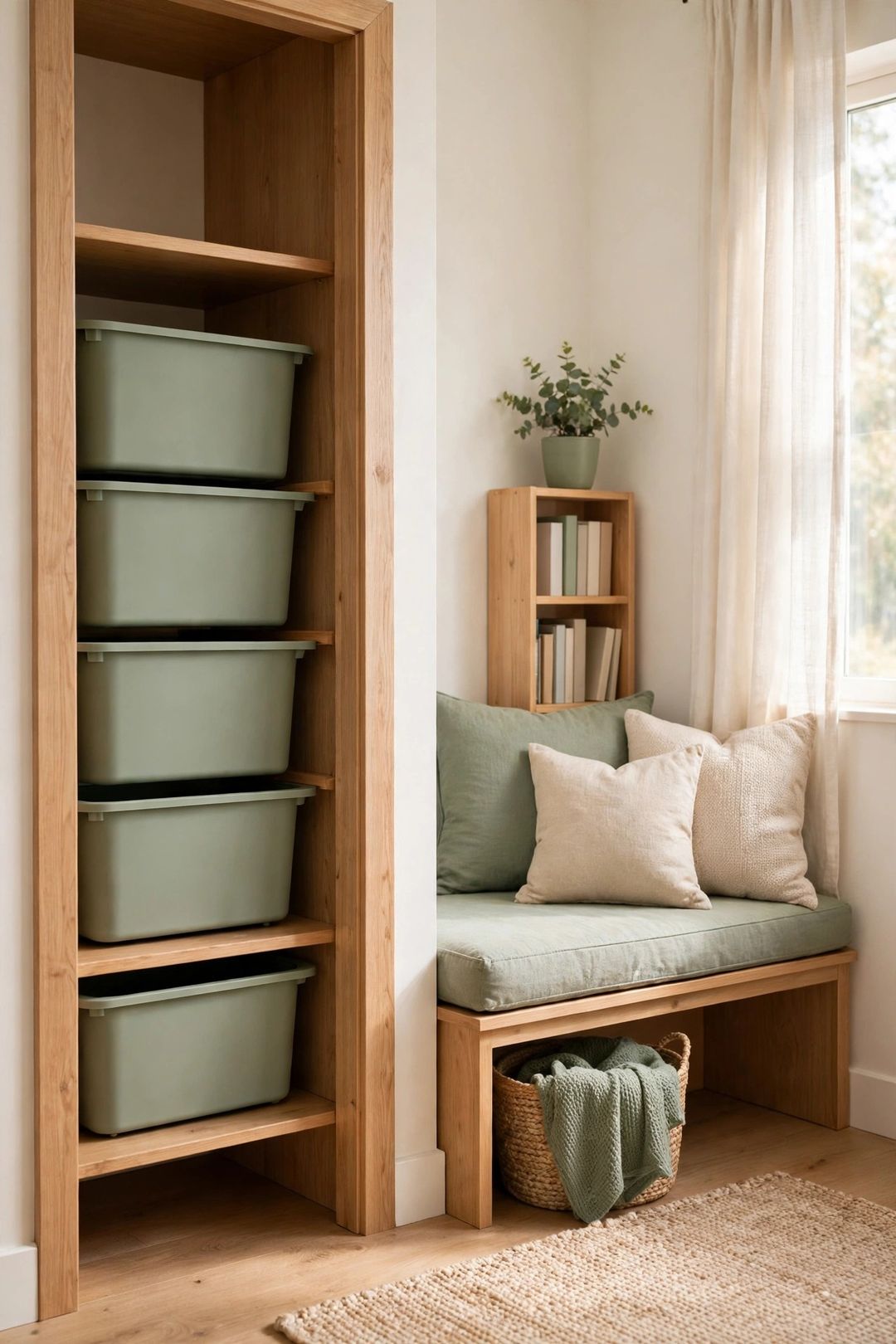
5. Sort Into Three Simple Piles. Use three labeled bins or boxes: Keep, Share and Donate, and Broken. The child places each toy, and Keep toys return to the shelf the same day. Simple piles beat systems a young child cannot follow. Sorting bins typically cost $12–$25; plain cardboard boxes work free.
6. Sort One Category at a Time. Sort cars first, then stuffed animals, then puzzles — one group per round. Counts turn obvious within one group, duplicates stand out, and a missing wheel or torn seam shows fast. The limit is mixing: one giant heap overwhelms a child and buries small pieces.
7. Check Broken Toys Together. Set broken or incomplete toys in the Broken pile and check each one together. Ask: can tape, glue, or fresh batteries fix the toy, or are key pieces missing? A toy that cannot work again can be recycled or tossed, with the child agreeing. Promise a repair only when a repair is truly likely.
8. Use a Toy-Rotation Box Honestly. Explain honestly: the rotation box is storage, not disposal. Some toys rest in a clear lidded bin for a few weeks, then swap back in. The child helps pack the box and gets every toy back on the agreed swap day. A clear bin with a lid typically costs $10–$20.
Let Go Gently
9. Explain Donation in Simple Kid Terms. Use plain, kind words: a donated toy goes to another child who will play with it often. Never pressure a choice with guilt or comparisons to other children. The limit is readiness: a child not ready today may feel ready next month, and that pace deserves respect.
10. Take a Goodbye Photo of Favorites. Before a loved but outgrown toy leaves, take a photo of the child holding the toy. The photo keeps the memory, and an album to visit brings smiles later. The honest limit: a photo helps many children, but a photo never has to convince a child who says no.
11. Use a Maybe-Box With a Chosen Date. Place unsure toys in a box, tape the box shut together, and write a revisit date on top — a date the child helps choose. On that date, open the box together and decide again with fresh eyes. The honesty rule: the box never leaves the home in secret before the date.
12. Finish With a Choice and a Thank-You. Let the child carry the donation bag to the car, then pick one favorite toy for a special display spot. Close with a plain thank-you for the hard decisions. The limit is honesty: most drop-offs are final, so say so kindly before the bag leaves.
What to Buy
Three sorting bins or sturdy boxes, typically $12–$25. Big labels keep the three piles clear for young children. Pro: bins stack away neatly between sessions. Con: fancy bins add cost, so plain cardboard boxes remain a fine skip-the-purchase option.
Clear rotation bin with a lid, typically $10–$20. Clear sides let a child see resting toys, keeping rotation honest. Pro: a lid keeps dust out and stacking easy. Skip if shelf space is full and no swap system is planned.
Sturdy donation bags, typically $6–$12. Thick bags hold bulky stuffed toys without tearing. Pro: an opaque bag can feel gentler at drop-off time. Con: bags hide contents, so finish goodbye photos before tying the top shut.
Label and marker set, typically $5–$10. Big labels make pile names and box dates easy for early readers. Pro: a written revisit date on the Maybe-Box keeps the promise visible. Con: labels peel off cardboard, so write the date on the box itself too.
Mistakes to Avoid
- Throwing away loved toys in secret. A child who finds a favorite missing learns to guard every toy, and the next sort gets harder.
- Sorting when a child is tired or hungry. Low energy turns small decisions into big tears; a snack and rest prevent most blowups.
- Tackling the whole room in one day. A full-room sort overwhelms a child and drags on for hours; one small zone per session keeps the task kind.
- Using shame or comparisons. Lines about messy rooms or tidier friends make a child feel small, not motivated.
- Forcing a goodbye to a true favorite. A forced donation teaches a child to hide favorites before the next sort; patience protects trust far better.
Frequently Asked Questions
At what age can a child help sort toys?
Most toddlers can carry toys to a Keep bin or a Donate box with simple prompts, while older children can weigh harder choices and pick revisit dates. Match the job to the child: carrying first, deciding later.
What if a child wants to keep every single toy?
Start smaller. Sort one tiny category, keep the ground rules steady, and use the Maybe-Box for unsure items instead of forcing donate choices. Shelf space helps too: toys that fit stay, and the child picks the rest.
Is toy rotation a trick to remove toys?
No — honest rotation is storage, not removal. Toys rest in a clear bin in a known spot and return on an agreed swap day, and the child helps pack and unpack the bin. Rotation stays fair only when every resting toy comes back.
What if a child changes heart after a donation drop-off?
Talk about final drop-offs before the bag leaves, because most donation centers cannot return an item. If feelings run high, move the toy to the Maybe-Box and revisit the choice on the chosen date.
Save this post to your toy organization board on Pinterest so the calm steps stay handy on tidy-up day.