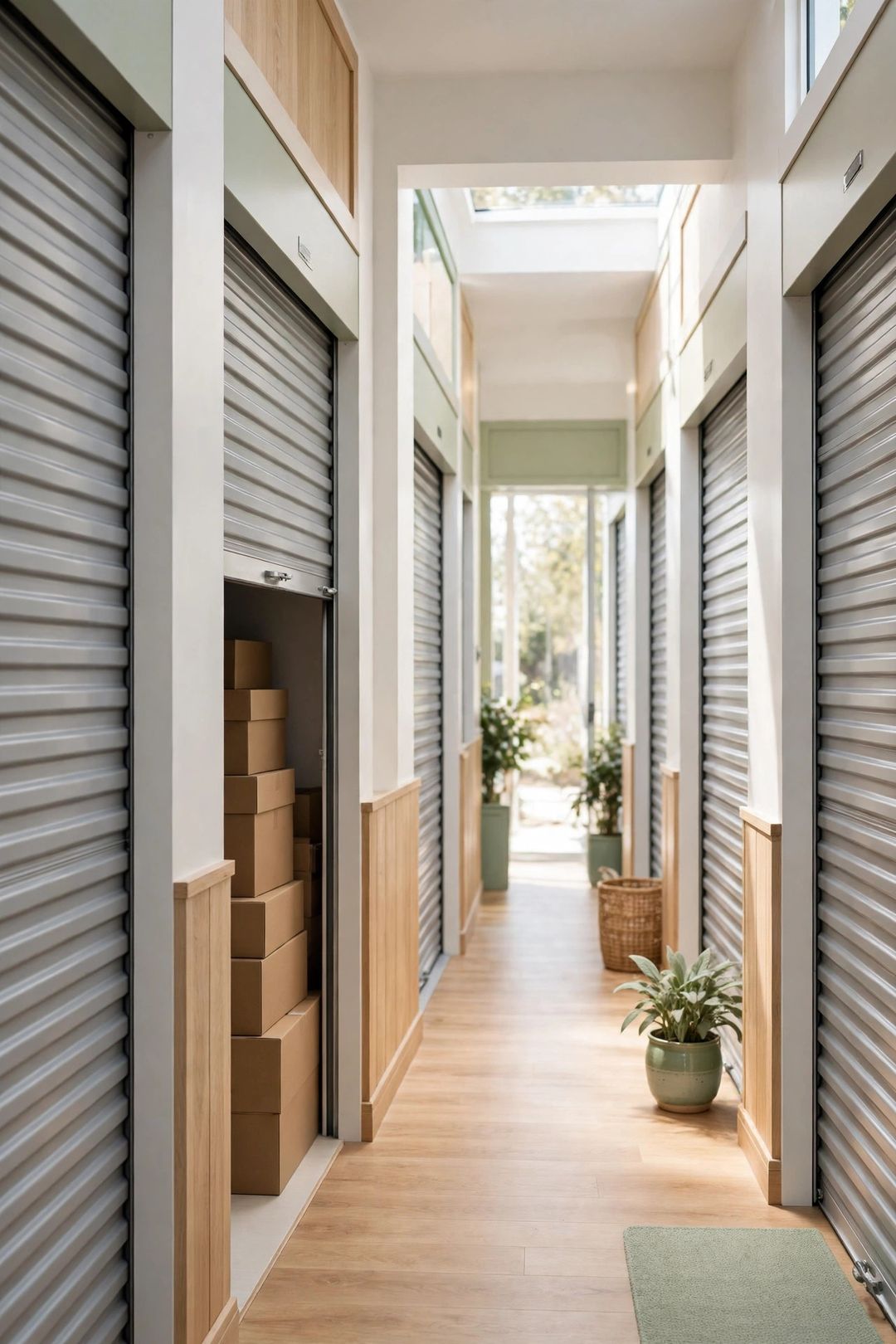
A storage unit can solve a real problem. A move, a remodel, or a short gap between homes can leave furniture with nowhere to go. In those cases, a few months of rent can be money well spent.
Problems start when a short fix turns into a long bill with no end date. Before signing a lease, work through these is a storage unit worth it questions in order. Each one gives a clear way to answer honestly, and each answer points toward rent, sort, sell, or store at home.
The Money Questions
1. What is the real yearly cost? Monthly rent is only part of the answer. Add the admin fee, a lock, insurance if required, and gas for trips back and forth. Then multiply the monthly total by 12. A small 5x5 unit typically runs $40–$110 per month depending on city, so a year can land anywhere from about $480 to $1,320 before fees. A 10x10 unit typically runs $120–$280 per month. Seeing the yearly number, not just the monthly one, reveals whether the stored items are worth that much protection.
2. What is the stuff inside actually worth? Make a rough list of the big items planned for the unit and give each a used resale value, not the price paid new. Old sofas, basic tables, and worn mattresses often sell for far less than expected. If a year of rent costs more than the full list is worth secondhand, the math points to selling or donating now and rebuying later if needed. Sentimental items are the honest exception, but that exception should be named out loud.
3. How long will the unit really be needed? Pick a firm end date tied to a real event, such as a closing date, the end of a remodel, or the start of a new lease. Then double the first guess, because delays are common and plans slip. Price both timelines before signing. Three planned months at a typical $120–$280 per month for a mid-size unit is a manageable bridge. Twelve vague months is a habit that tends to stay full and stay billed.
The Stuff Questions
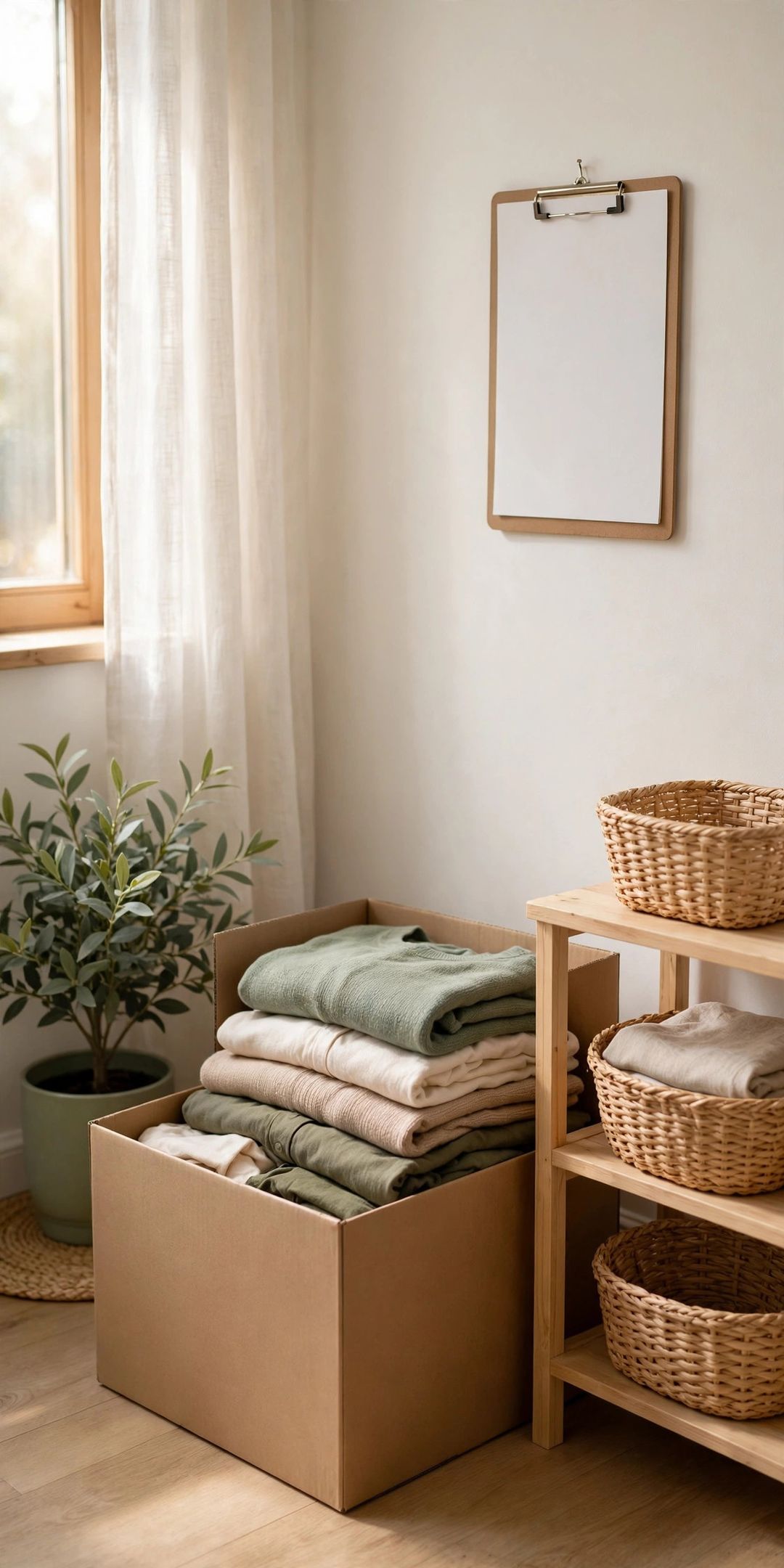
4. Can the pile be cut in half first? Sort before renting, never after paying for space. Set out four groups: keep at home, sell, donate, and true storage. Bulky low-value items take the most room and drive the need for a bigger, pricier unit. Cutting the pile in half can drop the size from a 10x10 to a 5x10, and a 5x10 typically runs $75–$180 per month. The drawback is time: sorting takes a weekend or two, but that costs far less than extra rent.
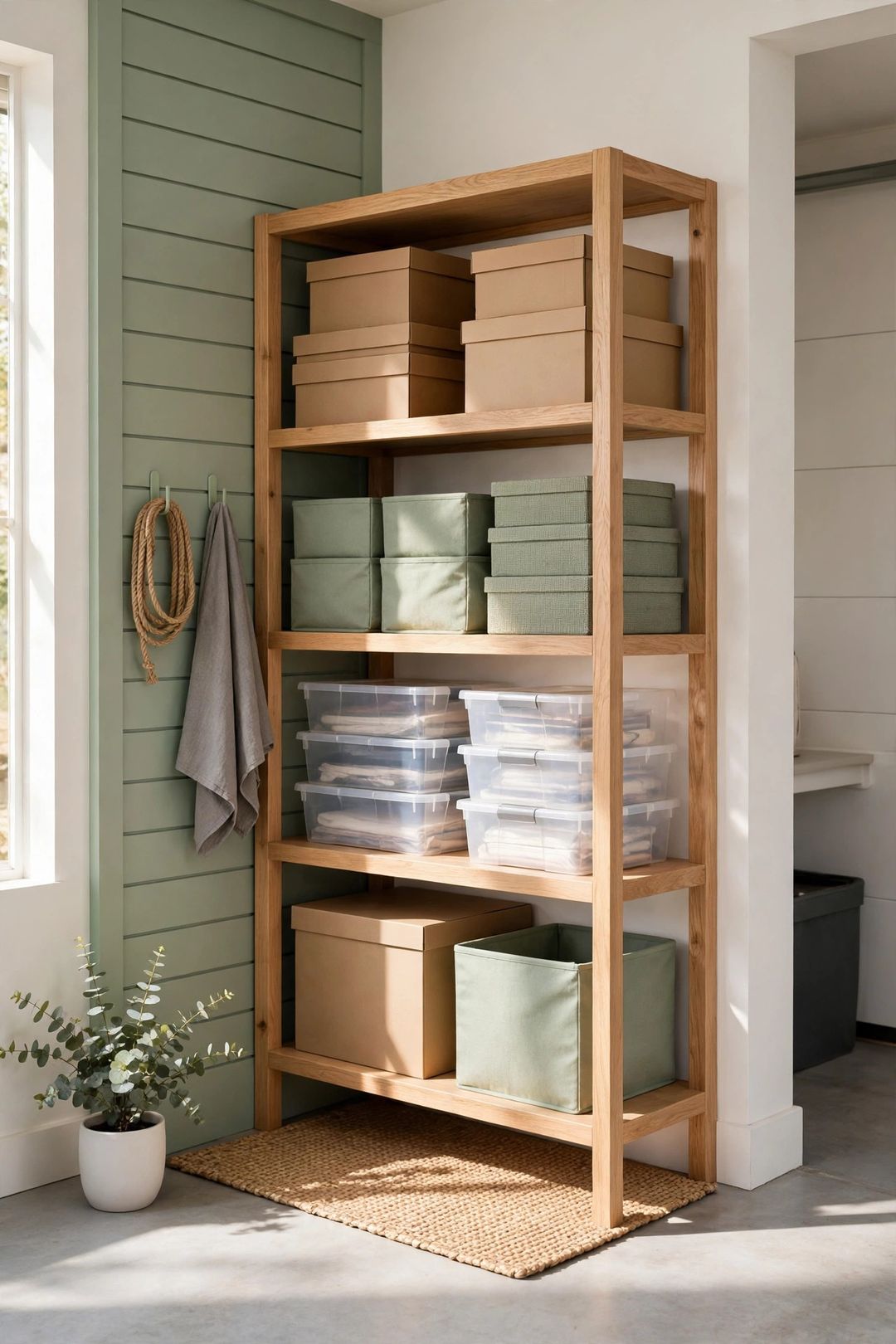
5. Is there unused space already at home? Check garage corners, closet tops, under-bed space, and a spare room wall before paying rent elsewhere. One shelving unit along a garage wall can hold the same boxes as a small unit, and flat under-bed bins swallow seasonal items with ease. The limit is real for tiny apartments with no garage and no spare closet; in that case a small unit may be fair. The question still deserves a full walk-through first.
6. Will the items survive storage well? Not everything handles a basic unit. Plain metal units heat up in summer and get cold in winter, and damp air can warp wood, rust tools, and leave fabric smelling musty. Climate-controlled units protect wood furniture, photos, records, and electronics better, but cost more per month in typical price listings. If most of the load is sturdy plastic bins and metal gear, a standard unit is fine and the upgrade can be skipped.
The Exit-Plan Questions
7. What event ends the rental? Name the exact event that empties the unit, such as the new home closing, the remodel ending, or a set date to sell the extra furniture. Write that event and date on the lease paperwork and on a home calendar. Without a named ending, months roll over by default because canceling takes effort and keeping takes none.
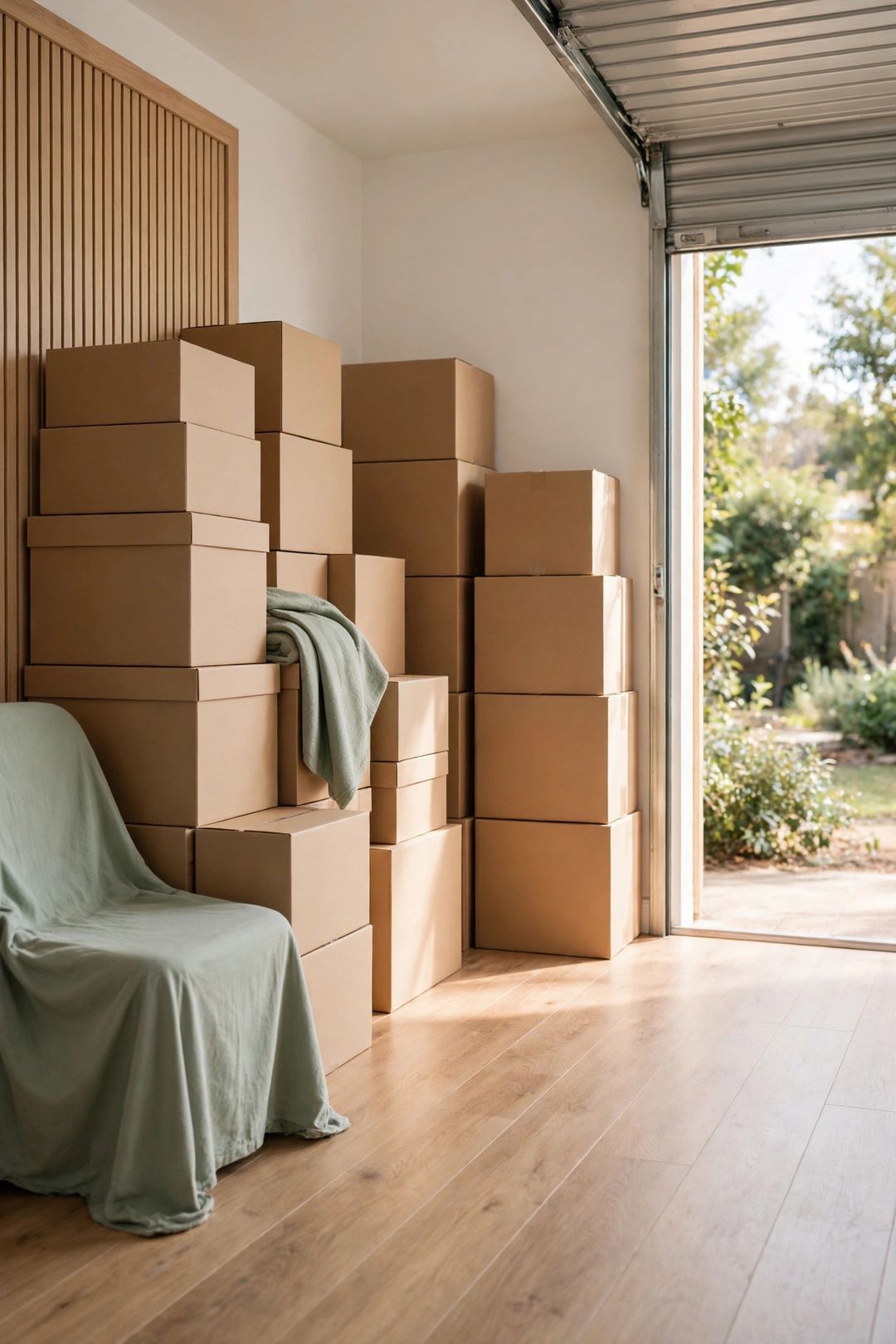
8. Who will do the emptying work later? A unit is easy to fill and hard to clear. Think about the truck, the help, and the time needed on the far end. Large furniture may need a rented truck, and a truck rental typically runs $30–$80 per day plus mileage. If no one can lift the heavy pieces later, the unit can stall for years. Agree now on who decides, who helps, and where each big item goes when the lease ends.
9. What happens if the bill gets missed? Read the late-fee and auction rules before signing, not after a hard month. Most leases add late fees after a grace period, and long-unpaid units can be emptied and sold under state law after notice. That risk matters if income is uneven or the unit holds keepsakes that cannot be replaced. A safer plan for tight budgets is a smaller unit or a shorter lease. Knowing the worst case keeps a helpful tool from turning into a painful loss.
What to Buy
What to buy instead, or first, is simple home storage that makes a garage corner or closet do the job of a small unit. Sturdy stackable bins with lids typically run $8–$20 each. A label maker or bold labels typically run $10–$25 and stop the endless box-opening search later. A freestanding metal shelving unit typically runs $50–$120 and lifts boxes off the floor, away from leaks. A full home setup often costs less than one or two months of rent.
Mistakes to Avoid
- Renting before sorting. Paying to store junk, broken gear, and duplicates wastes space and locks in a bigger unit than the real keepers need.
- Judging by the first-month deal. A cheap intro price means little if the regular rate doubles later and the rental drags on for a year.
- Skipping the yearly math. A modest monthly bill feels small, but the yearly total often costs more than the stored items could ever sell for used.
- Storing damp or dirty items. Sealed boxes of damp fabric or food-stained gear can grow mildew and draw pests, damaging everything stored nearby.
- Having no end date. An open-ended rental almost always runs longer and costs more than planned, because nothing forces a decision.
Frequently Asked Questions
How long is too long to keep a storage unit?
There is no single limit, but a rental tied to a move or remodel usually wraps up in one to six months. Once a unit passes a year with no end date and no visits, the yearly cost deserves a fresh look against the value of the items inside.
What size unit fits a one-bedroom apartment?
A 5x10 or 10x10 unit typically holds the furniture and boxes from a one-bedroom home, depending on how much large furniture is included. Sorting and selling bulky low-value pieces first can often cut the needed size in half.
Is climate control worth the extra cost?
Climate control makes sense for wood furniture, photos, paper files, records, and electronics stored through hot summers or cold winters. For plastic bins, metal tools, and sturdy gear stored for a short time, a standard unit is usually enough.
Can a storage unit be a good choice?
Yes. A unit can be the right call during a move, a renovation, a home sale, or a short gap between leases. The value comes from a clear reason, the right size, and a firm end date, not from open-ended extra space.
Save this post to your home organization board on Pinterest so the 9 questions are handy before signing any storage lease.