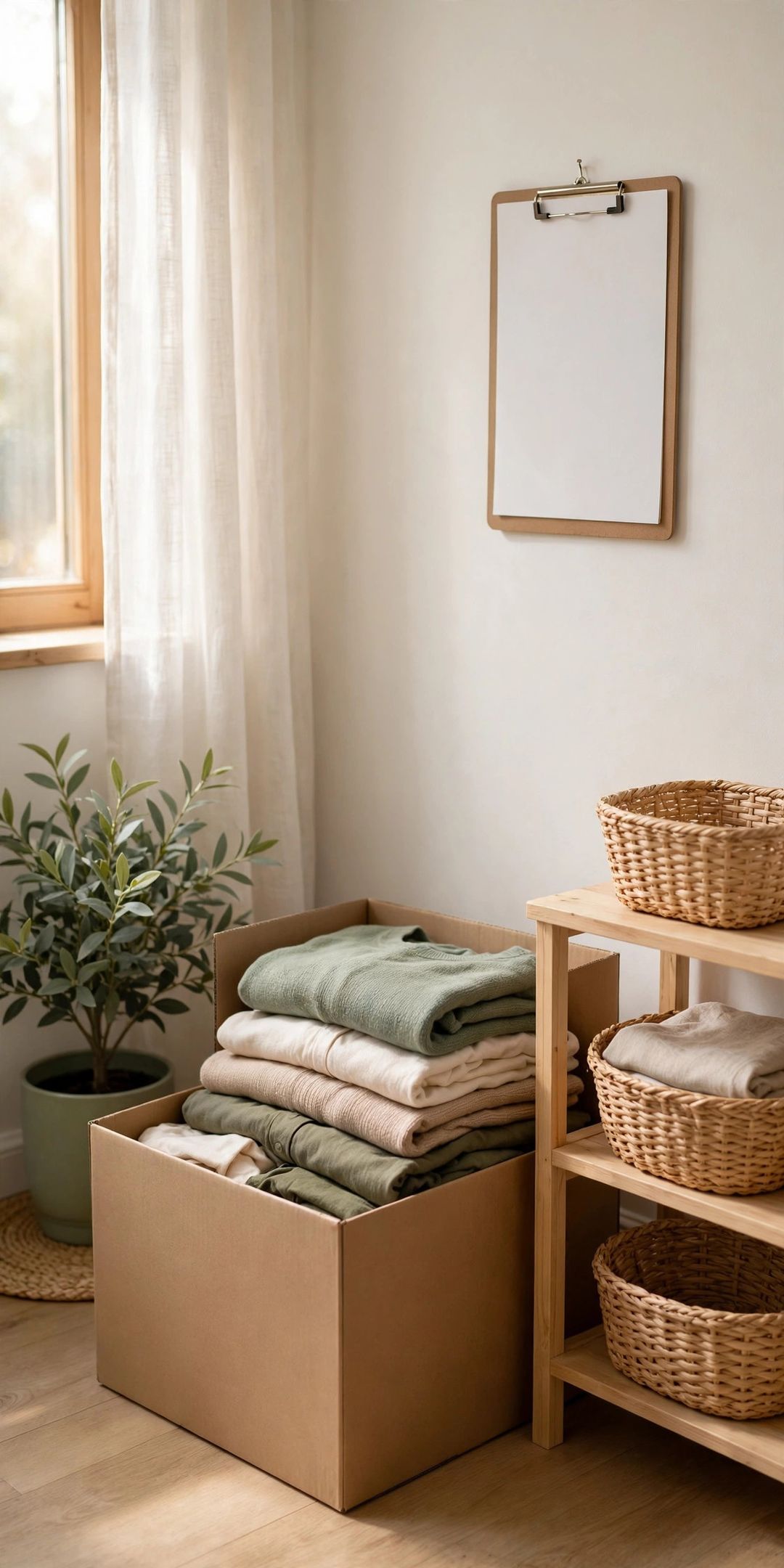
Keepsakes are tricky because they are not really about storage. A ticket stub, a child's drawing, or a letter holds a moment you want to keep close. The memory box system keepsakes one box per person approach gives those moments a kind home: one box, chosen on purpose, for each person in your household.
This is not about keeping less for its own sake. The box sets a gentle limit, so piles stop growing and the keepsakes you keep get real care.
Pick One Right-Size Box for Each Person
Choose one box per person before you sort anything. A medium box is usually the sweet spot: large enough for a yearbook, some cards, and flat paper keepsakes, but small enough to lift easily and store on a closet shelf or under a bed.
Think about what your family actually saves. If most keepsakes are paper and photos, a sturdy lidded box works well. If you keep a bulkier item, like a baby blanket or favorite stuffed toy, pick a slightly deeper box for that person. Sizes do not need to match.
Measure the spot first, then buy or reuse a box that fits. A box that is too big invites slow filling. A box that is too small leads to overflow piles beside it, which this system prevents.
Decide What Earns a Place Inside
A keepsake earns its place when it still brings the memory back clearly. As you hold each item, ask: Does this remind me of a person, place, or moment I want to remember? Would I enjoy showing this to someone one day? Does it feel good to keep, or only hard to release?
There is no score to pass. A broken shell from a happy beach trip may matter more than a perfect souvenir. One drawing that shows your child's humor may say more than a whole folder of similar pages.
For items you are unsure about, let the box be the test. If there is room and the item makes you smile, keep it for now. The yearly review gives you another chance to decide with fresh eyes.
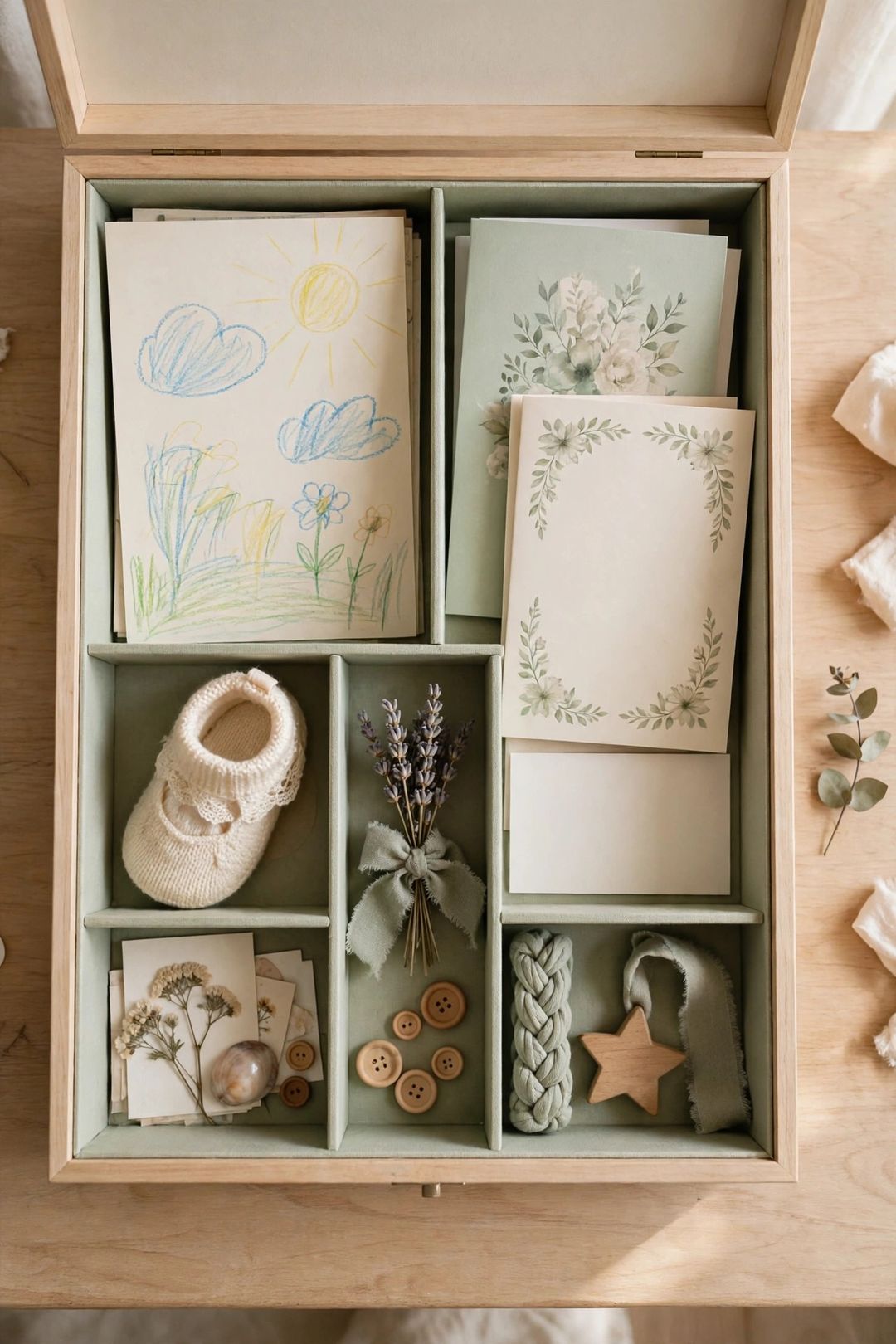
Sort an Existing Keepsake Pile in One Simple Pass
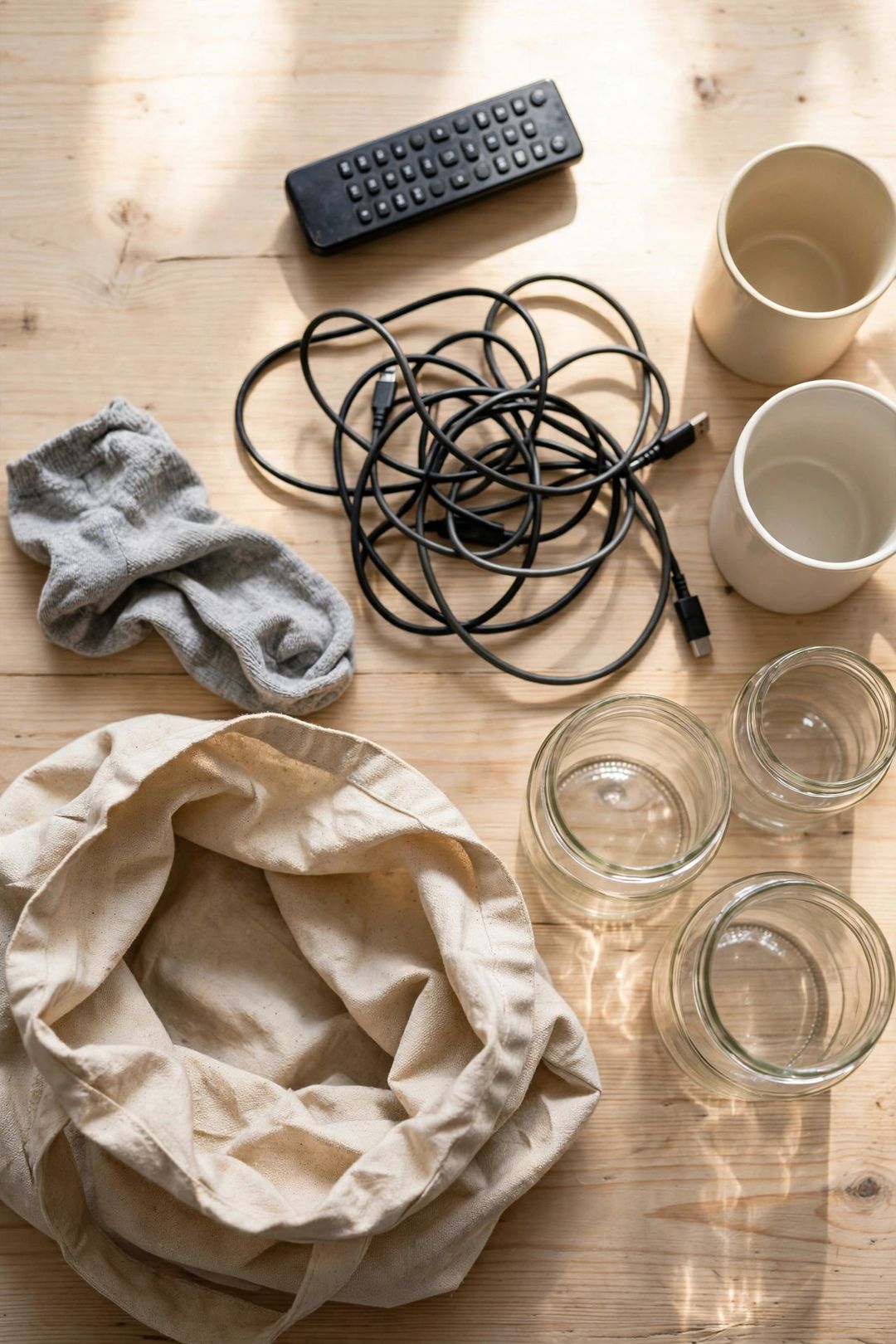
If keepsakes are spread across drawers, bags, and closet corners, gather them in one place first. Work person by person, not room by room. Put one person's items on a table, with their empty box nearby.
Sort into three groups. The first goes straight into the box: clear favorites you would reach for first. The second is the maybe group. The third can leave the house, such as duplicates, blank cards, or pieces that no longer bring back a clear memory. You can recycle plain paper or pass a toy or book to someone who would enjoy it.
Once the favorites are in, measure the maybes against the space left. Choose the ones that mean the most until the box closes easily, without pressing the lid down. If a photo would preserve a bulky item, take a clear photo and label the file with the date.
Label and Date Everything You Keep
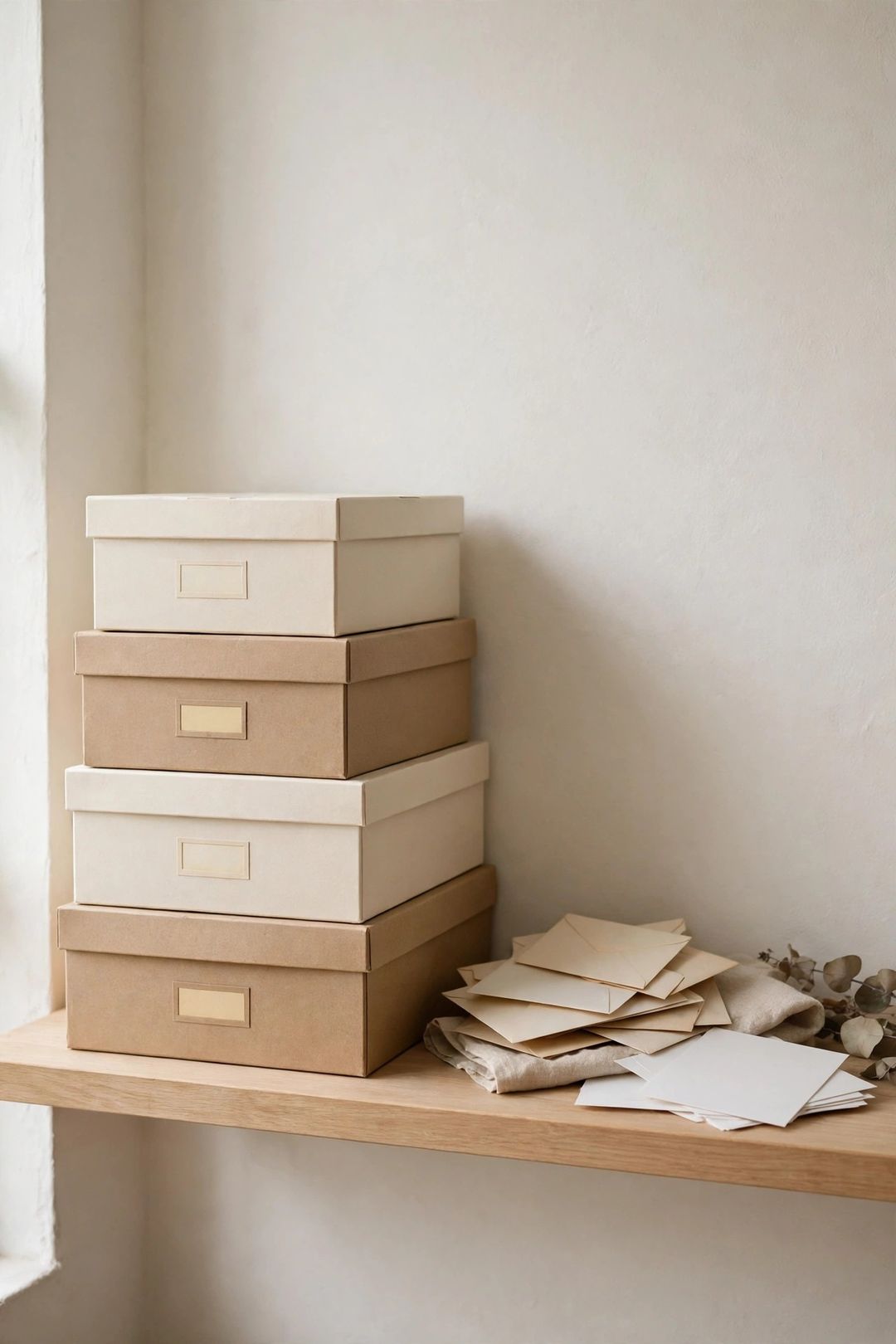
Labels turn a box of old things into a story you can revisit. On the outside, write the person's name and the year the box was started. Inside, use small envelopes or clear sleeves for groups like school papers, travel, cards, and photos.
Add a short note where the story is not obvious: who gave it, where it came from, and the year. A small card is enough. Future you will be glad, because dates and names fade first.
Keep labeling simple so you will actually do it. A marker, a few envelopes, and five extra minutes when you add something new is all this step needs.
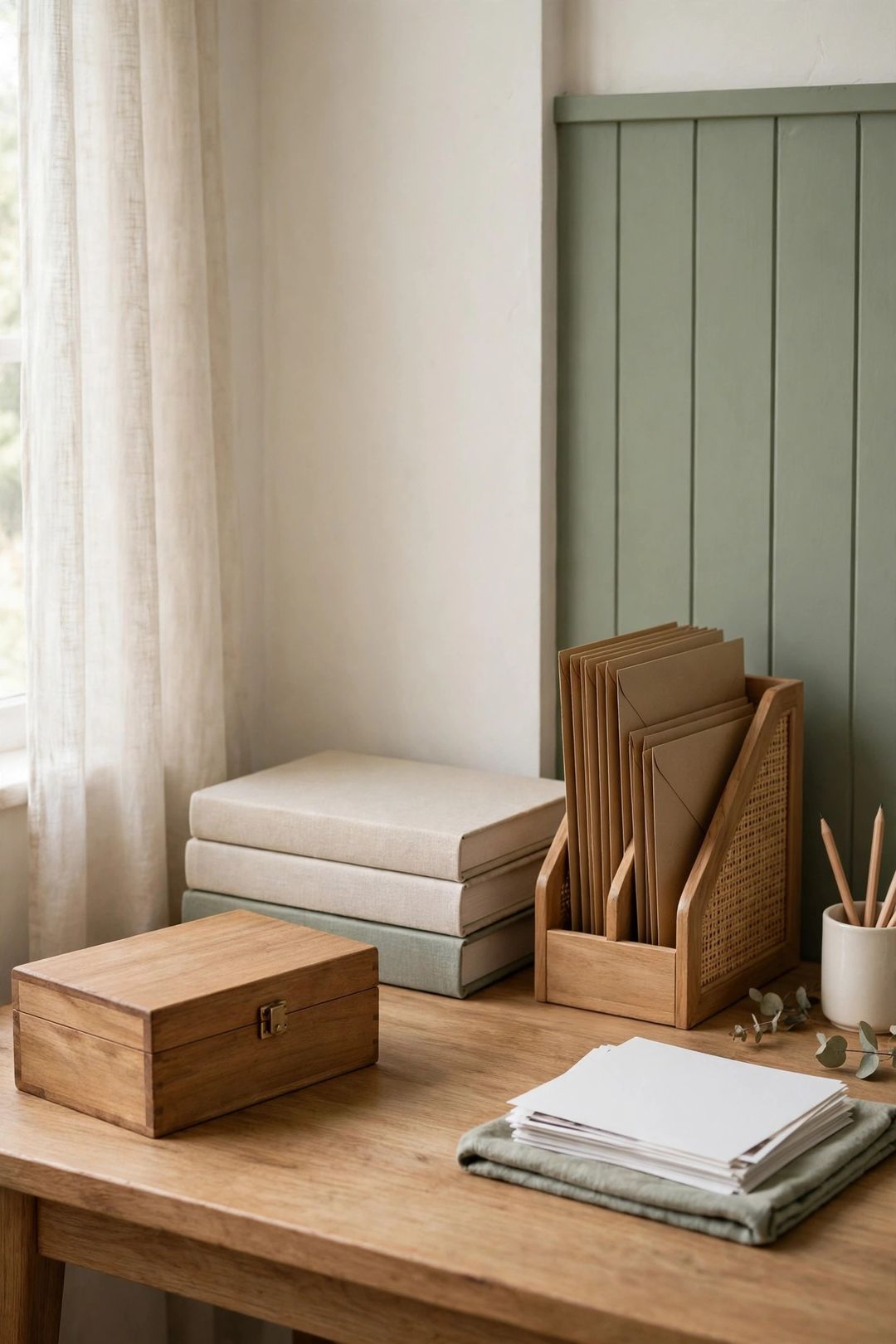
Make a Yearly Review a Calm Habit
Once a year, take each box down for a short review. Pick a calm time, like the start of a school year or a quiet weekend near a birthday. Open the box, enjoy what is inside, and check whether everything still earns its place.
This is also the moment to add new keepsakes properly, with a quick label and date, instead of dropping them on a drawer pile. If the box is full, choose calmly: make room by releasing something that matters less now, or accept that the new item does not need to stay.
Keep the mood light. Share a few items, laugh at old photos, and put the box back.
What to Buy
You can start with boxes you already own. Buy only what helps the box store well and stay easy to use.
Sturdy lidded storage box, typically $12–$20. Pro: protects keepsakes from dust and light and stacks neatly. Con: sizes vary a lot, so measure first. Skip if you already have a solid box that fits.
Acid-free envelopes or clear sleeves, typically $8–$15 for a pack. Pro: keeps paper and photos grouped and easy to flip through. Con: many sizes can get fiddly. Skip if your keepsakes are mostly sturdy items.
Soft cotton pouch, typically $6–$12. Pro: cushions a fragile or odd-shaped keepsake. Con: it hides what is inside, so add a label. Skip if nothing in the box is delicate.
Thick marker and blank cards, typically $10–$25. Pro: makes names and dates easy to read years later. Con: very little, beyond keeping them with the box. Skip if you already own good markers.
Mistakes to Avoid
- Choosing a box that is far too big. A huge box removes the gentle limit, and it gets heavy and hard to store.
- Sorting someone else's keepsakes without them. What looks ordinary to one person may hold a strong memory for another.
- Keeping every version of the same memory. Ten similar drawings can crowd out other moments; the best one or two usually tell the story.
- Skipping labels to save time. Unlabeled items lose their story fast, and you end up asking the same questions at every review.
- Treating a full box as an urgent problem. A full box is just a cue to review calmly, not to rush choices you may regret.
Frequently Asked Questions
What if one box is not enough for a very sentimental person?
Start with one box and live with it through one yearly review. If a second box is truly needed, add one clear, labeled box in the same spot rather than letting piles grow.
How do you handle keepsakes for young children?
Keep one box per child and choose for them while they are small, favoring firsts, favorites, and pieces that show their personality. As they grow, let them join the sorting and yearly review.
What should you do with keepsakes that feel hard to release?
There is no deadline. Keep the item if there is room, or take a clear photo and write down its story. The photo and words may be enough, but keeping the item until a later review is also fine.
Where is the best place to store a memory box?
Choose a dry, easy-to-reach spot inside your living space, like a closet shelf or under a bed. Avoid damp basements and hot attics for paper and photos.
A memory box works because it is kind and clear at once: favorite moments get a real home, and the rest of your space stays calm. Save this post to your Declutter & Routines board on Pinterest, pick one box for one person this week, and let the system grow gently from there.