In a micro apartment, clutter builds fast. One bag by the door and one chair piled with clothes can make the whole home feel full. The fix is not owning almost nothing. It is giving what you keep a clear, small home.
These micro apartment storage rules 300 square feet of living space calls for are built around three ideas: use height, make furniture work twice, and control what comes in. Each rule is short, so you can apply one at a time.
Start with the rule that solves your biggest annoyance, like shoes by the door or a counter you can never clear. Add the rest over a few weekends.
1. Think Up, Not Out
Floor space runs out fast, but wall height is usually free. Claim it before you add any new furniture.
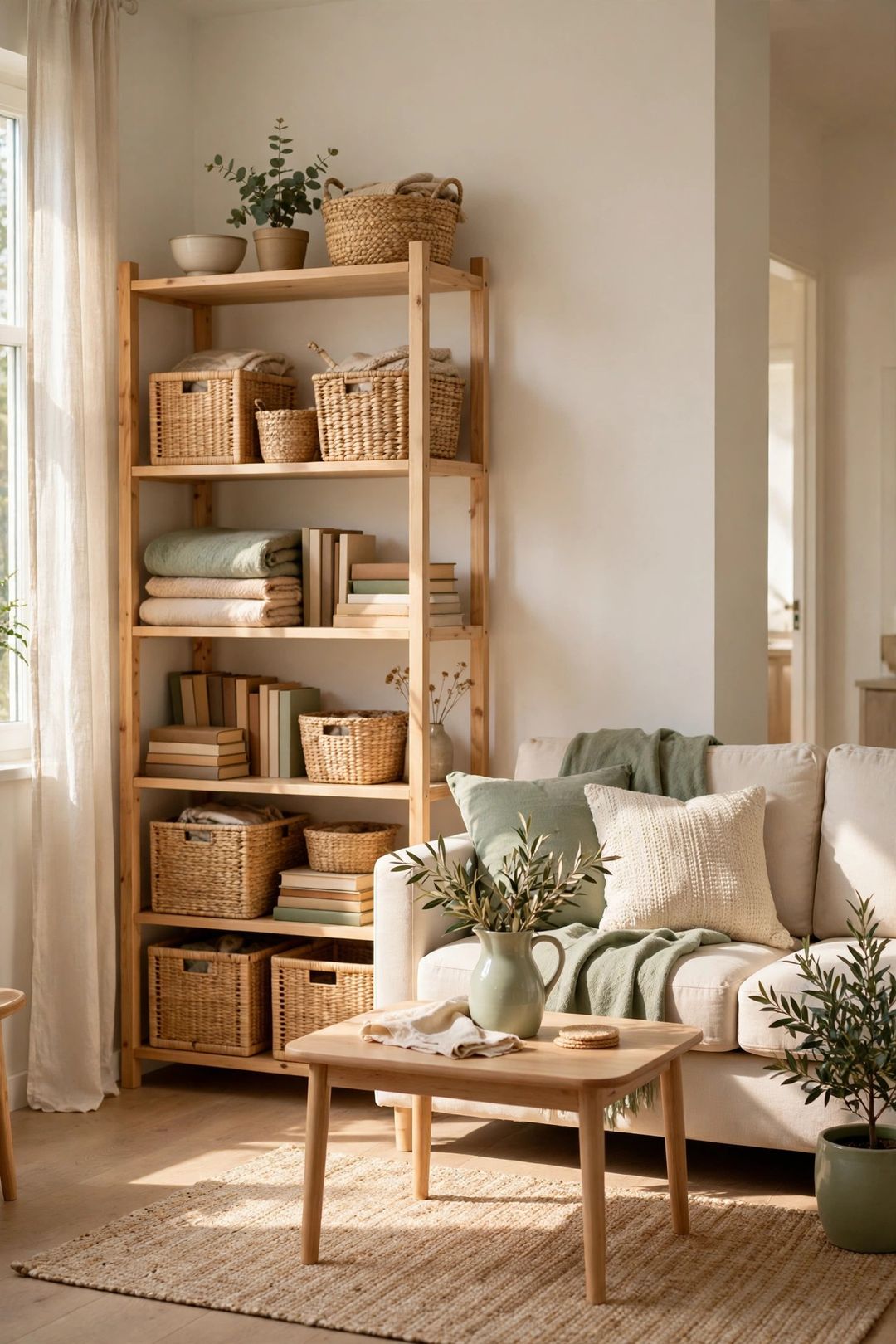
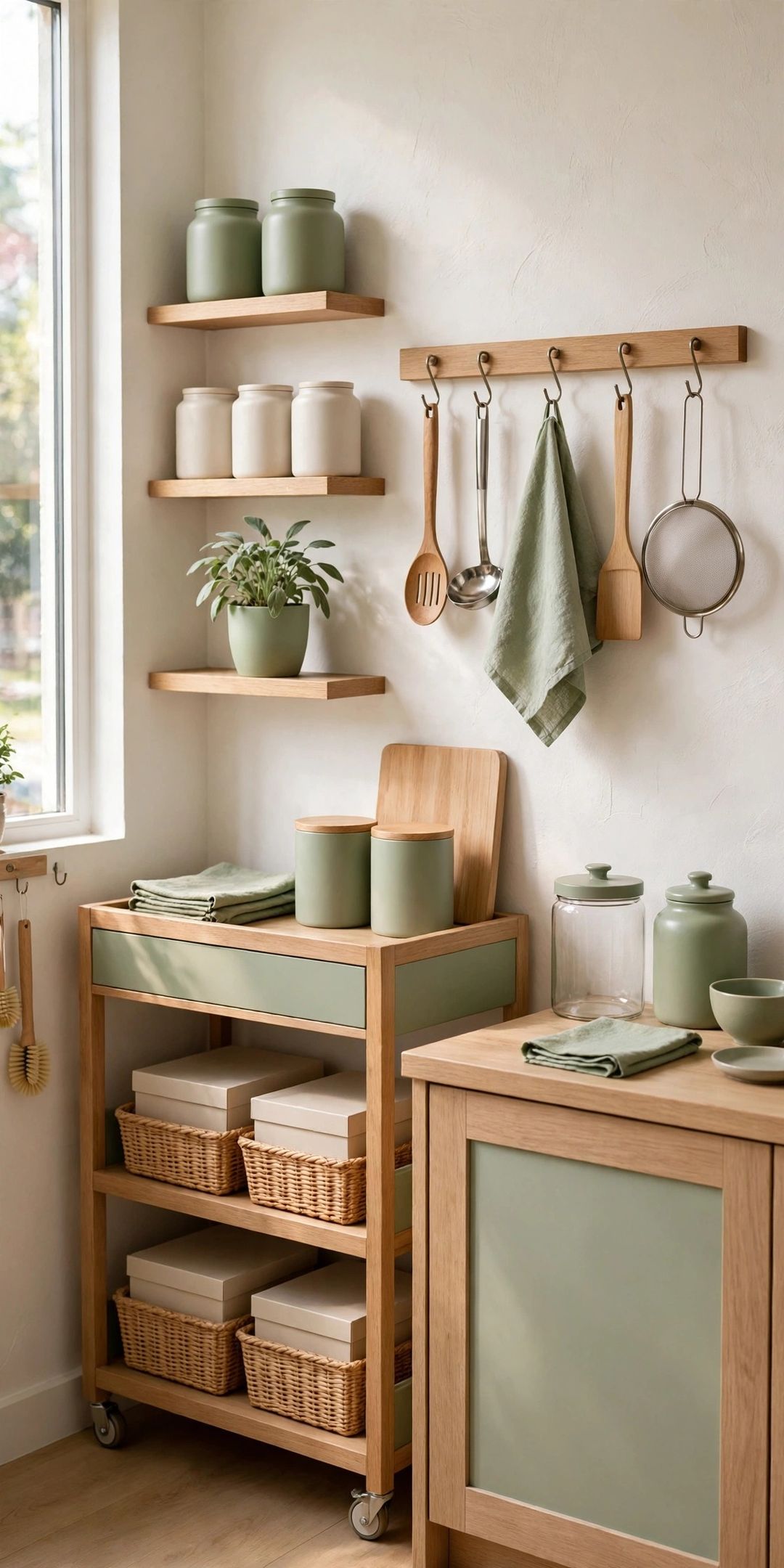
1. Use the full height of every wall. Choose tall, narrow shelves or cabinets where a short, wide piece would eat floor space. Store rare items at the top and daily items where you can reach them.
2. Put doors and walls to work. Hooks, slim rails, and over-door racks hold coats, bags, and towels on surfaces you already have. Keep each door to a few light items so it still closes well.
3. Keep daily items between knee and eye level. That middle band is your prime storage. Move anything you use once a month above or below it, so easy reach is saved for everyday life.
4. Leave a little air at the top. Do not pack every shelf edge to edge. A small gap looks calmer and leaves room for one new item without a reshuffle.
2. Make Every Piece Work Twice
In a small home, single-use furniture is a luxury. Each piece should store, fold, roll, or serve two jobs.
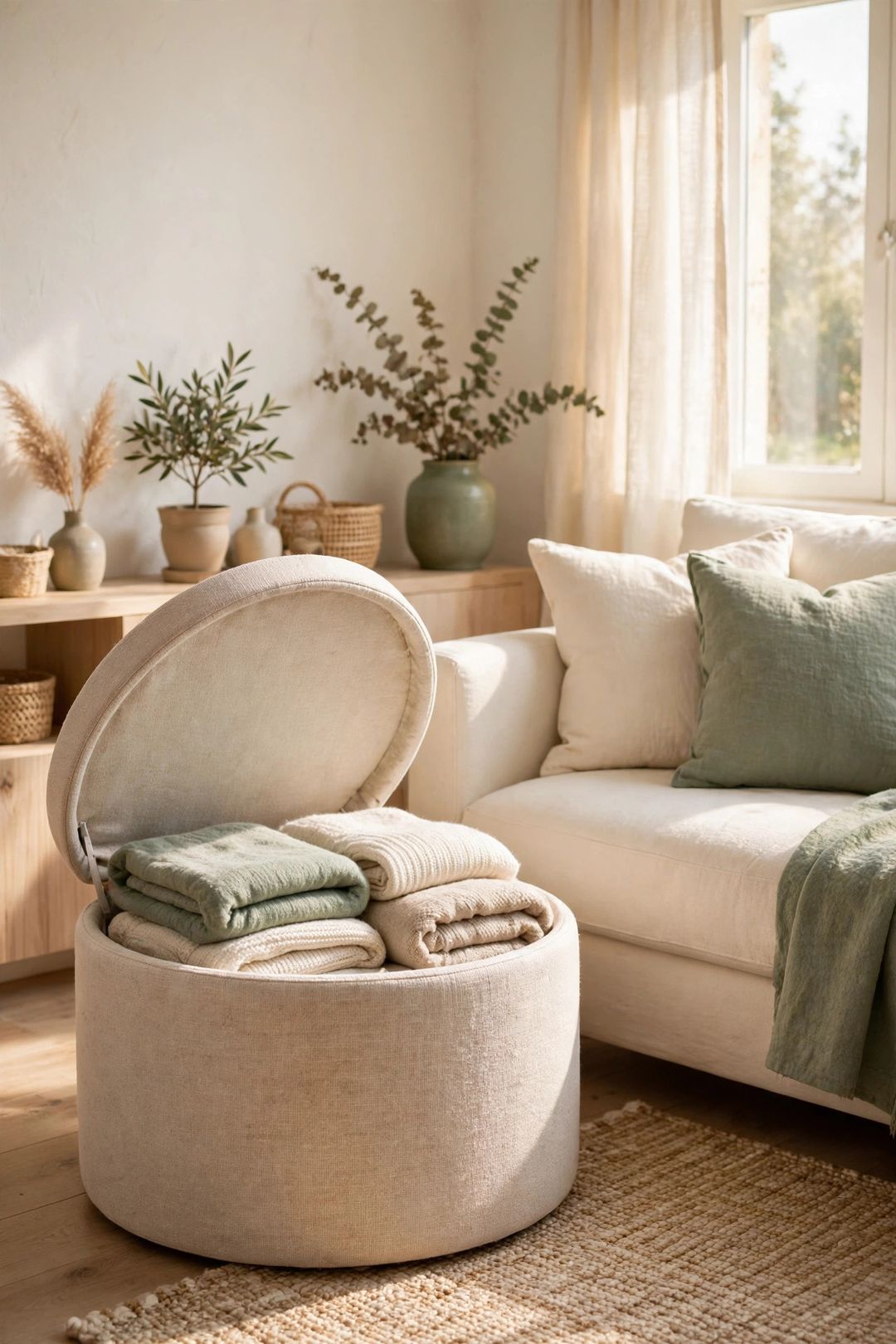
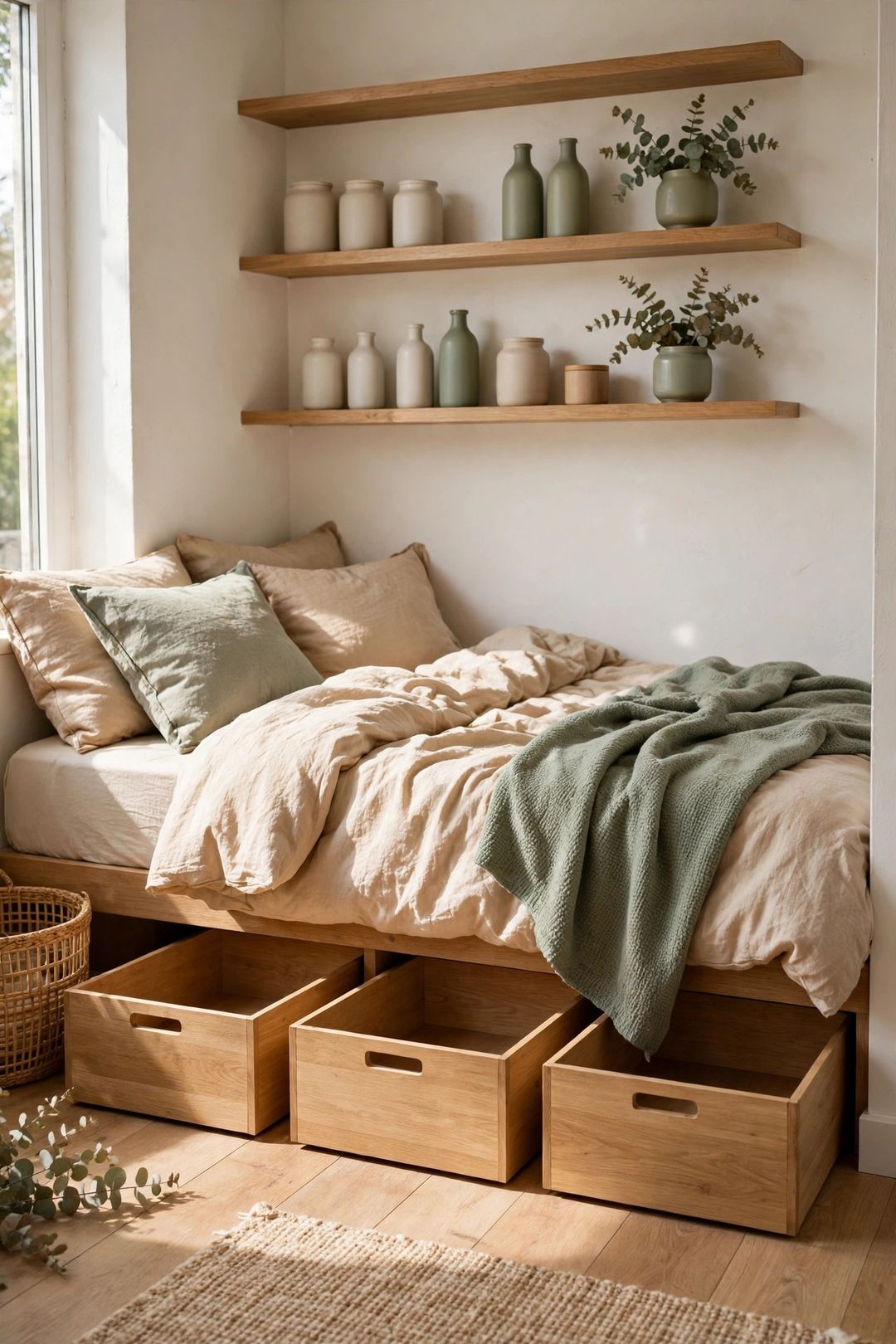
5. Choose dual-purpose furniture first. A storage ottoman can be a seat, a footrest, and a blanket box. A bed frame with drawers or room for bins below can replace a dresser.
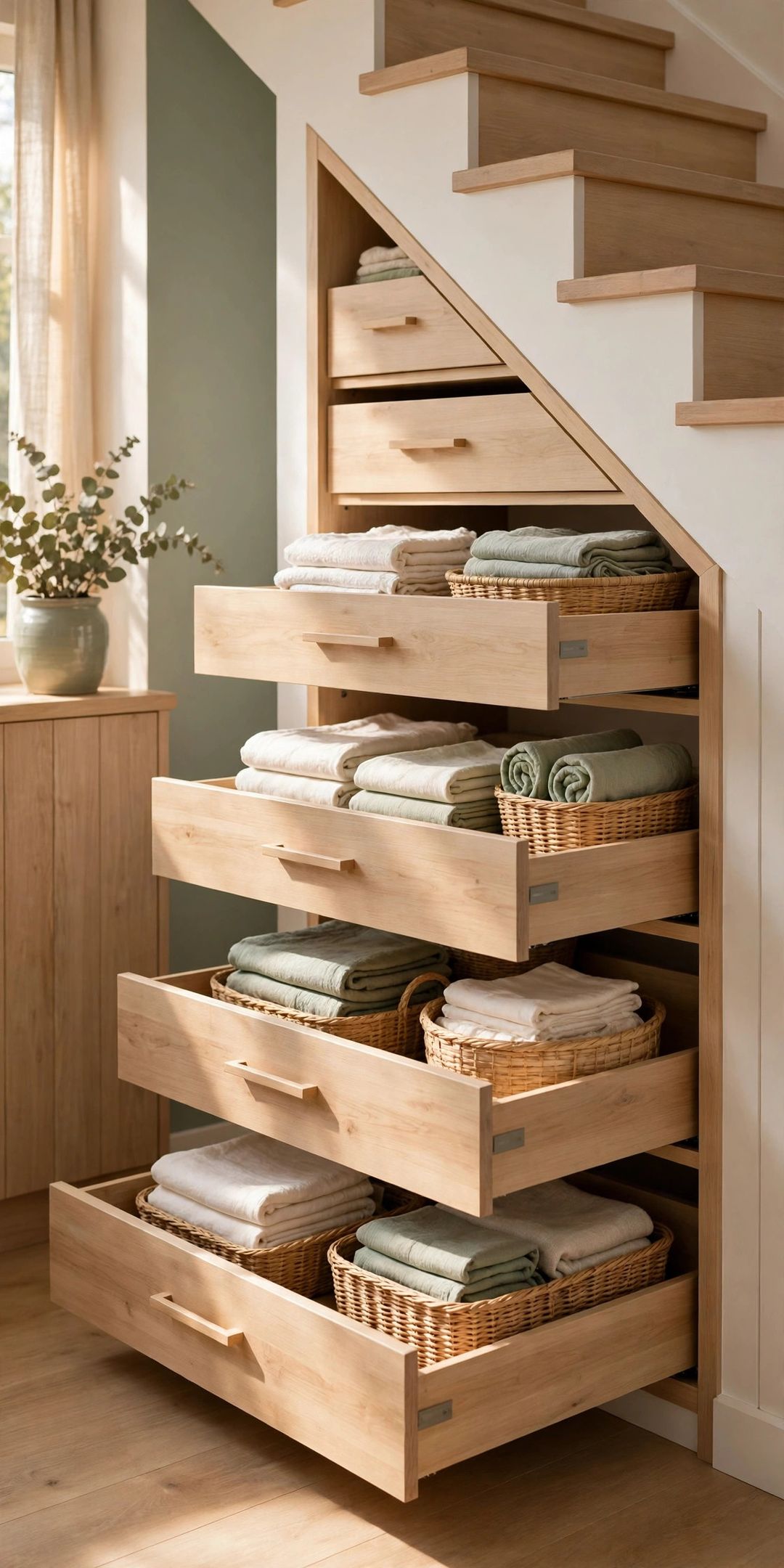
6. Use the space under furniture. Low, flat bins slide under a bed or sofa for off-season clothes, linens, and shoes. Label each bin on the short end you see, so you never pull out the wrong one.
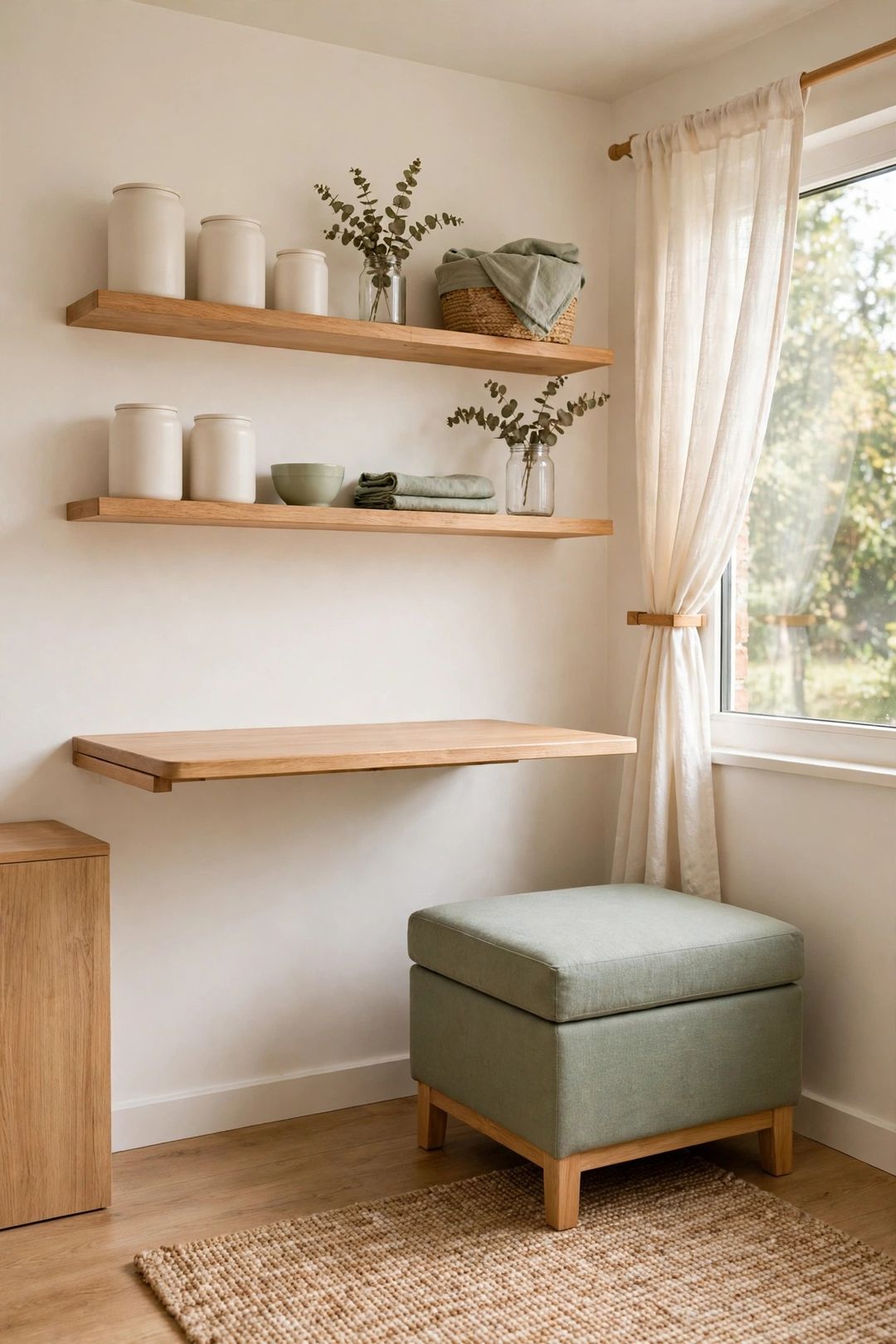
7. Pick furniture that folds or rolls away. A drop-leaf or folding table gives you a desk or dining spot, then frees the floor. Rolling carts and nesting tables move to the work, then tuck away.
8. Let one surface do one job at a time. If the table is your desk, dining spot, and craft area, clear it fully between uses. A small tray for each job makes the swap take a minute.
3. Control What Comes In
Storage rules fail when new items arrive faster than old ones leave. These rules set a simple limit.
9. Follow one in, one out. When a new shirt, mug, or gadget comes home, one similar item leaves by donation, recycling, or trash. Keep a small donation bag by the closet so the swap is easy.
10. Give everything a home, and size the home to fit. Shoes live in one rack, mail in one tray, and cords in one box. When the home is full, edit — do not buy a bigger container.
11. Store by activity, not by spare gap. Keep cooking tools near the stove, work gear near the desk, and cleaning supplies where you use them. Items stored by job get returned; items stored by gap get forgotten.
4. Keep Small Zones Calm Every Day
The last rules are habits, not purchases. They stop a tiny home sliding back after one busy week.
12. Keep clear surfaces mostly clear. List the few items allowed on each counter or table, like a kettle and a fruit bowl. Everything else returns to its home at night.
13. Use small, matching containers in tight spots. Bins and boxes that match in size stack without wasted gaps. Clear or labeled fronts stop you opening three boxes to find one charger.
14. Do a short weekly reset. Once a week, spend about ten minutes returning strays, emptying the donation bag, and checking one tight spot, like the entry. Small resets beat a rare, exhausting overhaul.
What to Buy
Tall narrow shelving unit, typically $40–$90. Pro: It stores a lot on a small floor footprint. Con: It needs anchoring, with heavy items kept low. Skip if: Your lease limits wall fixings and the unit cannot stand safely.
Under-bed storage bins, typically $12–$25. Pro: They turn dead space into room for clothes and linens. Con: You need enough clearance under the frame for the lid to slide. Skip if: Your bed sits flat on the floor.
Storage ottoman, typically $30–$70. Pro: It adds seating and hidden storage in one piece. Con: The inside is one open space, so small items need a pouch. Skip if: You already have seating you cannot replace.
Over-door hook rack, typically $10–$22. Pro: It adds hanging storage with no drilling. Con: Heavy loads can make the door sag or rattle. Skip if: Your doors are sliding or will not close with a rack fitted.
Rolling storage cart, typically $20–$45. Pro: It works as pantry, bathroom, or desk storage and moves when you clean. Con: Narrow carts can tip if the top tier is overloaded. Skip if: Your floors are uneven and a cart would not stand well.
Mistakes to Avoid
- Buying storage before editing. New bins for items you do not need just organize clutter. Sort first, then buy for what remains.
- Choosing short, wide furniture. It eats the floor you need to live on. Tall and narrow almost always serves a micro apartment better.
- Hiding clutter in any free gap. Nothing can be found twice that way. Store by activity and label the spot.
- Letting one surface collect everything. Mail, keys, bags, and shopping quickly cover a whole table. Give each type one small tray or hook.
- Skipping the weekly reset. Small homes drift fast. Without a short reset, you end up needing a full weekend to recover the space.
Frequently Asked Questions
Where should you start in a 300-square-foot apartment?
Start at the entry and the surface you use most. Clear those spots first, add hooks or a tray for daily items, then work upward with shelves.
How do you store off-season clothes with no closet space?
Use flat bins under the bed or on the highest shelf, and keep only the current season within easy reach. Label each bin so you know what is inside.
What if your lease bans drilling into walls?
Use freestanding tall shelves, over-door racks, and furniture with built-in storage. Removable hooks can hold light items, but check the weight limit first.
How do you keep a micro apartment tidy with a partner or roommate?
Agree on the homes and the one-in, one-out rule together, and give each person one personal bin or shelf. Keep labels plain and the weekly reset short.
You do not need a bigger home to feel settled, just clear rules that fit the home you have. Save this post to your Small Space board on Pinterest so the 14 rules are handy for your next reset.