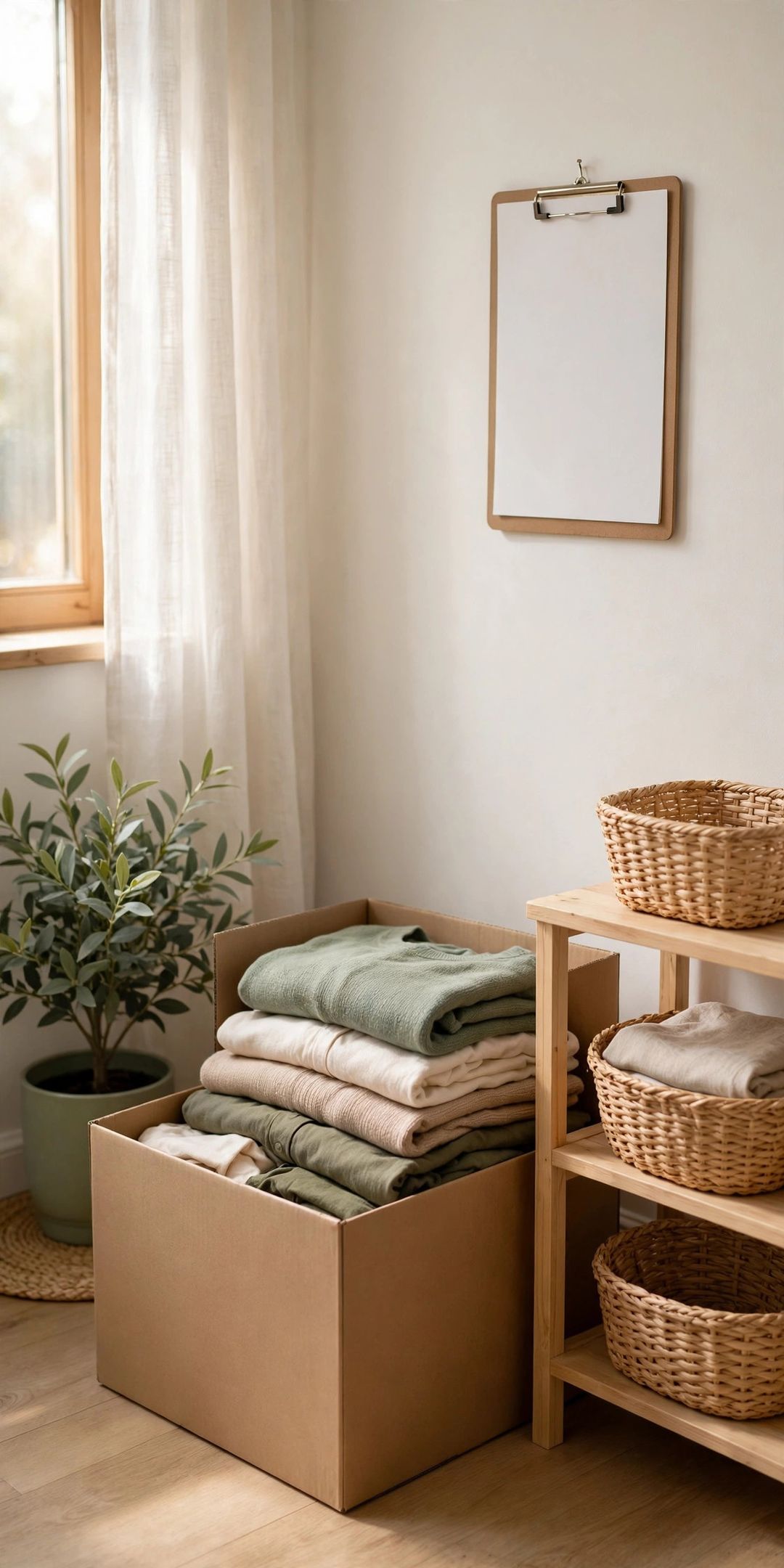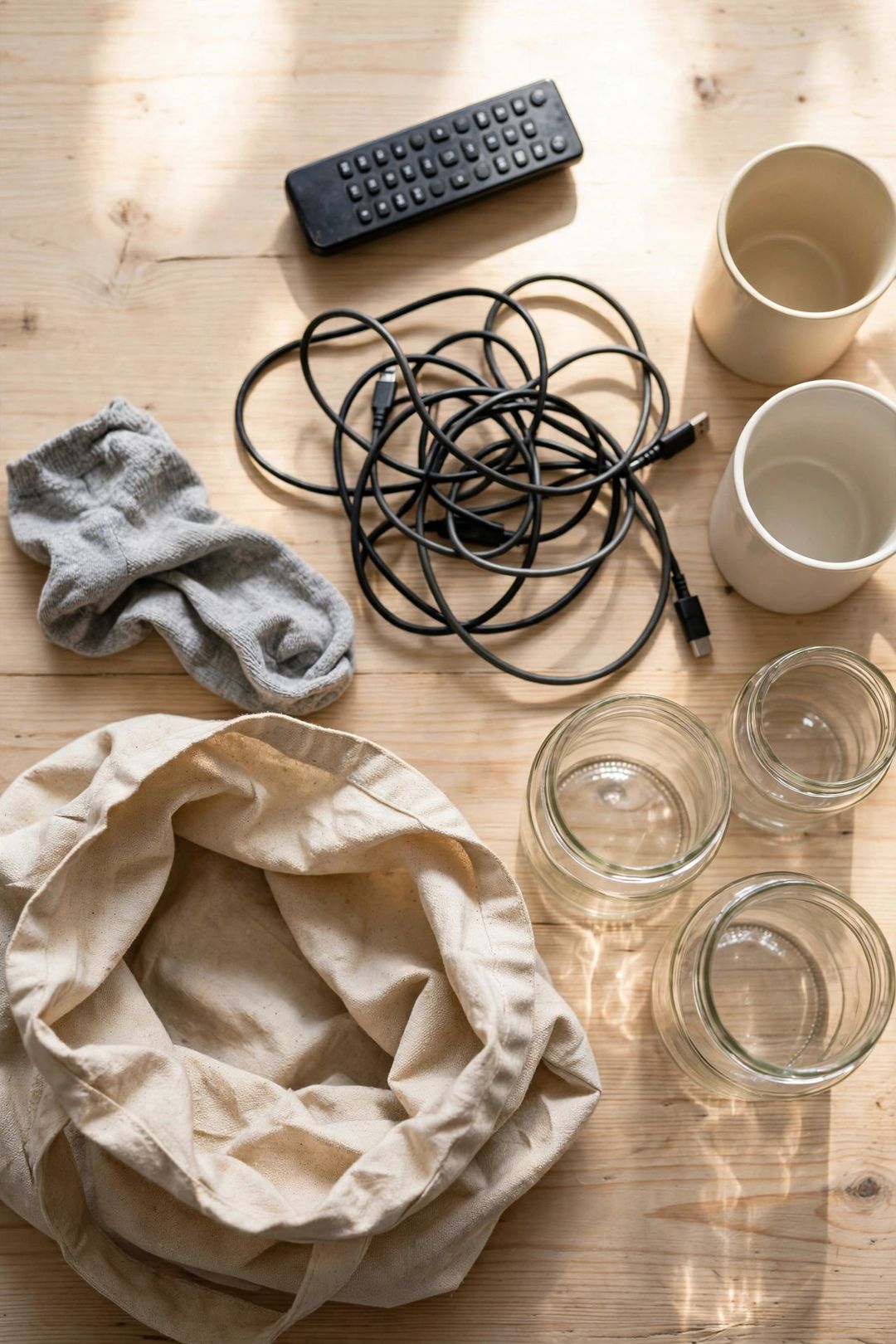
A lighter home usually starts with smaller decisions, not a whole weekend of sorting. One drawer, one shelf, or one bag at a time is enough.
This minimalist decluttering checklist covers 30 common items, grouped by area, with a simple keep-or-let-go question for each group. There is no deadline here. Work through one group, keep what is useful or genuinely liked, and let the rest go to donation, recycling, or trash as appropriate.
Before you begin, set out one bag for donations and one for trash or recycling.
Kitchen: 5 Items to Review
Guidance: keep tools you use regularly; let go of duplicates and someday items.
- 1. Duplicate utensils. Keep one or two of each tool; let go of unused extras.
- 2. Chipped or cracked mugs and dishes. Keep favorites in good condition; let go of chipped pieces.
- 3. Expired spices and pantry items. Keep in-date foods you cook with; let go of expired items and flavors you never reach for.
- 4. Single-use gadgets you never use. Keep a gadget only if it earns its drawer space; let go of the rest.
- 5. Food containers without lids. Keep matched sets that seal well; let go of lone containers and lids.
Bathroom: 5 Items to Review
Guidance: keep products you use now that are still in date; let go of expired or dried-out items.
- 6. Expired toiletries and medicines. Keep current items; dispose of expired medicines through a local take-back program where available.
- 7. Worn-out towels and washcloths. Keep enough for each person plus a spare set; let go of thin or frayed towels, or move them to a rag bin.
- 8. Hotel samples and tiny bottles. Keep a few you will truly use on a trip; let go of a drawer full of samples.
- 9. Dried-out makeup and nail polish. Keep in-date products that still apply well; let go of dried or long-unused items.
- 10. Duplicate hair tools and brushes. Keep the tools you use each week; let go of duplicates and broken items already replaced.
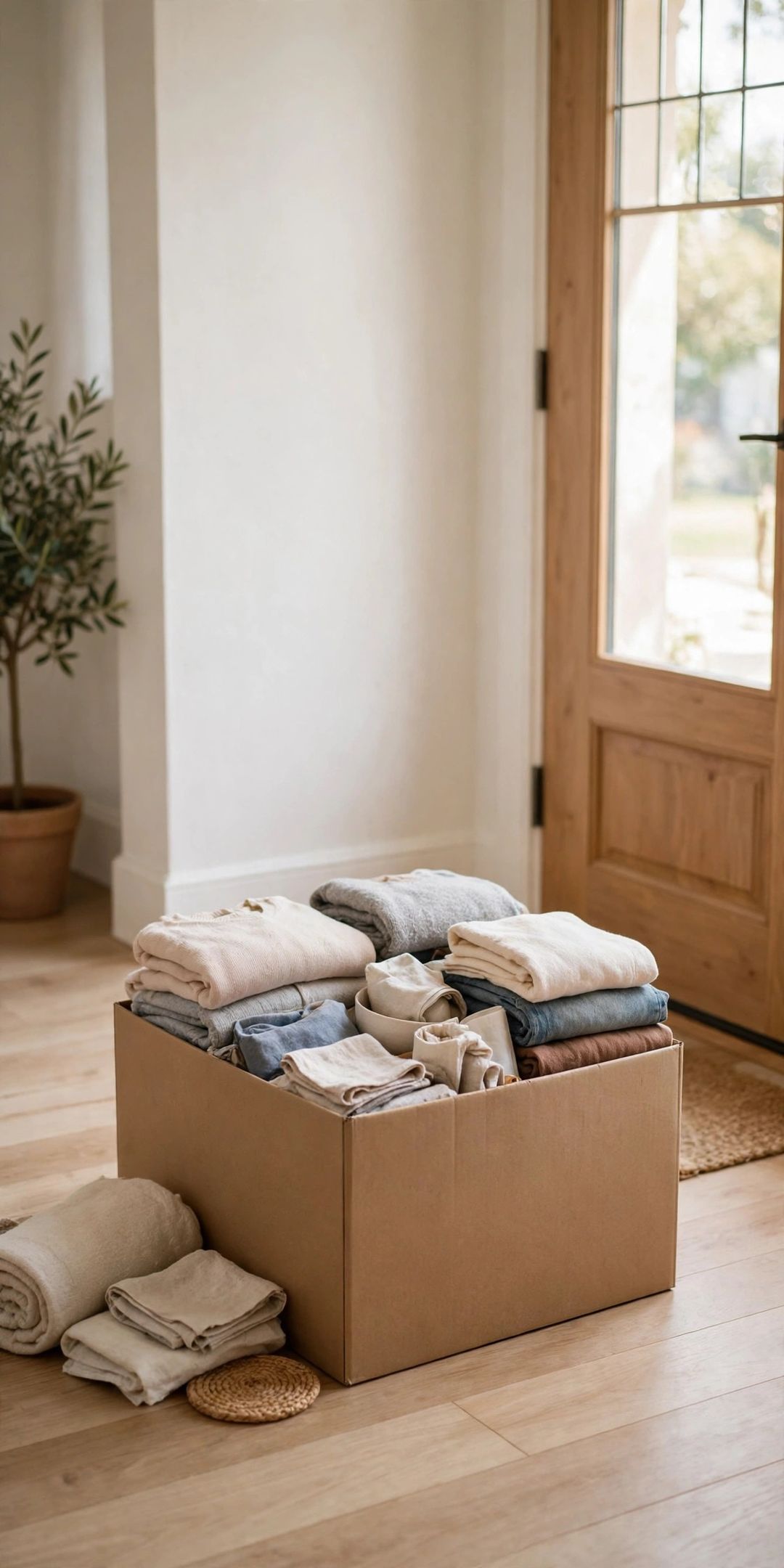
Bedroom and Closet: 6 Items to Review
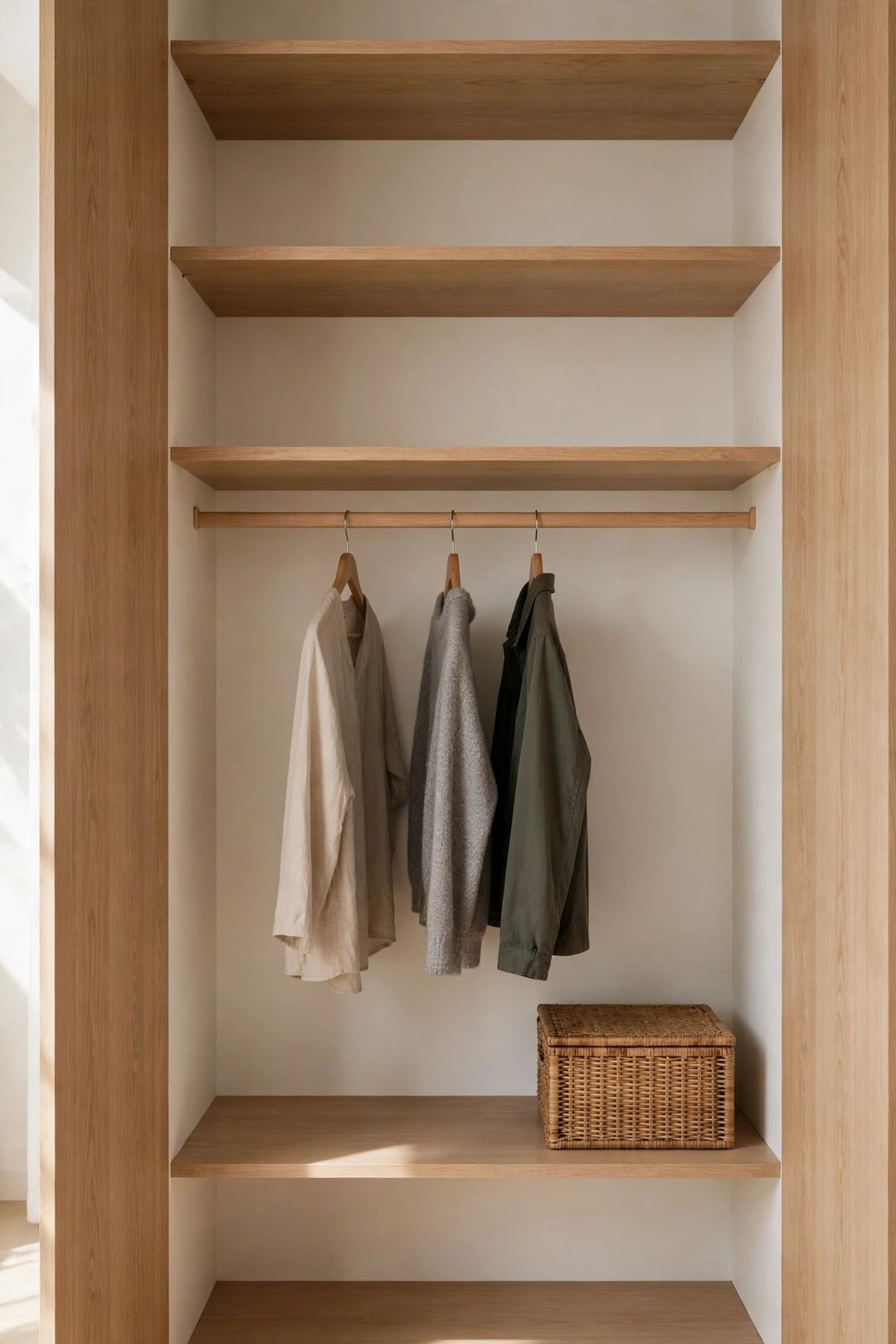
Guidance: keep clothes that fit, feel comfortable, and are worn in real life; let go of past-size or someday items.
- 11. Clothes unworn for a full year. Keep pieces you still love and wear for a clear reason; let go of the rest.
- 12. Single socks and stretched-out pairs. Keep matched pairs in good shape; let go of singles after a reasonable search.
- 13. Old bedding and pillowcases. Keep one or two spare sets per bed; let go of thin, torn, or mismatched sets.
- 14. Broken or bent hangers. Keep sturdy hangers that hold clothes well; let go of bent hangers that snag fabric.
- 15. Bags you never carry. Keep bags you use regularly or for travel; let go of bags kept only because they were free.
- 16. Accessories you no longer wear. Keep pieces you reach for and enjoy; let go of tangled, broken, or never-worn items.
Living Room: 5 Items to Review
Guidance: keep items that are used or enjoyed; let go of things kept out of habit.
- 17. Old magazines and catalogs. Keep a current issue you are still reading; let go of back issues.
- 18. Cables and chargers with no device. Keep cables that fit devices you own; recycle mystery cables through an electronics collection point.
- 19. DVDs and games never watched or played. Keep favorites you return to; let go of titles no one has chosen in years.
- 20. Decor you no longer like. Keep pieces that still suit the room; let go of items kept only because they were a gift.
- 21. Board games with missing pieces. Keep complete games your household plays; let go of games that cannot be played properly.
Home Office and Paper: 5 Items to Review
Guidance: keep papers tied to current work, taxes, or warranties; let go of duplicates and items stored digitally.
- 22. Outdated paperwork. Keep tax records and important documents as long as local rules require; shred or recycle old bills and flyers.
- 23. Dried-out pens and duplicate supplies. Keep a working set of pens and supplies you use; let go of dried pens and large duplicates.
- 24. Old notebooks with a few used pages. Keep notebooks with notes you still reference; let go of finished ones after copying anything worth keeping.
- 25. Manuals for items you no longer own. Keep manuals for devices still in the home; let go of the rest, since most are available online.
- 26. Old chargers and outdated tech. Keep chargers for devices in use; recycle broken or obsolete tech where available.
Entry and Everyday Carry: 4 Items to Review
Guidance: keep what you actually carry or use on the way out the door; let go of items sitting by the door for months.
- 27. Keys that fit nothing. Keep keys you can identify and still need; let go of mystery keys, after checking with others in the home.
- 28. Worn-out reusable bags. Keep a few sturdy bags you use for shopping; let go of torn bags and extras.
- 29. Single gloves and broken umbrellas. Keep matched pairs and working umbrellas; let go of singles and broken ones that will not be repaired.
- 30. Expired coupons and loyalty cards. Keep current cards and coupons you plan to use; let go of expired ones and cards for stores you no longer visit.
What to Buy
Sturdy donation bags or boxes, typically $8–$18 for a pack. Pro: Easy to carry sorted items straight to donation. Con: Thin bags can tear under heavy items. Skip if: You already have boxes to reuse.
Small labels or a marker, typically $5–$12. Pro: Labels keep donation, recycling, and keep piles clear. Con: Labels are easy to lose mid-project. Skip if: A marker on tape already works.
A small shredder, typically $25–$50 for a basic model. Pro: It handles paperwork with personal details safely. Con: Basic shredders work slowly on large stacks. Skip if: A local shredding service covers it.
A sorting tray or desktop organizer, typically $12–$25. Pro: It gives keep items a home during and after sorting. Con: It can become another clutter spot if not maintained. Skip if: Your drawers already have dividers.
Mistakes to Avoid
- Trying to finish the whole home in one day. Big sessions lead to rushed decisions. One group at a time is enough.
- Starting with sentimental items. Keepsakes need more time. Start with expired items and duplicates, and save keepsakes for later.
- Keeping things out of guilt. A gift or past expense does not require a permanent home.
- Moving clutter instead of removing it. Sorting items into a new bin is not letting them go. Give each item a next step.
- Leaving donation bags by the door. Bags that sit for weeks tend to be unpacked. Drop them off promptly.
Frequently Asked Questions
What if I am not sure about an item?
Put it in a labeled, dated box out of the way. If you do not reach for it after a few months, it is usually safe to let it go.
Do I have to declutter every area on this list?
No. Use only the groups that apply to your home. A smaller result that holds is better than a large one that unravels.
What should I do with items in good condition?
Donate usable clothes, household goods, and books to a local charity or thrift store. Broken items belong in recycling or trash, following local rules.
How often should I repeat this checklist?
Once or twice a year works well, with a quick review of one group whenever a drawer or shelf feels crowded again.
Letting go of 30 small items can make a home feel calmer. Save this post to your Declutter board on Pinterest, and begin with the easiest group today.