Most homes do not need a huge declutter every month. They need a short, regular check-in that catches clutter while it is still small. The same spots fill up again and again: the entry, the kitchen counter, the bathroom shelf, and that one chair or drawer.
This monthly declutter routine 30 minutes plan breaks the job into five timed blocks that add up to exactly 30 minutes. You will scan the hotspots, check dates on food and toiletries, deal with paper, and fill one donate bag.
Set a timer for each block and move on when it rings, even if the spot is not perfect. The goal is a steady reset that fits real life, not a deep clean or a full sort of every closet and cupboard.
1. Minutes 0–5: Start With a Quick Sweep and a Bag
Grab a trash bag, a recycling bag, and one empty donate bag before the timer starts. Walk through the main rooms once, in the same order each month, and pick up only what is clearly trash, recycling, or broken beyond use. Toss wrappers, empty boxes, dried-out pens, and worn-out sponges as you go.
Do not stop to sort drawers or read paper in this block. If an item needs a decision, leave it for a later block. This first pass clears the easy layer, makes every room look better fast, and gives you a clean base for the closer checks that follow.
2. Minutes 5–12: Scan the Hotspots
Spend these seven minutes on the flat surfaces and drop zones where clutter collects fastest. Check the entry table, kitchen counters, dining table, nightstands, and the top of the dresser. For each spot, return stray items to their homes, group what stays into one small tray or basket, and remove anything that does not belong in that room.
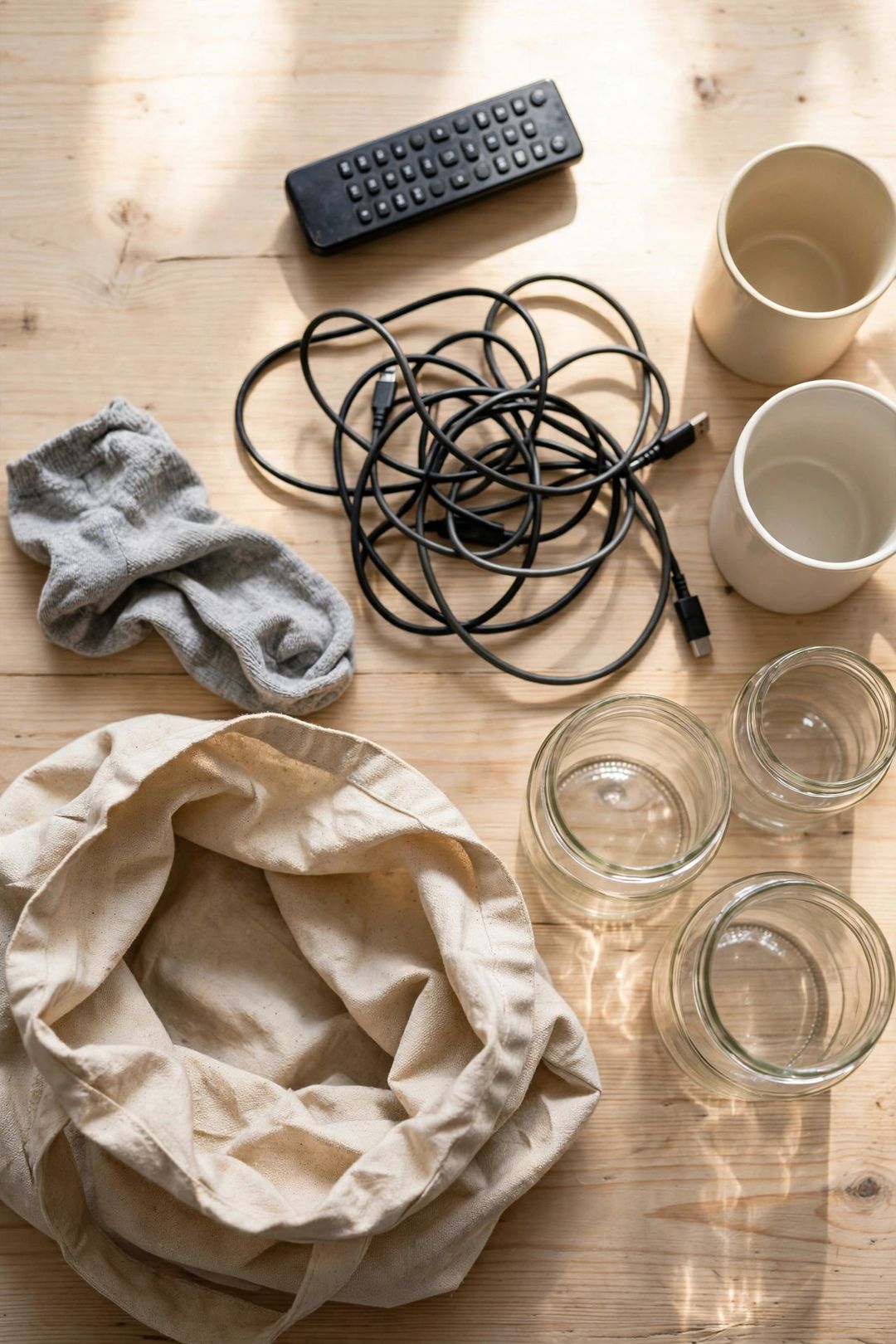
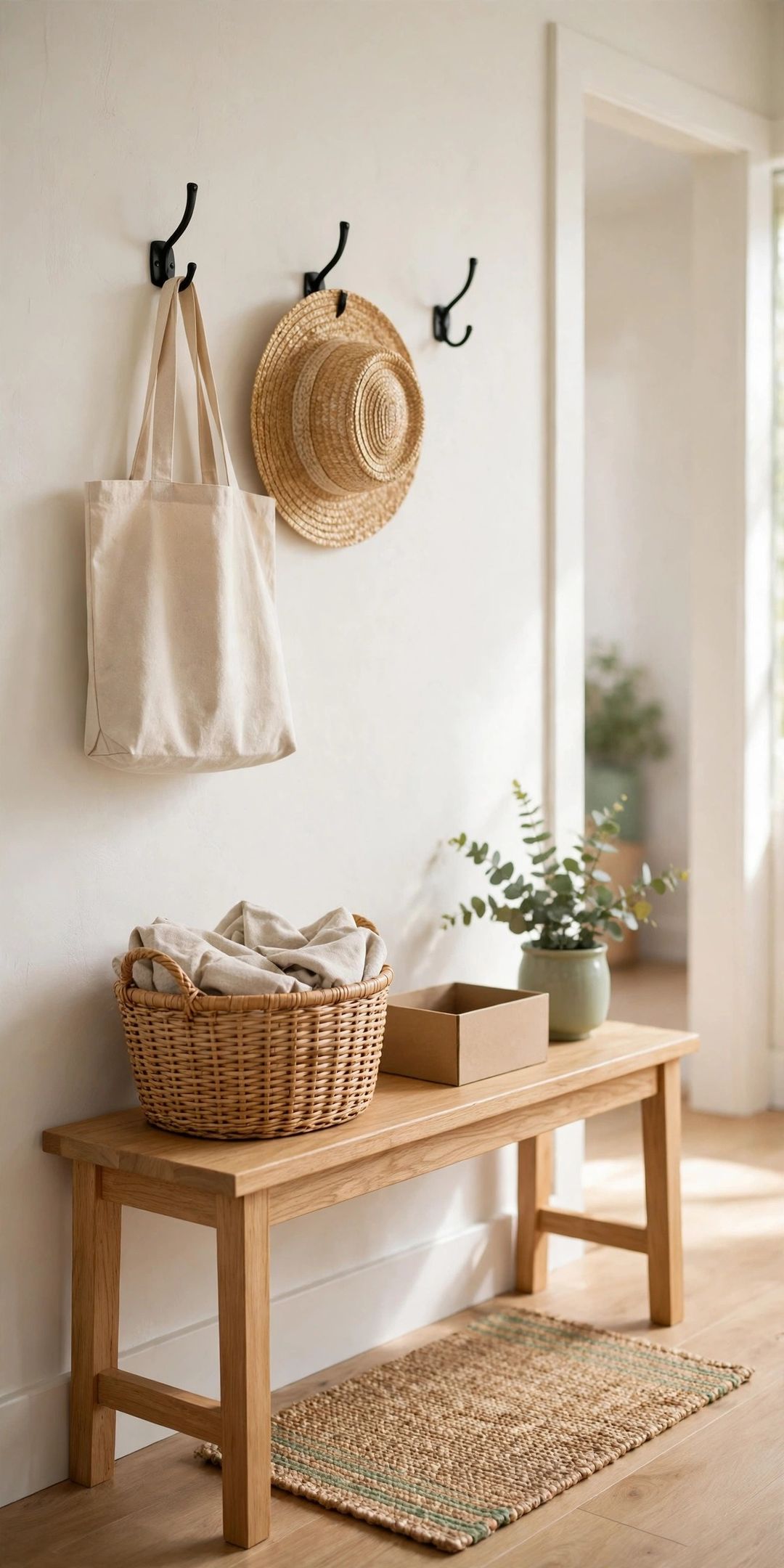
Look for repeat items: unopened mail, loose chargers, coins, hair ties, cups, and clothes draped over chairs. If a hotspot overflows every month, it needs a permanent home nearby, such as a small basket by the door for keys and mail. Note the problem spot, but fix it after the routine, not during it.
3. Minutes 12–20: Check Expiry Dates and Worn-Out Basics
Use these eight minutes for quick date checks in three places: the fridge, the pantry shelf you use most, and the bathroom cabinet. In the fridge and pantry, look for expired food, stale open packages, and duplicates that need to move to the front so they get used first. Throw out anything spoiled and make a short use-first note for items near their date.
In the bathroom, check medicines, sunscreen, and toiletries for dates, and toss empty bottles and dried-out products. Finish with a fast scan of basics that wear out quietly, such as dish sponges, cleaning cloths, and batteries in a junk drawer. Write any replacements on one shopping list as you go, so the check turns into a plan instead of a pile of half-finished jobs.
4. Minutes 20–26: Fill the Donate Bag and Clear Paper
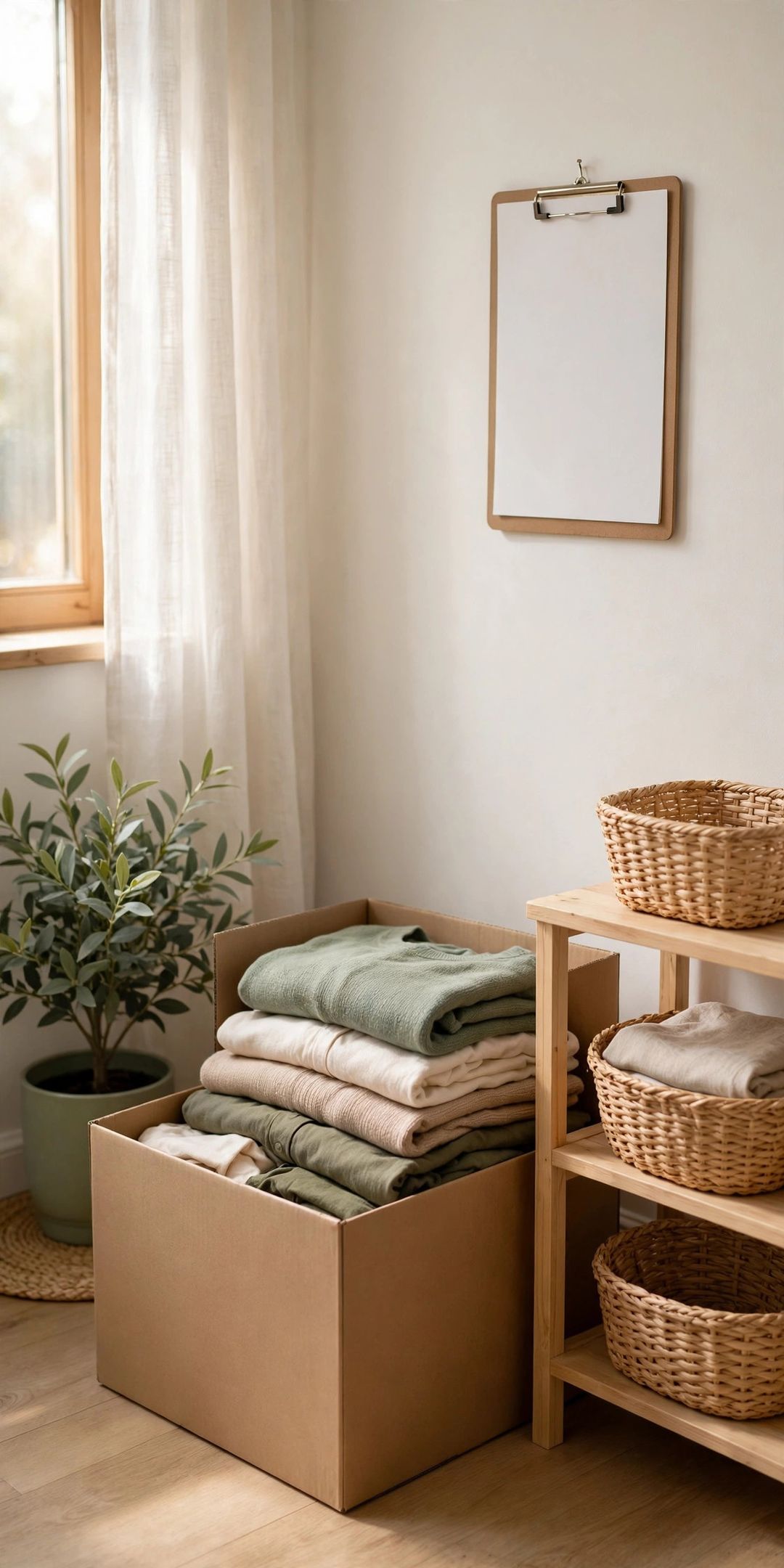
Set the donate bag in a central spot and spend six minutes feeding it. Do a fast pass through one closet section, one drawer, or one shelf — rotate the spot each month so the whole home gets covered over time. Add clothes not worn since the last check, duplicate kitchen tools, books you will not read again, and toys or gear that no longer get used.
Then turn to paper for the last part of the block. Recycle flyers, envelopes, and old lists at once. File the few papers that must be kept, and place bills or forms that need action in one folder or tray. The donate bag does not need to be full to count. A half-full bag every month still moves a steady stream of items out of the house.
5. Minutes 26–30: Take It Out and Reset the List
Use the final four minutes to finish the job fully. Tie the trash and recycling bags and take them out. Put the donate bag by the door or in the car, with a plan to drop it off within the week. A routine that ends with bags still in the hallway only moves clutter from one spot to another.
Put back anything you pulled out during sorting, wipe one hotspot surface if time allows, and write next month's focus on your list: the drawer, shelf, or hotspot that needs the first look next time. Then stop when the timer ends. Ending on time is what makes the routine easy to repeat next month.
What to Buy
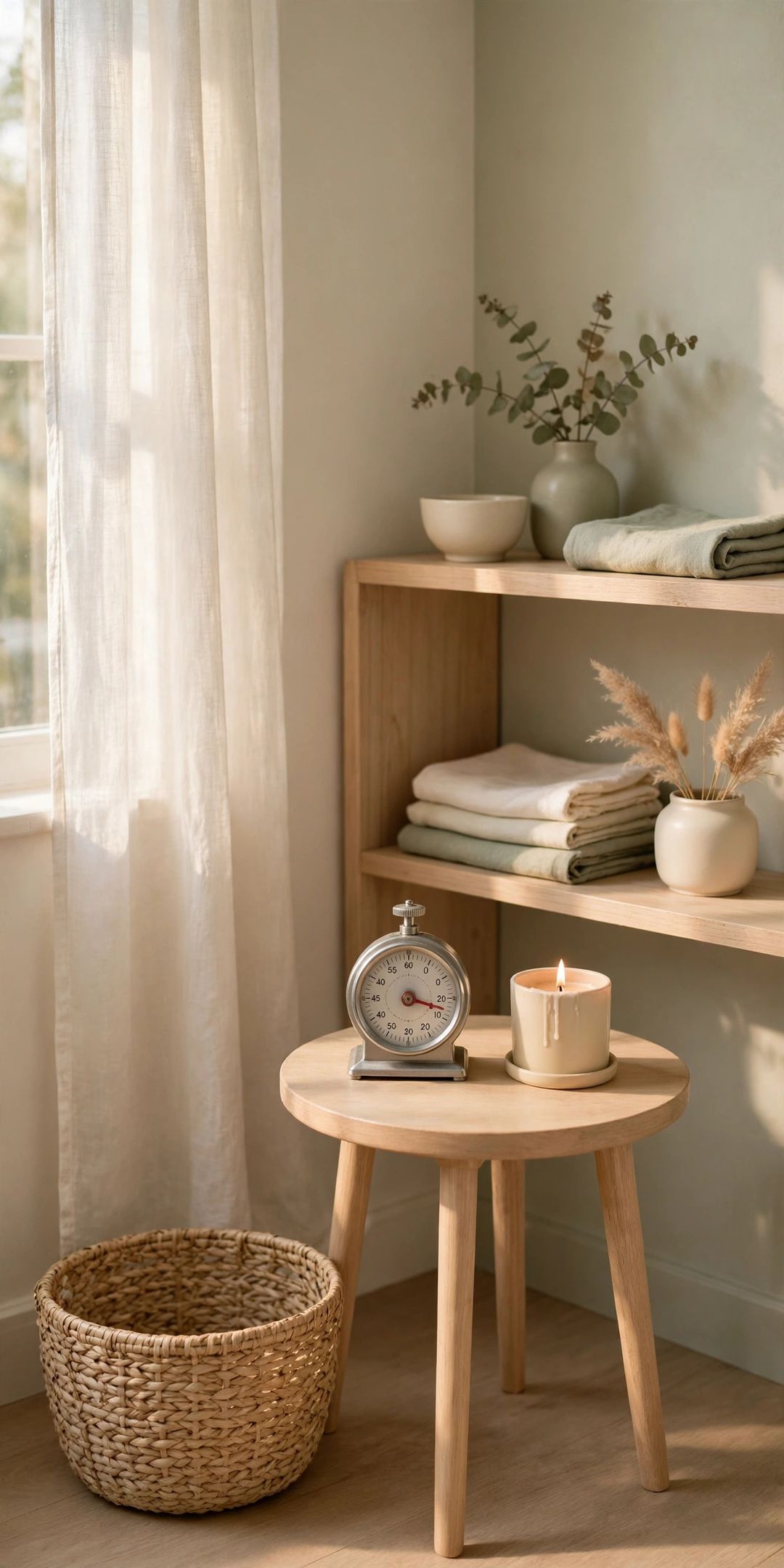
A small timer or timer app, typically $0–$10. Best for keeping each block short. Pro: A visible countdown stops one spot from eating the whole session. Con: A phone timer can bring distracting alerts, so a kitchen timer may work better.
Sturdy trash and donation bags, typically $6–$12 for a pack. Best for the monthly sweep. Pro: Strong bags handle books and kitchen items without tearing. Con: Very large bags get heavy fast, so medium sizes are easier to carry.
Small baskets or trays for hotspots, typically $8–$18 each. Best for entry tables and counters. Pro: A defined edge keeps loose items in one spot. Con: A basket with no limit becomes clutter storage, so keep it small.
A single action folder for paper, typically $5–$10. Best for bills and forms that need follow-up. Pro: One folder stops paper piles from spreading. Con: It only works if you clear it each month.
Mistakes to Avoid
- Skipping the timer. Without set blocks, one drawer can take the full 30 minutes and the date checks and donate bag never happen.
- Starting a deep sort mid-routine. Pulling out a whole closet turns a short check-in into an all-day job. Save deep sorts for a separate session.
- Checking every room in equal detail. Hotspots and expiry checks matter most each month. Rotate the extra drawer or shelf instead of trying to cover everything.
- Leaving bags inside after the timer ends. Trash, recycling, and donations that stay by the door become new clutter. Taking them out is part of the routine.
- Waiting for a perfect day to start. This routine is built for a normal day. A rough, on-time pass beats a perfect session that keeps getting delayed.
Frequently Asked Questions
What day of the month works best for this routine?
Pick a day you can repeat, such as the first Saturday, the last Sunday, or the day before trash pickup. The exact day matters less than using the same day each month, so the habit builds on its own.
What if 30 minutes is not enough for a larger home?
Keep the 30 minutes, but rotate the focus. Cover hotspots, fridge, and paper every month, and rotate the extra drawer, closet section, or shelf. Larger homes get covered over a few months instead of in one long session.
What should always go in the donate bag?
Clean, working items that no longer get used are the best fit: clothes in good shape, duplicate tools, unread books, and household extras. Broken, stained, or expired items belong in trash or recycling, not donations.
How do you keep the routine short month after month?
Use the same order, blocks, and supplies each time. Start the timer before you begin, leave deep decisions for a separate list, and stop when the last block ends. A note of next month's focus also saves time next time.
Short routines only work if they are easy to find again next month. Save this post to your Declutter board on Pinterest so the five timed blocks are ready when your next check-in day comes.