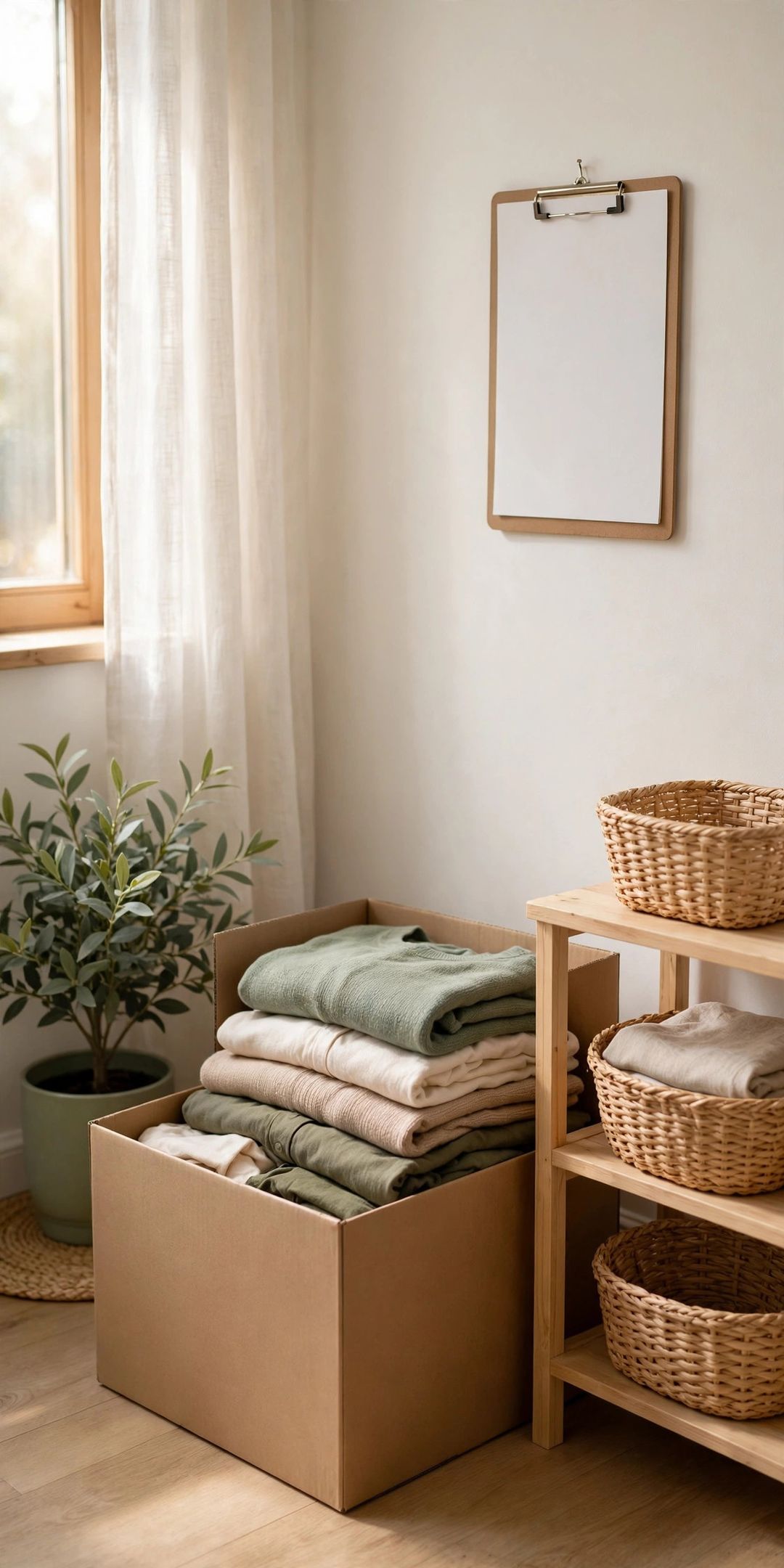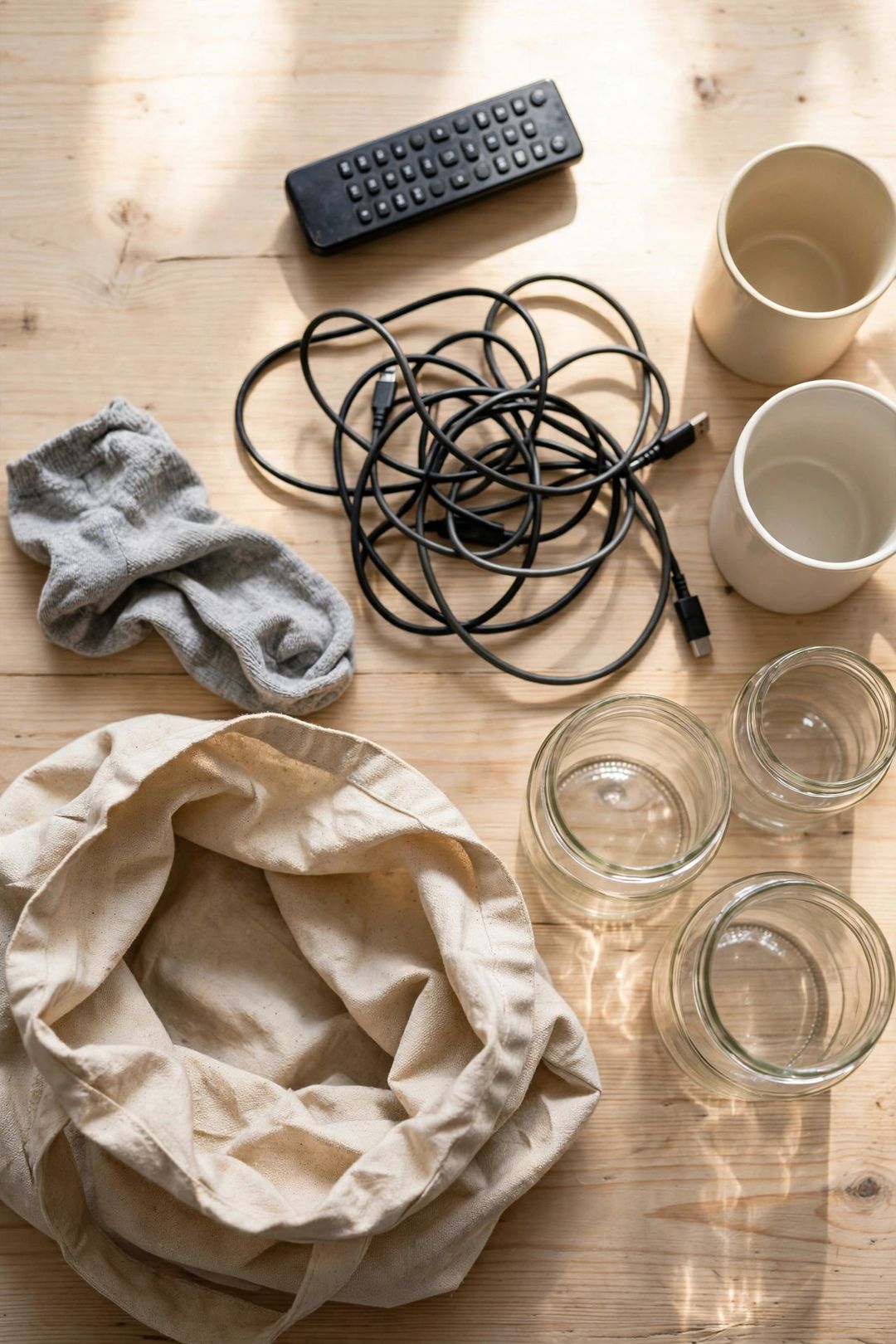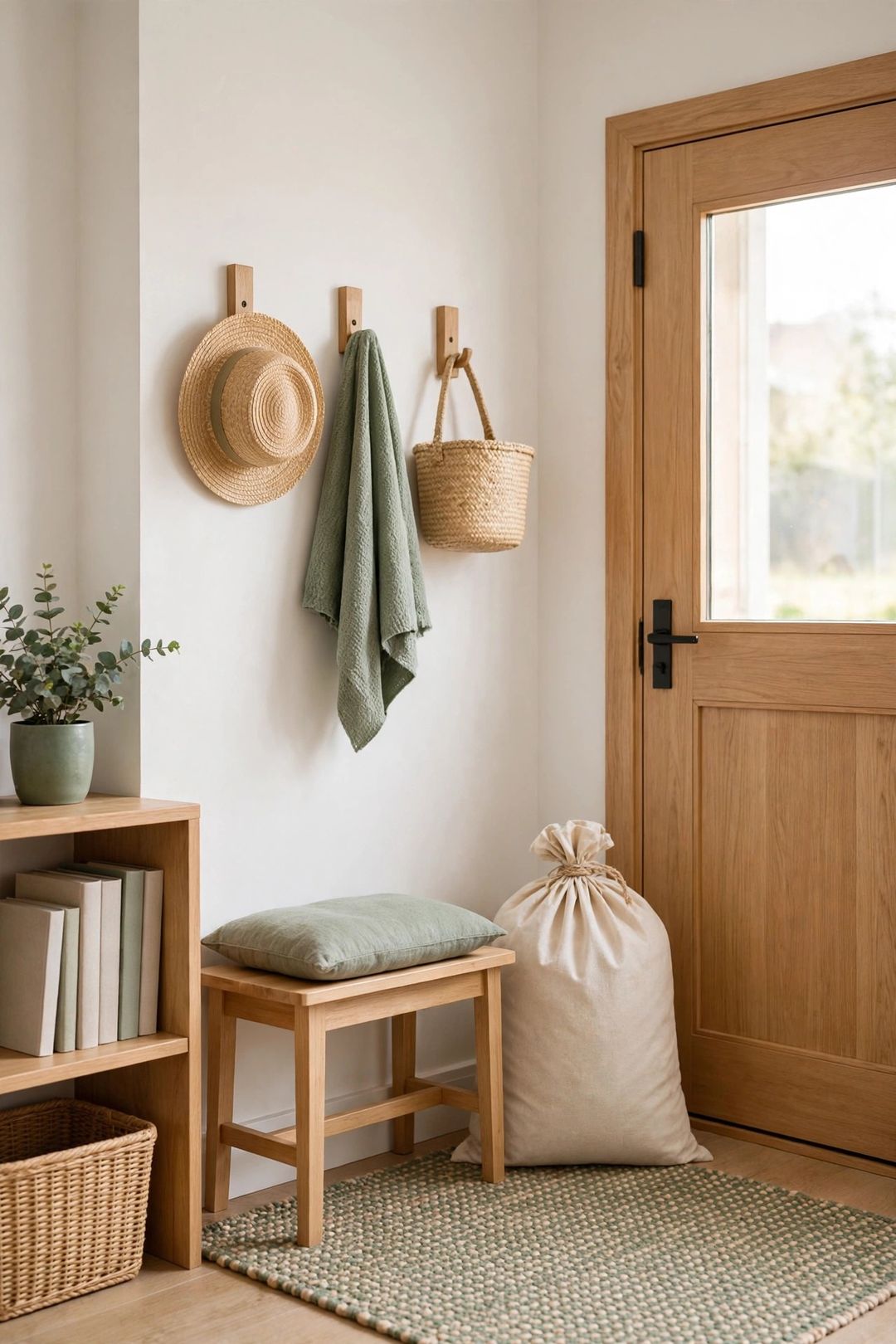
Big decluttering weekends are hard to start and harder to finish. A smaller daily habit is easier to keep: one bag, filled once a day, leaving the house the same day.
The one bag a day declutter method turns a whole-home declutter into thirty small tasks. Each day, fill one bag from one small area — a drawer, a shelf, a corner — then donate, recycle, or toss it before the day ends.
The 30 bags below are a route and a structure, not a promise about how any one home will look at the end. The plan simply gives you a steady pace and a clear next step daily.
1. How the Method Works
One bag per day. Fill a single bag to donate, recycle, or throw away. That bag is the whole job; anything extra is a bonus.
One small area at a time. A drawer, shelf, or surface gives the bag a clear source and leaves the room untouched.
The bag leaves the same day. A filled bag in the hallway becomes storage. Same-day exits, in section 7, turn bags into actual space.
2. Choose Your Bag Size
Grocery or tote size for most days. It suits drawers and shelves, fills fast, and stays light to carry out.
A larger bag for bulky zones. A tall kitchen bag, around 13 gallons, handles linen closets and storage corners.
Keep the size honest. A tiny bag misses the point; an oversized bag daily becomes a chore. Match the bag to the zone.
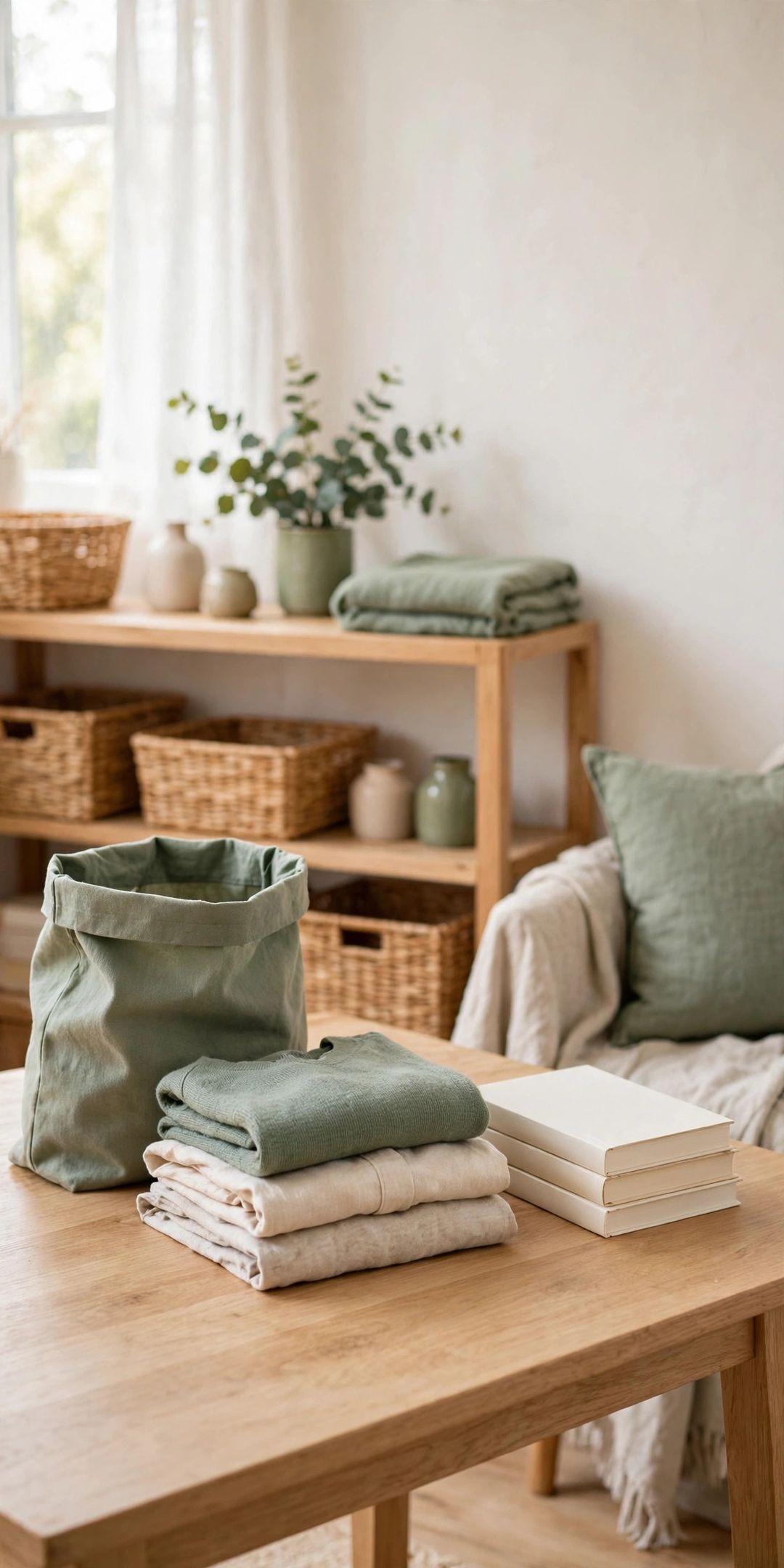
3. Days 1–7: Entry, Kitchen, and Daily Surfaces
Start where clutter is newest and least sentimental, so early bags fill quickly.
Bag 1: Entry. Worn-out shoes, broken umbrellas, anything by the door no one uses.
Bag 2: Junk drawer. Dead batteries, dried pens, mystery keys, orphan cables.
Bag 3: Kitchen gadgets. Duplicate utensils, chipped mugs, single-use tools.
Bag 4: Fridge and pantry. Expired food, stale spices, hidden duplicates.
Bag 5: Under the sink. Empty bottles, worn sponges, forgotten cleaning products.
Bag 6: Living room surfaces. Old magazines, finished candles, background-clutter decor.
Bag 7: Coat closet. Scarves, gloves, and bags unworn this season or last.
4. Days 8–14: Bathroom, Laundry, and Bedrooms
Week two covers personal spaces, where most items have a clear owner.
Bag 8: Bathroom cabinets. Expired medicines for safe disposal, empty bottles, unused products.
Bag 9: Towels and linens. Threadbare towels, stained washcloths, sheet sets with missing pieces.
Bag 10: Wardrobe, part one. Clothes that no longer fit, are damaged, or always get passed over.
Bag 11: Wardrobe, part two. Shoes, belts, and "someday" outfits.
Bag 12: Nightstands and dressers. Finished books, old chargers, stray receipts.
Bag 13: Laundry supplies. Nearly empty bottles, single socks, replaced tools.
Bag 14: Kids' or guest spaces. Outgrown clothes and toys; each person sorts only their own things.
5. Days 15–21: Paper, Media, and Hobbies
Week three tackles slow-building categories that spread quietly.
Bag 15: Paper, part one. Junk mail, flyers, expired coupons, catalogs — mostly recycling.
Bag 16: Paper, part two. Old statements and papers no longer needed. Shred personal details first.
Bag 17: Books and media. Books you will not reread, scratched discs, old manuals.
Bag 18: Hobby supplies. Dried paints, tiny scraps, supplies for hobbies left behind.
Bag 19: Electronics and cords. Broken earbuds, old phones, orphan chargers. E-waste recycling, not trash.
Bag 20: Living room storage. Old remotes, games with missing pieces, tired throws.
Bag 21: Seasonal items. Decorations in everyday closets — keep yearly favorites, donate the rest.
6. Days 22–30: Storage Zones and the Final Pass
The last stretch handles storage, then circles back for a second look.
Bag 22: Hall or linen closet. Extra vases, gift wrap scraps, "just in case" extras.
Bag 23: Storage bins. Open every container. Empty bins are a win — let some go.
Bag 24: Balcony, garage, or storage corner. Broken planters, dried paint, leftover project tools.
Bag 25: Kitchen, second pass. Lidless containers, extra pans, unused serving pieces.
Bag 26: Bathroom and bedroom, second pass. Items defended in week two often look different now.
Bag 27: Sentimental, gently. Duplicate photos, cards you do not reread. Anything you hesitate over stays.
Bag 28: Car or daily carry. Trunk and console, or empty your everyday bag and tote completely.
Bag 29: Desks and drawers. Old notebooks, printed photos, USB drives, stray chargers.
Bag 30: Walk-through bag. Carry it slowly through every room; clear spaces give up a few more items.
7. What to Do With Every Filled Bag
Donate the same day when you can. Use a charity shop or donation bin during an errand you are already making. If not, bags wait by the door with a set drop-off day.
Trash and recycling go out immediately. Straight to the outside bins, so they can never drift back into a closet.
Sort as you fill, not later. Three destinations: donate, recycle, trash. A bag with a destination leaves; a "sort later" bag stays.
8. Keep Going After Day 30
Drop to one bag a week. A weekly bag handles new inflow — mail, packaging, outgrown items — before it builds up.
Repeat the route when life changes. A new season, a move, or a growing child are good reasons for another 30 bags.
Use one-in, one-out between runs. Something new in, something similar out. It quietly protects the space your 30 bags created.
What to Buy
Sturdy trash bags, typically $8–$15 for a box. Pro: Tall bags handle trash and bulky days. Con: Thin bags tear under books. Skip if: You have a full box.
Reusable donation totes, typically $10–$20 for a set. Pro: They stand open while filling and carry donations neatly. Con: Liked totes may not come back. Skip if: Paper grocery bags cover donation days.
Clear recycling bags, typically $6–$12. Pro: Paper and bottle loads sort at a glance. Con: Some programs want loose recycling. Skip if: Your recycling is loose-bin only.
A marker and labels, typically $5–$10. Pro: Marking each bag keeps exits on schedule. Con: One more small supply to store. Skip if: Tape and a pen are in reach.
Mistakes to Avoid
- Letting filled bags pile up indoors. A hallway of bags feels worse than clutter. Same-day exits are part of the method.
- Choosing a huge bag every day. An oversized target turns a gentle habit into a chore and ends runs early.
- Perfect-sorting every item. Donate, recycle, trash is enough. Long debates drain the pace.
- Quitting after a missed day. A skip just moves the route by a day. Continue with the next bag.
- Starting with sentimental items. Keepsakes are the slowest decisions. The route saves them for bag 27.
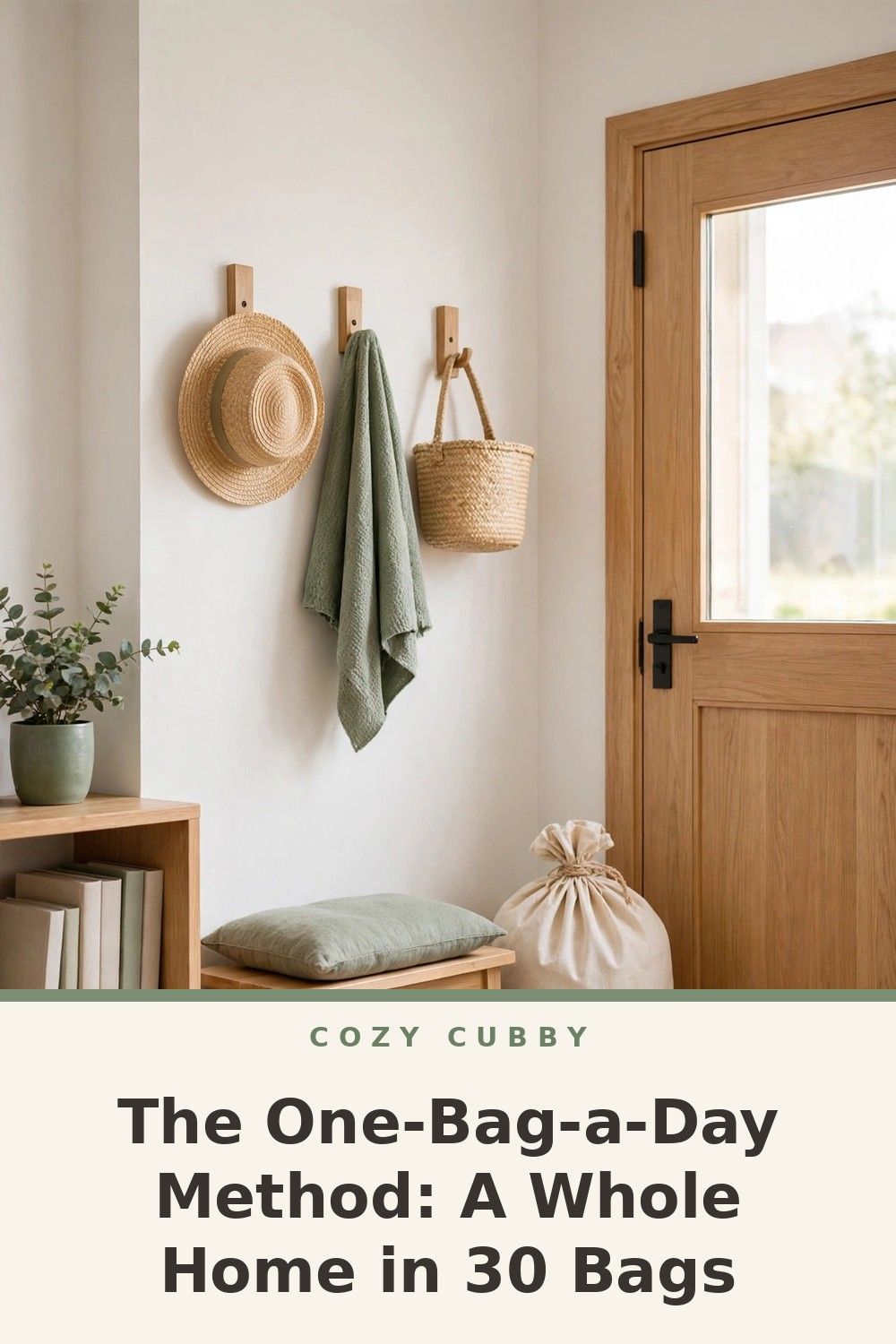
Frequently Asked Questions
What if one bag is not full some days?
It still counts, especially in a small home or late in the route. Combine two tiny areas, like a nightstand and a desk drawer. The habit matters more than a full bag.
What if an item is too big for a bag?
Count it as that day's bag. A chair, broken fan, or box of books does the same job — just move it out the same day.
What if I miss a day?
Continue with the next bag tomorrow. Do not double up; that often leads to skipping the next day. The route flexes to your calendar.
Can I change the order of the zones?
Yes. Swap days to match your energy — a quiet Sunday may suit paper better than a weekday. Keep all 30 bags on your list.
Thirty bags, one calm day at a time, can change how a small home feels — and the weekly bag keeps it that way. Save this post to your Declutter & Routines board on Pinterest so your route is ready on day one.