Three small paper problems cause an outsized share of household stress: gift cards that vanish or sit forgotten, returns that miss their window, and receipts that breed in every drawer. Learning how to organize gift cards returns receipts takes one idea repeated three times: each category gets exactly one home, and that home is not the junk drawer.
The whole setup takes about 30 minutes and uses a clip or small pouch, one bin or sturdy bag, and one envelope or folder. After that, a 10-minute monthly routine keeps it running for the year.
Gift Cards: One Clip, Checked Monthly
1. Gather every card into one place. Check wallets, purses, glove boxes, desk drawers, and last year's holiday cards. Loose gift cards hide in an embarrassing number of spots, and the full pile is usually worth more than expected.
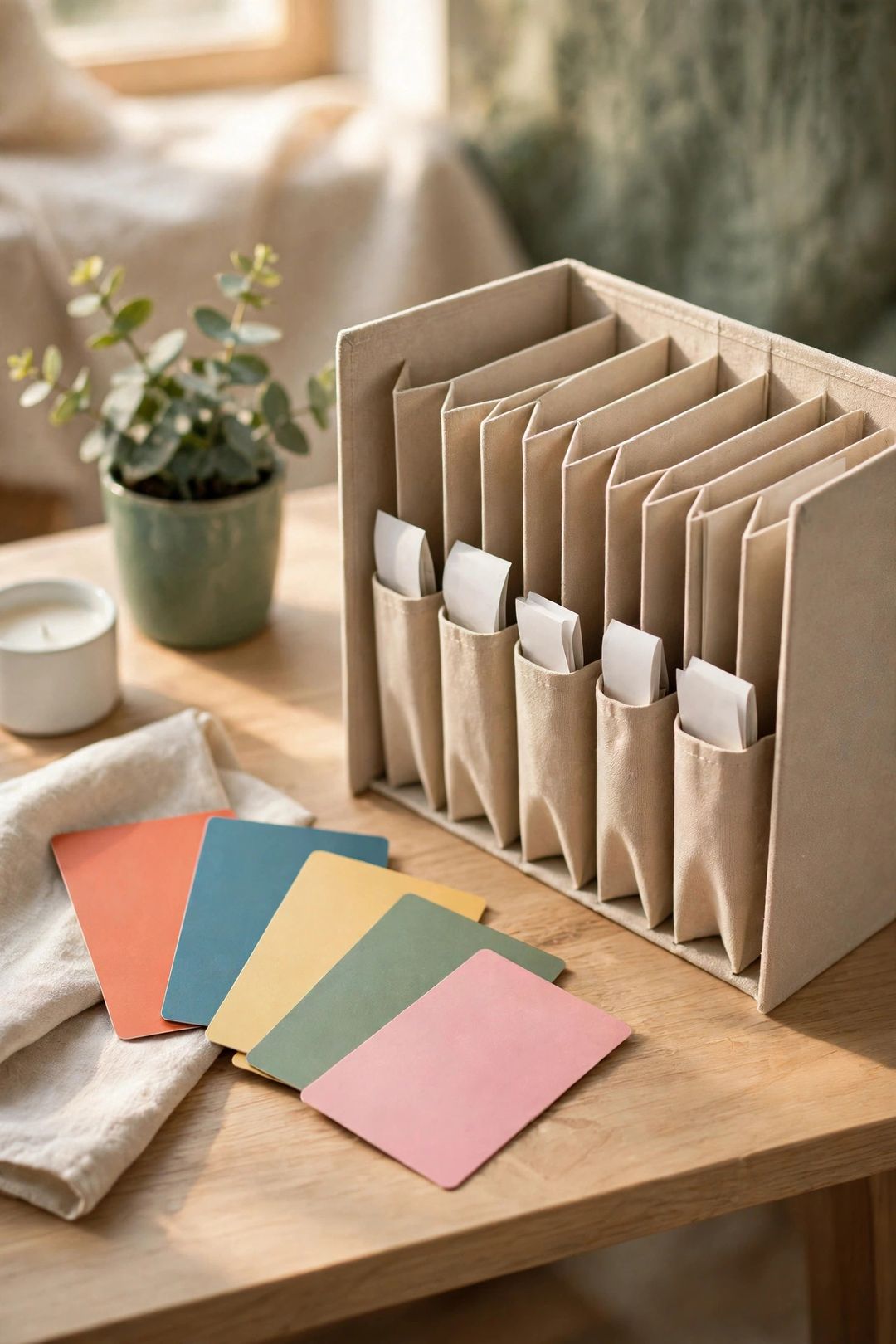
2. Give them one physical home. A binder clip on the fridge, a small zip pouch in one drawer, or a dedicated slot in your wallet — pick one. The rule matters more than the container: a gift card found anywhere else gets moved to the home the same day.
3. Sort by how soon you will use them. Put restaurants and stores you visit monthly in front, occasional ones behind. Cards you will honestly never use can be regifted (with the balance noted) or sold through a gift-card resale site rather than expiring in a drawer.
4. Write the balance on the card. After each use, note the remaining balance and the date on the back or a sticky dot. A card with a visible number gets spent; a card with an unknown balance gets avoided.
Returns: One Bin by the Door
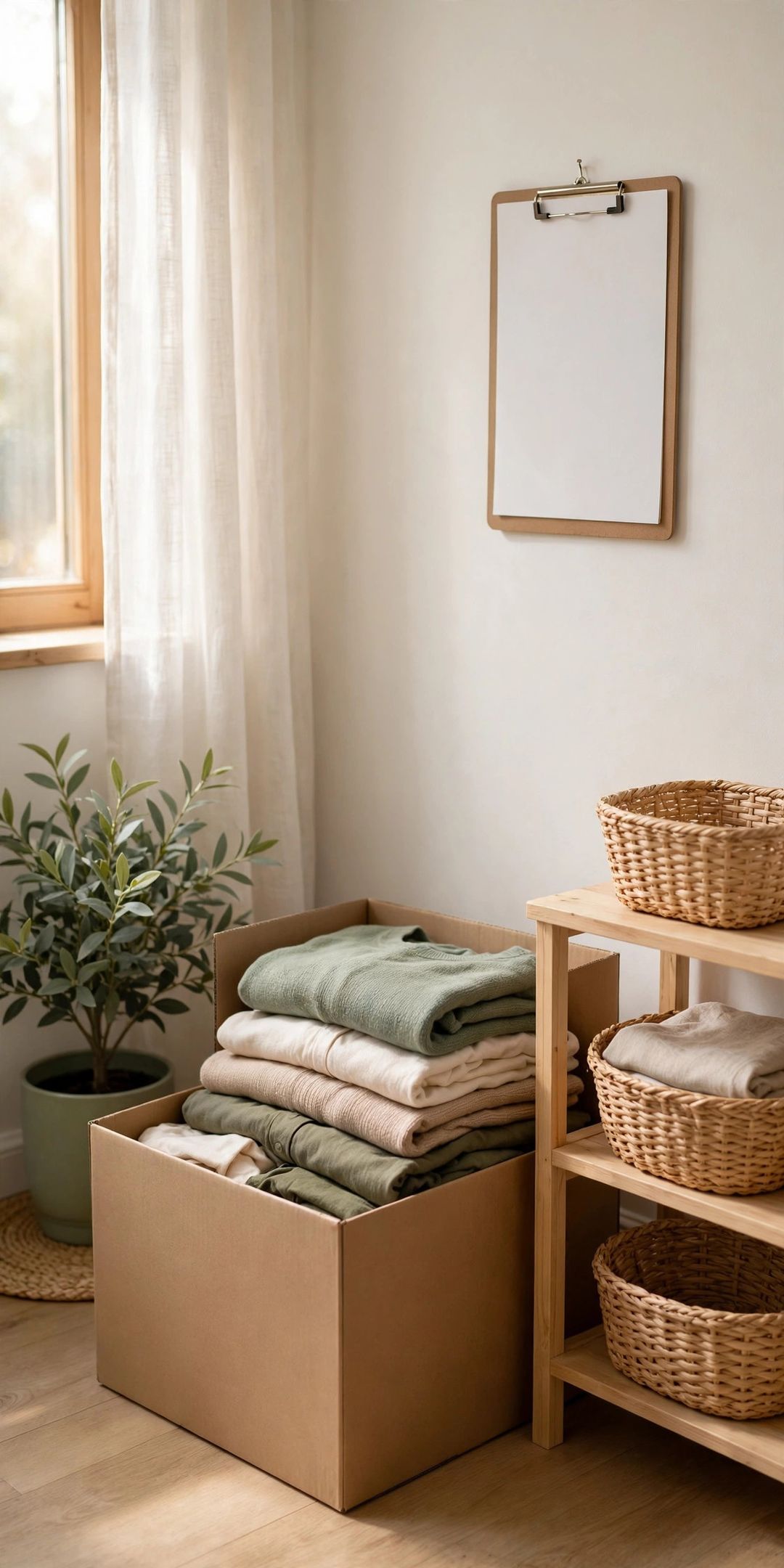
1. Park a returns bin where you leave. One small bin, box, or sturdy tote bag by the door or in the car trunk. Anything that needs to go back lands there immediately — not on a chair, not "near the door," in the bin.
2. Keep the packaging until the window closes. Boxes, tags, and inserts stay with the item until the typical return window passes (often 30, 60, or 90 days depending on the store and season). An item out of its box is an item you now own.
3. Sort the bin by deadline. When the bin holds more than two items, put the nearest deadline on top and note the last return date on a sticky label. Deadline order beats store order, because the costliest mistake is a missed window.
4. Pair returns with trips you already make. Add the bin to one regular route — the grocery run or the school run — once a week during the post-holiday season. Returns that need a special trip tend to become donations by default.
Receipts: One Envelope, One Habit
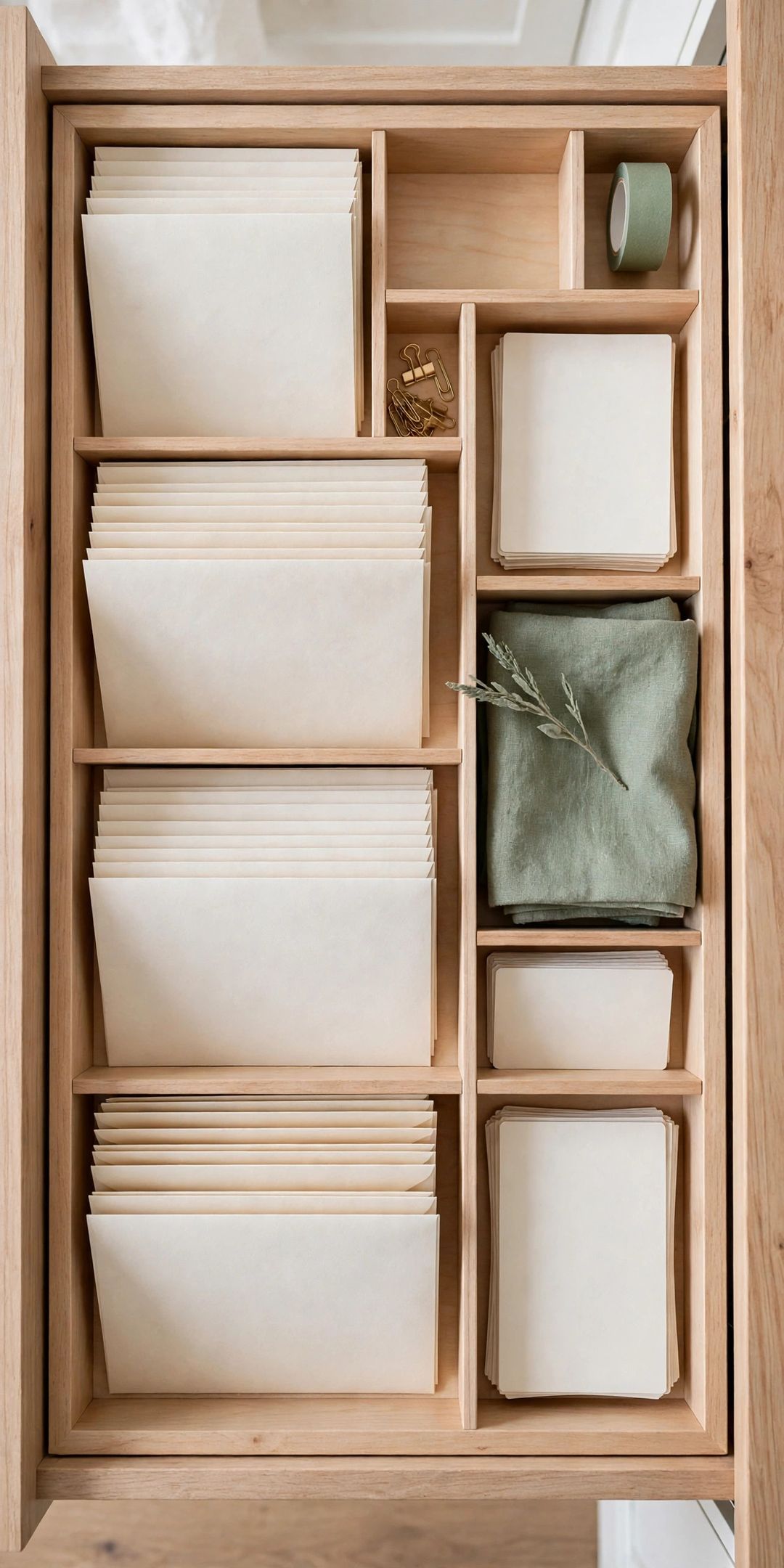
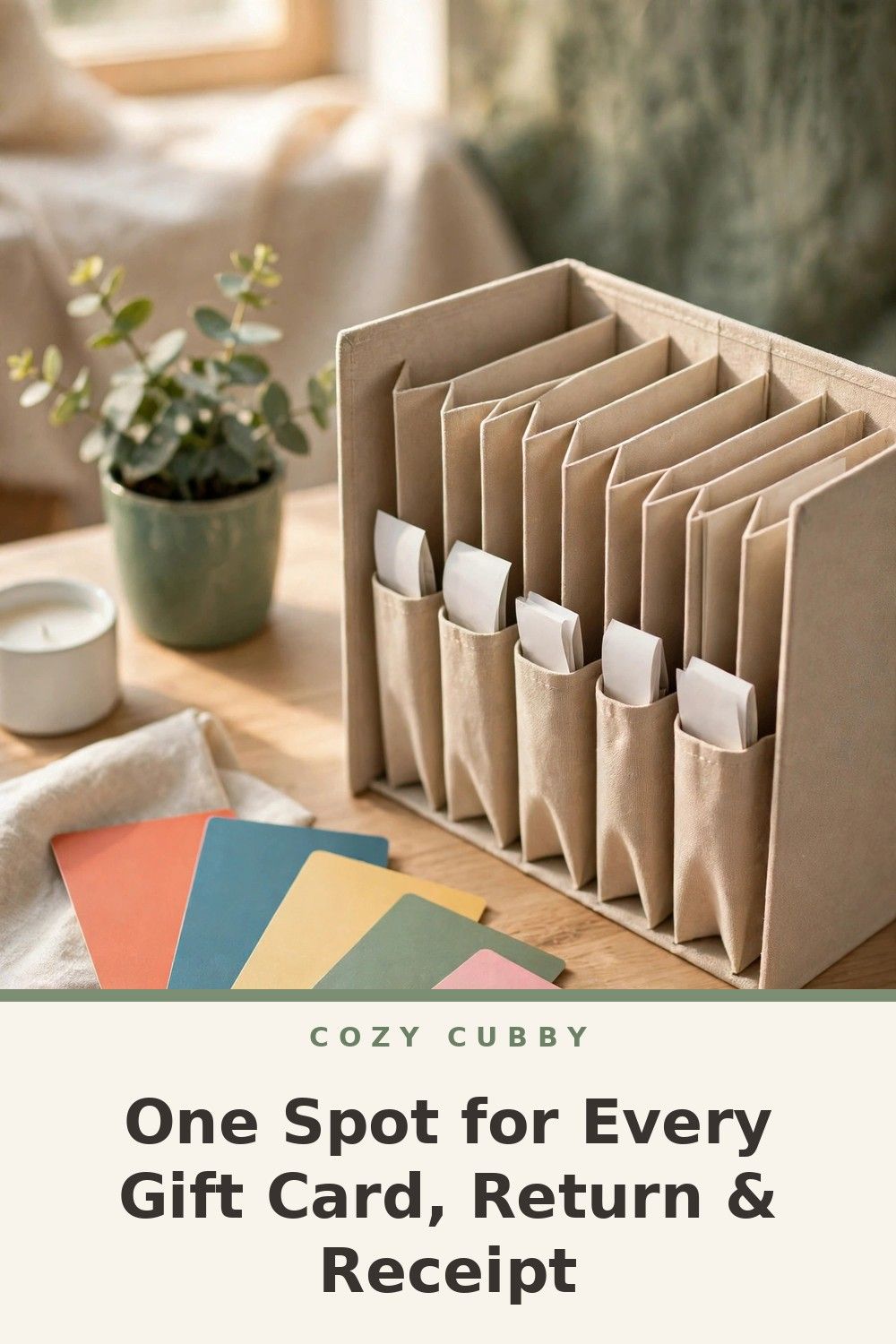
1. Give paper receipts one landing spot. A single envelope, folder, or small accordion file near where bags get unpacked. Every receipt goes there on day one; sorting happens later, in one short sitting.
2. Know what is actually worth keeping. Keep receipts for large purchases, anything under warranty, work expenses, and tax-relevant items. Groceries, fuel, and small daily buys can go once the statement matches — usually within the month.
3. Run a 10-minute weekly photo habit. Once a week, photograph or scan the keepers into one phone album or folder named by month, then recycle the paper for anything whose return window has closed. The photo is the backup; the envelope is the short-term holding zone.
4. Clear the envelope monthly. At the monthly check, file the few true keepers with your important papers and empty the rest. An envelope that never empties becomes a junk drawer with a flap.
The 10-Minute Monthly Routine
Once a month, run all three systems in one pass: check gift card balances and move one card to your wallet to actually spend; check the returns bin for the nearest deadline and schedule the trip; photograph receipt keepers and empty the envelope. Ten minutes, three categories, nothing lost. Put it on the same day as another monthly habit — bill paying or the calendar flip — so it never needs its own reminder.
What to Buy
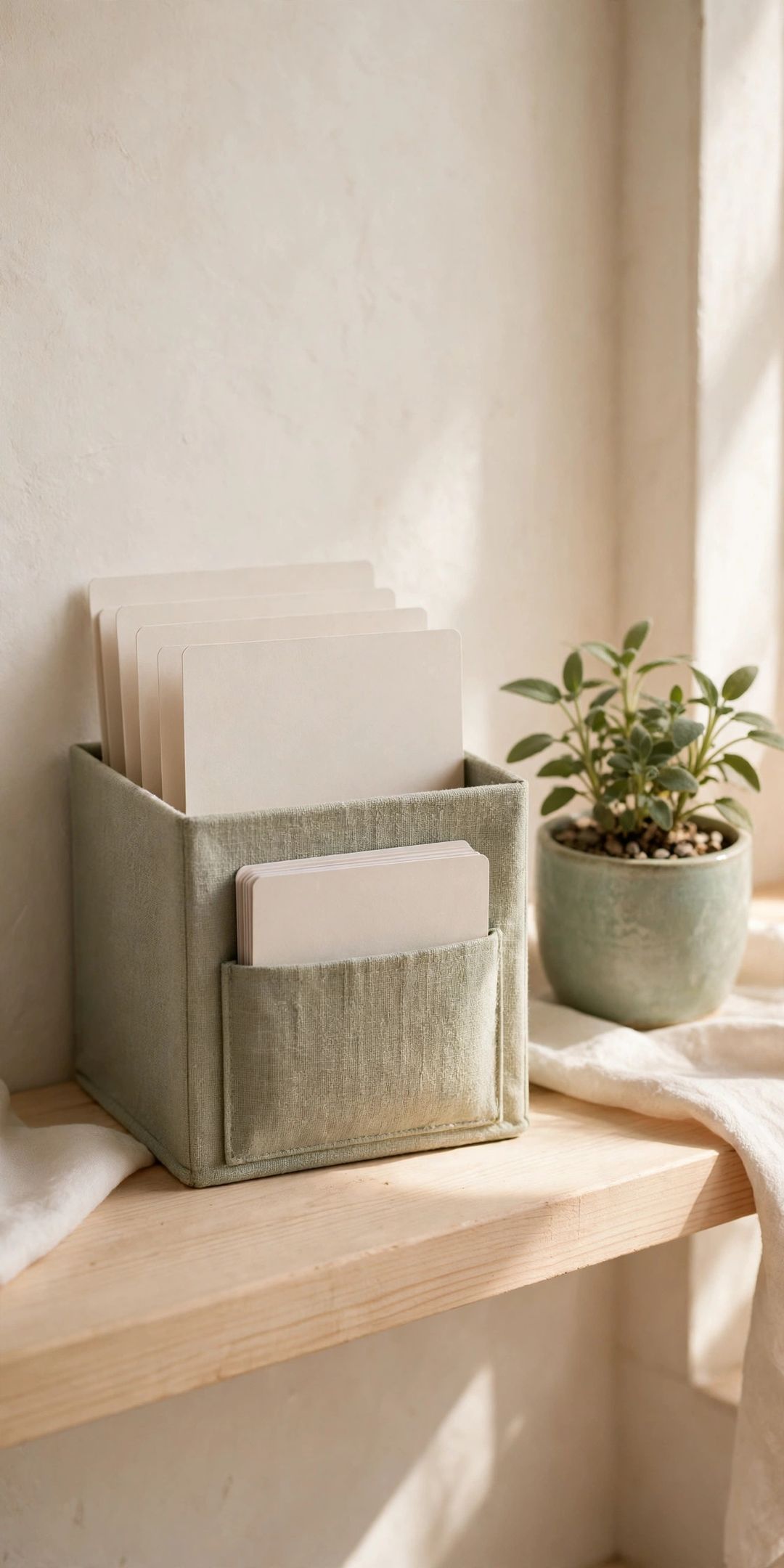
A small zip pouch or card holder for gift cards, typically $5–$12. Pro: One visible home that moves between bags without losing cards. Con: A pouch stored in a drawer can be forgotten — clip it somewhere visible. Skip if: A wallet slot or binder clip already holds your cards reliably.
A sturdy tote or small bin for returns, typically $8–$15. Pro: A dedicated bin makes returns a grab-and-go errand. Con: Too large a bin invites a backlog. Skip if: A reusable shopping bag by the door already does the job.
An accordion file or document envelope, typically $6–$14. Pro: A few labeled pockets (Keep, Returns, Tax) replace the sorting pile. Con: Over-labeling slows the drop-it-in habit. Skip if: One plain envelope and a monthly sort are working.
Sticky labels and a marker, typically $4–$8. Pro: Deadline labels on returns boxes prevent missed windows. Con: Labels fall off slick packaging in a cold trunk. Skip if: A marker written straight on the box works for you.
Mistakes to Avoid
- Letting the junk drawer be the system. Cards, receipts, and returns gear mixed with batteries and string cannot be checked, so they are never used.
- Removing tags and boxes right away. The return window closes the moment the packaging hits the recycling.
- Storing gift cards "somewhere safe." Safe and forgotten are the same place. One visible home beats three clever ones.
- Keeping every receipt forever. A shoebox of grocery receipts buries the five receipts that actually matter for warranties and taxes.
- Skipping the monthly check. The system is the routine, not the containers. Ten quiet minutes a month is the entire maintenance cost.
Frequently Asked Questions
How long do gift cards last?
In the US, federal rules generally require gift cards to stay valid for at least five years from purchase or last load, though store policies and state rules vary. Checking balances monthly keeps expirations and small leftover balances from sneaking up on you.
What if I lost the receipt for a return?
Many stores can look up a purchase made with a card, and holiday windows are often more forgiving. Bring the item, its packaging, and the card used to pay; the organized bin system exists so this stays the rare exception, not the routine.
Should I photograph every receipt?
No — only the keepers: large purchases, warranties, work and tax items. Photographing everything creates a digital junk drawer instead. The weekly habit is ten minutes precisely because the list is short.
Where should the returns bin live in a small apartment?
Inside the coat closet, on the entry shelf, or in the car trunk — wherever it is seen on the way out. In small homes the trunk is often best: returns ride along automatically on the next errand.
One clip, one bin, one envelope. That is the whole system — set it up once and give it ten minutes a month. Save this post to your Declutter board on Pinterest for the post-holiday paper rush.