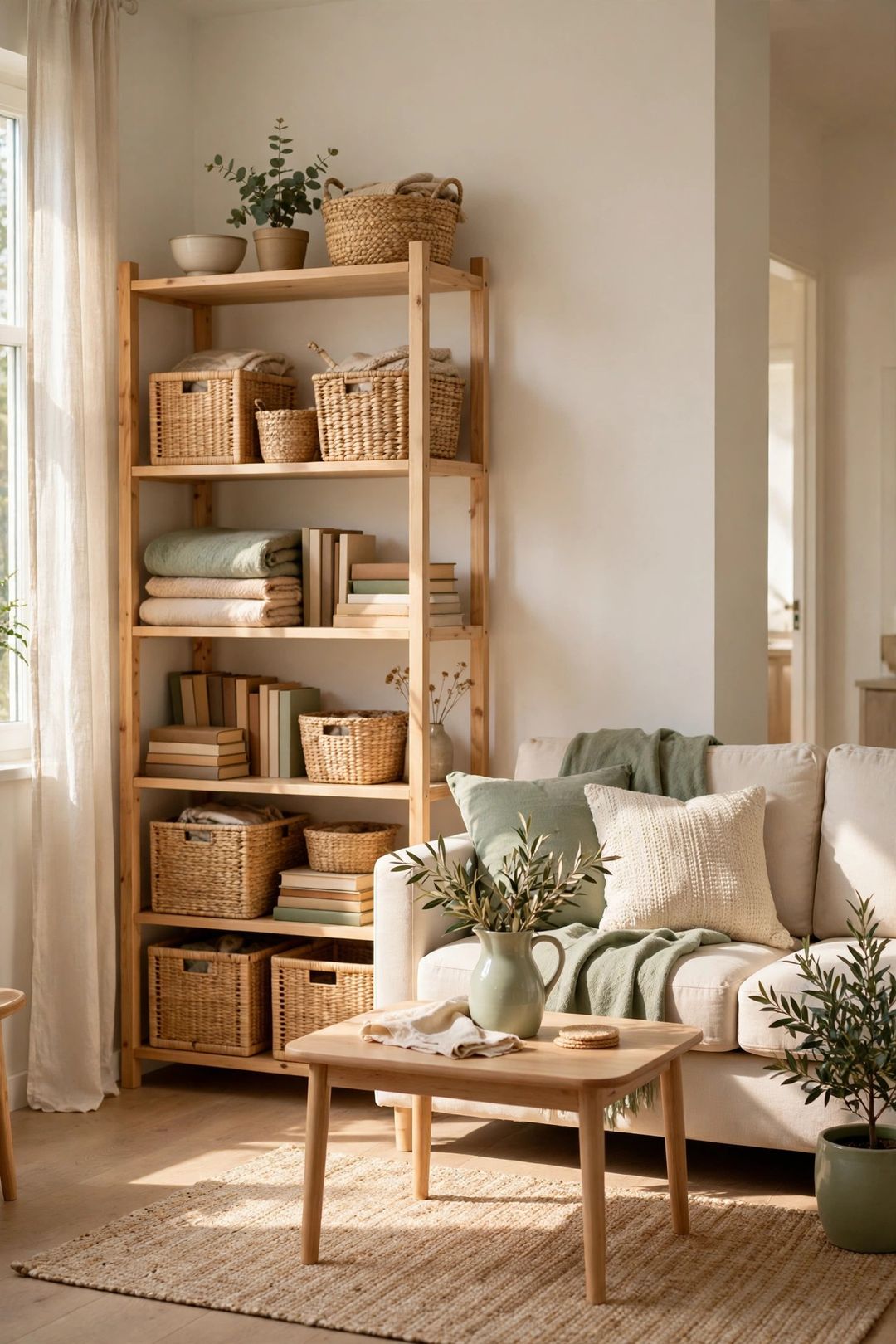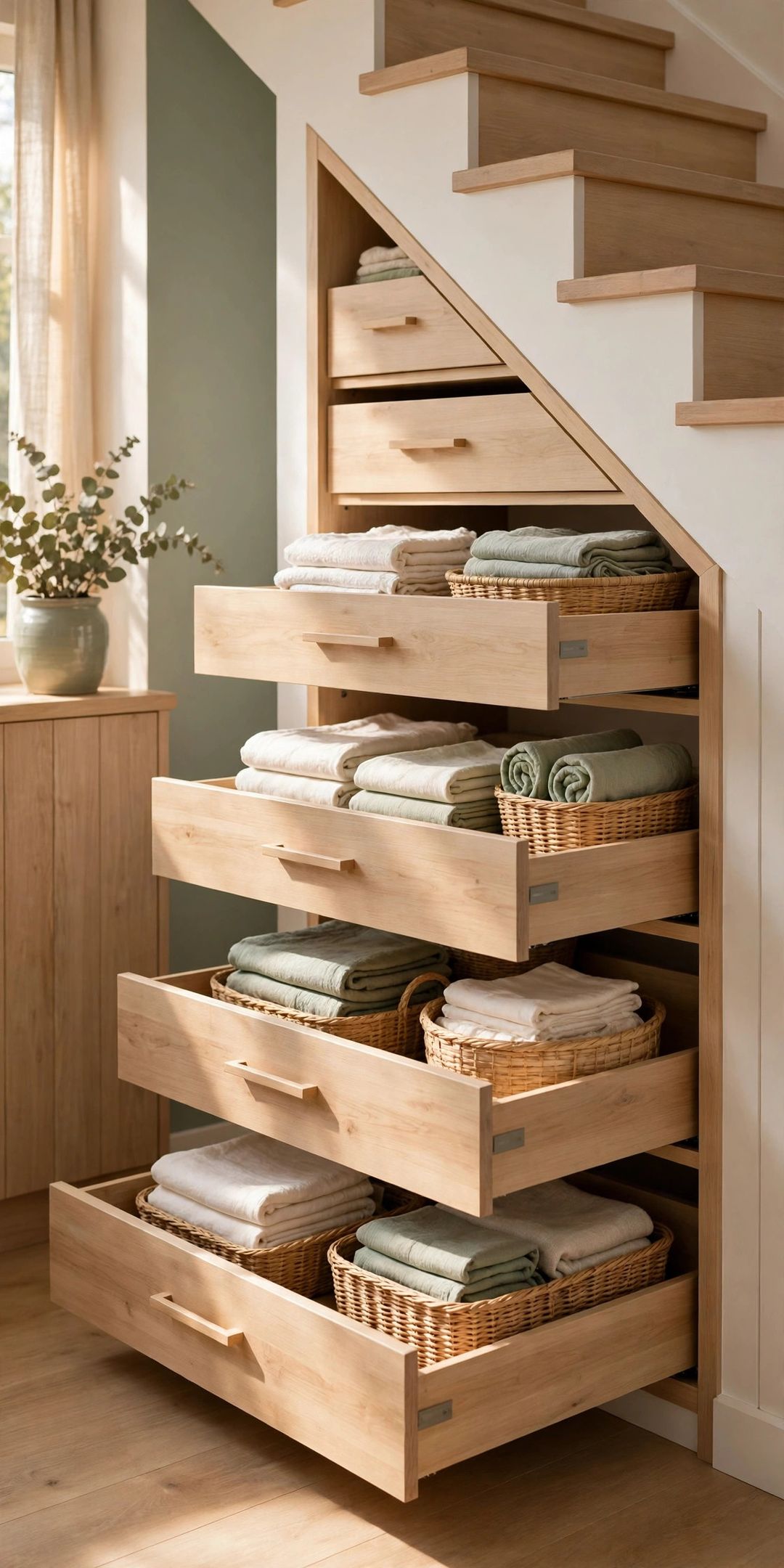
Pet supplies spread fast in a small home. Food leans by the door, leashes land on the nearest chair, toys migrate under the furniture, and treats end up in three drawers.
These pet supply storage ideas small homes can rely on use three zones: food sealed in one spot, walk gear by the door, and toys, treats, and meds in one place.
Start with food, then the door zone, then the items that cause the most daily scatter.
Food Storage: Airtight, Pest-Safe, and Off the Floor
Food goes stale in an open bag and can attract pests. These ideas keep it sealed, dry, and easy to scoop.
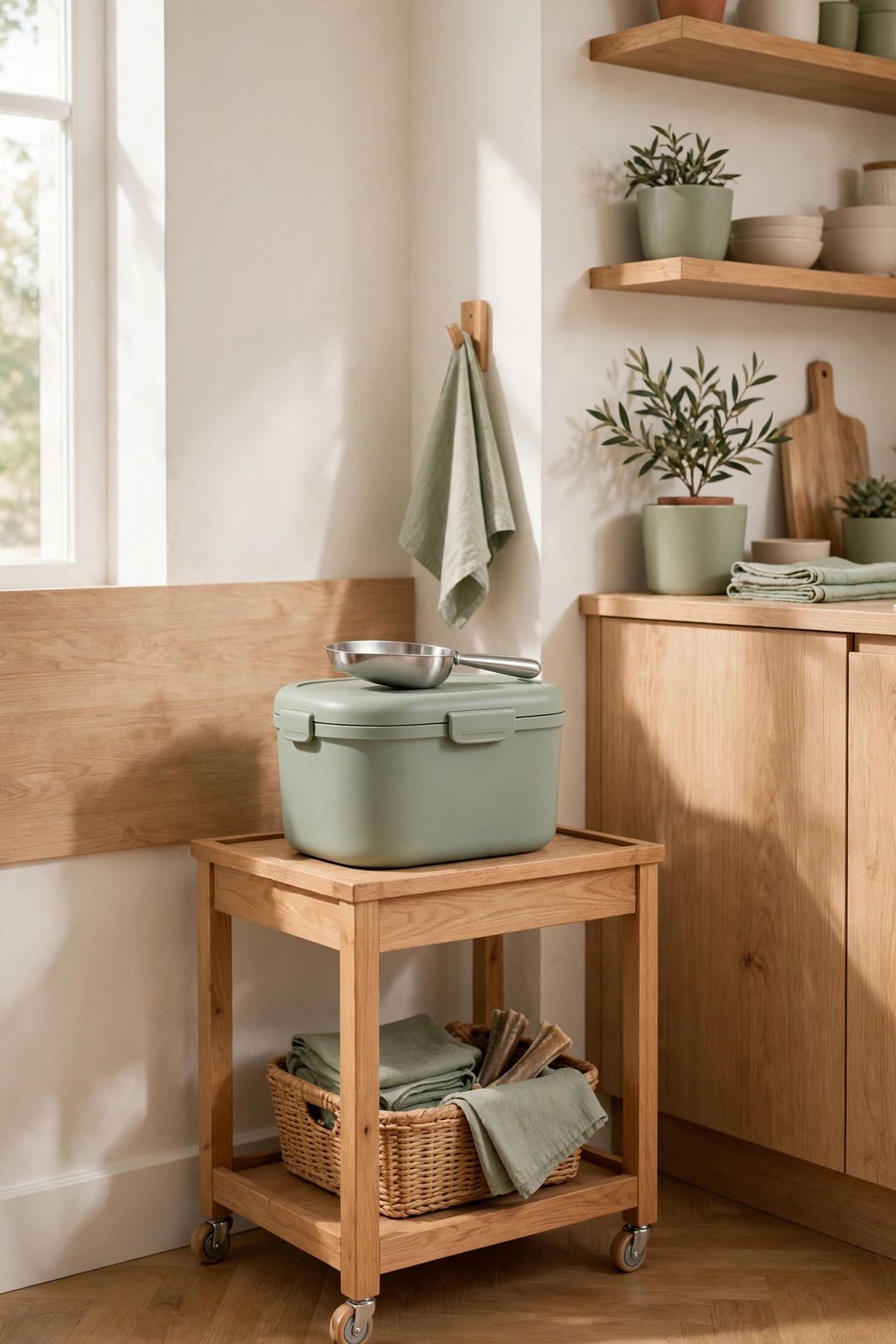
1. Airtight food container with the label kept. Pour dry food into a container with a gasket seal and a wide mouth for a scoop. Tape the bag's label panel, with name and best-by date, to the container. Wash and fully dry the container between bags.
2. Container on a low shelf or stand, never the bare floor. Raising the container keeps it off damp floors, away from mop water, and harder for pests to reach. A lower cabinet works too, as long as it stays dry and away from cleaning chemicals.
3. One sealed backstock spot for the spare bag. Store an unopened backup bag sealed, inside a lidded bin or on a high closet shelf, off the floor. Keep only one spare at a time in a small home, and rotate it in when the container runs low.
4. A simple feeding station that holds the routine together. Keep bowls on a washable mat in one fixed spot, with the container and scoop within arm's reach. The mat catches spills and stops bowls drifting.
Leashes, Walks, and Grooming: The By-the-Door Zone
Walk gear is used at the same door every day. One small station removes the daily hunt for a leash or bags.
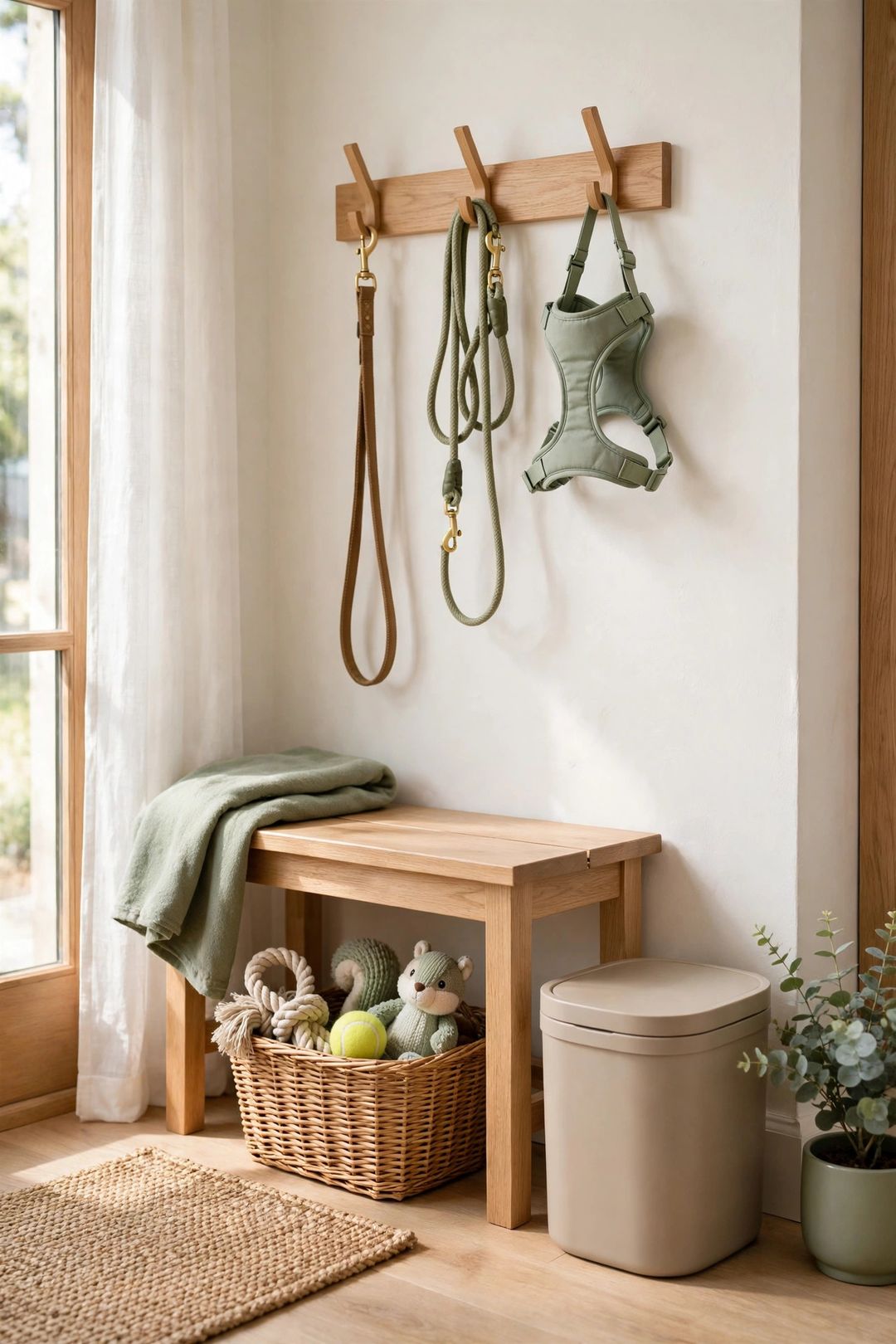
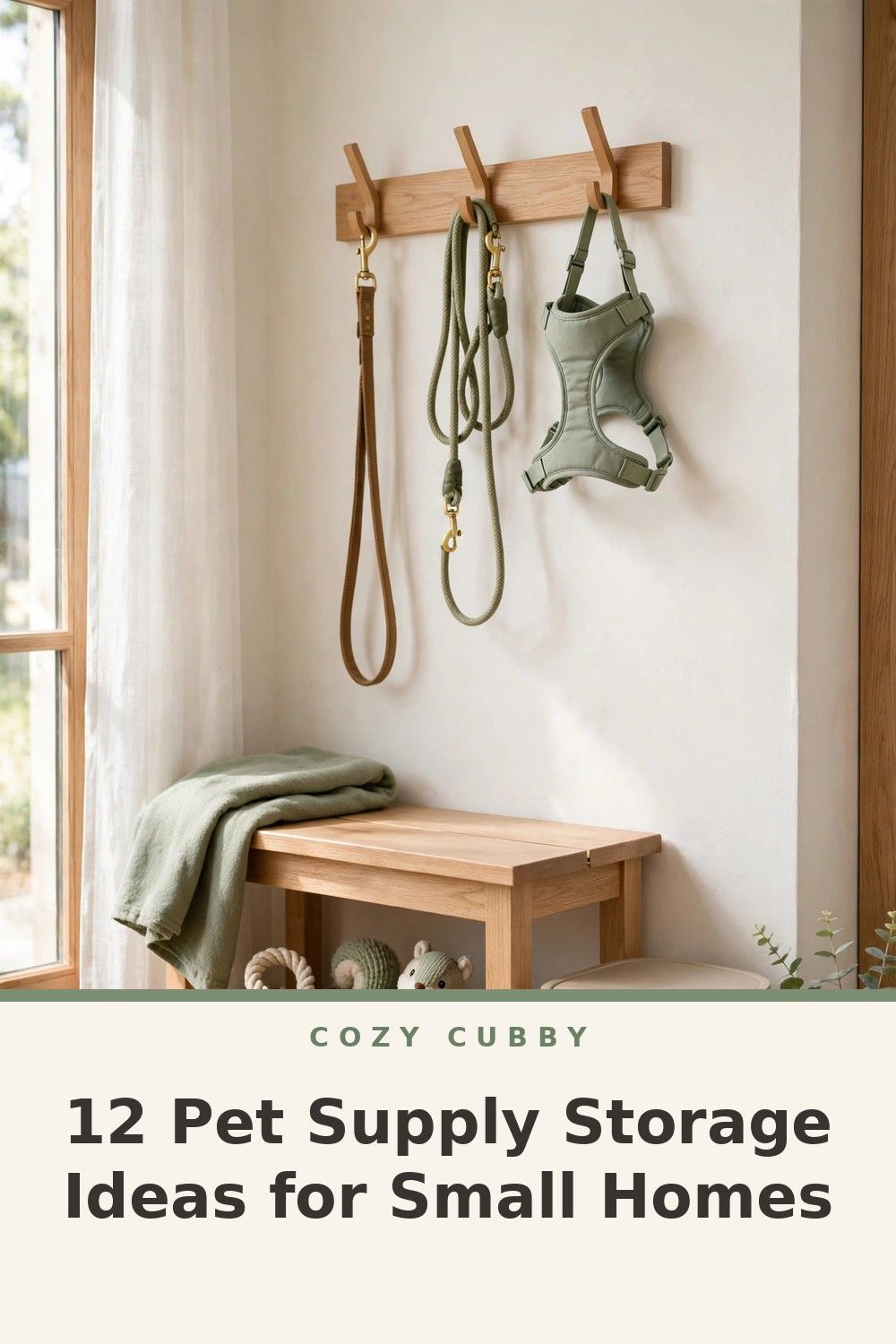
5. A hook row by the door for leash, collar, and harness. Two or three sturdy hooks at hand height hold the daily leash, a spare collar, and a harness in one grab-and-go line. One hook per pet stops multi-pet gear tangling into a single knotted bundle.
6. A walk caddy basket for bags, wipes, and extras. A small basket or hanging organizer beside the hooks holds poop bags, a flashlight for evening walks, and seasonal extras. Restock it with the food container each week.
7. A grooming caddy that moves room to room. Brushes, nail clippers, shampoo, and ear wipes fit in one handled caddy or zip pouch that lives on a shelf and travels to wherever grooming happens. Keeping tools together also shows when something runs low.
8. A towel and paw-cleaning spot at the entry. A folded towel on a hook, plus a mat or tray for muddy paws, stops dirt at the door instead of tracking it through the home. Add pet wipes in wet seasons, and swap the towel weekly.
Toys, Treats, and Meds: Rotation and Safe Storage
Toys multiply and treats go stale. Meds need the opposite treatment: out of reach, labeled, and never mixed into daily clutter.
9. Two-bin toy rotation. Keep half the toys in an open basket the pet can reach, and half in a closed bin on a shelf. Swap every week or two. Rotation keeps interest high and cuts toys underfoot.
10. One reachable toy basket, low and open. A single low, lid-free basket gives toys a clear home and keeps them off beds and sofas. Choose one that washes easily, with no sharp edges. When it overflows, retire or donate toys instead of adding a second basket.
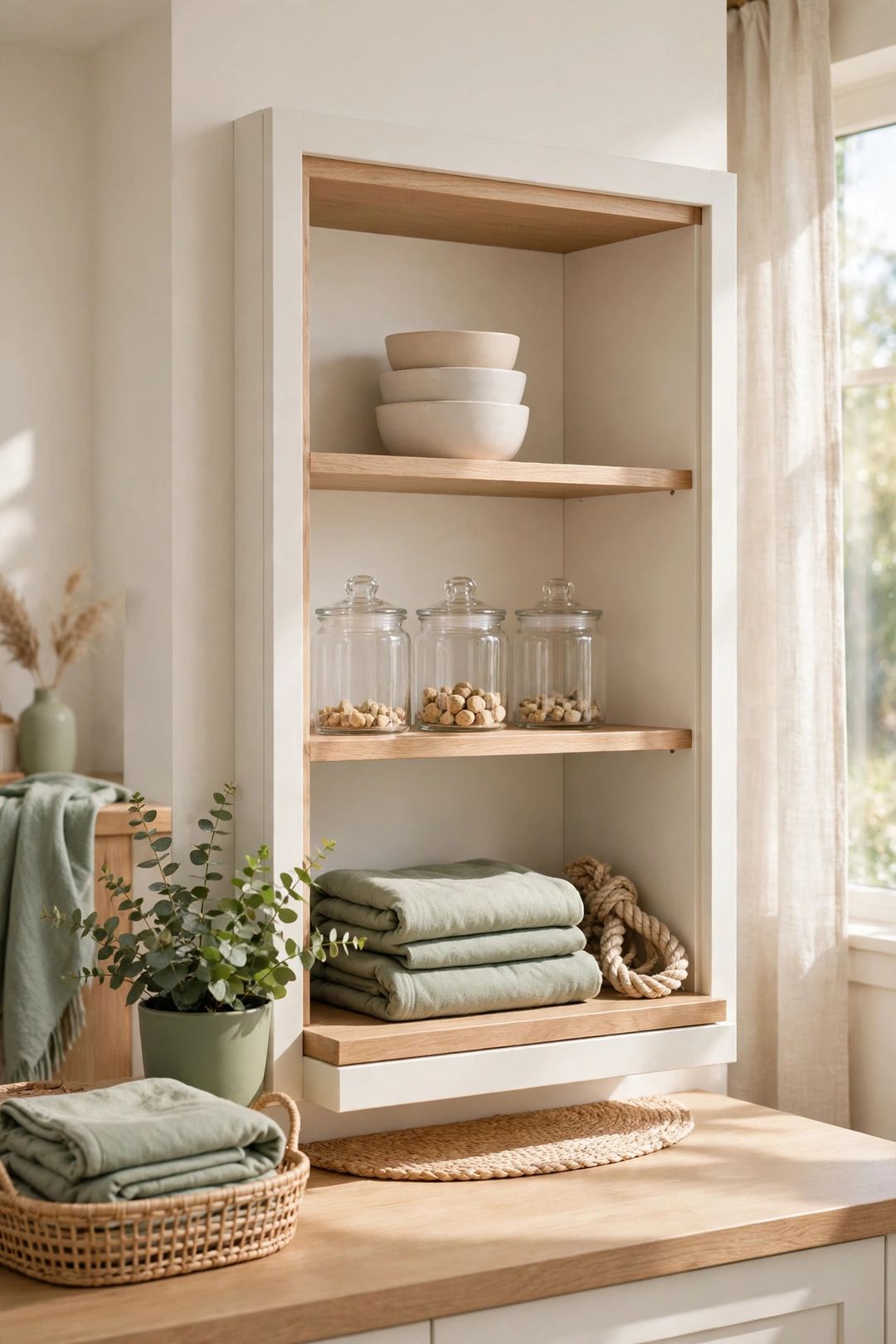
11. Treats in one sealed jar, in one place. Move treats out of rustling bags into one sealed jar or small airtight container in the food zone. One jar aids portion control. Note the best-by date on tape on the jar.
12. Meds up high, labeled, and separate. Store medications and supplements on a high shelf or in a closed cabinet, in a labeled box clearly separate from human medicine. Keep original labeled packaging, away from children and from the pets themselves.
What to Buy
Airtight pet food container with gasket seal, typically $18–$35. Pro: Keeps food fresher and shuts pests out better than a clipped bag. Con: Large sizes can be bulky in a small cabinet. Skip if: You buy small bags, used up fast, that already seal well.
Wall hooks or a small hook rack, typically $10–$22. Pro: Creates a leash station on a few inches of wall. Con: Adhesive versions may not hold a heavy harness long term. Skip if: A coat hook row by the entry already has free hooks.
Handled grooming caddy, typically $12–$24. Pro: Keeps brushes, clippers, and shampoo together and portable. Con: Open caddies collect dust on a shelf. Skip if: Your kit is just one brush that lives by the toy basket.
Two matching storage bins for toy rotation, typically $8–$18 each. Pro: The swap keeps floors clearer and toys feeling new. Con: Needs one shelf for the resting bin. Skip if: Your pet has only three or four toys total.
Labeled storage box for pet meds, typically $9–$16. Pro: Keeps meds separate, visible, and out of reach. Con: A box alone is not childproof, so placement still matters. Skip if: A high, closed cabinet shelf already does this job.
Mistakes to Avoid
- Leaving food in an open bag. Open bags go stale faster and invite pests. Seal food in a container and keep the label and date with it.
- Storing food or meds next to cleaning chemicals. Keep pet supplies on their own shelf or bin, away from sprays and detergents.
- Scattering walk gear across rooms. A leash in the kitchen and bags in a bedroom means a search before every walk. One door zone ends it.
- Keeping every toy out at once. All toys out means all toys ignored and underfoot. Rotation keeps the floor clear and toys interesting.
- Storing meds at pet or kid height. Meds and flea treatments must live up high or in a closed cabinet, in original packaging, every time.
Frequently Asked Questions
How long does dry pet food stay fresh in a container?
Follow the best-by date on the bag, and use opened food within the maker's printed time frame. A sealed container slows staleness but does not extend the printed date.
Where should pet food go in a small apartment with no pantry?
A sealed container in a lower kitchen cabinet, a lidded bin in a closet, or a spot under a utility shelf all work. Keep it dry, sealed, off the floor, and away from cleaning products.
How many toys should stay out at one time?
One small basket is plenty out at once, with the rest in rotation. If toys spread across every room, the out basket is too full. Swap sets instead of adding storage.
Can pet meds be stored with human medicine?
Keep them separate, in a clearly labeled container in a different spot. Store pet meds in original packaging, up high or in a closed cabinet, out of reach of children and pets.
Three small zones — food, door, and play — can tame pet clutter in even the smallest home. Save this post to your Pet Organization board on Pinterest so the setup is handy the next time supplies start to spread.