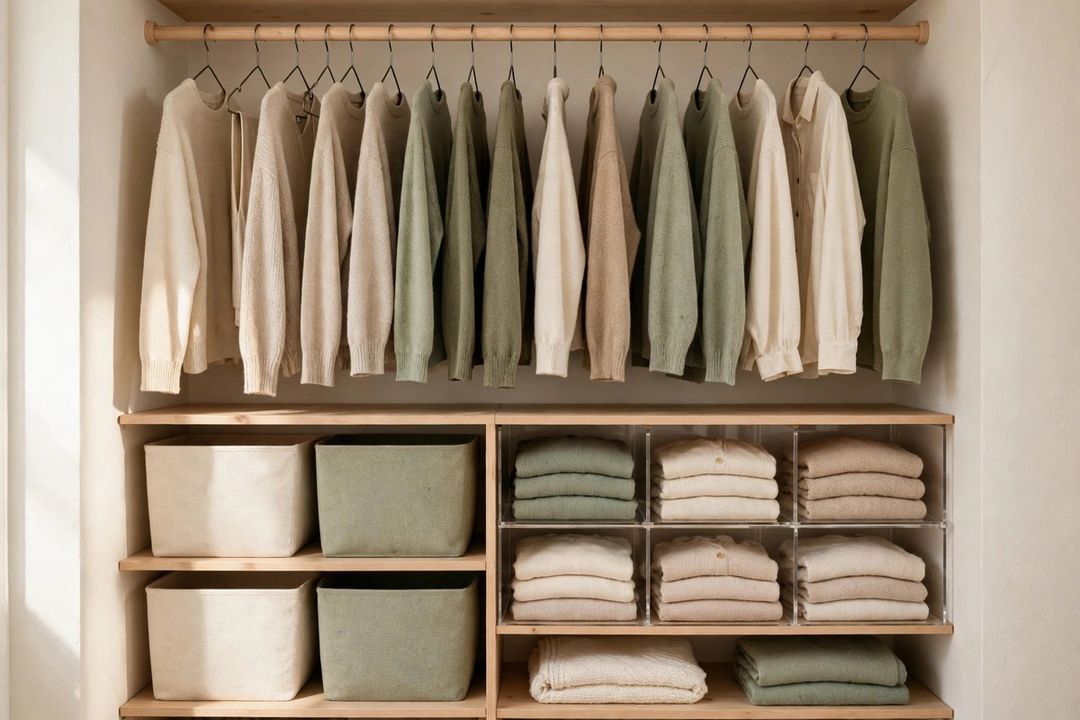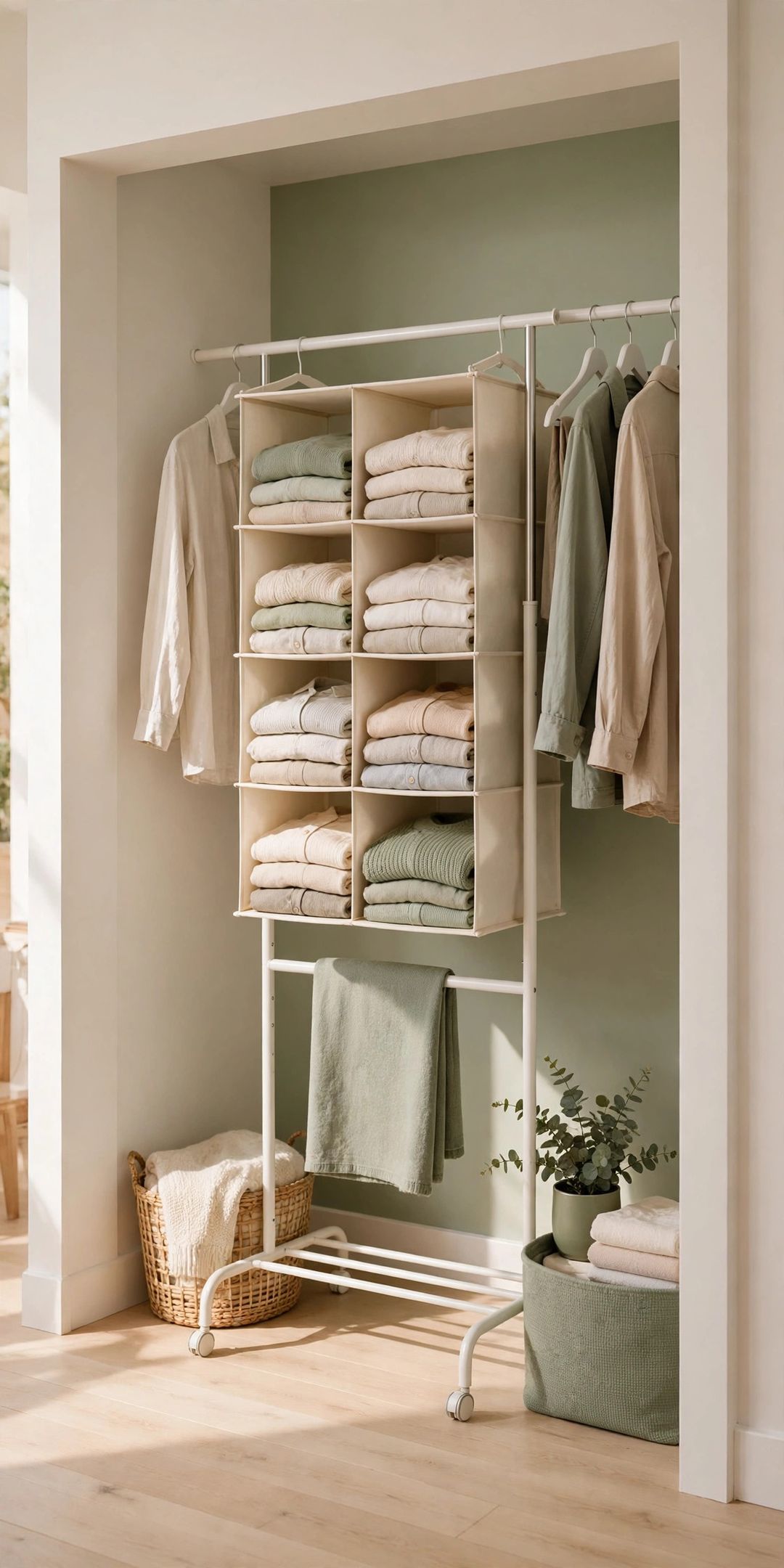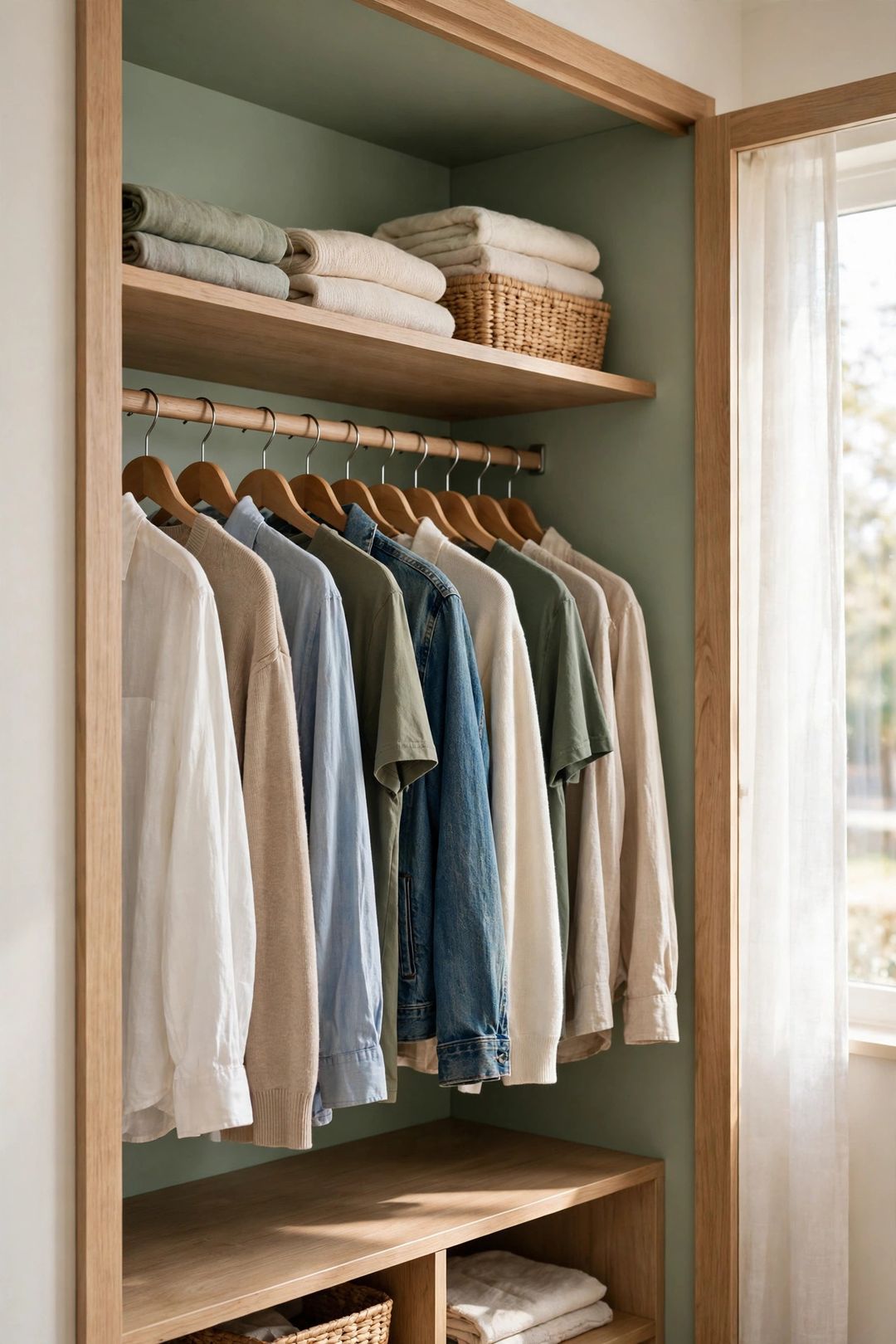
Closets often look full but feel empty on busy mornings. Rows of clothes hang in place, yet the same few outfits get worn again and again. The reverse hanger trick closet declutter method solves that guessing game with one simple visual cue and a full season of honest data.
No sorting marathon happens on day one. The setup takes less than an hour, and then normal life does the tracking work. At the end of the season, the hangers show what earned closet space and what stayed untouched.
The method stays fair because the rules get set at the start. Clear exceptions protect special clothes, and a maybe box at the end prevents rash choices.
How the Trick Works
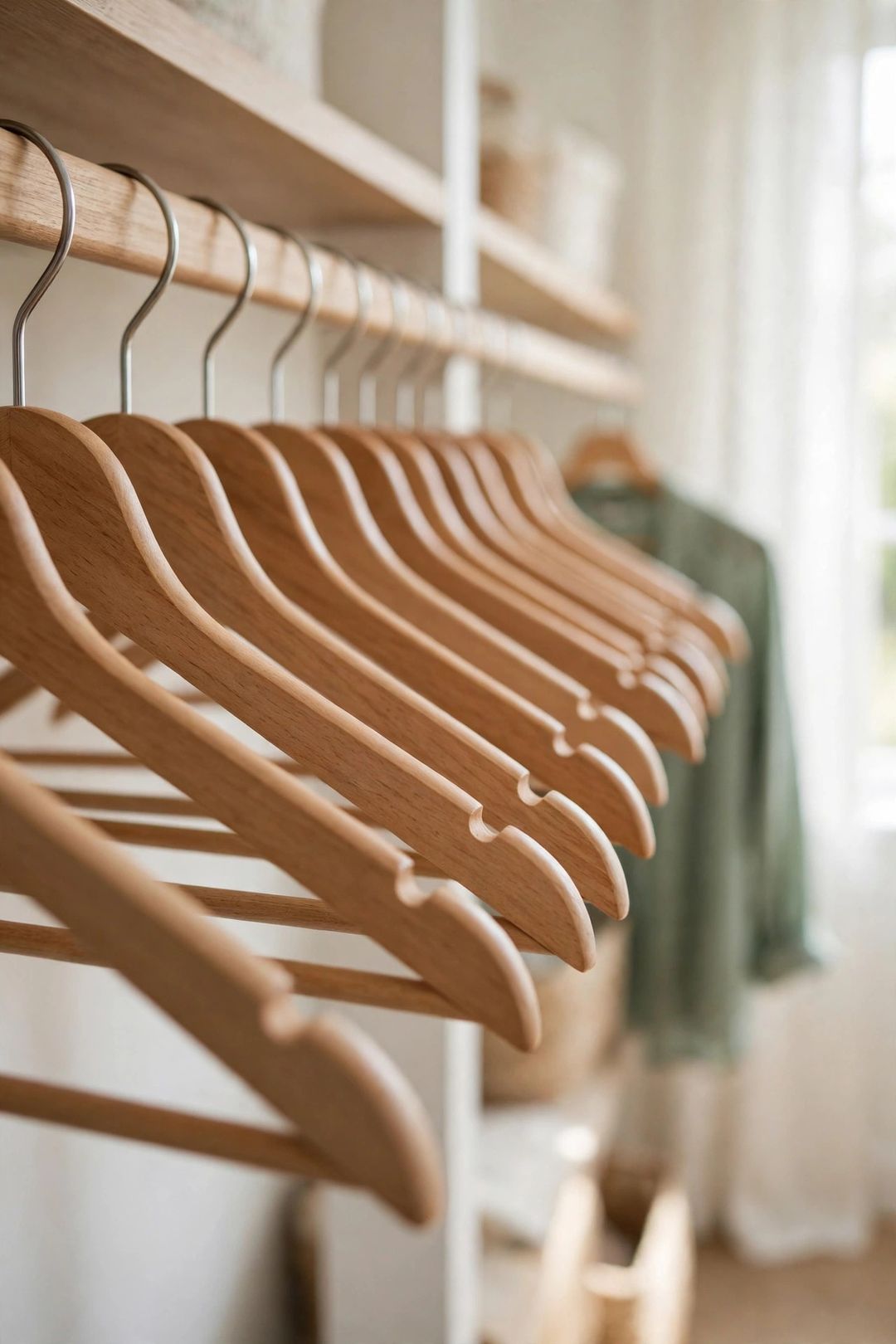
Every hanger in the closet starts facing backward, with the hook turned the wrong way. When a piece of clothing gets worn and washed, the item goes back on a hanger facing the normal way. That one flip marks the item as worn, with no list, app, or tally sheet to maintain.
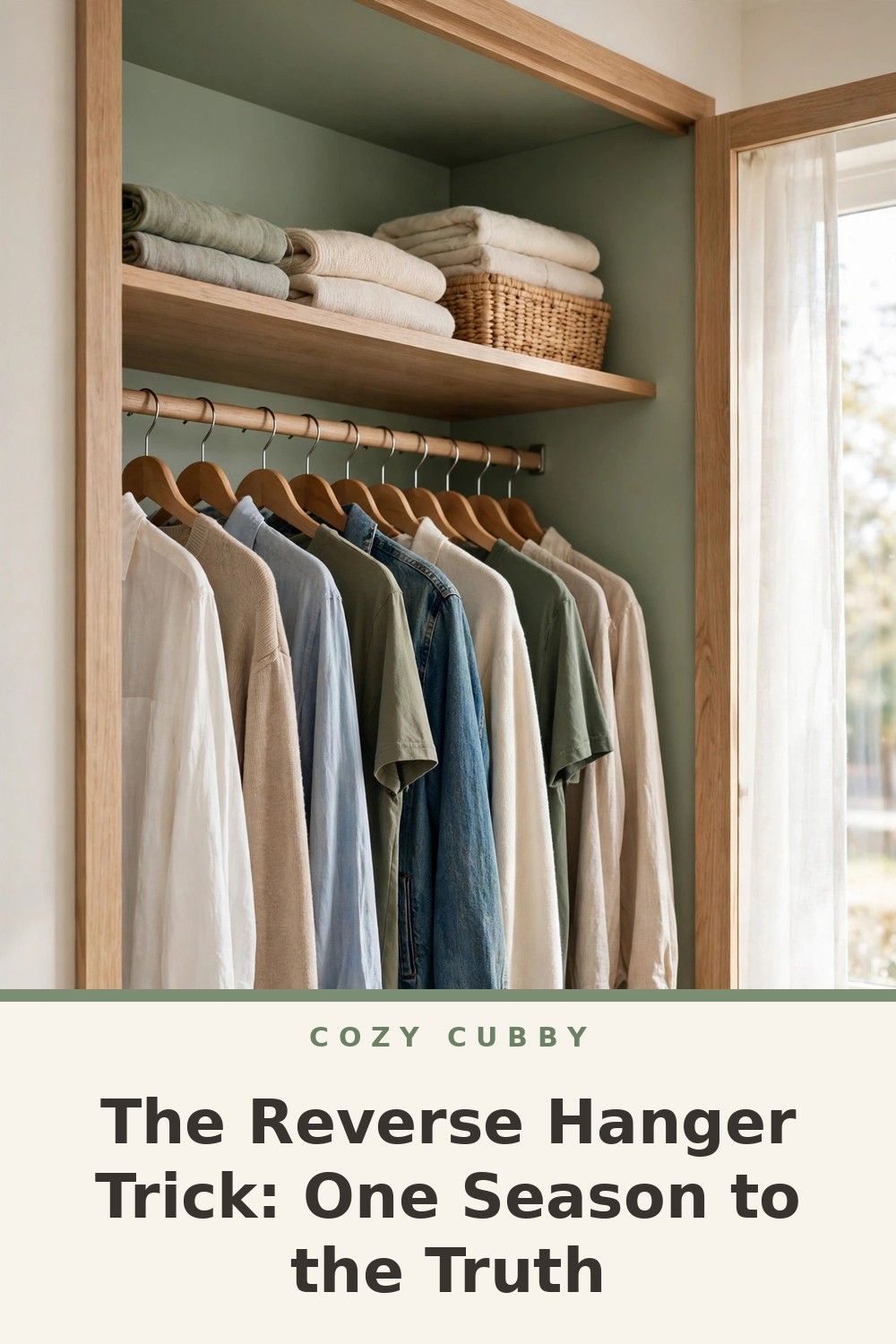
As weeks pass, two clear groups form on the rail. Forward hangers hold the real rotation: work clothes, casual favorites, and weekly staples. Backward hangers hold items that never left the closet.
Timing is the key part. A few weeks is too short to judge fairly. A full season gives each item a fair chance across workdays, weekends, and social plans.
How to Set It Up
1. Pick a clear start date. The first day of a new season works best, like the start of spring or fall. Mark the end date on a calendar at the same time, about three months later.
2. Empty one section of the rail at a time. Work in small groups, so the closet never turns into a full-room mess.
3. Turn every hanger backward. All hooks face the same wrong-way direction, usually with the open hook facing outward. Consistency matters more than the exact direction, so pick one way and use it for every hanger.
4. Hang everything back in normal groups. Work clothes stay together, casual clothes stay together, and dresses or suits stay together. Grouping keeps mornings fast and makes the end-of-season review much easier to read.
5. Set a reminder for the review date. A phone reminder or a note inside the closet door both work. The reminder closes the loop, so backward hangers do not linger for extra months with no decision.
What Counts as "Worn"
A fair count needs a firm rule: worn means worn out of the home for a real part of the day. A full work shift counts. A school run, a dinner, or an afternoon of errands counts. Trying an item on in front of a mirror for two minutes does not count.
Some clothes deserve a clear exception from the start. Occasion wear, like a formal dress or a suit kept for weddings and funerals, may not appear in a normal season. Seasonal gear, like a heavy winter coat during a mild season, also gets a pass. Work uniforms follow a different pattern as well: a uniform worn on set days clearly earns a place, even if the count looks low.
Write the exceptions down at setup time, on a short list kept in the closet. Exceptions added at the end tend to save everything and defeat the point. One more rule keeps the data clean: no pity flips. Each flip must reflect a true choice to wear that piece.
The Season-End Review
On the review date, start with the forward hangers. Those clothes form the core wardrobe and go straight back on the rail. Then look at each backward hanger one by one and sort the item into donate, sell, or maybe box.
Donate fits items in good shape that no longer suit daily life: wrong fit, dated style, or a hard-to-match color. Sell fits items with resale value, like a quality jacket or a dress worn once for an event.
The maybe box handles the hard cases. Place unsure items in a bin, tape the bin shut, and write a date 30 days ahead on the lid. If no item gets missed in those 30 days, the whole box goes to donation without a second sort. If one item gets pulled out and worn, only that item returns to the closet.
No-Hanger Variations
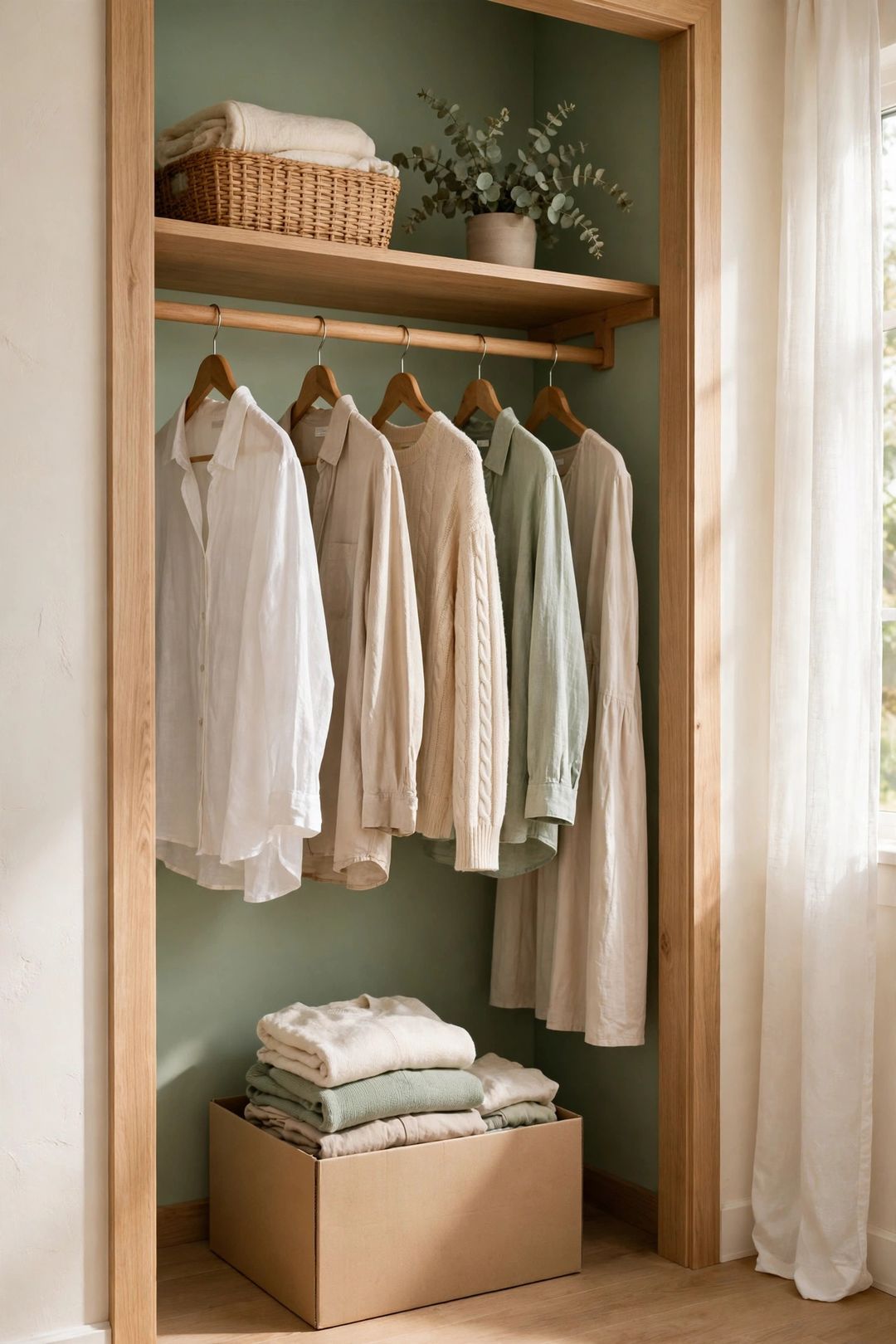
Folded clothes need a different marker. One option is the shelf flip: at setup, fold each sweater or tee with the fold facing the back of the shelf. After wear and washing, refold the item with the fold facing outward. At review time, backward folds show what stayed unworn.
A dot sticker method works too. Place a tiny removable dot on each folded item at setup and remove the dot after real wear. Items still carrying a dot at review time go to the same donate, sell, or maybe box review.
Shoes follow the same idea. At setup, turn each pair so toes point toward the wall. After wear, place the pair back with toes pointing outward. Pairs still facing the wall at review are strong donation candidates, unless an exception applies.
What to Buy
Uniform slim hangers, typically $12–$30. Matching slim hangers save rail space and make forward and backward hooks easy to spot. The pro is a cleaner, clearer count. The con is the upfront cost, so replacing hangers in stages is fine.
Large donation bags, typically $5–$15. Sturdy bags hold the season-end donation pile and go straight into a car trunk. The pro is a fast exit for sorted clothes. The con is that thin bags tear, so a thicker style works better for heavy loads.
A lidded maybe-box bin, typically $8–$20. A bin with a lid keeps unsure items out of sight during the 30-day wait. The pro is less second-guessing. Skip a giant bin, since a smaller size keeps the maybe pile honest.
Mistakes to Avoid
- Starting in the middle of a season. A mid-season start cuts the test short and skews the results. Wait for a clean season start for fair data.
- Counting a pity wear as real wear. Wearing an item once at home just to save it breaks the record. Only real, out-of-home wear should flip a hanger.
- Running the test during an unusual month. A long trip, illness, or a move can hide good clothes. Extend the review date if life gets disrupted for weeks.
- Tossing backward items with no maybe box. Direct tossing leads to regret on borderline pieces. The 30-day maybe box gives unsure items a fair final chance.
Frequently Asked Questions
How long should the trick run?
One full season, about three months, gives a fair picture for most wardrobes. Climates with two clear seasons can run the method once per season.
How does the method work in a shared closet?
Give each person a separate rail section or a different hanger color. Each person tracks personal hangers only, section by section.
What about clothes that never go on hangers?
Use the shelf flip or the dot sticker method for folded clothes in drawers and on shelves. Shoes use the toe-direction method. The same worn rule and the same review steps still apply.
What if almost everything gets worn?
That result is good news. A closet where nearly every hanger flips holds a wardrobe that fits real life. Keep the system and clear only the few untouched items.
Save this post to your closet declutter board on Pinterest so the setup steps and review rules are ready at the start of the next season.