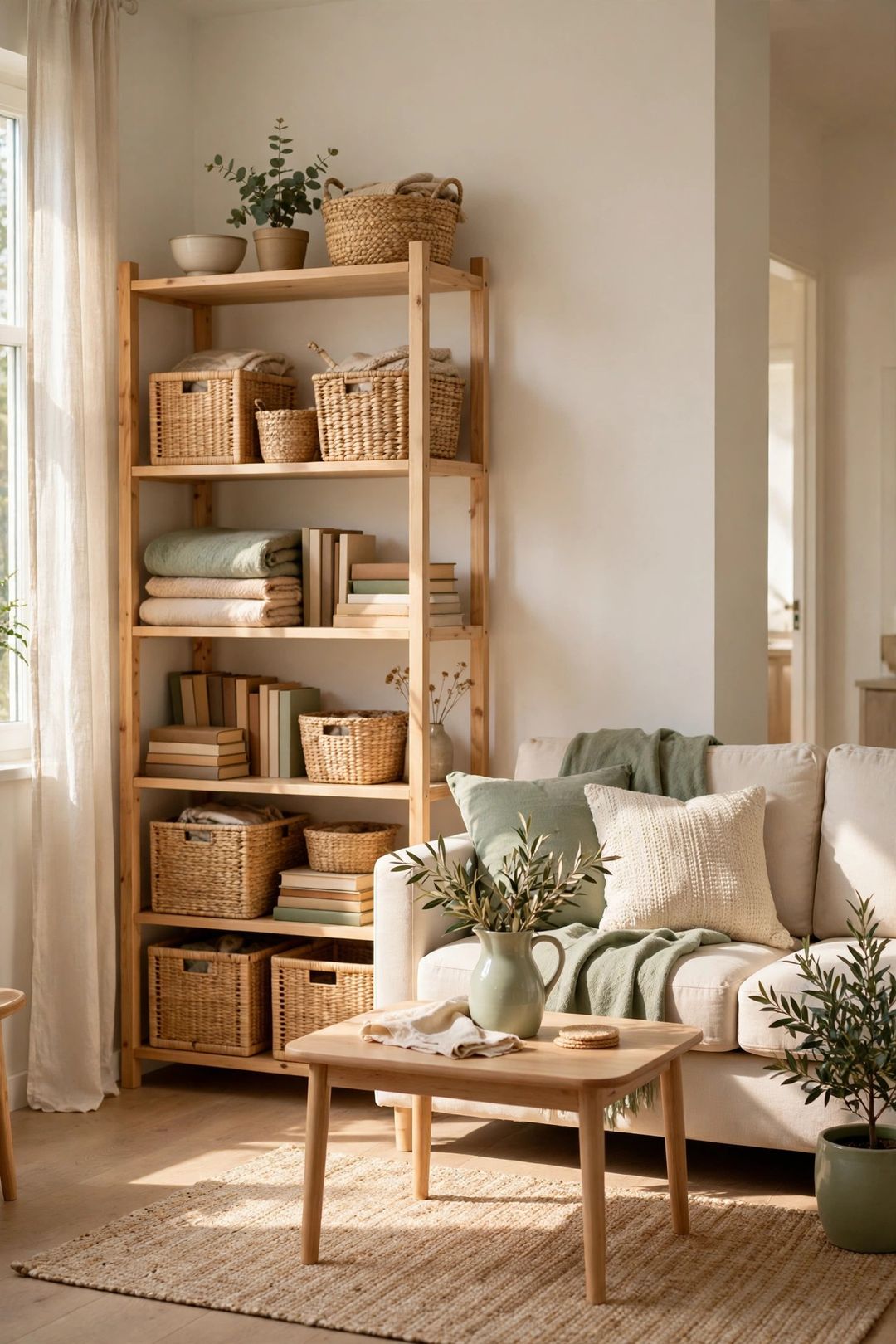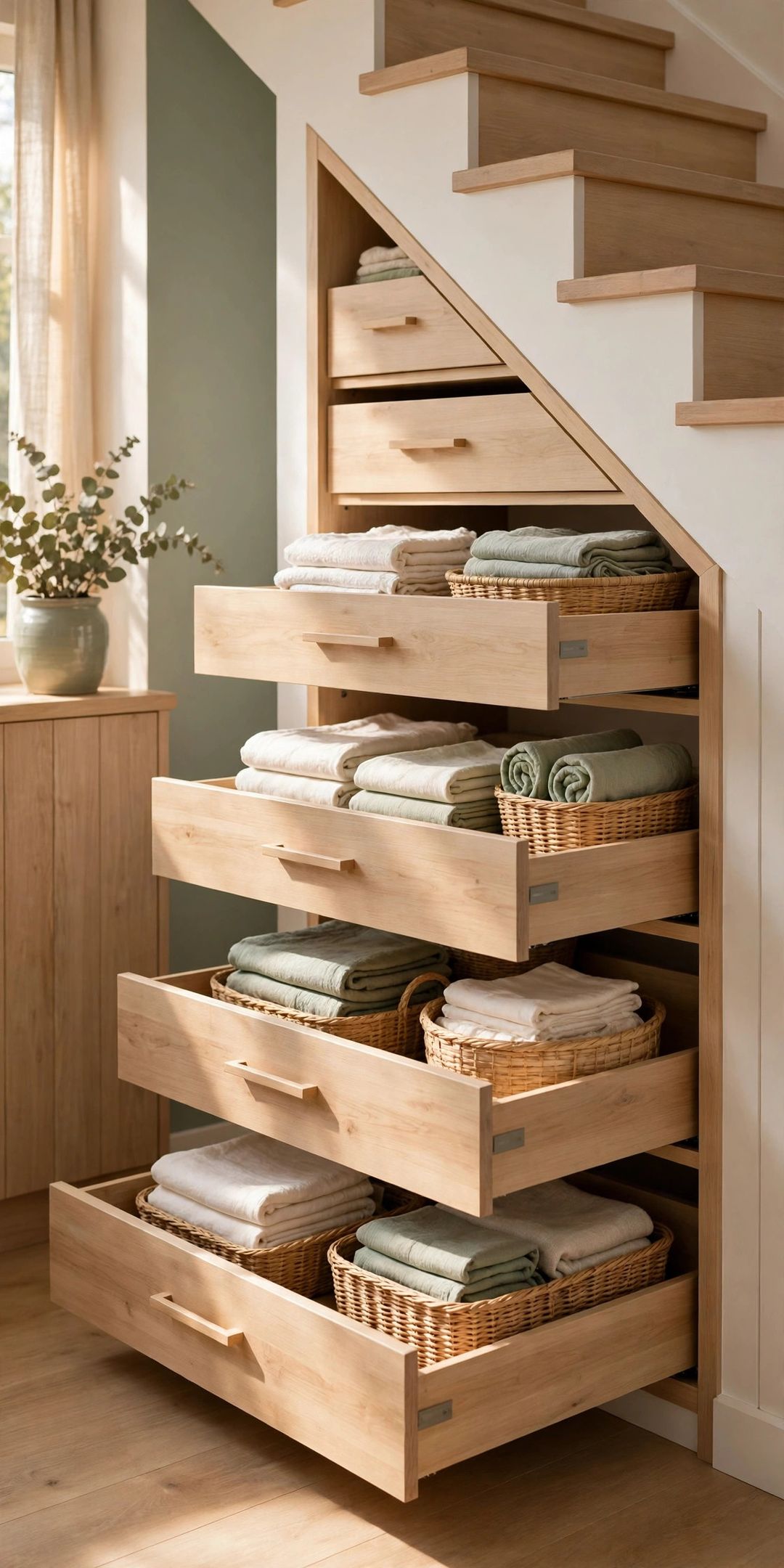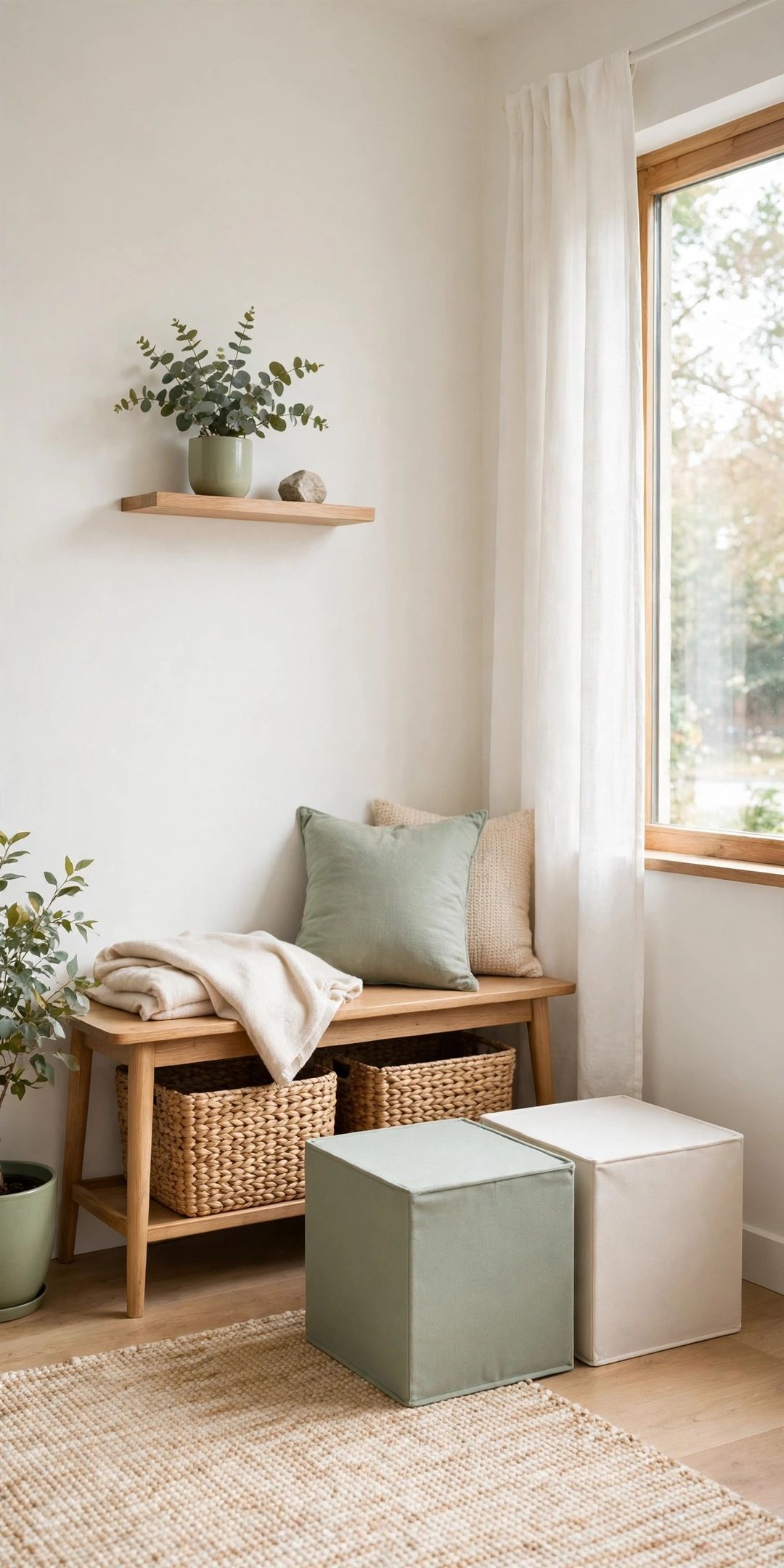
Two people in a small apartment rarely fight about storage itself. The friction starts when one person's things slowly spread into shared space, and the other person can never find a clear shelf, drawer, or corner to call their own.
These storage ideas for couples sharing a small apartment are built around clear, numbered rules instead of vague tidying. Each rule splits space fairly, names who owns what, and gives shared items one agreed home.
Read the rules together, adjust the splits to fit your rooms, and write down the final version. A short talk now prevents the same small argument every week.
1. Give Each Person a Private Zone
Each person gets at least one zone that is fully theirs, such as a dresser, a set of drawers, or a shelf and a bin. The other person does not store things there and does not tidy it without asking. A private zone protects personal items and removes the need to negotiate every small object.
2. Label What Is Shared and What Is Not
Walk through the apartment and sort storage into three groups: his, hers or theirs, and shared. Shared storage holds things both people use, like cleaning supplies, tools, and kitchen basics. If an item is personal, it lives in a personal zone, not in the shared spot where it blocks the other person.
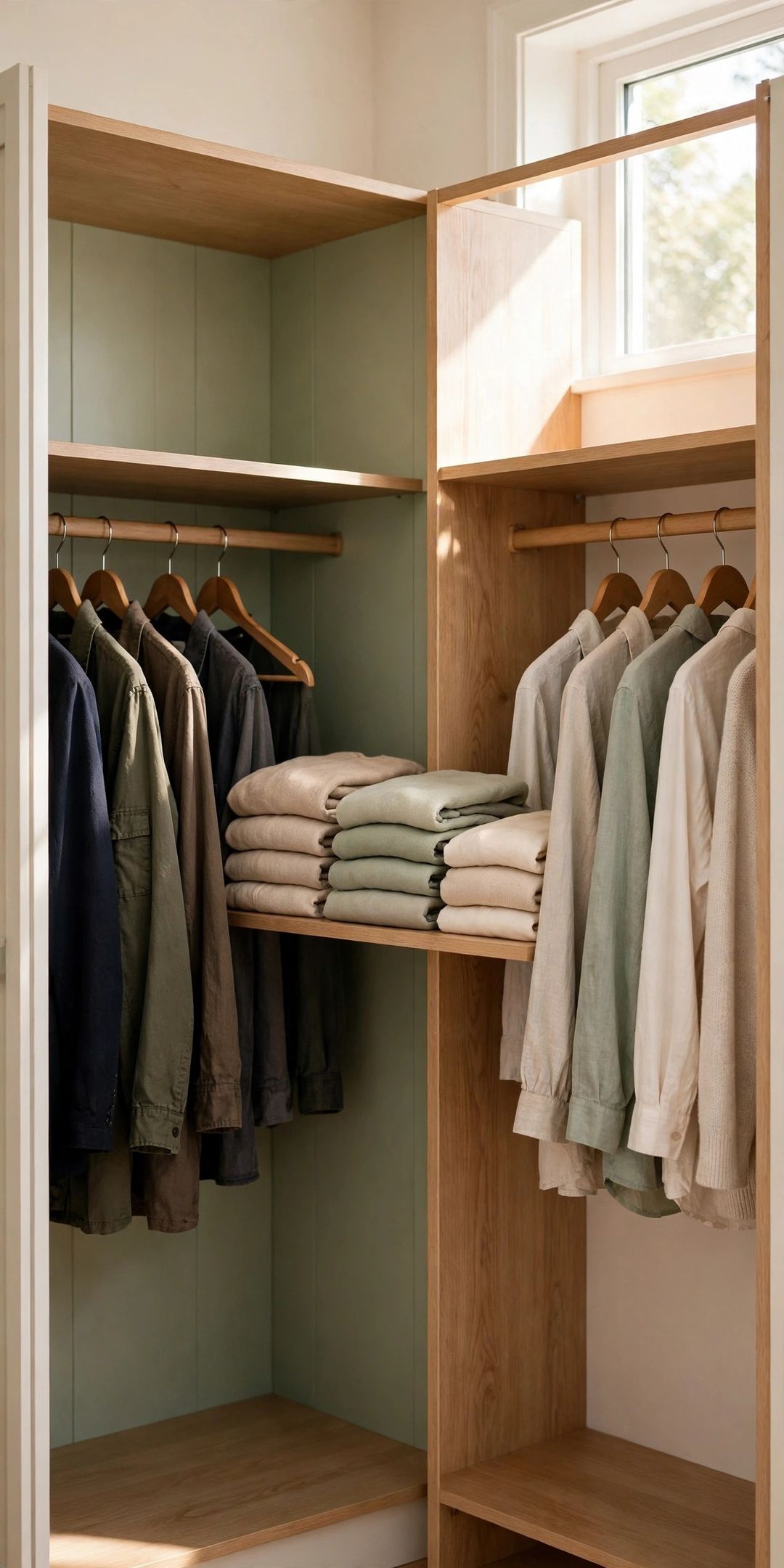
3. Split the Closet by Space, Not by Hangers
Divide the closet rod and shelves by measured space, such as half and half, or a split that matches how much clothing each person actually owns. Mark the split with a divider or a gap so it stays visible. When one side grows, that person edits their own side instead of borrowing space from the other.
4. Split the Bathroom the Same Way
Give each person a shelf, a bin, or a side of the cabinet in the bathroom, plus one shared spot for basics like spare soap and first aid items. Daily products stay in the personal section. This keeps counters clear and stops one person's bottles from taking over the whole sink area.
5. Use One-In-One-Out for Two
When either person brings home a new item in a shared category, one similar item leaves. New shoes, mugs, or hoodies all count. The rule works because it applies to both people in the same way, and the total amount of stuff stays matched to the space you actually have.
6. Create One Shared Drop Zone
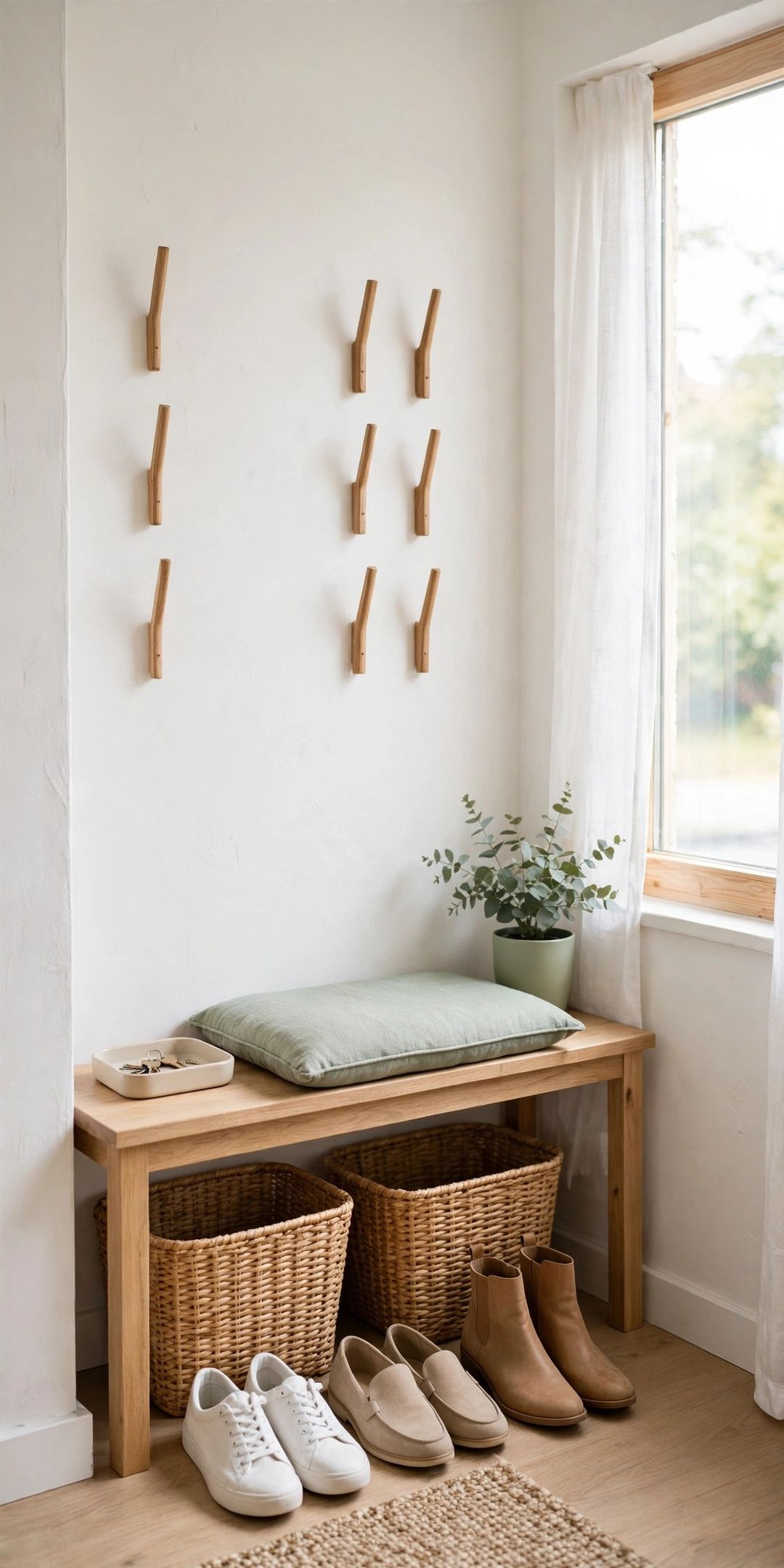
Place a tray, small shelf, or set of hooks by the door for keys, mail, bags, and items that need to go out the next day. Everything that enters gets sorted from this one spot. A single drop zone stops clutter from spreading to the kitchen counter, the couch, and the bedroom floor.
7. Cap Shared Categories With a Container
For shared things that tend to multiply, such as cables, reusable bags, and food containers, agree on one bin or drawer as the full limit. If the container is full, something leaves before more comes in. The container makes the limit visible, so the rule does not depend on memory or opinion.
8. Store Hobbies Fairly, With a Set Footprint
Each hobby gets a named footprint, such as one shelf, one bin, or one corner, agreed in advance. Gear, craft supplies, or games stay inside that footprint, and overflow goes to a personal zone or gets edited down. Fair does not always mean equal inches, but the limit should be clear and agreed by both.
9. Keep One Neutral Spot Empty
Leave one shelf, drawer, or surface intentionally empty or nearly empty. An empty spot absorbs guests' items, a new shared purchase, or a busy week without forcing a full reshuffle. In a small apartment, a little spare space lowers stress for both people more than one more filled bin.
10. Reset Shared Space Together Each Week
Once a week, spend about 10 minutes together returning shared items to their agreed homes, clearing the drop zone, and noting any split that no longer works. Keep it short and practical. Small, regular fixes stop clutter from building into a blame-filled cleanout, and rule changes get agreed while they are still small.
What to Buy
Matching storage bins, typically $15–$30 for a set. Best for personal zones and hobby footprints. Pro: Equal bins make splits feel fair and look tidy. Con: Buying too many sizes breaks the matching system.
Closet shelf dividers, typically $12–$20. Best for marking the closet split. Pro: They keep stacks and zones from sliding into each other. Con: They fit only shelves within a certain thickness range, so measure first.
An entryway tray or hook rack, typically $15–$35. Best for the shared drop zone. Pro: It gives keys and mail one clear home. Con: A tray that is too large invites clutter instead of containing it.
Bathroom bins or shelf risers, typically $10–$22. Best for splitting a small cabinet. Pro: They double usable height and keep each person's items separate. Con: Tall bottles may not fit on a riser shelf.
A label maker or label set, typically $10–$25. Best for shared bins and zones. Pro: Labels make agreed homes easy for both people to follow. Con: Labels only help if they are updated when contents change.
Mistakes to Avoid
- Letting shared space become spare space. If no rule covers a shelf, it fills with whoever unpacks fastest, and resentment follows.
- Splitting everything exactly in half. Fair splits match real needs, such as work clothes or gear, not just equal inches for their own sake.
- Tidying the other person's zone. Moving a partner's things without asking breaks trust in the system, even when the intent is to help.
- Buying storage before agreeing the rules. Bins without agreed zones and limits just hide the same overflow in nicer boxes.
- Skipping the weekly reset. Small drift is normal. Without a short reset, drift turns into a full weekend cleanout and an argument.
Frequently Asked Questions
How do couples split a very small closet fairly?
Measure the rod and shelves, then split by need: work clothes, uniforms, or larger wardrobes may need more room. Mark the split clearly, store off-season items elsewhere, and review the split when jobs or seasons change.
What if one person owns far more than the other?
Give the larger collection a larger personal footprint, and keep shared space neutral. The person with more items edits their own zones first when space runs out, instead of expanding into shared or partner space.
How should couples handle gifts and new shared purchases?
Decide the home before the item settles in. If it is shared, name the shelf or bin it lives in and apply one-in-one-out if that category is already full. If no home exists, that is a sign to pause and edit first.
What is a good first rule to start with?
Start with the shared drop zone and one private zone each. Those two changes solve most daily friction fast, and they make the later closet and bathroom splits easier to agree on.
A small apartment works for two when every zone, split, and shared item has a clear rule both people agreed to. Save this post to your Small-Space Storage board on Pinterest so the rules are handy for your next reset.