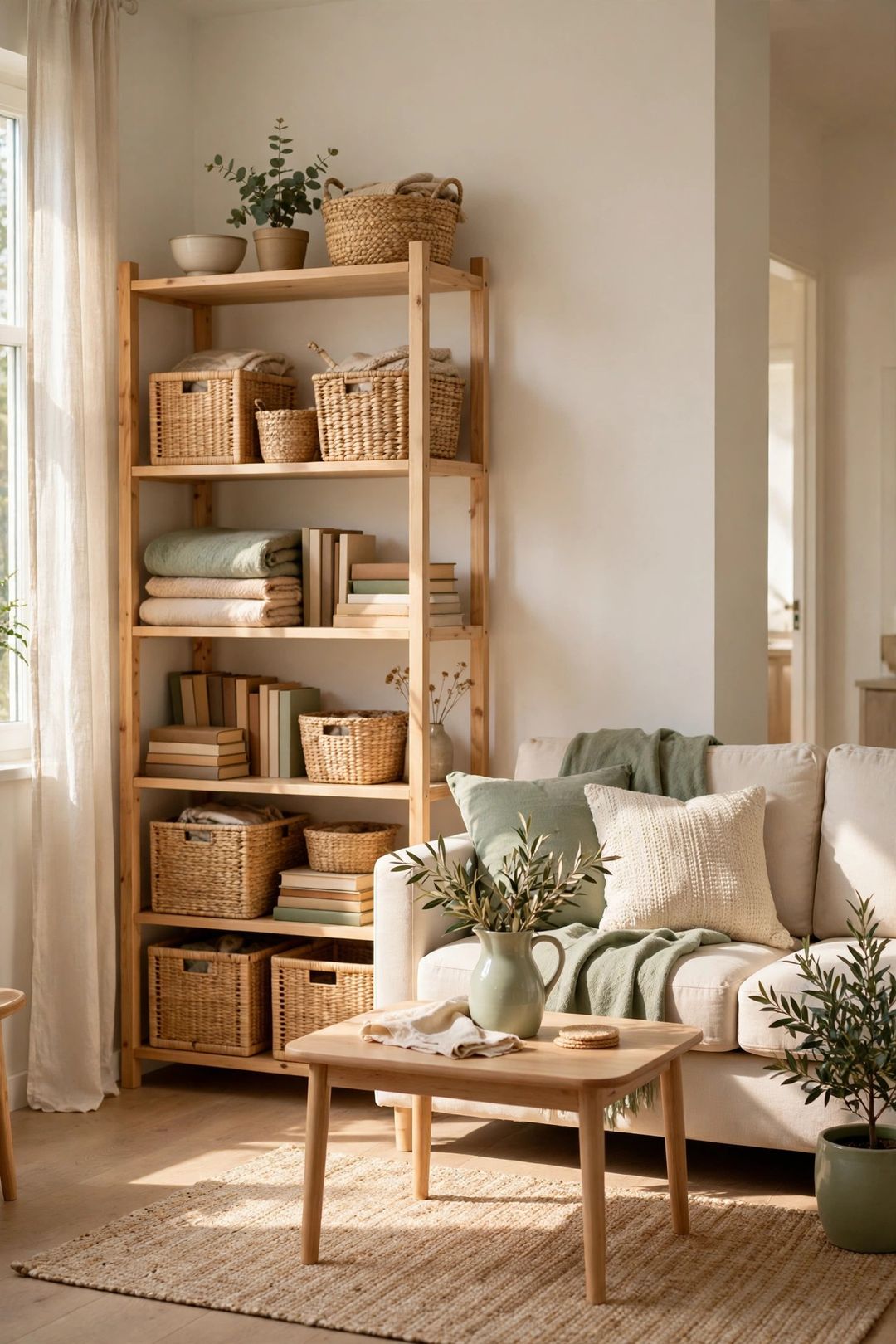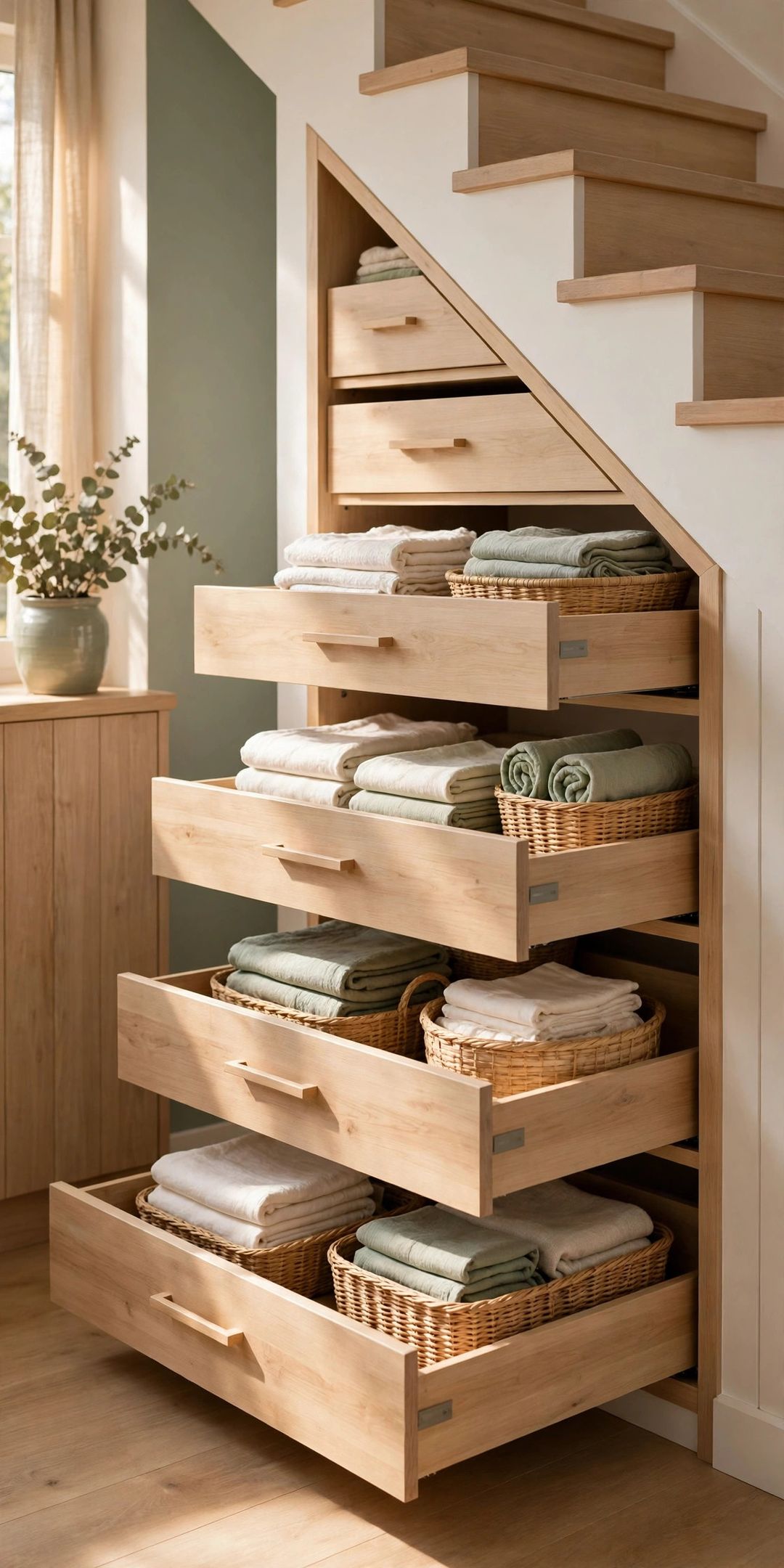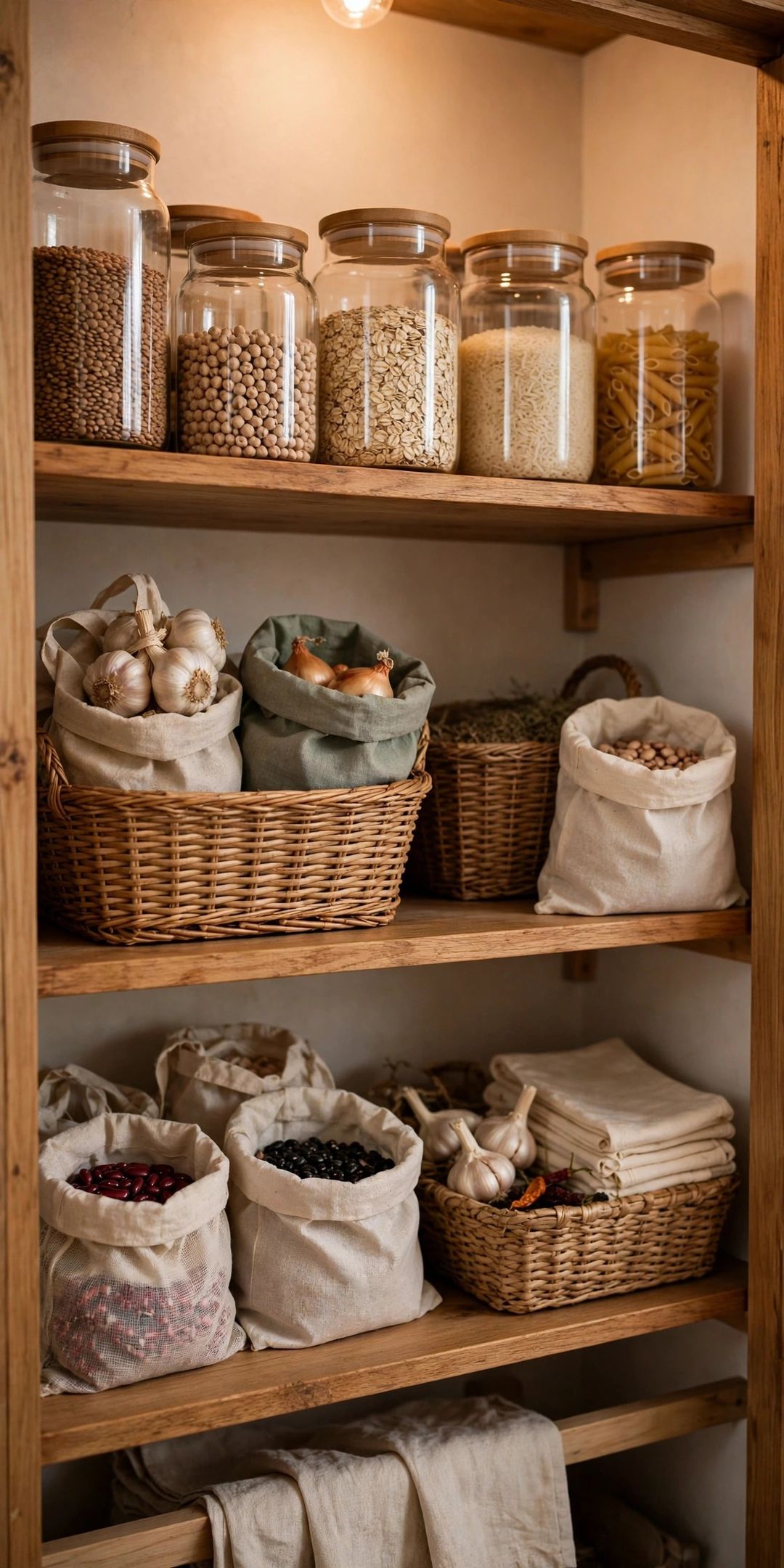
Most organizing bins fail the same way. Thin plastic cracks, lids warp or vanish, and a drawer ends up full of single-use bags, flimsy trays, and containers bought for one short job.
These sustainable organization swaps reusable storage ideas take a slower approach: swap one disposable or short-lived item at a time for a sturdy reusable piece that can do the same job for years. No full-home overhaul is needed.
Start where plastic bothers you most, and work through the twenty swaps below by room. Replace items as the old ones wear out, and the change stays affordable.
1. Kitchen Swaps
The kitchen generates the most single-use storage, so it offers the quickest wins. These swaps cover food, drawers, and under-sink clutter.
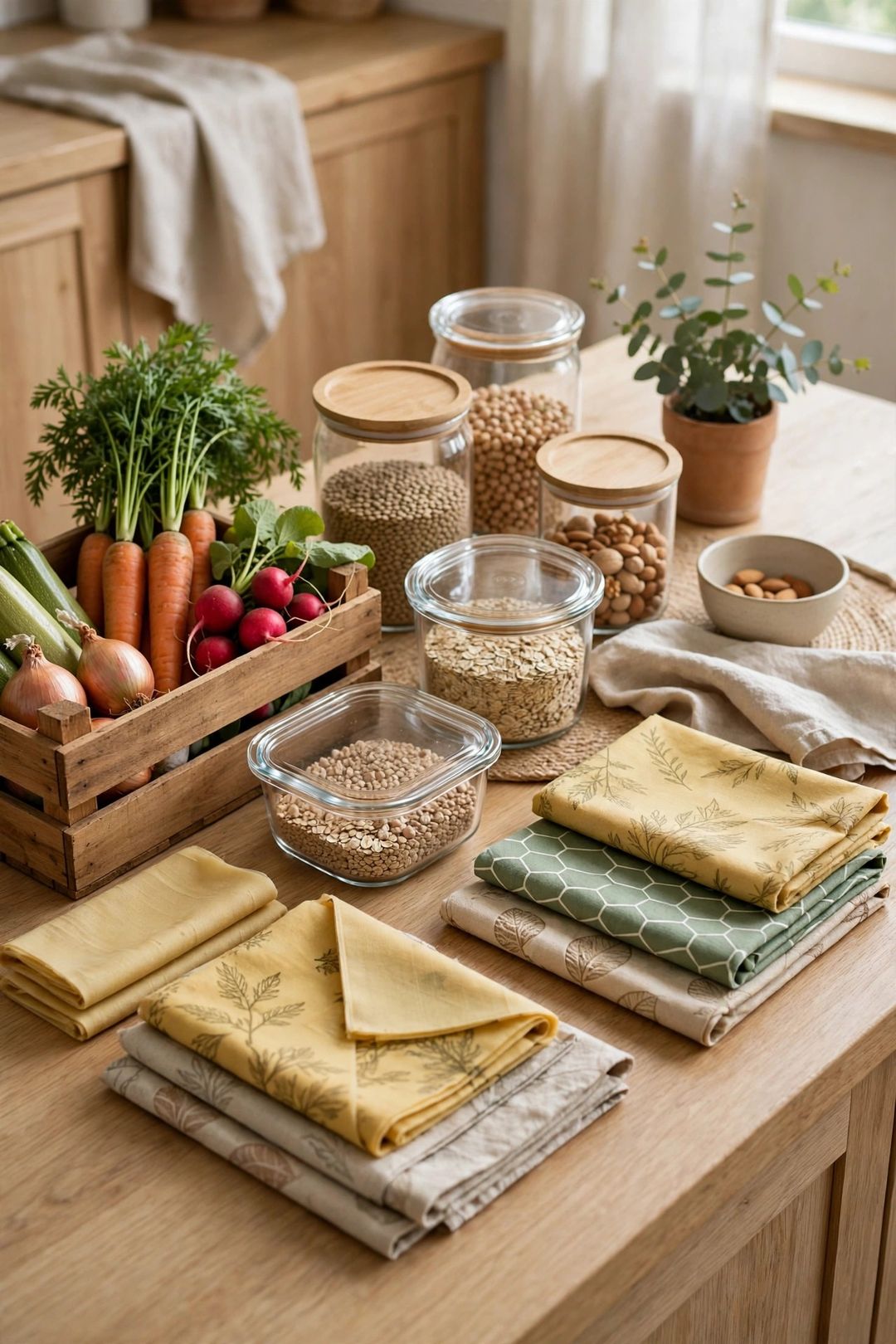
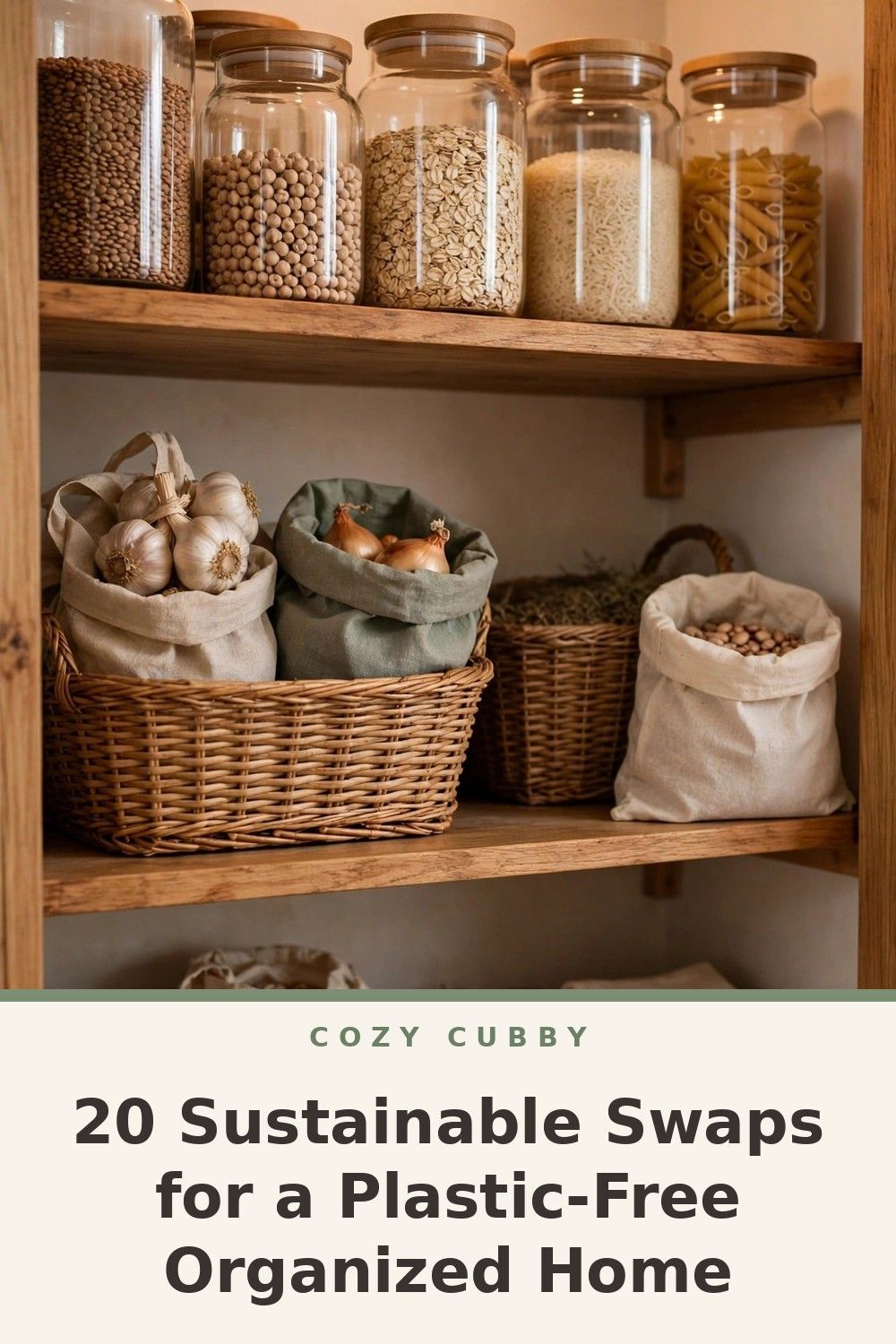
1. Swap plastic food tubs for glass containers with lids. Glass does not stain or hold odors, stacks neatly, and moves from fridge to table without another dish.
2. Swap single-use produce bags for washable mesh bags. Mesh bags hold fruit and vegetables, go straight into the wash, and cut down on thin plastic at every shop.
3. Swap plastic wrap for beeswax wraps and lidded bowls. Beeswax wraps mold around cheese and cut produce with the warmth of your hands, then rinse clean for the next use.
4. Swap a flimsy plastic drawer tray for a bamboo or wood organizer. A solid wood tray keeps cutlery sections in place instead of sliding and cracking like thin plastic inserts.
5. Swap plastic under-sink bins for coated metal caddies. Metal caddies resist leaks and rust better than brittle bins, and a handle makes the whole kit easy to lift out.
2. Bathroom Swaps
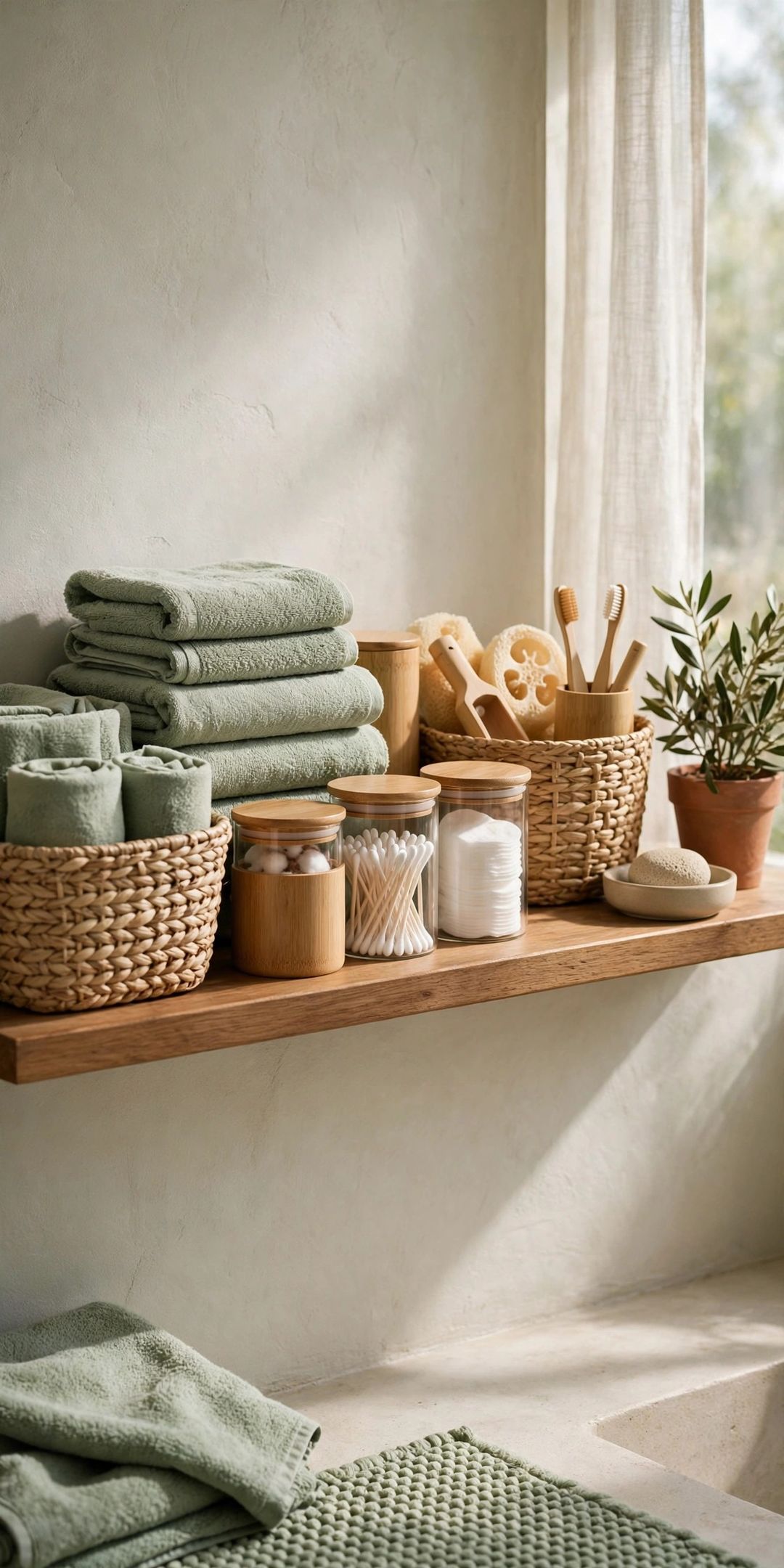
Bathrooms mix water, small bottles, and daily routines, so containers wear out fast. Durable materials handle the damp and the traffic.
6. Swap plastic shower bottles for refillable glass or metal dispensers. One sturdy dispenser per product ends the crowd of half-used plastic bottles along the tub edge.
7. Swap disposable cotton pad jars for a washable cloth pad set. Cloth pads live in a small glass jar, wash with the towels, and replace a steady stream of single-use pads.
8. Swap a plastic toothbrush holder for a ceramic or stoneware cup. A heavy ceramic cup rinses clean, does not tip easily, and lasts far longer than a thin plastic holder.
9. Swap plastic under-sink trays for a washable woven basket. A lined basket corrals spare toiletries and cleaning bottles, and the liner can be washed when something spills.
10. Swap single-use travel bottles for a reusable silicone set. One set of leak-proof silicone bottles covers every trip, instead of a new pack of mini plastic bottles each time.
3. Closet and Laundry Swaps
Closets collect mismatched hangers and sagging boxes. These swaps use cloth, wood, and metal pieces that hold their shape season after season.
11. Swap thin plastic hangers for wooden hangers. Wooden hangers support shoulders properly, space clothes evenly, and do not snap under heavier garments.
12. Swap cardboard storage boxes for lidded fabric bins. Fabric bins with lids stack on a closet shelf, protect off-season clothes from dust, and fold flat when empty.
13. Swap plastic laundry baskets for a canvas hamper on a frame. A washable canvas bag lifts out for laundry day and holds up better than a basket that cracks at the handles.
14. Swap single-use dryer sheets for wool dryer balls. Wool balls live in the dryer full time, soften loads through many cycles, and remove one more disposable from the shelf.
15. Swap plastic shoe boxes for clear-front cloth organizers. Cloth shoe organizers with a drop front stack neatly and let you see each pair without a tower of mixed boxes.
4. Entry, Office, and Everywhere Swaps
The last group covers the drop zones: entry tables, desks, and the bags that carry daily life. Small durable pieces stop paper and plastic from spreading.
16. Swap a plastic mail tray for a wooden letter sorter. A wood sorter on the entry table gives post and school papers one home and stands up to daily use.
17. Swap disposable shopping bags for two sturdy canvas totes. Keeping one tote by the door and one in the car means a reusable bag is always within reach.
18. Swap plastic desk cups for a ceramic or metal pen holder. A solid holder anchors the desk, holds more than pens, and will not crack when it gets knocked over.
19. Swap zip-top plastic bags for reusable silicone pouches. Silicone pouches handle snacks, cords, and travel items, then wash clean instead of going in the bin after one use.
20. Swap cheap plastic storage bins for secondhand wood or metal crates. A solid crate from a thrift store stores toys, blankets, or tools for years and can be repaired instead of replaced.
What to Buy
A glass food container set, typically $25–$40. Pro: Glass lasts for years, resists stains, and stacks well. Con: It is heavier and can chip if dropped. Skip if: You mostly need light containers for carrying lunches on foot.
Washable mesh produce bags, typically $10–$16 for a set. Pro: They replace single-use bags shop after shop and weigh very little. Con: Small items like loose peas can slip through larger weaves. Skip if: Your store requires its own bags for weighing produce.
Wooden hangers, typically $18–$30 for a pack. Pro: They support clothes properly and rarely break. Con: They take more closet rod space than thin hangers. Skip if: Your closet is extremely tight and every inch of rod counts.
Wool dryer balls, typically $12–$20 for a set. Pro: One set covers load after load and needs no storage system. Con: They can be noisy in a small dryer. Skip if: You line-dry nearly everything already.
Mistakes to Avoid
- Replacing everything at once. Swapping every bin in a weekend is costly and wasteful. Replace each item when the old one wears out.
- Throwing out usable plastic. A working plastic bin still has a job to do. Use it until it cracks, then choose a durable replacement.
- Buying reusable items with no home. A new set of pouches or bags still needs a drawer or hook, or it becomes clutter of a greener kind.
- Choosing looks over durability. A pretty but fragile container is not a lasting swap. Check hinges, lids, and seams before style.
- Forgetting the care step. Cloth bags, wraps, and pads only stay in rotation if washing them is easy. Keep care simple or the swap will stall.
Frequently Asked Questions
Where is the best place to start with sustainable swaps?
Start in the kitchen, where single-use items run out fastest. Glass containers, mesh produce bags, and one solid drawer tray cover daily habits, so the change is felt right away without a big spend.
Are reusable storage swaps more expensive?
The first purchase often costs more than the cheapest plastic option, but the piece is bought once instead of again and again. Spreading swaps over months, as old items wear out, keeps the cost gentle.
What should you do with plastic bins you already own?
Keep using them. The most practical swap happens at replacement time: when a bin cracks or a lid is lost, choose a durable reusable option instead of another short-lived version of the same thing.
Small swaps add up to calmer drawers, shelves, and closets, one sturdy piece at a time. Save this post to your Home Organization board on Pinterest so the full list of twenty swaps is ready whenever the next plastic bin gives up.