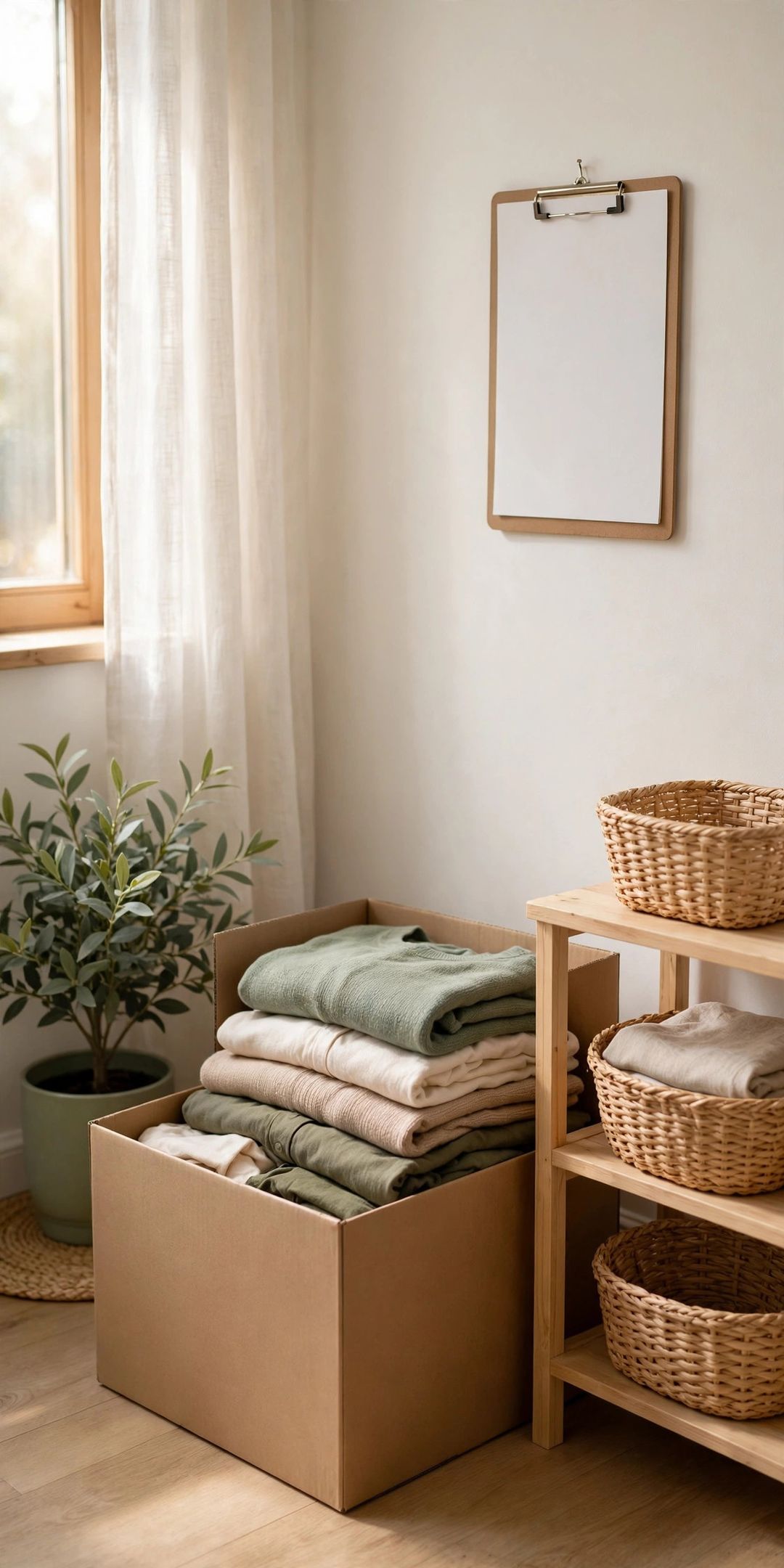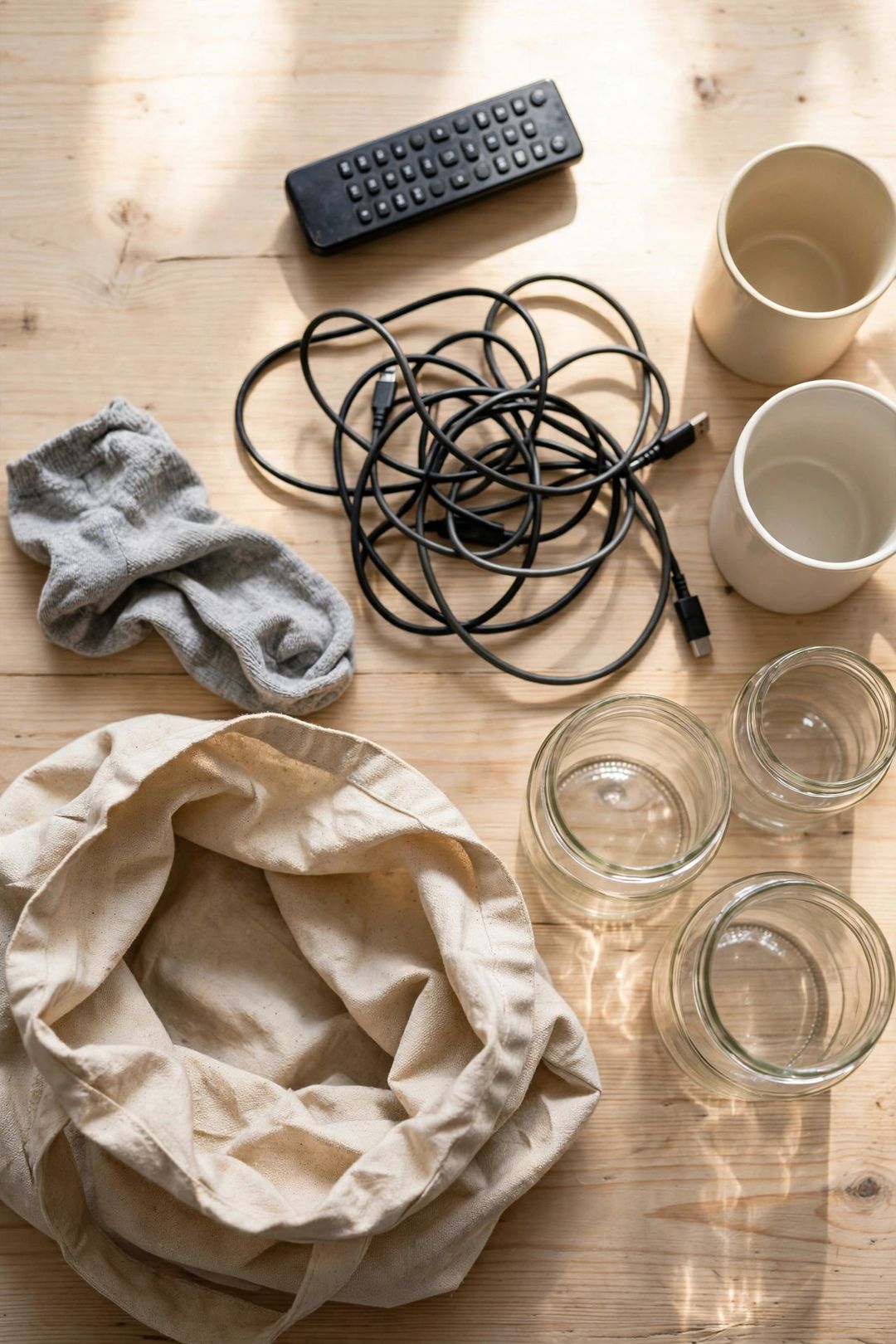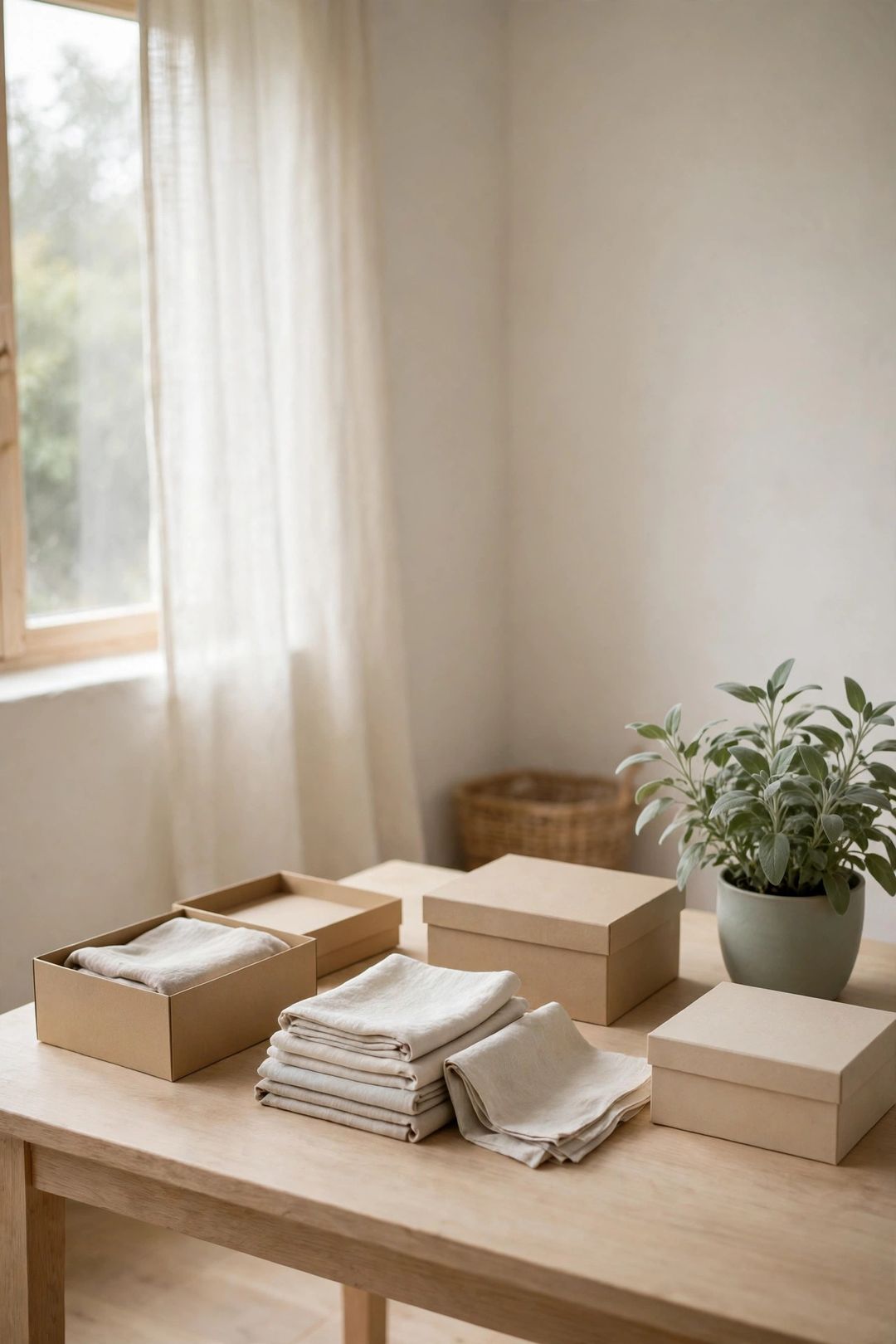
Swedish death cleaning has a stark name, but the idea itself is soft and kind. In Sweden it is called döstädning, and it means tidying your belongings slowly, while you can still choose what happens to them, so they become a gift to family instead of a hard job left behind.
This swedish death cleaning checklist is not about rushing, and it is not only for later in life. Anyone in a small home can use it, at any age, after a move or just when closets feel too full. Work one short session at a time, and stop whenever you need to.
The order matters. Start with the least sentimental things, where decisions feel easy, and save photos and keepsakes for the very end, when the home already feels lighter.
1. Start With Storage Zones
Begin where emotion is lowest: the garage corner, attic box, basement shelf, or space under the bed. These areas often hold things no one has used in years, so choices are clearer.
- Empty one small zone at a time. One shelf, one box, or one corner per session is enough.
- Sort into four piles. Keep, give to family or friends, donate, and recycle or toss.
- Let go of broken items. Cracked containers and games with missing pieces rarely need a long decision.
- Label what stays. A clear label on each kept box prevents another mystery box from forming.
2. Clear Out Duplicates
Duplicates are the next easy win. Most homes hold extra tools, cables, mugs, and towels that quietly take up the best shelves. Keep the best version and let the spares go while they are still useful to someone else.
- Gather like with like. Put all scissors, chargers, or baking pans in one spot to see the true total.
- Keep one main set and one backup at most. In a small home, a third backup is usually just storage.
- Check the junk drawer and linen closet. Both collect duplicates faster than almost any other spot.
- Offer extras with a clear date. A kind note and a pickup deadline keep gifts from becoming delays.
3. Sort Clothes With Care
Work by category, not by drawer, so you can see everything you own in one group before deciding.
- Start with worn-out pieces. Faded, stretched, or damaged basics are simple to release.
- Keep what fits and feels good now. Clothes saved for a different size take space and add guilt.
- Set special pieces aside. A wedding outfit or handmade sweater belongs with sentimental items, not this quick pass.
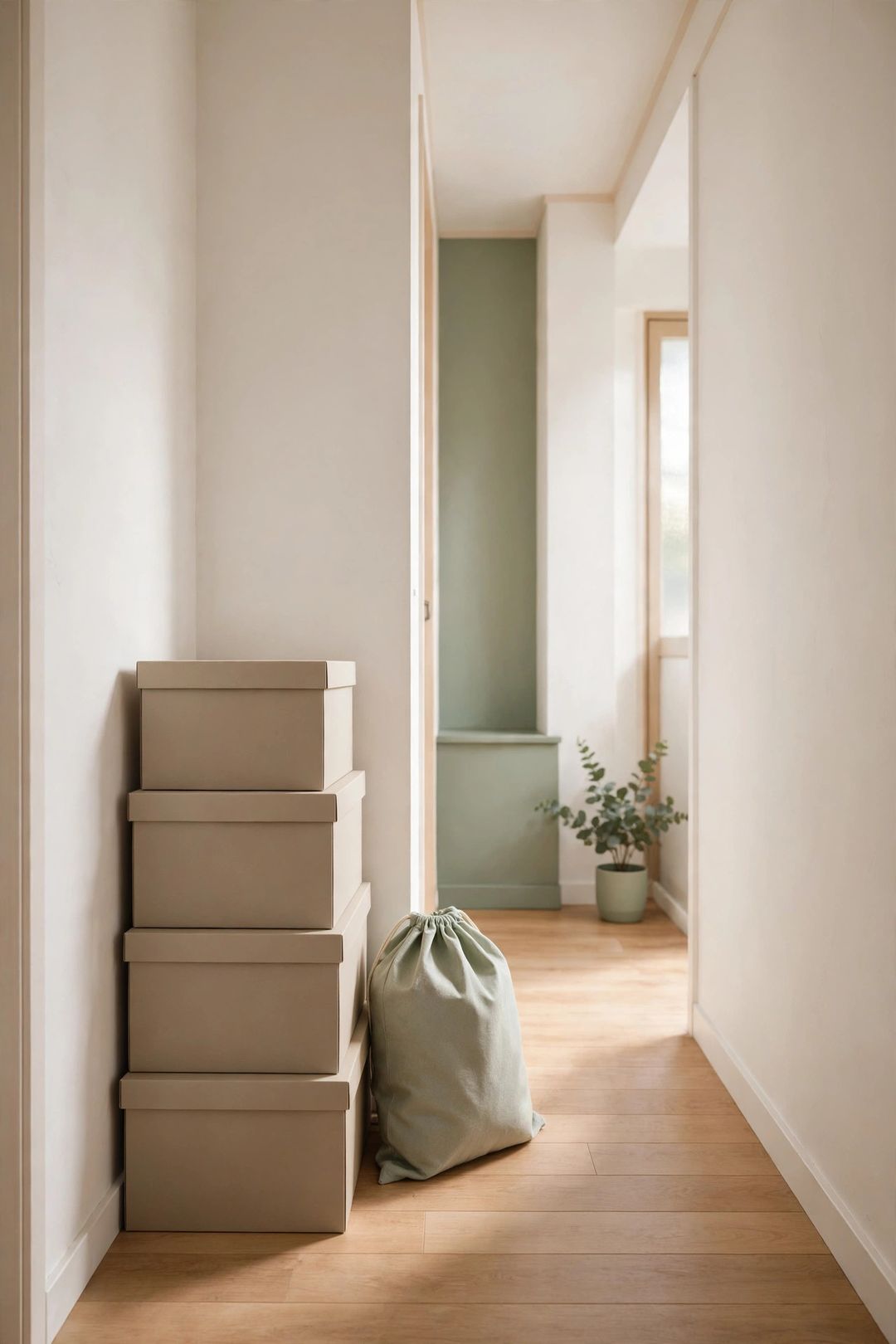
- Bag donations the same day. That stops good pieces drifting back into the closet.
4. Lighten the Kitchen
Kitchens collect gadgets and serving pieces for gatherings that rarely happen. The goal is a kitchen that is easy to cook in every day.
- Release single-use gadgets. If a tool has not been used in a year, it is a strong candidate to donate.
- Keep everyday dishes, let extras go. A small set that fits the cabinet is calmer than a full set plus spares.
- Check food storage containers. Keep only containers with matching lids, stacked in one place.
- Clear expired food and spices. Toss what is out of date and note what you actually cook with.
5. Organize Documents and Paperwork
Paper is one of the most helpful things to sort for family. A small, clear file is far kinder than drawers of mixed bills and old statements no one can follow.
- Keep one labeled file for essentials. Include ID copies, insurance, home records, and key contacts in one known place.
- Shred what is no longer needed. Old bank statements, paid bills, and expired offers do not need long-term storage.
- Go digital where it helps. Scan important papers and keep a simple backup, with clear file names.
- Tell a trusted person where the file lives. A perfect file helps no one if nobody knows it exists.
6. Save Photos and Sentimental Items for Last
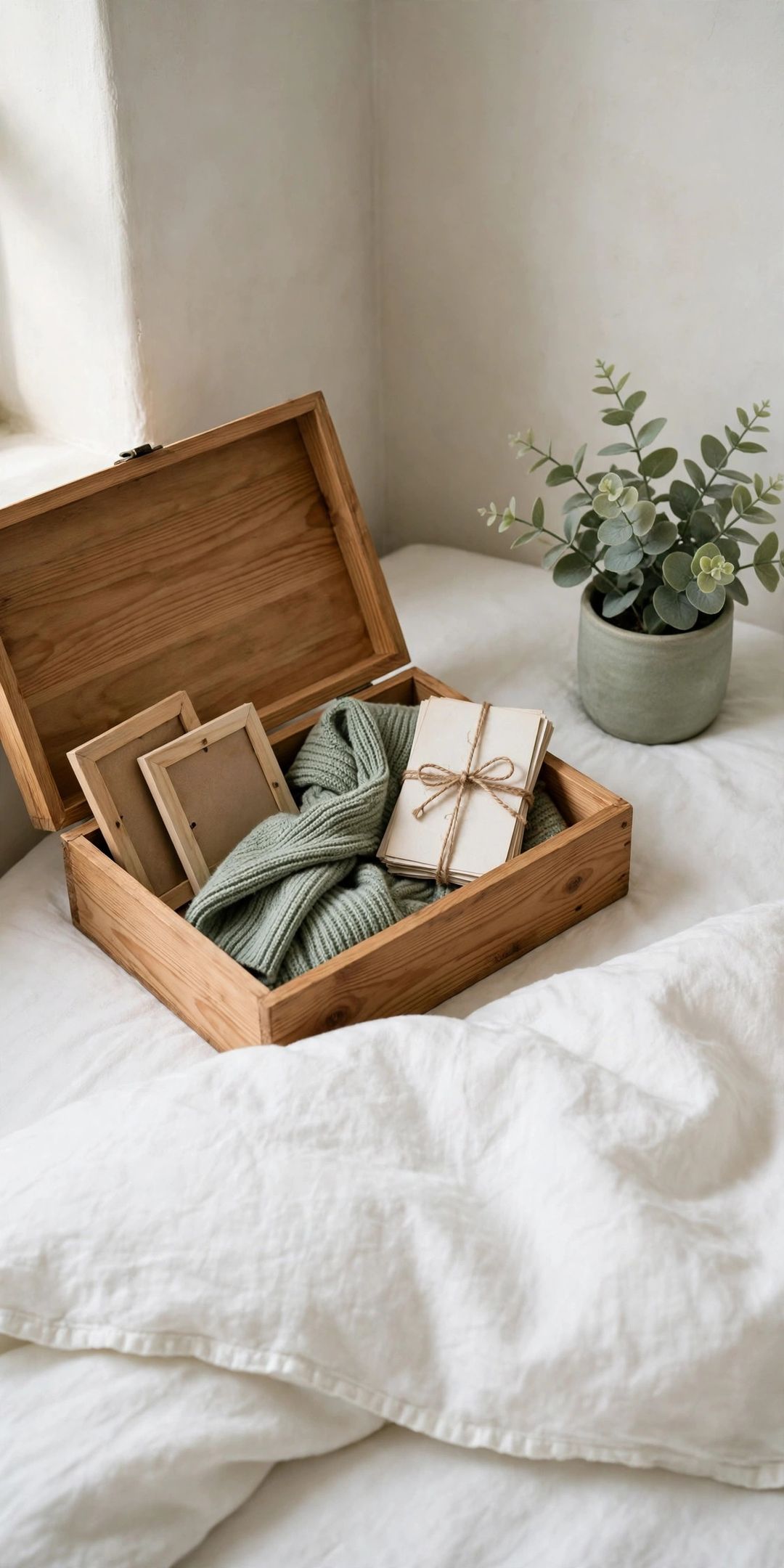
By now, decisions should feel easier. That is the right time for photos, letters, and keepsakes. Go slowly here. Some items deserve a pause, a story shared, or a second look.
- Keep the best few, not every version. Choose the clearest photos and the letters that truly tell the story.
- Write names and dates on the back. A short note turns a loose photo into a record family can understand.
- Offer items with no pressure. Share what each piece is, then accept a yes or a no with grace.
- Set a size limit for what stays. One memory bin per person keeps keepsakes honored and contained.
What to Buy
Sturdy sorting boxes, typically $12–$25. Pro: They give keep, donate, and recycle piles a clear place to land. Con: Too many boxes can become storage of their own. Skip if: Laundry baskets or reusable bags already work for sorting.
Label stickers, typically $8–$15. Pro: Clear labels help family find files and understand kept boxes. Con: Labeling every small item takes time. Skip if: A marker on painter's tape gives labels you can read easily.
Crosscut paper shredder, typically $35–$70. Pro: It makes letting go of old statements feel safer. Con: Home models handle only a few sheets at once. Skip if: A local shredding event is easy for you to use.
Acid-free photo boxes, typically $15–$28. Pro: They protect prints and keep photos grouped by year. Con: They help only if photos are sorted first. Skip if: All your photos are already scanned and backed up.
Mistakes to Avoid
- Rushing to finish. This work is meant to be unhurried. Short, regular sessions protect your energy and lead to better choices.
- Starting with photos or keepsakes. The hardest category first can stall the whole project. Build momentum with easier areas.
- Doing it alone when help is wanted. If you would like company, invite it. Sorting and drop-offs are easier shared.
- Tossing someone else's things. Sort only what is yours. Offer, ask, and give others time to decide about their own belongings.
- Keeping private papers mixed in. Private letters or diaries deserve a clear choice from you, not a surprise for family later.
Frequently Asked Questions
What age should you start Swedish death cleaning?
There is no set age. Many people begin after a move, retirement, or a big life change, but a gentle, smaller pass works at any adult age. Starting early makes each later pass shorter.
How long does the whole process take?
It can take weeks or months, and that is normal. One small zone per session, a few times a week, moves a small home forward without turning the project into a full-time job.
What should you do with items family does not want?
Donate them while they are still useful, sell a few valuable pieces if you wish, and recycle what cannot be reused. An item can have served your home well even if no one needs it next.
How is this different from regular decluttering?
Regular decluttering focuses on what you need now. This approach also asks what each item will mean to others later, and whether its story or next home is clear.
A lighter home, clear files, and keepsakes with their stories attached are a real kindness to leave behind — and a calmer place to live in now. Save this checklist to your Decluttering board on Pinterest, so you can return to the next gentle step whenever you are ready.