Clutter in a small home rarely comes from big furniture. It builds up from small, forgotten items: dried-out pens, single socks, expired medicine, and cables for devices you no longer own.
That is why lists of things professional organizers throw away start with the same easy categories. Organizers often suggest clearing the obvious toss, recycle, and donate items first, before harder decisions about things you use and like.
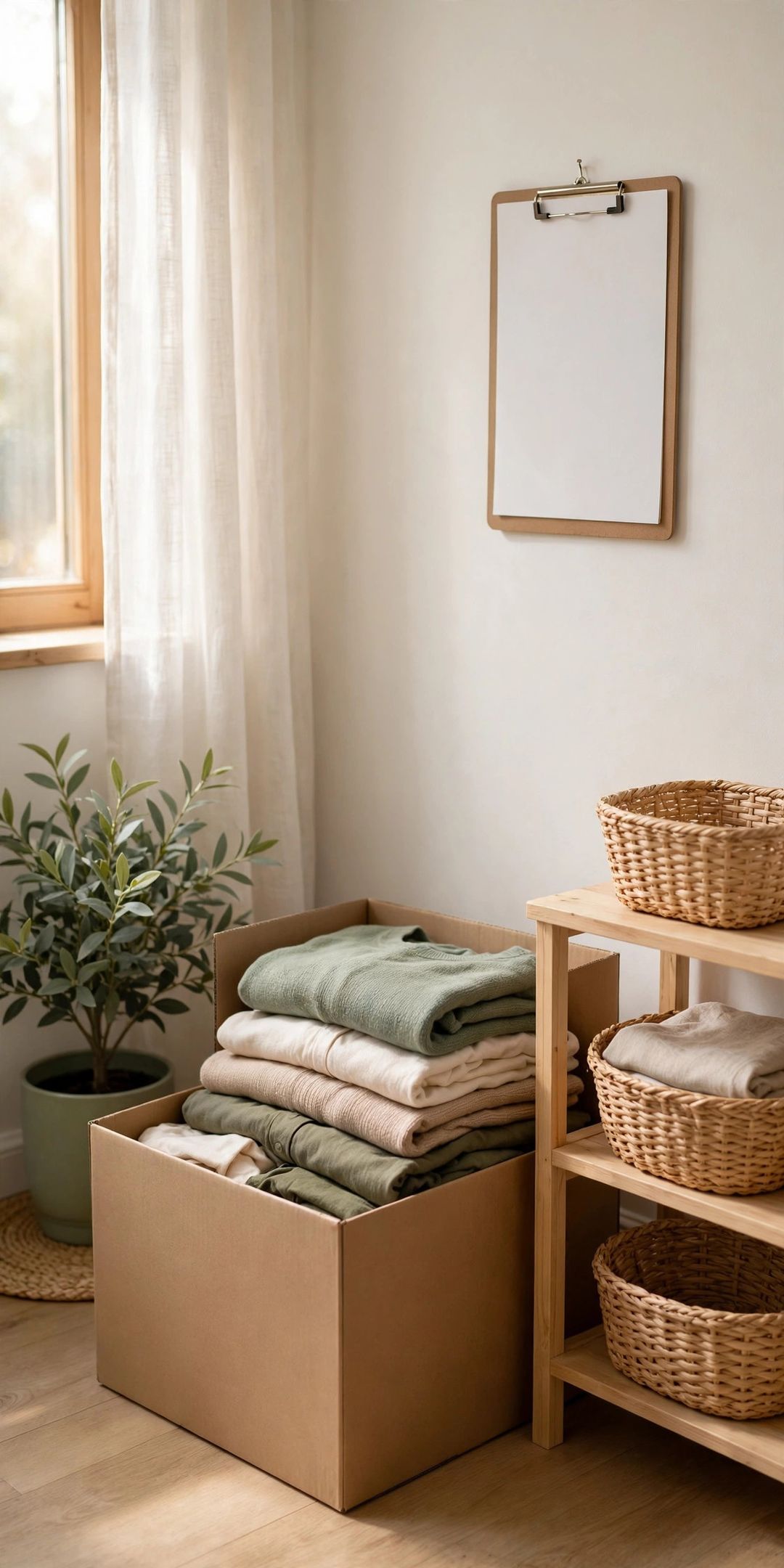
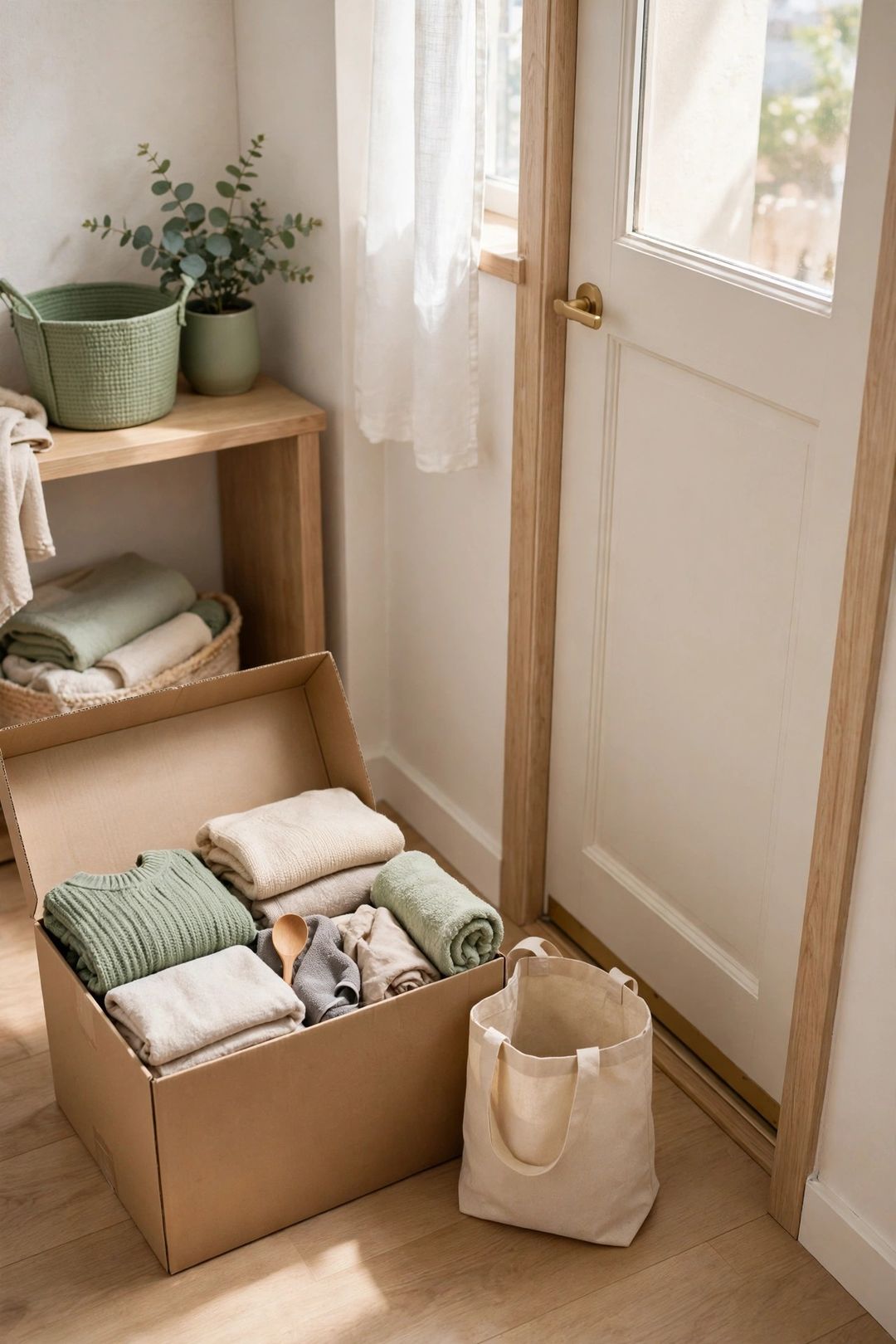
Work room by room with three bags ready: trash, recycling, and donations. A common rule of thumb is simple — if it is broken, expired, duplicated, or has no home, it goes.
Kitchen
1. Expired spices and stale pantry items. Old spices lose flavor and old food wastes prime shelf space. Trash anything expired or stale, and recycle packaging where local rules allow.
2. Chipped mugs and cracked glasses. Chips harbor grime and cracks only get worse. Recycle glass where accepted, trash damaged ceramic, and keep only mugs you reach for.
3. Duplicate utensils you never grab. Most kitchens need one good spatula, not four worn ones. Donate clean extras in good condition; trash anything melted, rusted, or broken.
4. Plastic containers with missing lids. A container without a lid is not storage. Recycle stained or warped plastic where accepted, and keep only matched sets that stack.
5. Takeout menus, sauce packets, and twist ties. Menus live online now, and loose packets expire in drawers. Recycle the paper, trash the packets, and keep only ties you actually use.
6. Single-use gadgets that did one job once. Novelty tools earn space only if you use them often. Donate working gadgets and trash broken ones instead of storing them for someday.
Bathroom
7. Expired medicine and sunscreen. Expired products may not work as expected. Follow local take-back guidance for medicine, and trash old sunscreen and dried-out tubes.
8. Nearly empty bottles and dried-out makeup. A row of empties makes a small cabinet feel full. Recycle clean empty bottles where accepted, and trash dried makeup.
9. Worn, stained, or scratchy towels. Towels that no longer dry well have done their job. Donate towels still in good shape; some animal shelters accept older clean towels, so check locally.
10. Free hotel toiletries and sample sachets. Samples multiply fast and rarely get used. Donate unopened toiletries where shelters accept them, and trash opened or expired ones.
11. Old toothbrushes and rusty razors. Worn brushes and rusted blades should not crowd a drawer. Trash them safely, and keep spares sealed and limited to one or two.
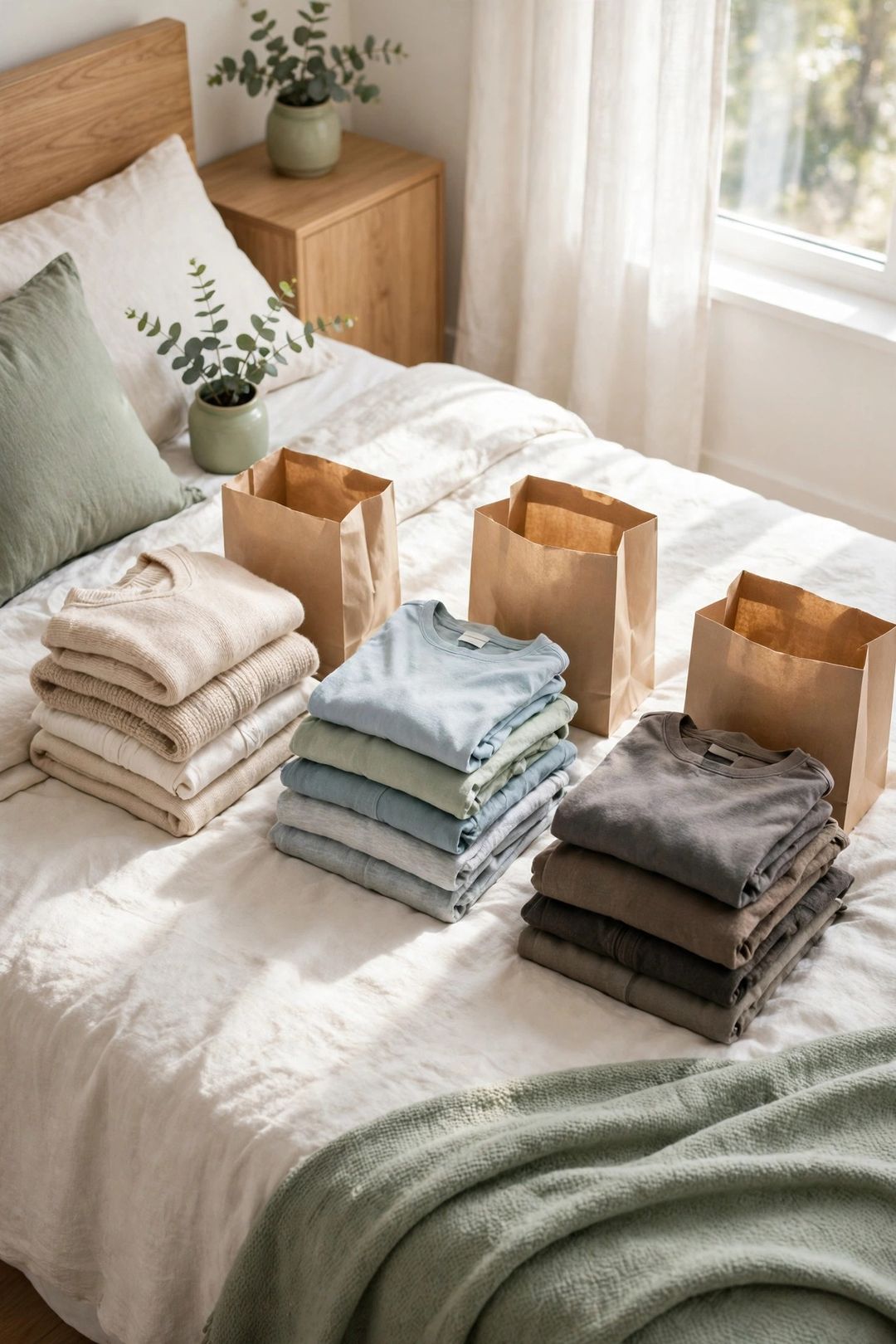
Closet & Bedroom
12. Single socks and worn-out underwear. A sock without a match after several washes is unlikely to find one. Trash worn basics that cannot be donated.
13. Wire hangers from the dry cleaner. Thin hangers bend, snag clothes, and waste rail space. Return them to a cleaner that takes them back, or recycle them where scrap metal is accepted.
14. Clothes that are stained, torn, or unwearable. If you would not wear it today, it is not a backup outfit. Donate wearable clothes and use textile recycling for damaged items where available.
15. Shoes that hurt or are worn beyond repair. Painful shoes will not get more comfortable in the closet. Donate pairs in good condition; trash cracked or worn-out soles.
16. Empty shoeboxes and shopping bags. Boxes for shoes you already wear just stack up. Recycle plain cardboard and paper bags, keeping only boxes with a real use.
17. Belts, scarves, and bags you never reach for. Accessories kept out of guilt still take hooks and shelves. Donate good pieces and keep only the few you wear on repeat.
Paper, Tech & Everything Else
18. Junk mail, old flyers, and expired coupons. Paper piles grow daily in small homes. Recycle unneeded paper right away, and shred anything with personal details first.
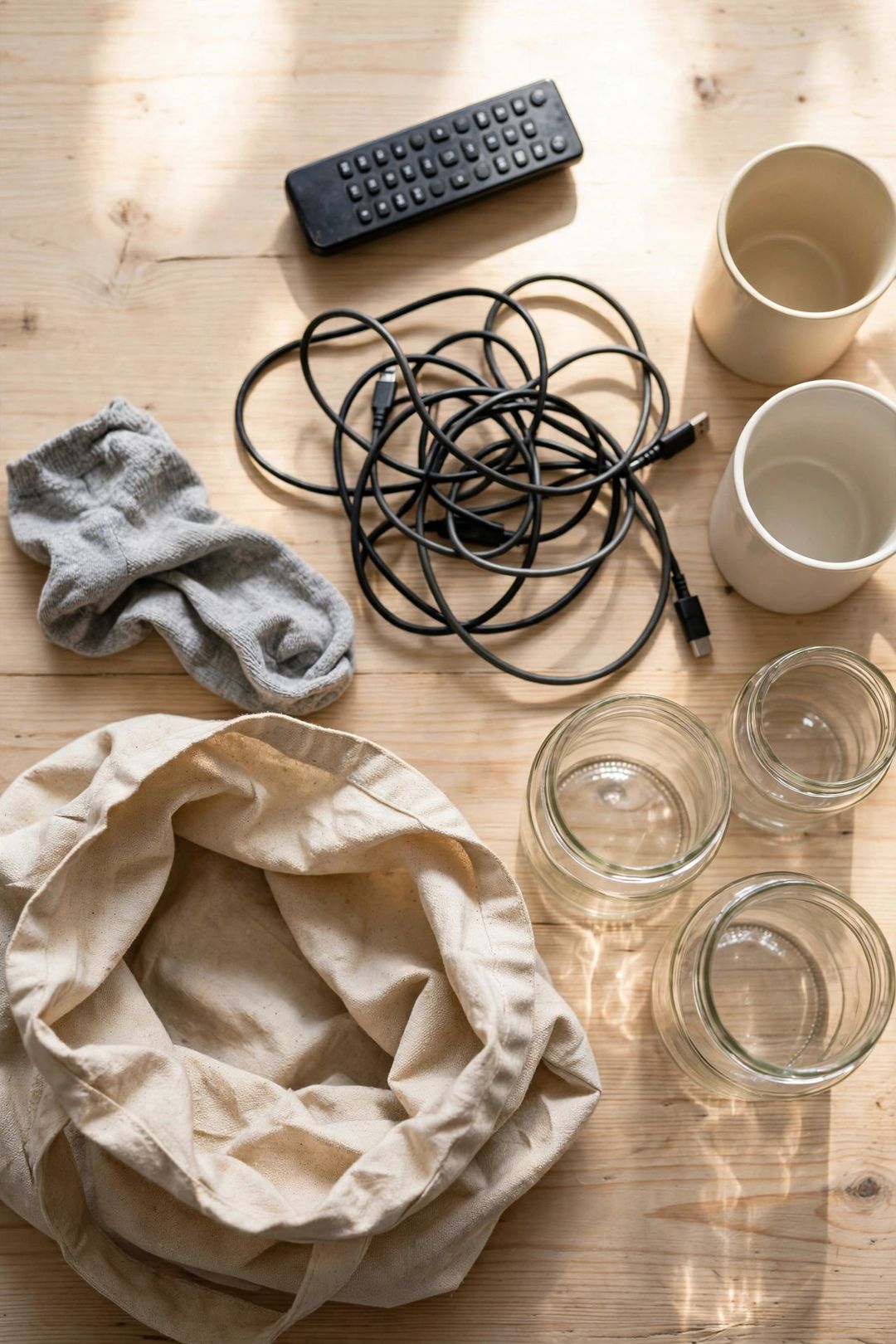
19. Mystery cords and chargers for dead devices. If no device in your home fits a cable, it has no job. Take old cords and chargers to an e-waste drop-off where available.
20. Dead batteries and dried-out pens. Items that no longer work are pure drawer clutter. Recycle batteries through a local collection point, following local rules, and trash dead pens.
21. Old phone cases for phones you no longer own. A case fits only one model, so an old case has no backup role. Donate it, recycle it through a take-back scheme, or trash it.
22. Instruction manuals you can find online. Most manuals are one search away when you need them. Recycle the paper versions; keep only warranty or legal documents you truly need.
23. Broken toys and games with missing pieces. A puzzle missing pieces frustrates everyone. Trash broken items, recycle plain cardboard games, and donate complete games in good condition.
24. Vases, candles, and decor you do not display. Decor stored in a cupboard for years is storage, not decoration. Donate clean pieces and keep only what fits your shelves now.
25. The junk drawer catch-all pile. Loose keys, old coins, expired cards, and random screws hide in almost every junk drawer. Sort it once, trash the true junk, and give what remains a divided tray.
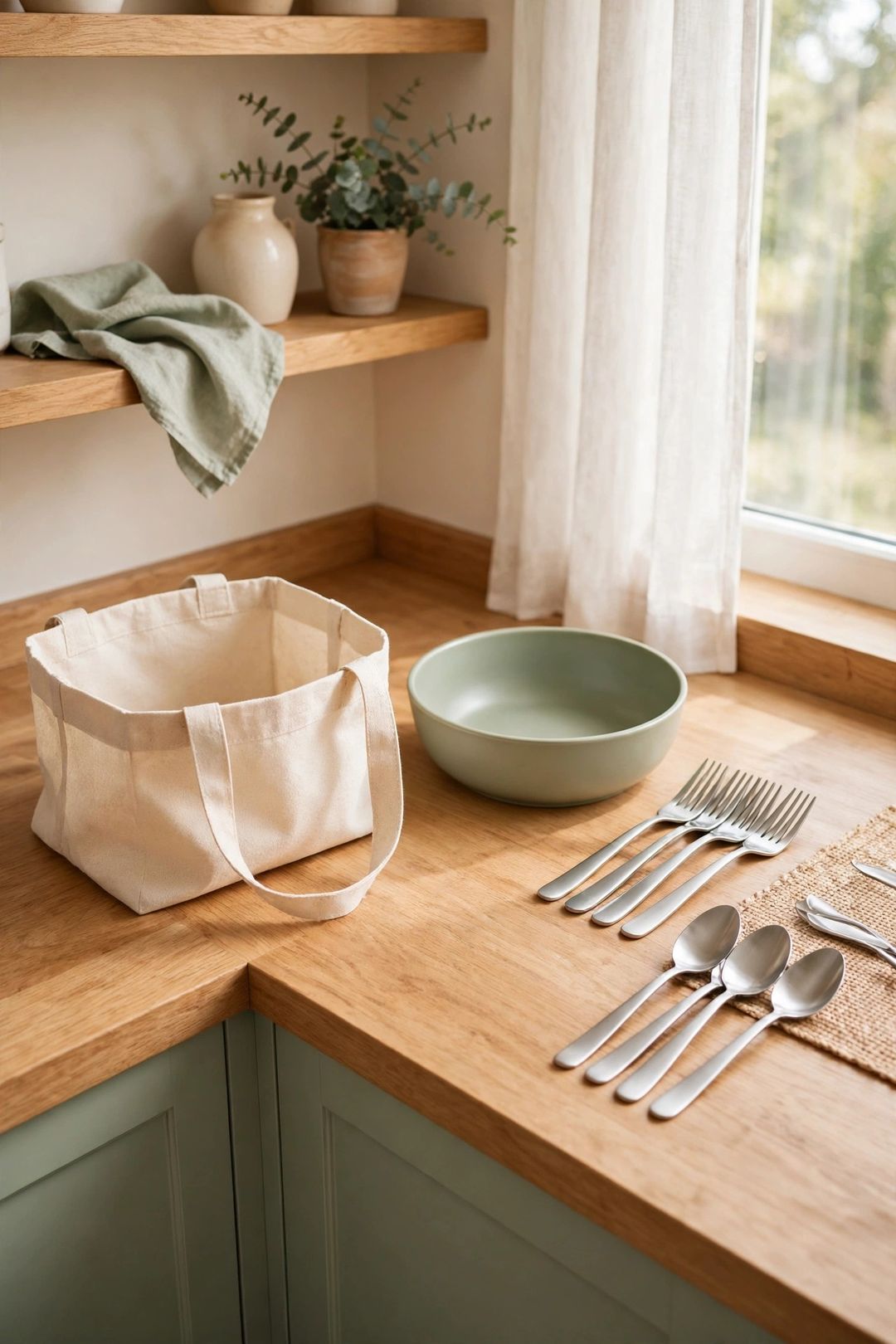
What to Buy
A divided drawer tray, typically $8–$16. Pro: It gives small leftovers a clear home after a declutter. Con: It only works if emptied often. Best for: Junk and bathroom drawers.
Clear donation and recycling bags, typically $5–$12. Pro: Separate bags keep toss, recycle, and donate piles from mixing. Con: They fill fast. Best for: One-room-at-a-time sessions.
A small label maker or label tape, typically $12–$25. Pro: Labels help a cleared shelf stay cleared. Con: Over-labeling wastes time. Best for: Shared homes.
A lidded document box, typically $10–$20. Pro: It keeps must-keep paper in one place. Con: It is not a filing system by itself. Best for: Warranties and records.
Mistakes to Avoid
- Throwing away things that are not yours. Check with partners, family, or roommates first. Decluttering someone else's belongings without asking breaks trust fast.
- Donating broken or dirty items. Donation spots need usable goods. If it is stained, broken, or incomplete, recycle or trash it instead.
- Keeping things just in case. In a small space, someday items cost daily room. Keep a spare only when you use it and have a home for it.
- Buying organizers before decluttering. Bins for clutter just hide the problem. Clear the toss pile first, then measure what is left.
- Tossing documents without checking. Tax records, IDs, and legal papers need care. Shred sensitive paper and keep required originals safe.
Frequently Asked Questions
Where should I start if every room feels cluttered?
Start with the easiest wins: expired items, trash, and obvious duplicates. Organizers often suggest beginning where decisions are simple, because early progress makes harder categories feel manageable.
What should I donate instead of throwing away?
Donate clean, complete, working items someone else can use, like extra utensils, wearable clothes, and complete games. If an item is broken, stained, expired, or missing parts, recycle or trash it instead.
How do I dispose of medicine and batteries safely?
Rules vary by area. A common approach is a pharmacy take-back or collection event for medicine, and a battery collection point for batteries. Check your local waste guide before a big clear-out.
How often should a small home do a toss round?
A short round every few months keeps build-up low. Focus on drawers, cabinets, and paper piles, where small toss items collect fastest.
Start with one drawer today and let the easy wins build momentum. Save this post to your Decluttering board on Pinterest so the full 25-item list is handy for your next clear-out.