Some clutter hides in plain sight. A drawer still holds last year's calendars, a closet keeps coats that no longer fit, and the pantry carries spices that lost their scent months ago.
This room-by-room list of things to declutter in spring moves through the kitchen, closets, bathroom, and living areas in a clear order. Work one section at a time, bag donations right away, and stop when a section is done.
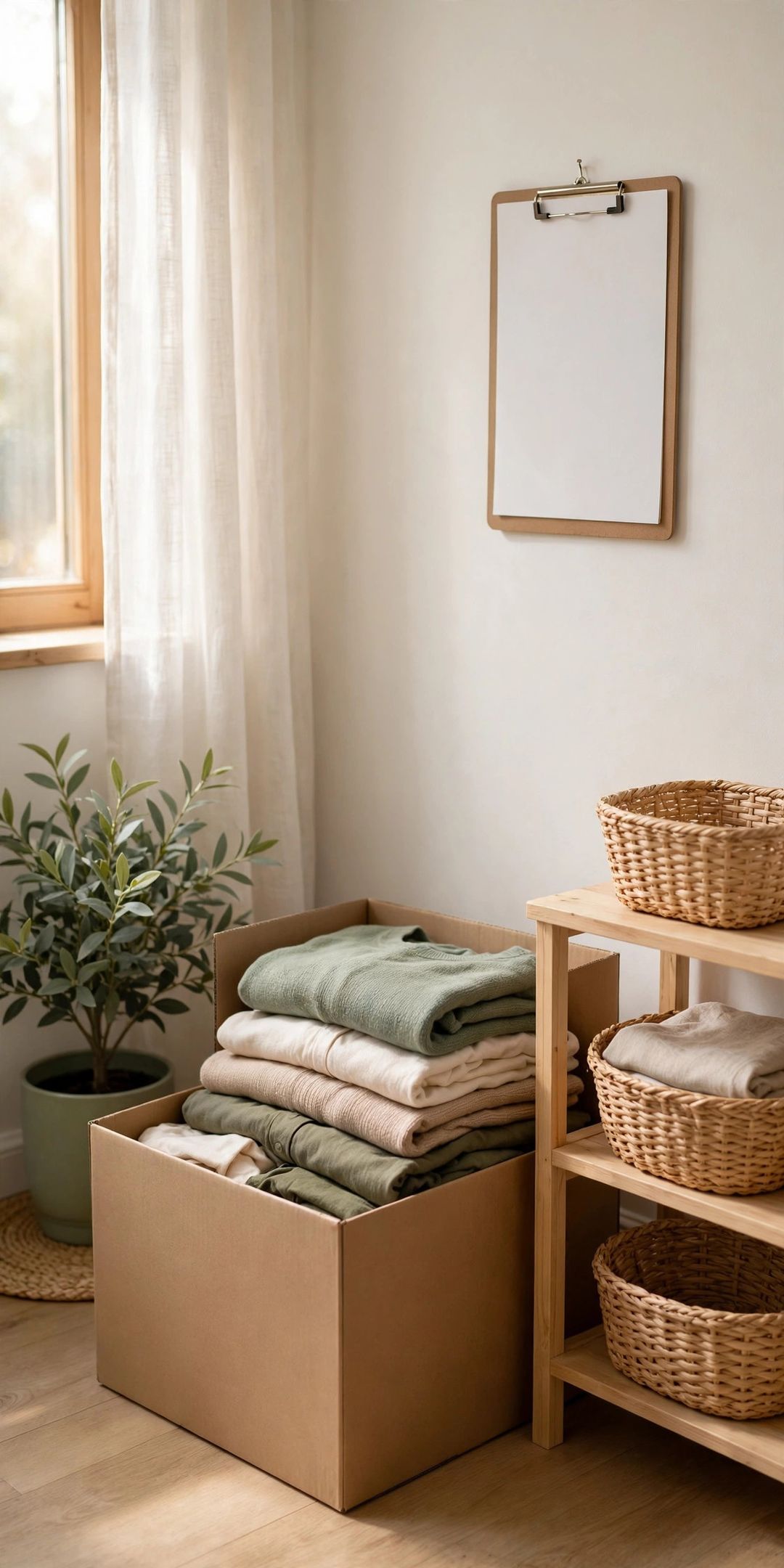
You do not need a full weekend or a new storage system to start. A few bags, a donation box, and one honest pass per area will clear more space than most people expect.
Kitchen and Pantry
1. Expired spices and stale pantry staples. Check dates on spices, baking mixes, grains, and open sauces. If a spice has no smell, or a staple is past its date, let it go and note what actually gets used.
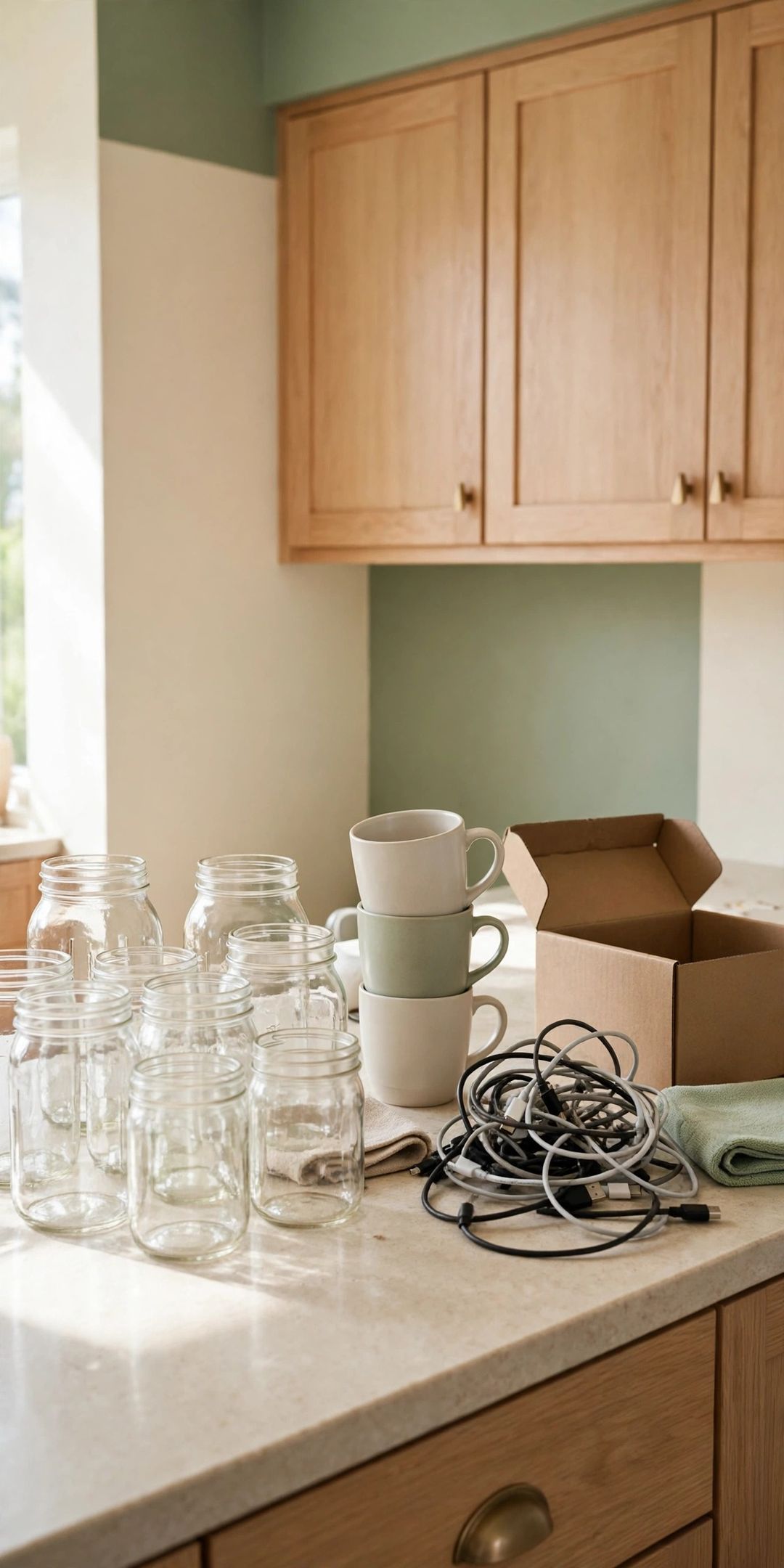
2. Chipped mugs and extra water bottles. Most kitchens collect far more mugs, tumblers, and bottles than anyone rotates through. Keep a sensible set that fits one shelf, and donate the extras in good condition.
3. Single-use gadgets that never earn counter space. If a specialty tool has sat untouched since last spring, it is taking up drawer room for no reason. Keep versatile tools and release the rest.
4. Mismatched food containers and lost lids. Match every container with its lid and set aside anything warped, cracked, or lidless. A smaller set that actually seals is easier to stack and find.
5. Takeout menus, sauce packets, and twist ties. That pile in the junk drawer rarely gets used and makes useful items harder to reach. Recycle paper menus, clear old packets, and keep only a few ties if needed.
Closets and Bedrooms
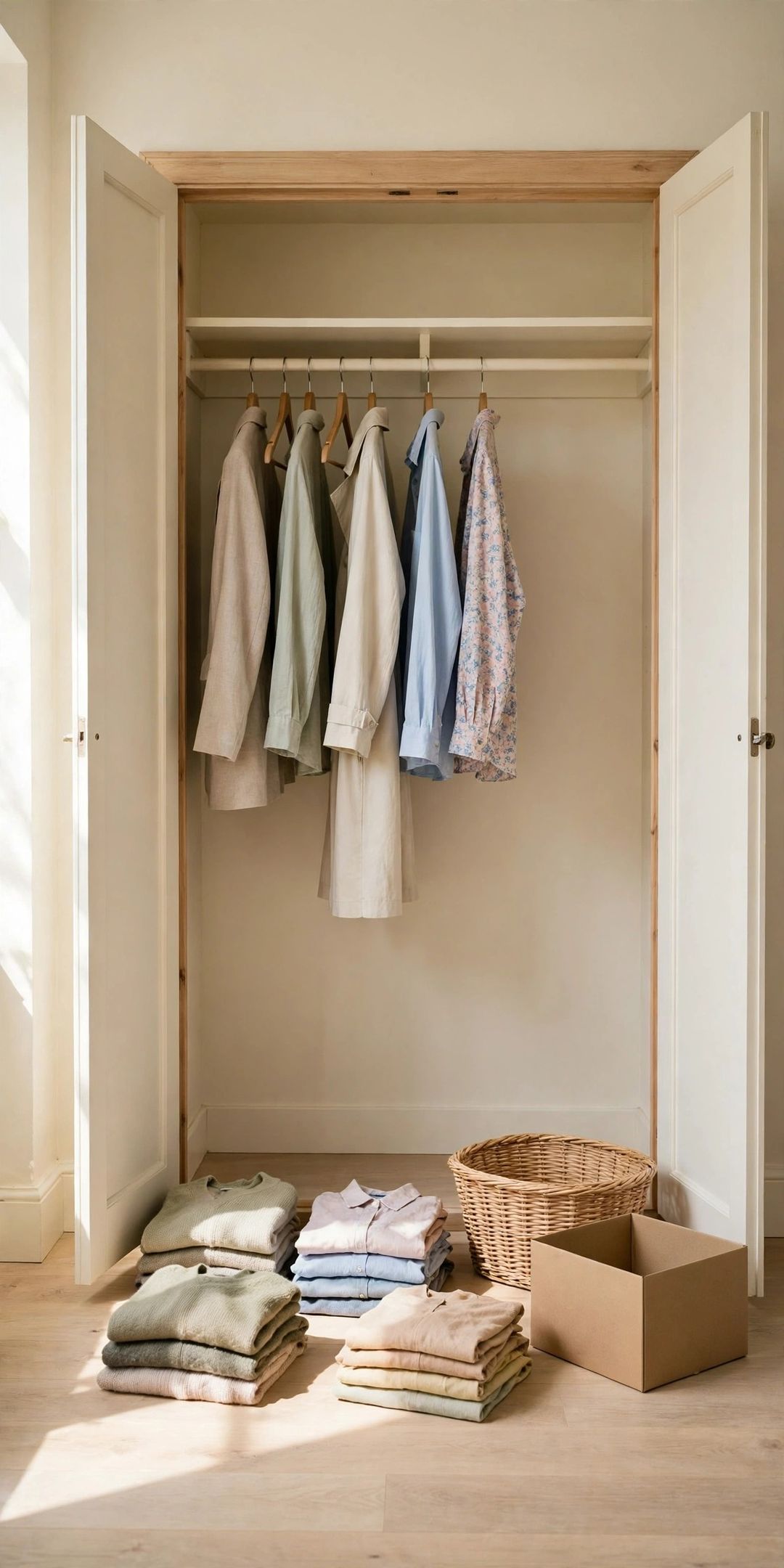
6. Clothes that do not fit right now. Holding a full section for a different size makes getting dressed harder every morning. Keep what fits and feels good now, and donate clean items that no longer work.
7. Worn-out shoes and single socks. Shoes with worn soles or broken straps rarely get repaired once they reach the back of the closet. Clear them out, along with socks and gloves that lost their match.
8. Wire hangers and broken hangers. Thin wire hangers tangle, bend, and leave marks on shoulders. Return wire hangers where accepted, toss broken ones, and keep one consistent hanger type for a calmer rail.
9. Scarves, hats, and bags that never get worn. Accessories pile up because they are small, but a full bin of unused pieces still takes real space. Keep favorites in regular rotation and donate the rest.
10. Old bedding and threadbare towels kept just in case. One spare set per bed is usually enough for laundry day or a guest. Extra sets that are faded or thin can go to donation or textile recycling where available.
Bathroom and Laundry
11. Expired makeup and skincare. Mascara, sunscreen, and liquid products have limited life once opened. Check dates, and clear anything that smells off, changed texture, or sat unused through several seasons.
12. Hotel toiletries and sample packets. Small bottles multiply in drawers and travel bags, then sit for years. Keep a small, current travel set if travel is regular, and clear the loose samples.
13. Stretched hair ties and rusty tools. Hair ties that no longer hold, and rusty tweezers or clippers, do not become useful again. Replace only the few essentials used every week.
14. Half-empty cleaning products under the sink. Several nearly empty bottles of similar cleaners waste space and make leaks more likely. Safely finish products, or dispose of old ones following local household guidance.
15. The laundry-room lost-and-found pile. Every laundry area collects lone items and mystery parts. Set a short deadline for claiming items, then clear the pile so the surface can return to sorting and folding.
Paper, Tech, and Living Spaces
16. Old magazines, catalogs, and manuals. If a manual can be found online in seconds, the paper copy rarely needs a shelf. Recycle back issues and catalogs, and keep only manuals for items still owned.
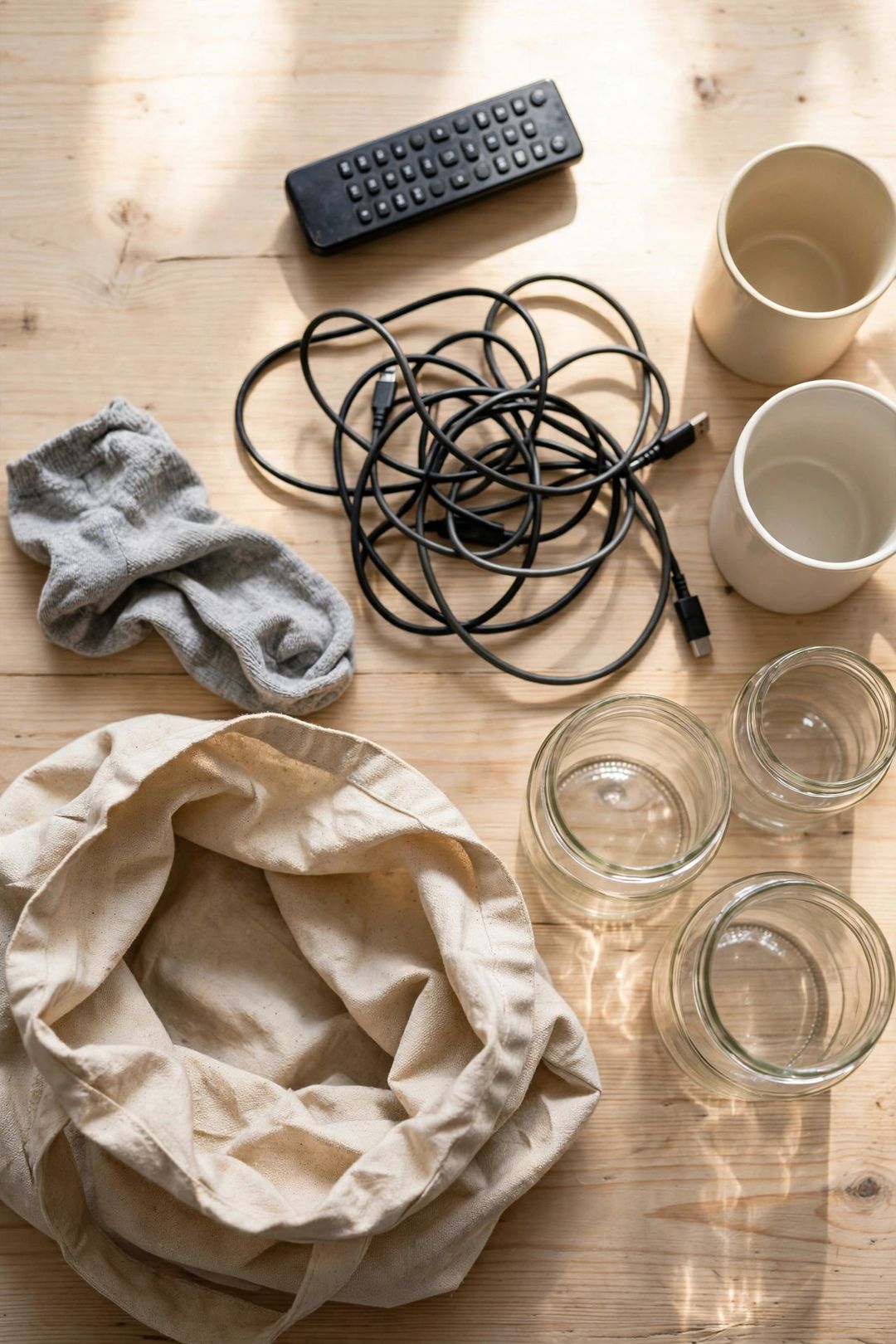
17. Dead batteries, mystery cords, and old chargers. A tangled cord drawer feels useful until nothing in it matches a current device. Label keepers, and take batteries and e-waste to a proper drop-off point.
18. Greeting cards and kids' artwork overload. Sentimental paper grows fast. Keep a small selection that truly matters in one folder per person, photograph larger pieces if the memory is enough, and recycle the rest.
19. Board games with missing pieces and finished puzzles. Games that cannot be played and puzzles completed years ago take up prime shelf space. Donate complete sets in good condition and recycle boxes from incomplete sets.
20. Decor that no longer fits the room. Candles burned to the bottom, faded faux plants, and decor kept only because it was a gift add visual clutter. Keep pieces that suit the room now.
What to Buy
Heavy-duty donation bags, typically $8–$15. Pro: Large bags hold soft items and can go straight to donation. Con: They are hard to carry when overfilled. Skip if: Sturdy reusable bags or boxes are already on hand.
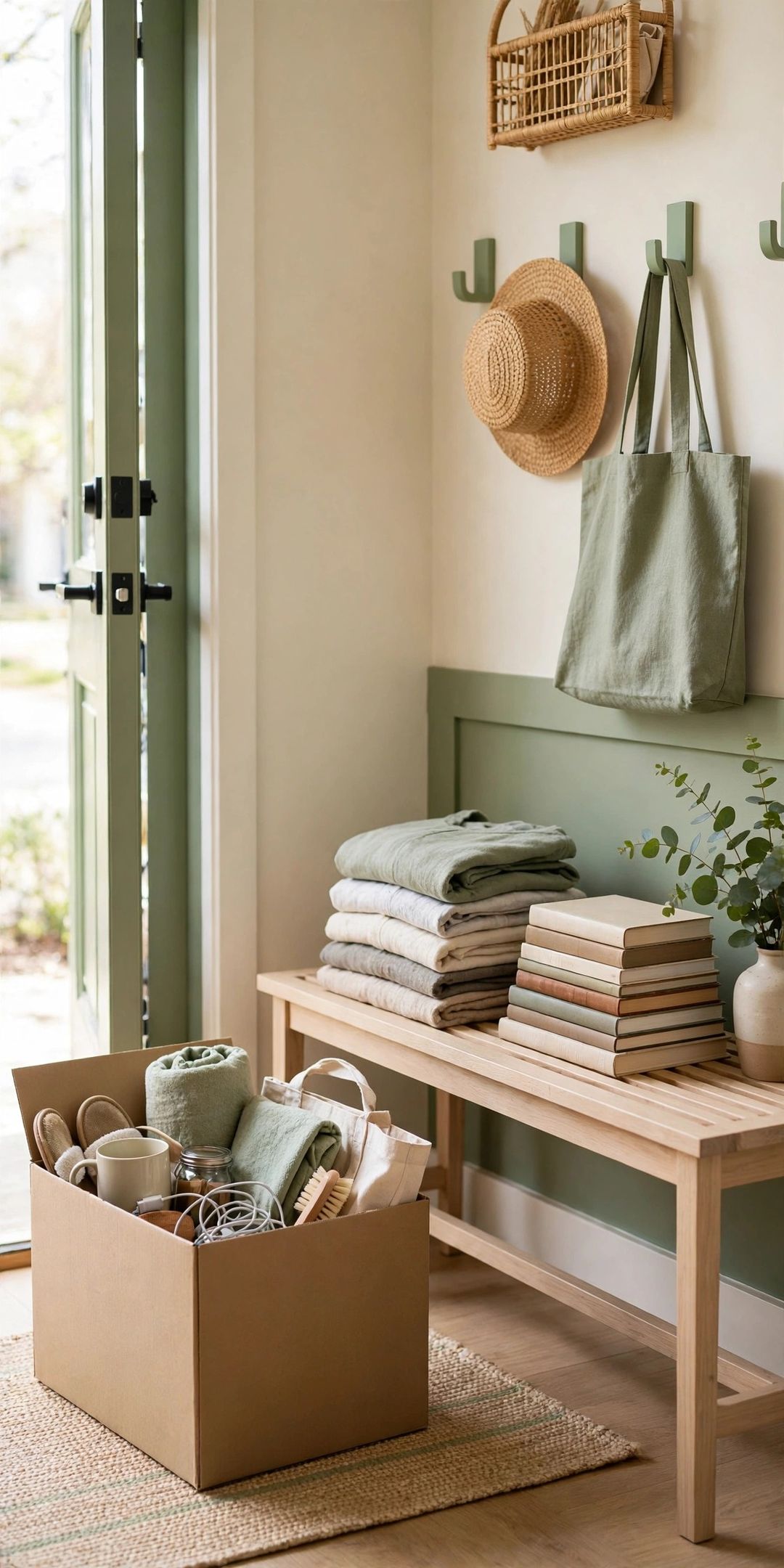
Medium boxes or clear donation bins, typically $10–$20. Pro: Boxes keep breakable donations separate and stack by the door. Con: They take space while waiting for drop-off. Skip if: Donations leave the same day.
A basic label maker or blank labels, typically $12–$25. Pro: Clear labels help sort keep, donate, and recycle piles. Con: It is easy to over-label temporary piles. Skip if: Painter's tape and a marker already do the job.
A small sorting tote, typically $8–$16. Pro: It carries tape, marker, bags, and scissors from room to room. Con: It becomes clutter if never emptied. Skip if: A spare basket can serve the same purpose.
Mistakes to Avoid
- Trying to do the whole home in one day. Fatigue leads to rushed choices and half-finished piles. One section at a time keeps progress visible.
- Buying organizers before decluttering. New bins for items that should leave only hide the problem. Sort first, then measure what remains.
- Keeping donations in the hallway for weeks. Bags by the door become new clutter fast. Schedule drop-off or pickup before starting.
- Making a maybe pile with no deadline. A maybe box without a review date turns into long-term storage. Date it and decide within a few weeks.
- Decluttering someone else's things without asking. Shared spaces work better when each person sorts their own items.
Frequently Asked Questions
Where should a spring declutter start?
Start with the area that causes daily friction, often the kitchen drawer, entryway, or main closet. A visible win in a busy spot builds momentum for slower categories later.
What should happen to items in good condition?
Clean, working items can go to a local donation center, a community giveaway group, or a scheduled charity pickup. Bag soft items separately from breakables.
How long should this list take?
Each section can be its own short session. Some people finish one section per day across four days, which keeps decisions fresh and avoids piles sitting out overnight.
What if an item might be useful later?
Ask where it would be used, when, and where it would live until then. If there is no clear answer, it is usually a sign the item can go.
This spring list works best one section at a time, with donations leaving the house the same week. Save this post to your Declutter & Routines board on Pinterest so the full 20-item checklist is handy when you start.