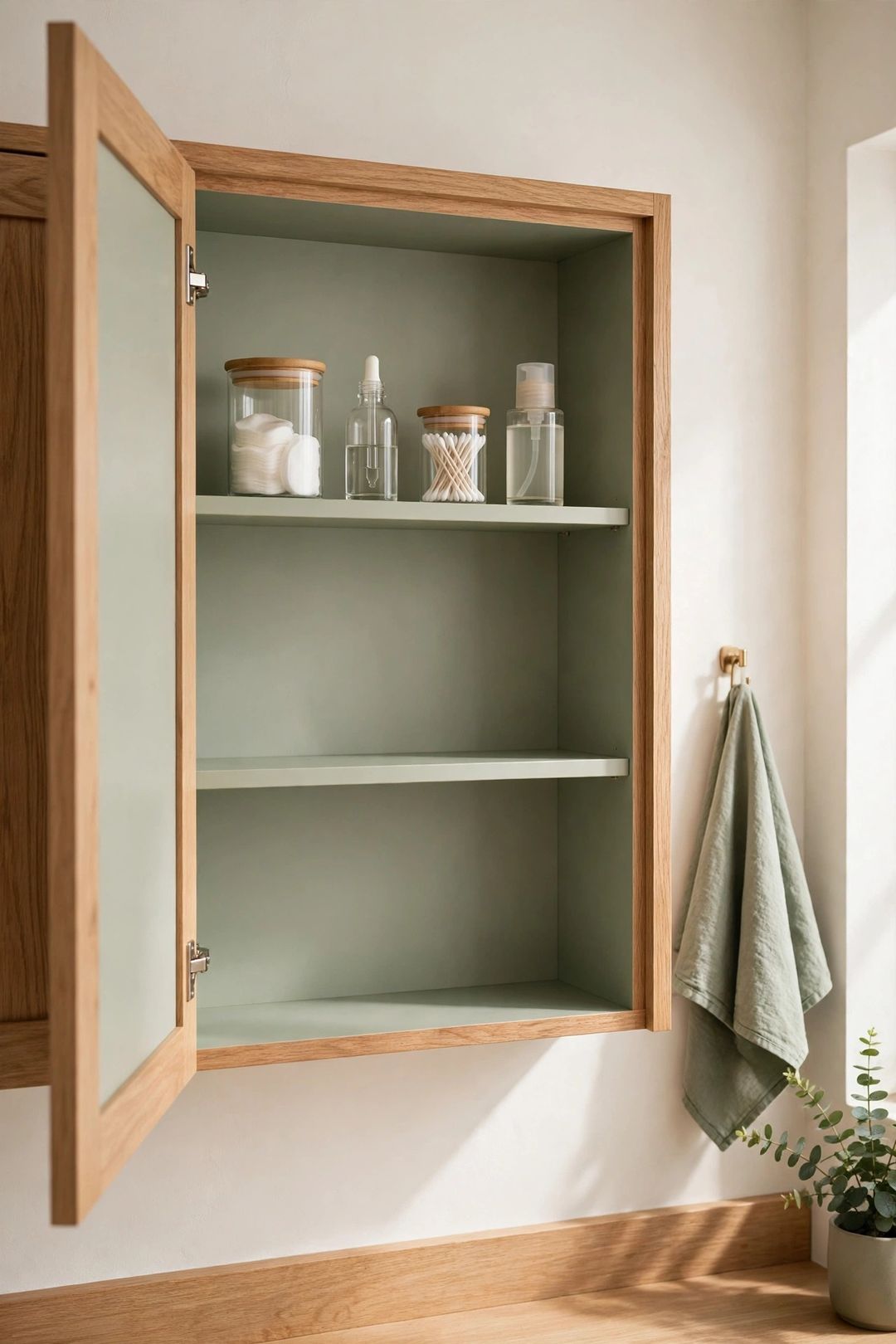
A crowded cabinet hides old bottles behind new ones, long after the last safe use. Working through toiletries to declutter expired products first makes the rest of the cabinet easier to sort, clean, and keep in order.
Three checks do most of the work. Look for a printed expiry date, then find the PAO jar symbol, such as 12M, which means use within 12 months after opening. Check smell, texture, and color, too: a sour scent, lumps, or separation is a clear warning. When in doubt with anything used on eyes or broken skin, toss it.
Hair & Body
1. Dried-Out Shampoo Duplicates. Half bottles with crust around the cap, weak lather, or a faded scent rarely get finished. Duplicates push fresh bottles back, where dates get missed. Keep one open bottle and one sealed backup, and let the rest go. Replacement shampoo typically costs $4–$12.
2. Hotel Minis Saved for Someday. Small hotel bottles feel useful, but most sit for years, turn thin or sticky, and lose scent. A loose cap leaks in a travel bag, too. Keep a small set with a clear use,. Travel-size shampoo typically costs $1–$4 each.
3. Hair Products for a Hairstyle Long Gone. Gels, sprays, and creams bought for a past cut or color often stay long after the style changes. Heat and steam break products down over time. Pressurized aerosol cans should follow local household hazardous waste rules.
4. Bath Salts and Oils Gone Rancid. Bath salts clump hard in damp air, and bath oils can smell sharp or stale once opened past the PAO date. A gritty texture or off smell means the soak will not feel pleasant anyway. Bath salts and oils typically cost $6–$18.
5. Separated Lotions and Body Creams. Lotion that pours like water, forms lumps, or smells sour has changed too much to trust on skin. Check the jar symbol first, since a cream marked 6M or 12M ages fast after opening. Body lotion typically costs $5–$15.
Skin, Sun & First Aid
6. Sunscreen Past Its Printed Date. Sunscreen past the printed date should not stay in rotation, since protection can drop as the formula ages. Heat makes matters worse, and a thin or grainy texture is another warning. Keep only in-date tubes in daily reach. Sunscreen typically costs $8–$20.
7. Face Creams That Have Separated. A face cream with oil pooling on top, a yellow tint, or a sharp smell belongs in the toss pile. The PAO symbol matters here, because daily opening lets in air and germs from fingers.
8. Expired First-Aid Creams and Ointments. Antiseptic creams, burn gels, and ointments past the printed date may not work as expected on cut or sore skin. Check kits and travel bags, too, since those get forgotten longest. Keep a short, in-date set in one spot for fast access. First-aid creams typically cost $4–$12.
9. Expired Medicines in the Cabinet. Old pain relief, cold medicine, and allergy tablets past the date should leave the cabinet, but flushing is not the right route. Expired medicines go to a pharmacy take-back program where available. Nail-polish-type items and full aerosol cans also follow local household hazardous waste rules.
10. Old Mascara and Eye Products Past the Date. Makeup gets only this one spot here. Mascara and liquid liner sit close to the eye, so age matters a lot. A dry wand, clumps, or a strong smell means toss it. When in doubt with any eye product, toss it. Mascara typically costs $6–$14.
Dental, Shaving & the Back of the Cabinet
11. Crusty Toothpaste Spares. Spare tubes with a hard crust, a split seam, or paste that tastes flat may be past the date stamped on the crimp. Check travel tubes, too, since small sizes get lost for months. Keep one sealed spare near the open tube. Toothpaste typically costs $3–$8.
12. Worn Toothbrushes Kept as Spares. A brush with flat, splayed bristles cleans poorly and feels rough. Brushes saved for cleaning belong with cleaning supplies, apart from daily brushes. A spare in a case stays cleaner than one loose in a drawer. Toothbrushes typically cost $2–$6 each.
13. Contact Lens Solution Past Its Date. Contact lens solution past the printed date should not be used at all. Do not use past the date, and do not top off an old bottle with fresh solution. Replace the old lens case, too. Lens solution typically costs $7–$15.
14. Old Razors and Loose Blades. Rusty blades, dull cartridges, and loose blades in a drawer are a hygiene problem and a cut risk. A razor stored wet also dulls faster. Wrap loose blades safely before disposal, following local guidance, and store a fresh set dry and covered. Razor refills typically cost $8–$20 per pack.
15. Cotton Supplies in Torn Packaging. Cotton balls, pads, and swabs in torn or open bags collect dust, moisture, and bathroom germs. Damp cotton clumps and tears, too. Move a fresh supply into a closed jar or box, and toss stock that looks dirty or smells stale. Cotton supplies typically cost $2–$6 per pack.
Keep the system. After the toss, the rule stays simple: one open plus one backup max for each daily item. A short buy list taped inside the cabinet door stops impulse duplicates at the store. Write the month and year opened on new bottles, so the next check takes minutes.
What to Buy
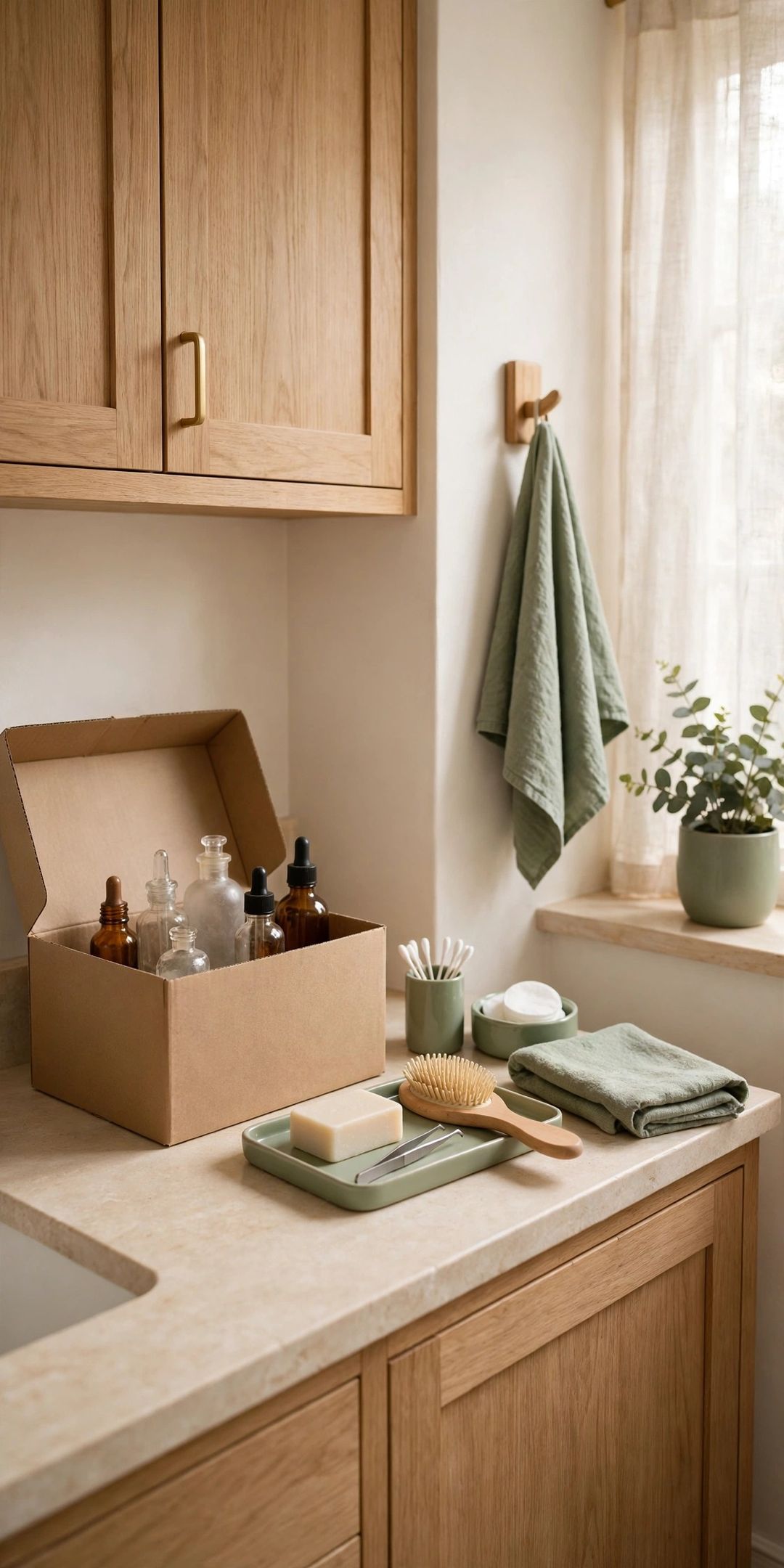
A small cabinet bin keeps toss items in one place during a sort and later holds cotton supplies or daily basics. Typically $5–$12.
A label set for dates opened turns a guess into a quick check. Small waterproof labels suit bottles, jars, and first-aid tubes. Typically $4–$10.
A spare-toothbrush case keeps a backup brush clean in a drawer or travel bag. A vented case dries better than a sealed one. Typically $3–$8.
Mistakes to Avoid
- Keeping a product just because the bottle is half full. Amount left changes neither an expiry date nor a PAO limit.
- Sniffing once and saving it anyway. A sour or sharp smell is already a result, not a reason to recheck later.
- Flushing old medicines. Use a pharmacy take-back program where available, not a sink or toilet.
- Storing loose blades in a drawer. Loose blades cut fingers during a quick reach and rust faster in damp air.
- Buying backups with no list. Duplicates pile up fast with no buy list and no open-date labels.
Frequently Asked Questions
What does the 12M symbol on a jar mean?
The 12M symbol is the PAO, or period after opening: use within 12 months after opening. Other common marks are 6M and 24M. A date label makes the math simple.
Can sunscreen be kept past the printed date for home use?
No. Past-date sunscreen should be replaced, since protection can fall as the formula ages. Heat during storage makes an old tube even less reliable.
How should expired medicines be thrown away?
Expired medicines go to a pharmacy take-back program where available, never flushed. With no local option, follow package directions or ask a pharmacy. Aerosol cans and nail-polish-type items follow local household hazardous waste rules.
How often should a cabinet check happen?
A quick check every few months keeps the job small. Start with sunscreen, first-aid items, eye products, and lens solution, since dates matter most there, then update the cabinet-door buy list.
Save this post to your bathroom declutter board on Pinterest so the expiry checks stay handy at the next cabinet clean-out.