When every toy is out at once, play often gets shorter, not longer. Pieces scatter, sets mix together, and children move quickly from one thing to the next because nothing feels fresh or complete.
A toy rotation system small space homes can keep up with solves that problem without extra furniture. Keep one small set out, store the rest in one compact spot, and swap sets on a regular rhythm. Fewer choices on the floor usually means deeper play and cleanup that takes minutes.
Start on a quiet morning and finish in stages. The goal is a setup so simple that swapping a bin feels easier than tidying a full room.
1. Gather and Sort All Toys in One Place
Collect toys from every room and corner and bring them to one clear floor area. Check under sofas and in hallway baskets. A rotation only works when the full collection is visible.
Sort the pile into clear groups: building toys, puzzles and games, pretend play, art supplies, vehicles, dolls or figures, and active toys. Put broken items and toys with missing key pieces into a separate bag right away, and move outgrown items to donation promptly so they do not drift back.
Group batteries, chargers, and loose parts together now with a small bag or band, so each set comes out complete.
2. Group Toys Into Balanced Rotation Sets
Divide the sorted toys into three or four sets. Each set should stand on its own for a full rotation period, so mix categories instead of putting all building toys in one set and all puzzles in another.
A balanced set usually includes one building option, one puzzle or game, one pretend-play option, a few books, and one active or creative item. Add one clear favorite to each set so every swap still feels familiar, and spread the most-loved toys across sets.
Keep each set small. If it does not fit in one medium bin with room to spare, move extra items into the next set. Less out means less to scatter and put away.
3. Store the Out Sets in One Compact Spot
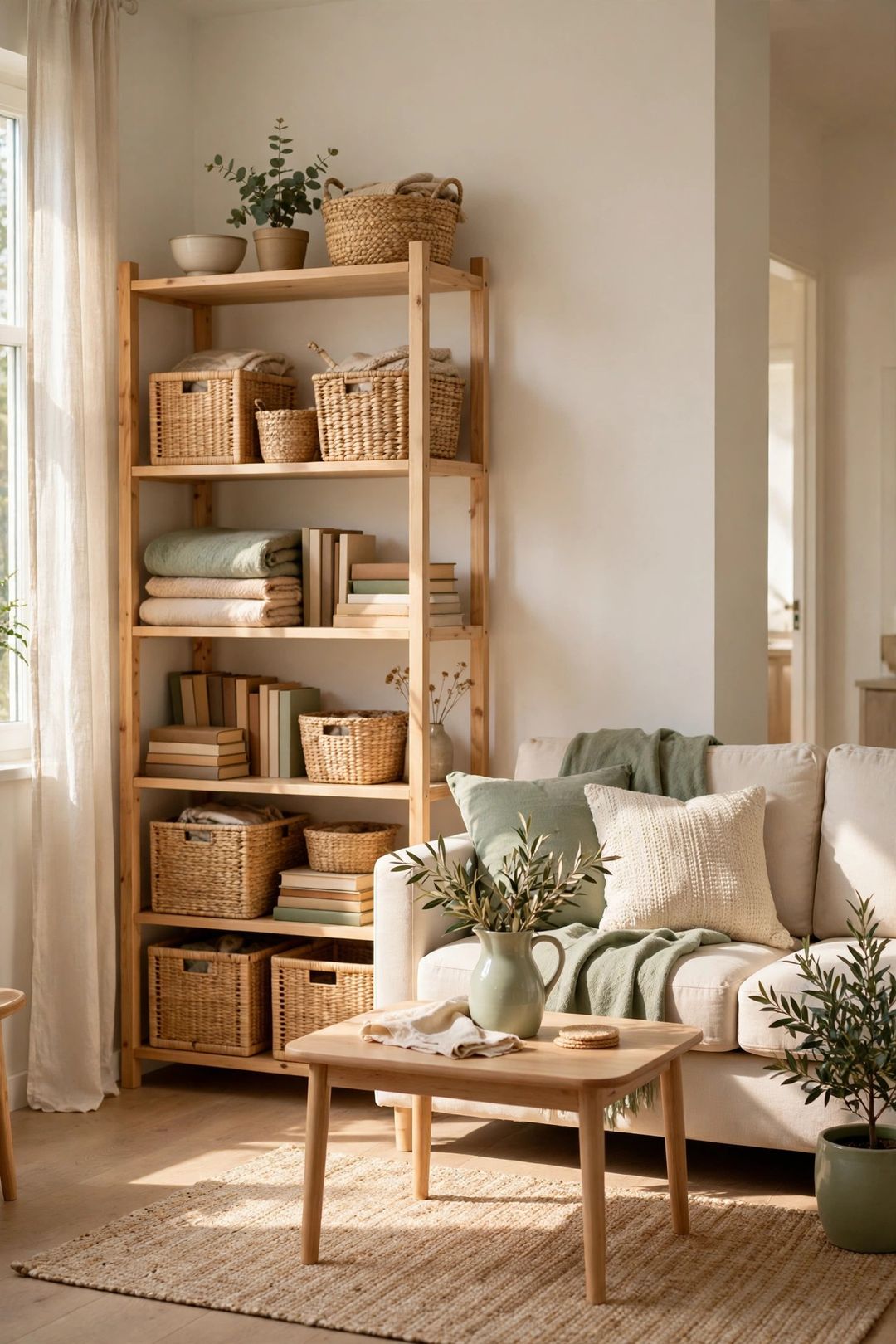
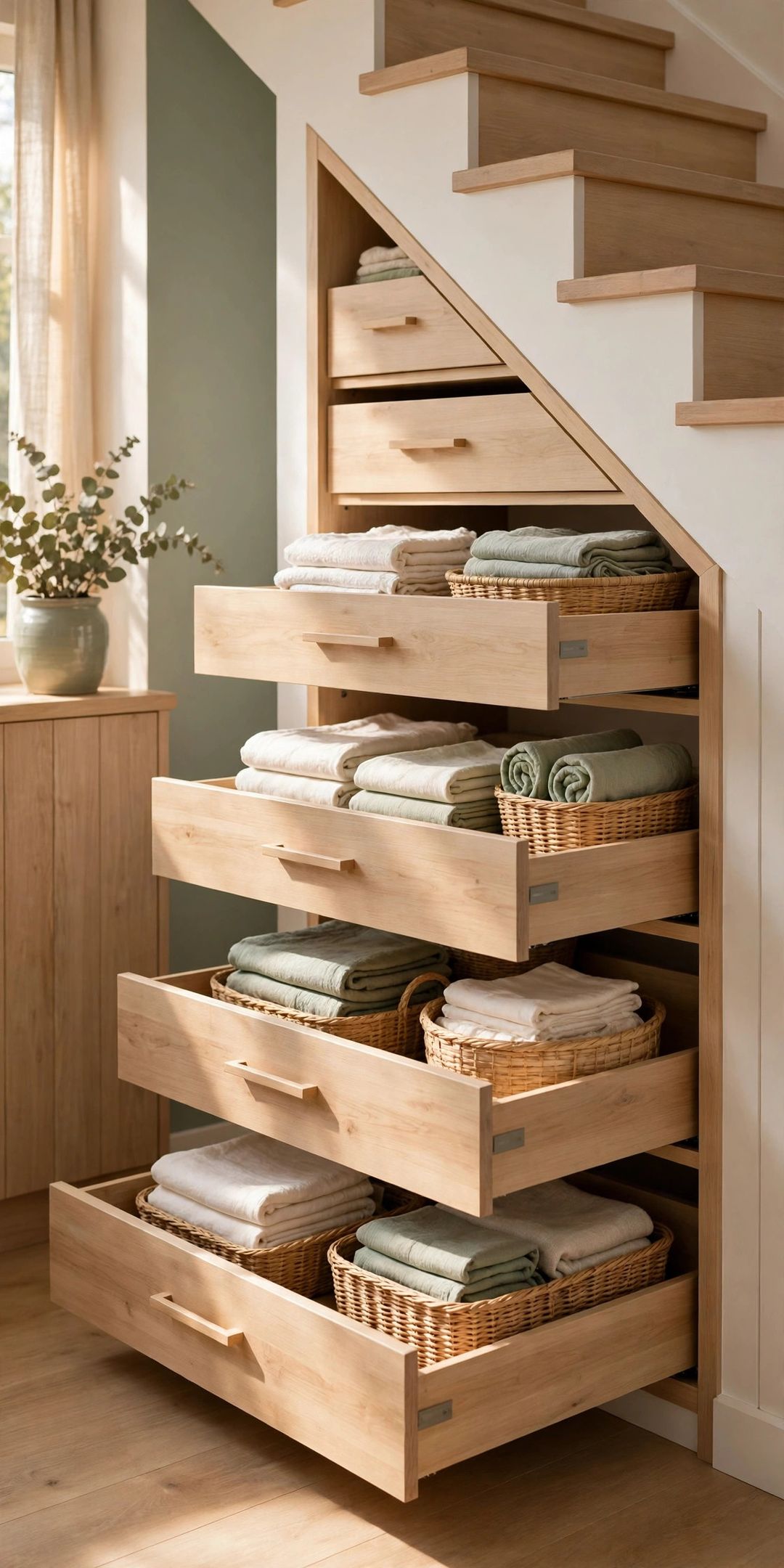
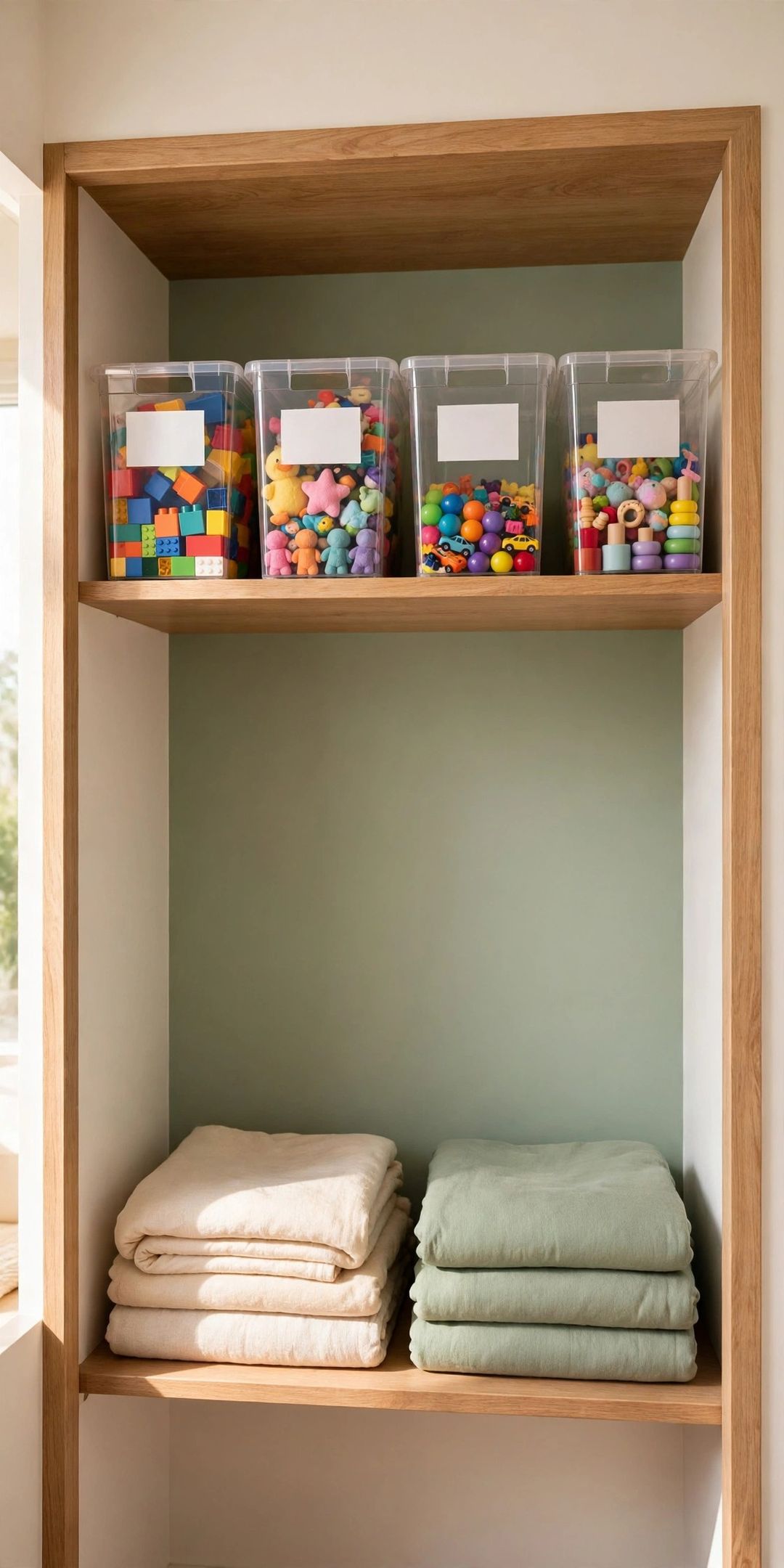
Designate a single home for every set not in use: one lidded bin on a closet shelf, one under-bed container, or one cabinet section. One spot matters more than a clever spot. When stored sets live in five places, swapping becomes a hunt and pieces get lost.
Label each bin clearly, for example Set A, Set B, and Set C, and add a short contents list on the lid. Keep small pieces inside zip bags or small boxes within the bin so a set comes out complete.
Measure before buying any bin, and leave clearance so a full bin slides out easily. Avoid hard-to-reach spots, because a difficult swap stops happening.
4. Set a Simple Swap Rhythm
Pick a rhythm that fits the household schedule: once a week, every two weeks, or on the first day of each month. Tie the swap to an existing routine, such as laundry day, so it needs no separate reminder system.
Swap the whole set at once: return the current set to its bin, check for missing pieces, then bring out the next set.
Adjust based on use, not guilt. Swap sooner if interest drops, and leave a set out longer if it is still getting heavy use.
5. Handle New and Gifted Toys Without Breaking the System
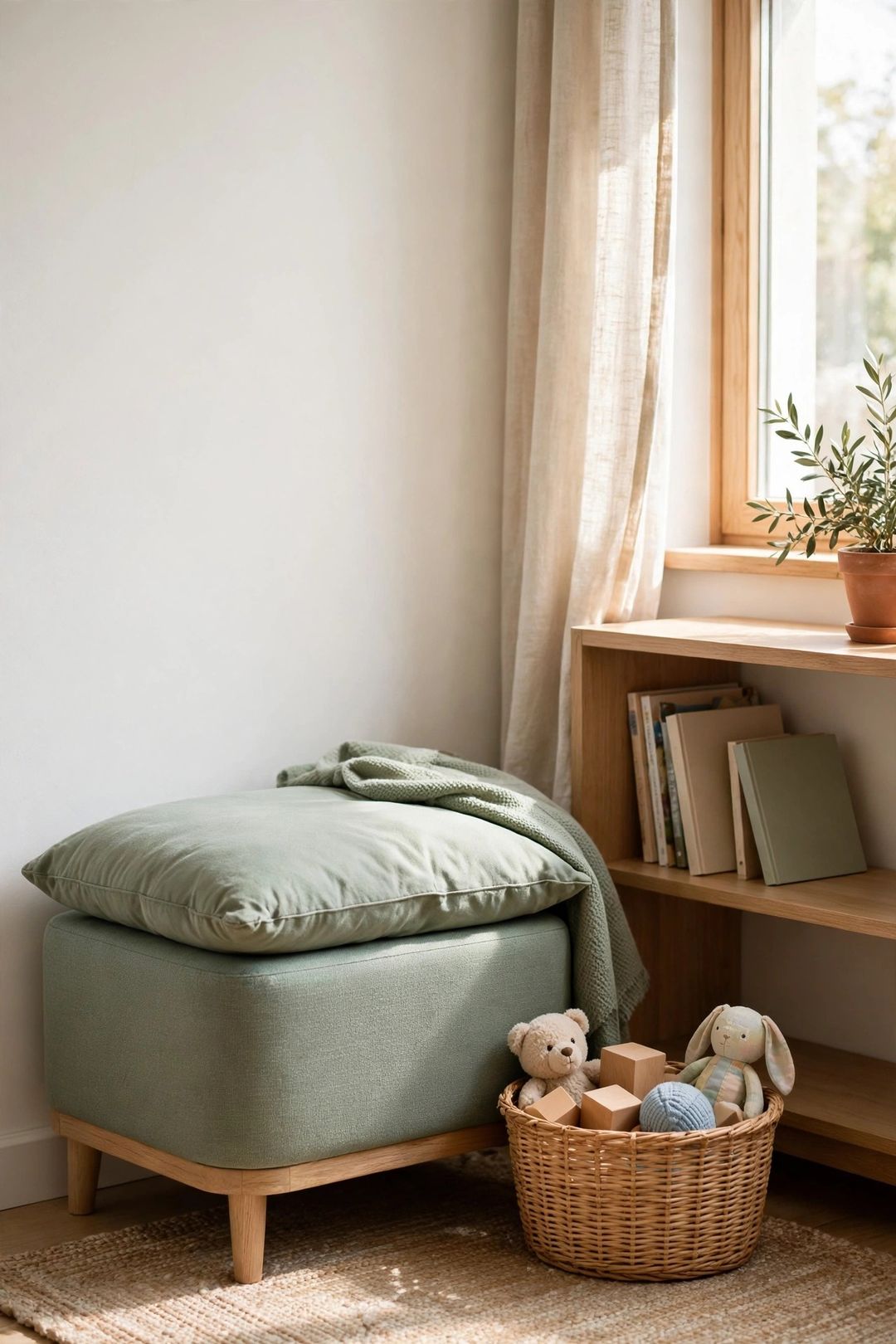
New toys are where rotation systems often collapse. Use one clear rule: a new toy joins a set, it does not start a new pile. Place birthday and holiday gifts into the set where they fit best, or hold them back as the highlight of the next swap.
When a set grows too large, move one similar item out. A new vehicle set can replace an older vehicle set in the same bin. This one-in, one-similar-out habit keeps total volume steady even as interests change.
For oversized gifts, check the footprint honestly. If an item fits neither the out area nor the bin, it needs a different permanent home.
6. How Cleanup Gets Faster
Cleanup speeds up for a practical reason: everything out has one obvious home. With one set in play, the evening reset is a single basket or low shelf, not a room full of mixed categories. Sorting at cleanup time almost disappears.
Support that speed with two habits: a two-minute piece check before a swap, and keeping the out set in one zone, such as a rug or one corner.
If cleanup still feels slow, the set is too big. Remove two or three items to a stored bin.
What to Buy
Medium lidded bins, typically $10–$18 each. Pro: Stackable bins keep out sets dust-free on one shelf. Con: Lids can crack if overfilled. Best for: The main rotation spot in a closet or cabinet.
Clear zip bags or small inner boxes, typically $8–$15 for a multipack. Pro: Small pieces and game tokens stay together inside a larger bin. Con: Thin bags tear with sharp pieces. Best for: Keeping each set complete between swaps.
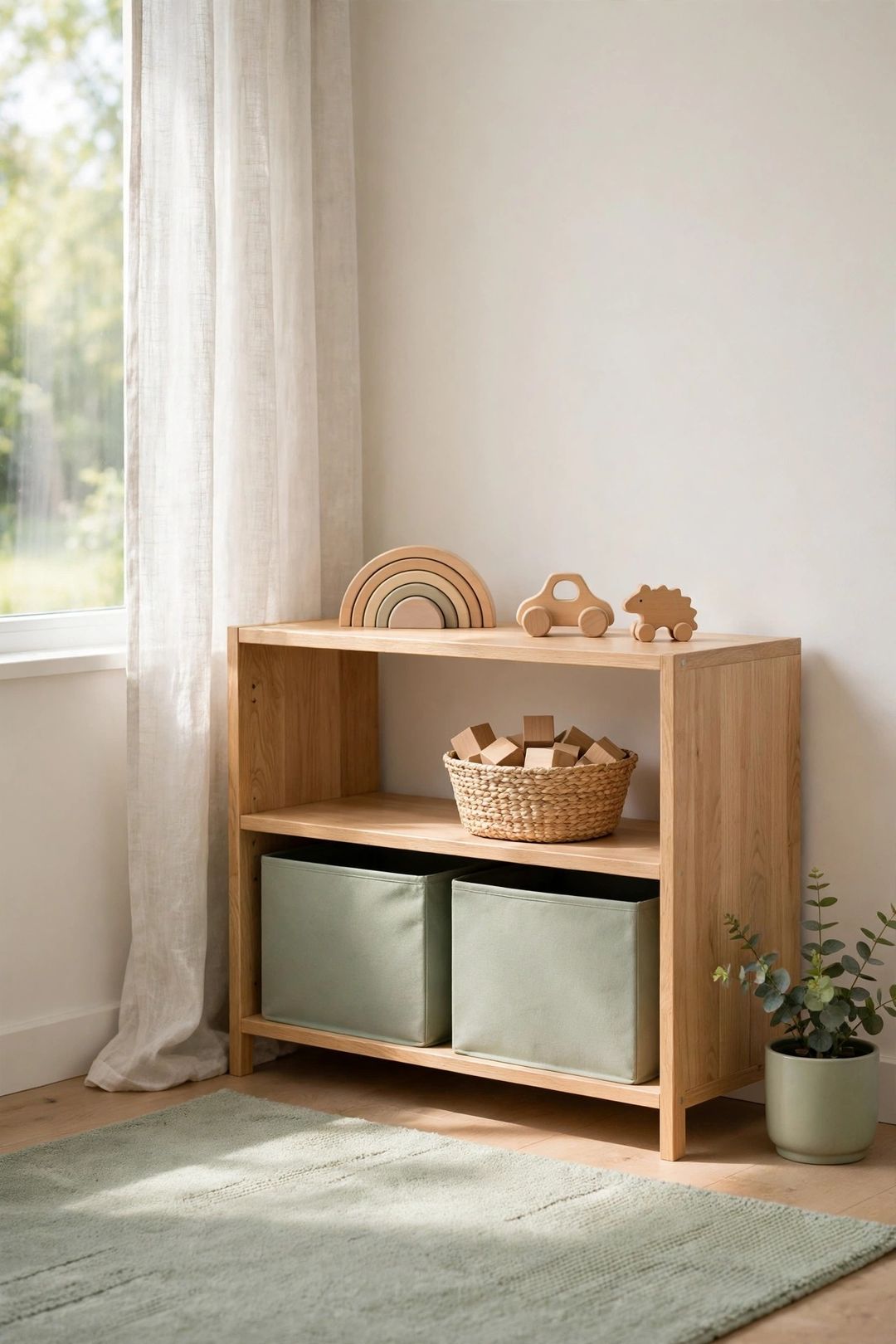
A low open basket for the current set, typically $12–$22. Pro: An open top makes daily cleanup fast. Con: It holds less and looks messier than a lidded bin. Best for: The living area, where speed matters most.
Labels or a label maker refill, typically $6–$12. Pro: Set names make swaps possible for any adult or older child helping. Con: Labels need updating when sets change. Best for: Closets where bins look identical.
An under-bed storage box, typically $15–$25. Pro: It uses flat, wasted space when no shelf is free. Con: It is easy to forget and awkward in a tight room. Best for: Homes with no spare shelf space.
Mistakes to Avoid
- Making sets too big. A set that overflows its basket recreates the original clutter problem in a smaller form.
- Storing sets in several places. Scattered bins make swaps slow and pieces go missing between rooms.
- Sorting by perfection. Sets need balance, not matching themes. Good enough sets that rotate beat perfect sets that never get finished.
- Swapping on a rigid schedule. A fixed date matters less than interest. Swap when play fades, even if the calendar says otherwise.
- Skipping the piece check. Putting a set away incomplete means the next rotation starts with missing parts.
Frequently Asked Questions
How many toys should stay out at once?
Start with what fits in one basket or on one low shelf, with room to see each item. If the floor stays covered during play, reduce the set. The right amount can be put away in about five minutes.
How often should toys be rotated?
Every one to two weeks works well for many households, but use interest as the guide. Swap sooner when attention drops, and extend a set that is still getting steady, focused use.
What if a child asks for a stored toy?
Treat the stored bins as a library, not a lockbox. Swap the requested toy for a similar item from the current set, so the total amount out stays the same.
What if there is only one small closet shelf?
Use fewer, smaller sets. Two compact sets on one shelf still deliver the main benefits: fewer toys out, complete sets, and faster cleanup.
Fewer toys out, stored in one spot and swapped on a simple rhythm, can change daily play and nightly cleanup more than any new organizer. Save this post to your Small-Space Storage board on Pinterest so the full rotation system is handy on swap day.