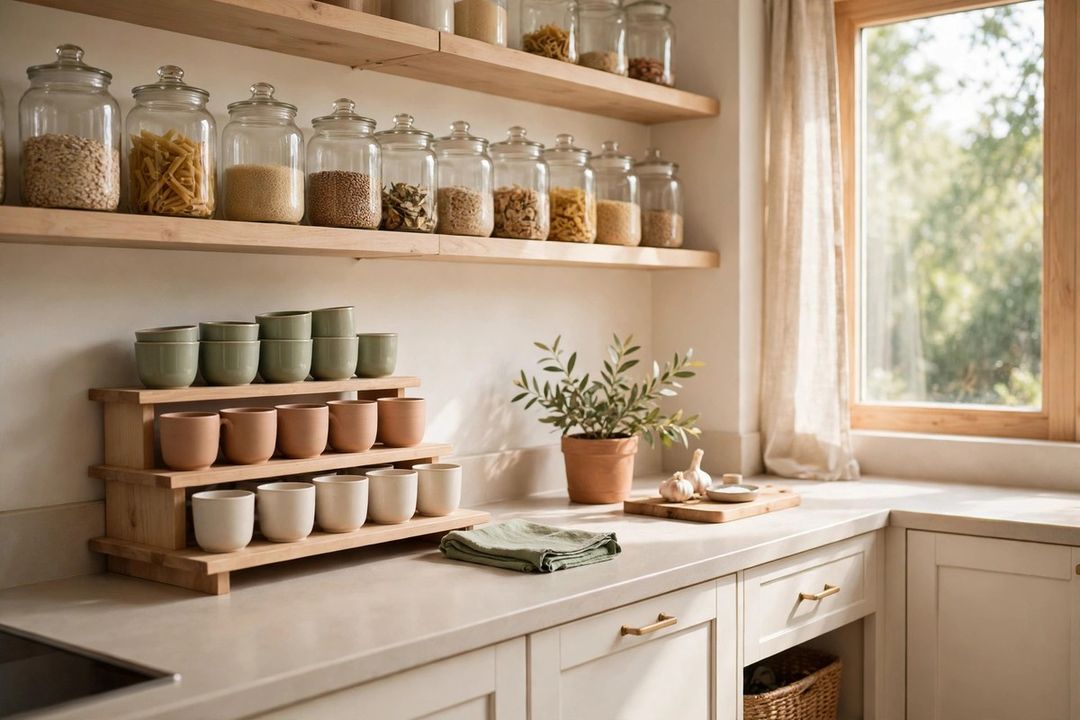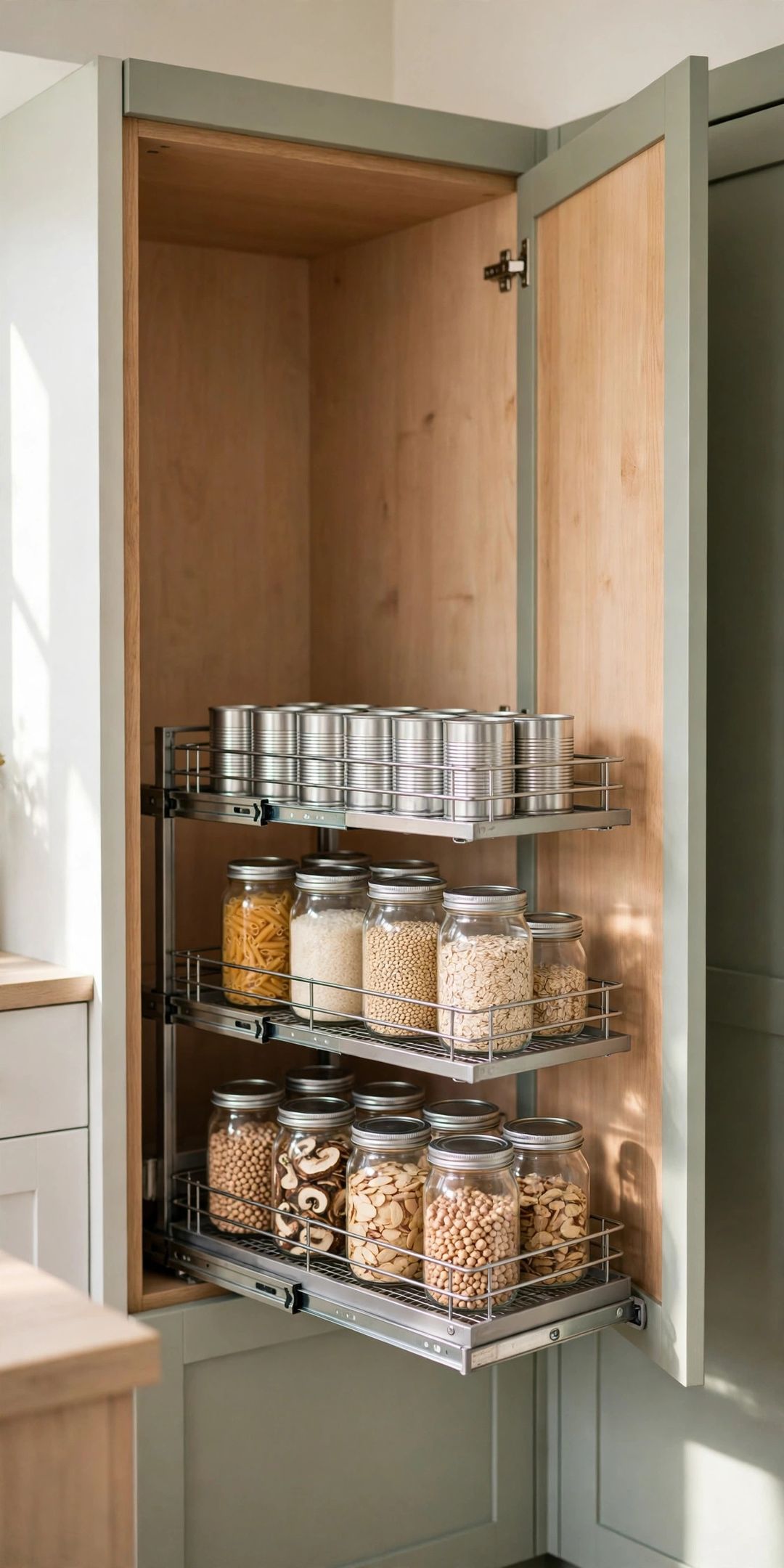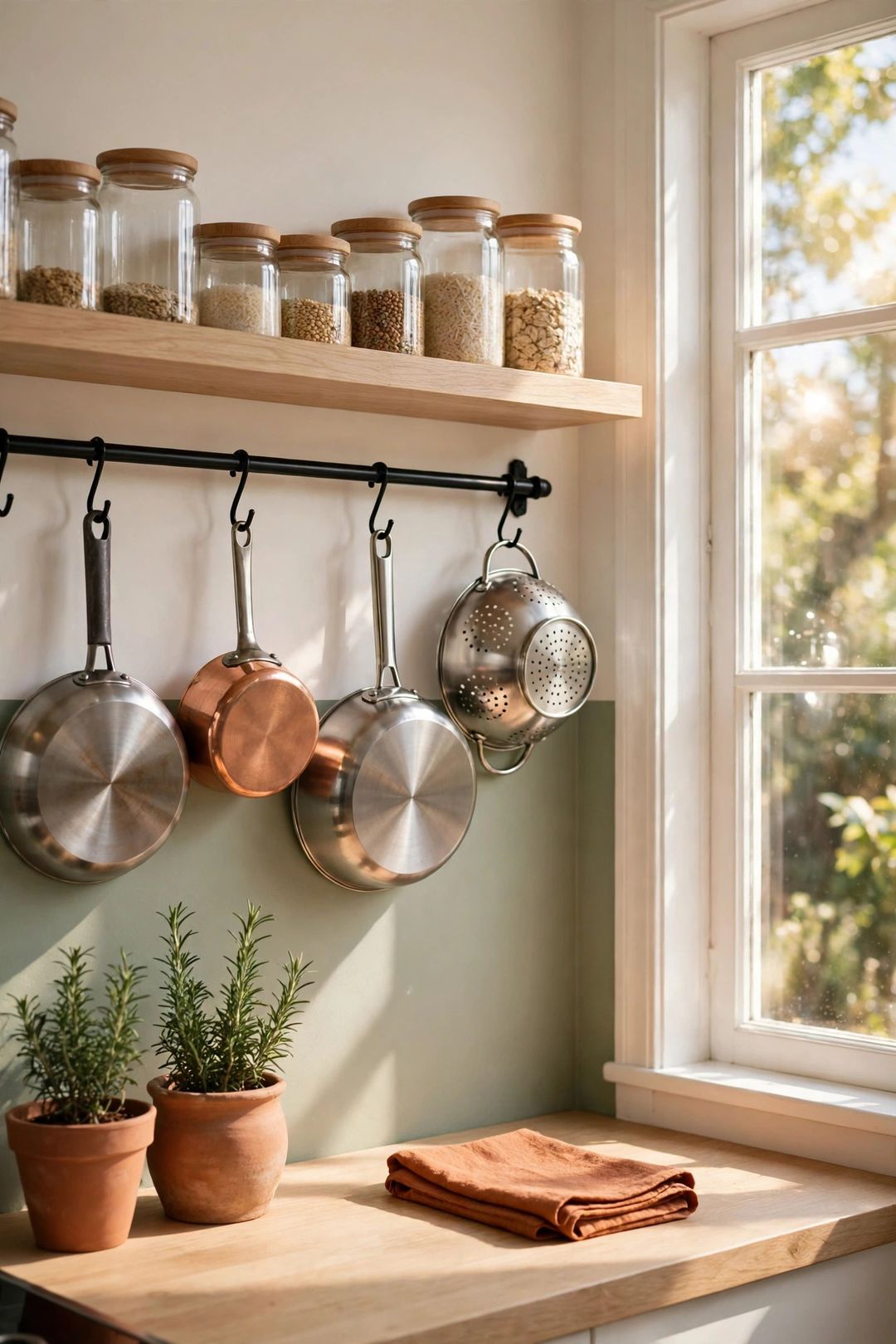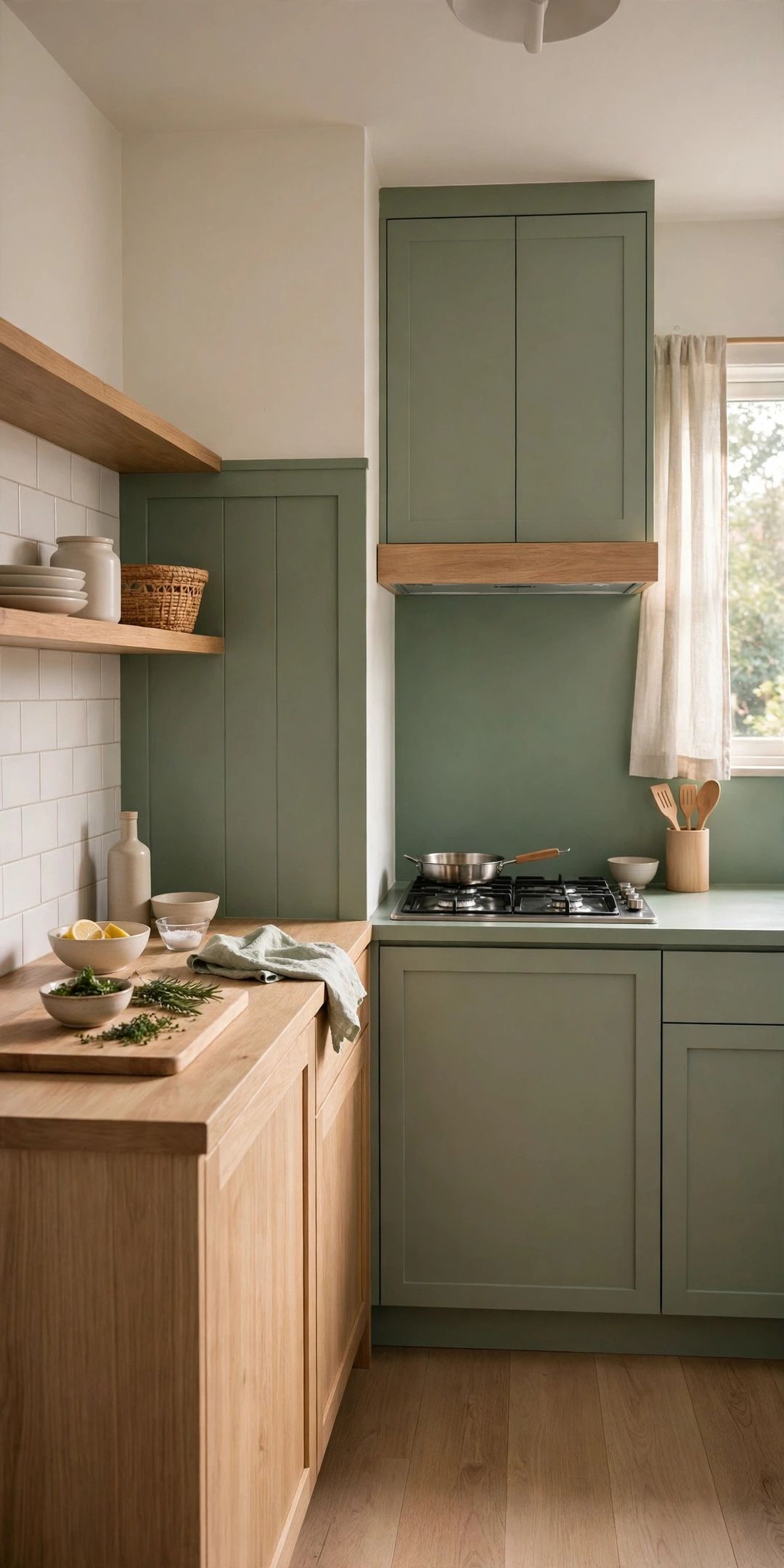
Two people cooking in a tiny kitchen can feel like a dance with no music and no room to turn. One person reaches for a knife while the other opens the oven, bags and boards pile up on the same counter, and every simple meal turns into a traffic jam.
These two cooks one small kitchen zone rules fix the problem by giving every job a place. Instead of both cooks sharing every counter and drawer, each task gets its own zone, each cook gets a home base, and movement follows one clear path.
Talk through the rules together before the next meal, then set up the zones once. After that, cooking together gets faster, calmer, and a lot more fun.
1. Give Each Cook a Prep Zone
Claim one prep spot per cook, and keep it separate. One cook might take the counter by the sink, while the other takes the counter by the fridge. Each zone holds its own cutting board, knife, and small bowl for scraps.
Separate zones stop chopping and measuring from competing for the same few inches of counter.
2. Protect a Clear Cook Zone Around the Stove
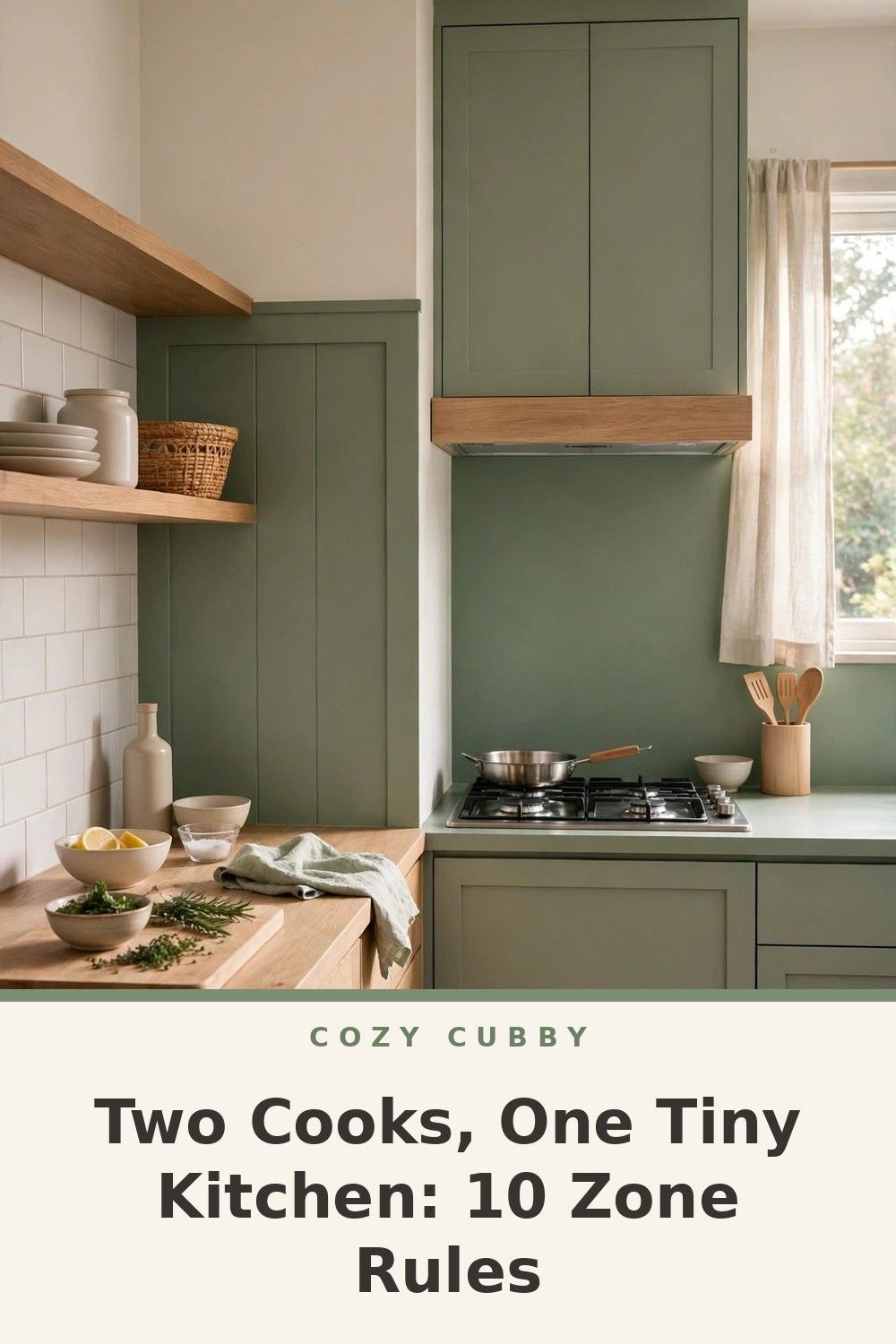
Keep the stove area for the cook who is actively cooking, and keep everyone else out of it. Only one person stirs, flips, and checks pots at a time, even if both cooks helped with prep.
Clear the counters beside the stove. A clear cook zone means hot pans move safely.
3. Set Up a Wash and Dry Zone
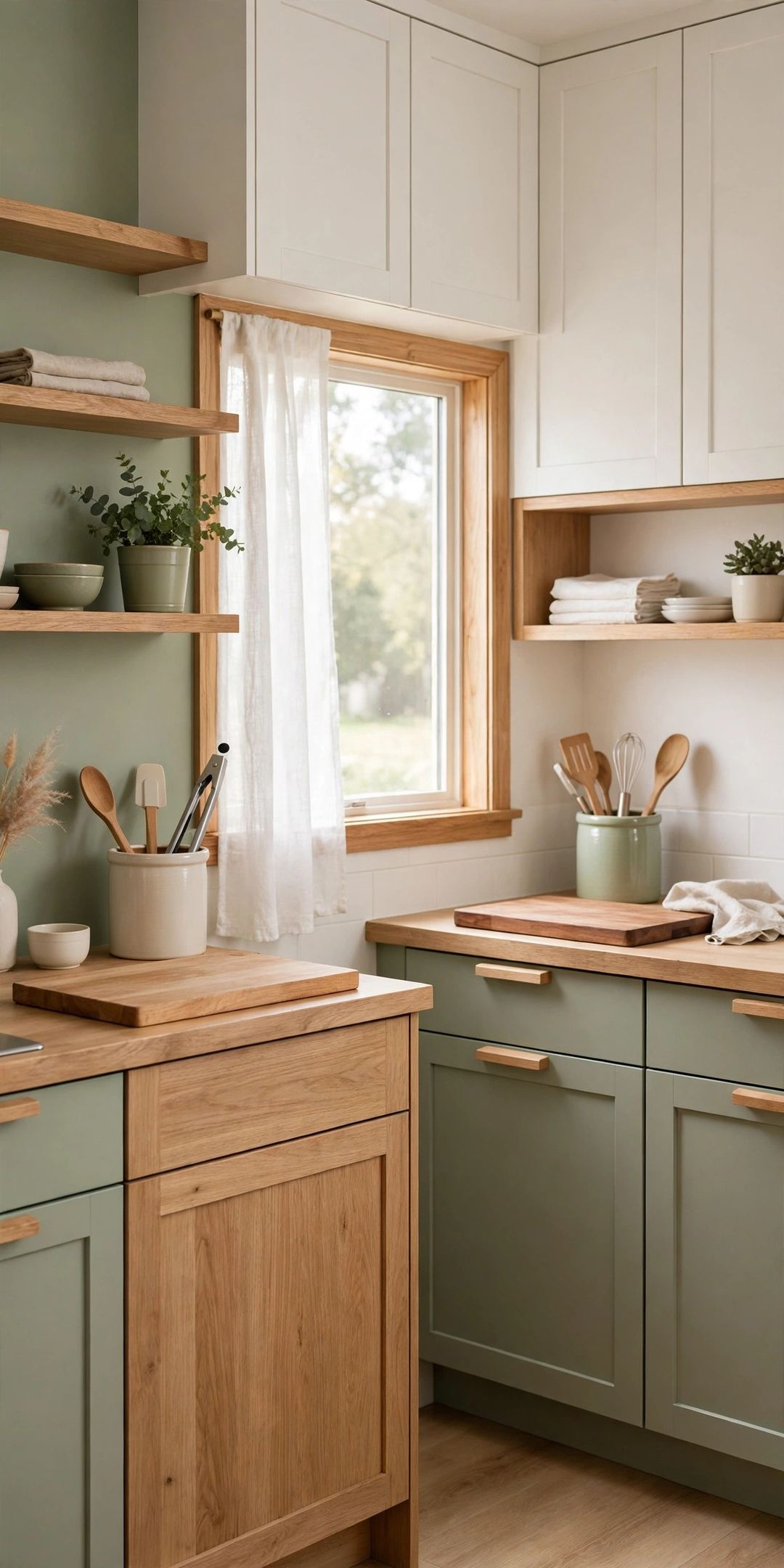
Send dirty dishes to one side of the sink, and keep clean dishes on the other side. A wash zone stops dirty bowls from drifting onto prep counters and keeps clean plates out of the splash zone.
Place a dish rack or drying mat away from the main prep zone.
4. Create a Landing Space for Everything Coming In
Choose one landing spot for groceries, bags, and items that enter the kitchen. Unpack there first, put food away, and then start cooking from a clear counter.
Without a landing space, bags stay on prep counters through the whole meal.
5. Follow One-Way Traffic Flow
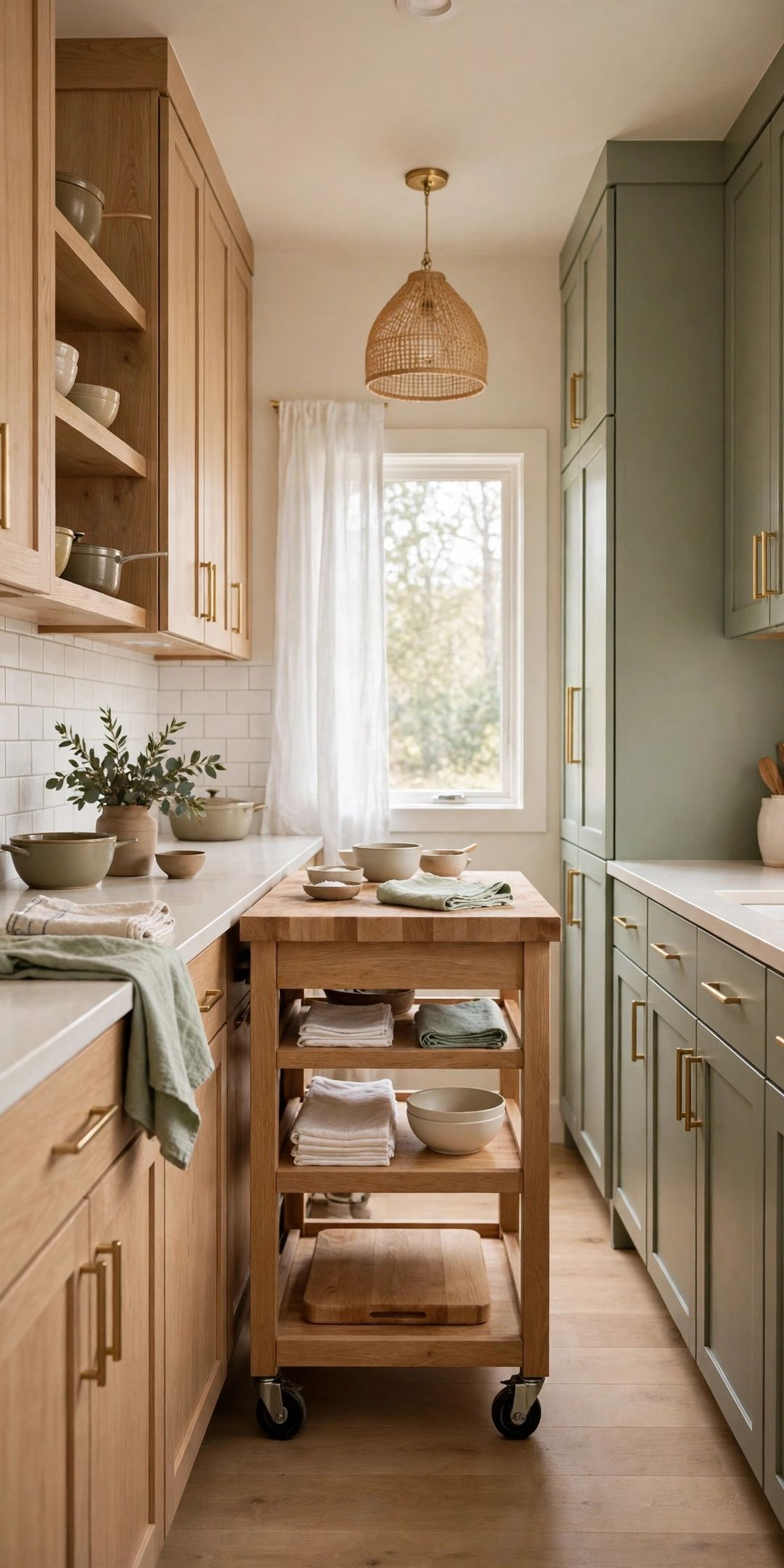
Agree on one direction of movement around the kitchen, and stick to it during busy cooking. In a galley kitchen, that might mean one cook moves toward the stove while the other moves back toward the sink, without crossing paths.
Call out moves like “behind you” so the other cook knows someone is passing.
6. Duplicate the Key Tools
Keep two of the tools both cooks reach for most. A second cutting board, a second vegetable peeler, and a second set of measuring spoons end most kitchen waits.
Duplicates just need to live in different zones, so neither cook has to stop and hand over a tool mid-prep.
7. Keep Shared Tools in One Neutral Spot
Put tools both cooks use, like a large pot or a baking sheet, in one shared spot between the zones. A neutral spot means neither cook has to dig through the other cook's zone to find it.
Return shared tools to that spot right after use.
8. Build a Clean-as-You-Go Station
Give each prep zone a small scrap bowl and a damp cloth. Scraps go in the bowl, spills get wiped right away, and the counter stays usable for the next step.
Clear one board before starting the next task, and wash a used tool as soon as its job is done.
9. Assign a Plating and Serving Zone
Pick one clear counter for plating, serving, and setting food out. Finished dishes move there, away from raw prep and hot cooking, so plates can be filled without crowding the stove.
Keep it free of prep tools and dirty dishes, so serving stays calm.
10. Reset Zones Between Meals
Return every tool, board, and container to its zone before the next meal starts. A quick reset takes only a few minutes, and it keeps the zone system working day after day.
When zones start clean, two cooks can step in and start cooking right away.
What to Buy
A second cutting board, typically $10–$18. Pro: Each cook gets a separate prep surface with no waiting. Con: Two boards need more storage space. Skip if: Counter space is so tight that one large board shared in turns works better.
A set of small prep bowls, typically $12–$20. Pro: Chopped ingredients stay sorted and ready for the pan. Con: Small bowls stack up in the sink if they are not washed promptly. Skip if: Plates and mugs already serve as prep bowls.
A dish drying mat, typically $10–$18. Pro: It defines the wash zone and protects the counter. Con: It needs regular washing and drying to stay fresh. Skip if: A dish rack already fits beside the sink.
Adhesive hooks for towels and tools, typically $8–$15. Pro: They free counter space and keep towels within reach of each zone. Con: They hold light items only and may slip on textured walls. Skip if: Wall space is already full or towel bars are nearby.
A small scrap bowl or countertop bin, typically $8–$15. Pro: Scraps stay off the counter and out of the prep zone. Con: It needs emptying after every meal. Skip if: A regular trash bowl or bag already sits beside the prep zone.
Mistakes to Avoid
- Sharing one prep counter. Two cooks on one counter means constant reaching, waiting, and bumping. Split the work across two spots, even if both spots are small.
- Leaving the stove zone cluttered. Bags, dishes, and tools beside the stove slow down cooking and make hot pans harder to move safely. Keep that area clear.
- Skipping the landing space. Groceries left on prep counters crowd out cooking from the start. Unpack in one spot first, then cook.
- Owning only one of each key tool. One peeler or one board for two cooks creates a bottleneck at the busiest moment. Duplicate the tools used most.
- Letting zones drift after one meal. Tools left in the wrong zone break the system fast. A short reset after cooking keeps every zone ready for next time.
Frequently Asked Questions
What if the kitchen has only one usable counter?
Split the counter in half and split the work by time instead of space. One cook preps first while the other sets the table or washes, then the roles switch.
Who should be the cook at the stove?
The cook handling the dish needing the most stove attention takes the cook zone. The other cook finishes prep, manages washing, or plates food.
How do two cooks avoid collisions in a galley kitchen?
Use one-way traffic, call out moves before passing, and keep the narrow path free of bags and open drawers.
Do zones work when only one person cooks most nights?
Yes. The same zones still help one cook, and when a second cook joins, the zones are already ready to share.
Two cooks in a tiny kitchen do not need more space, just clearer zones and a shared plan. Save this post to your Kitchen Organization board on Pinterest so the zone rules are handy before the next shared meal.