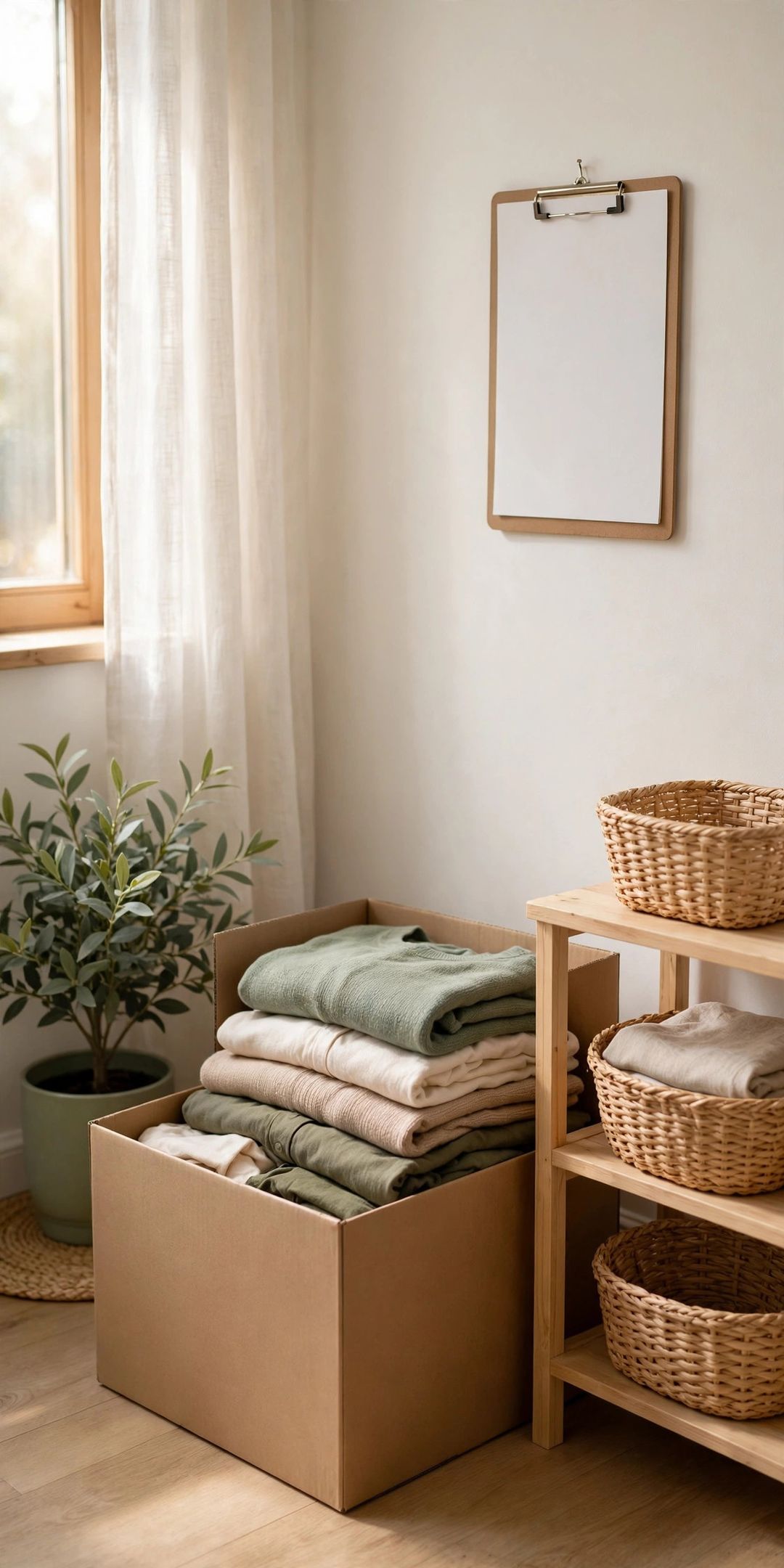
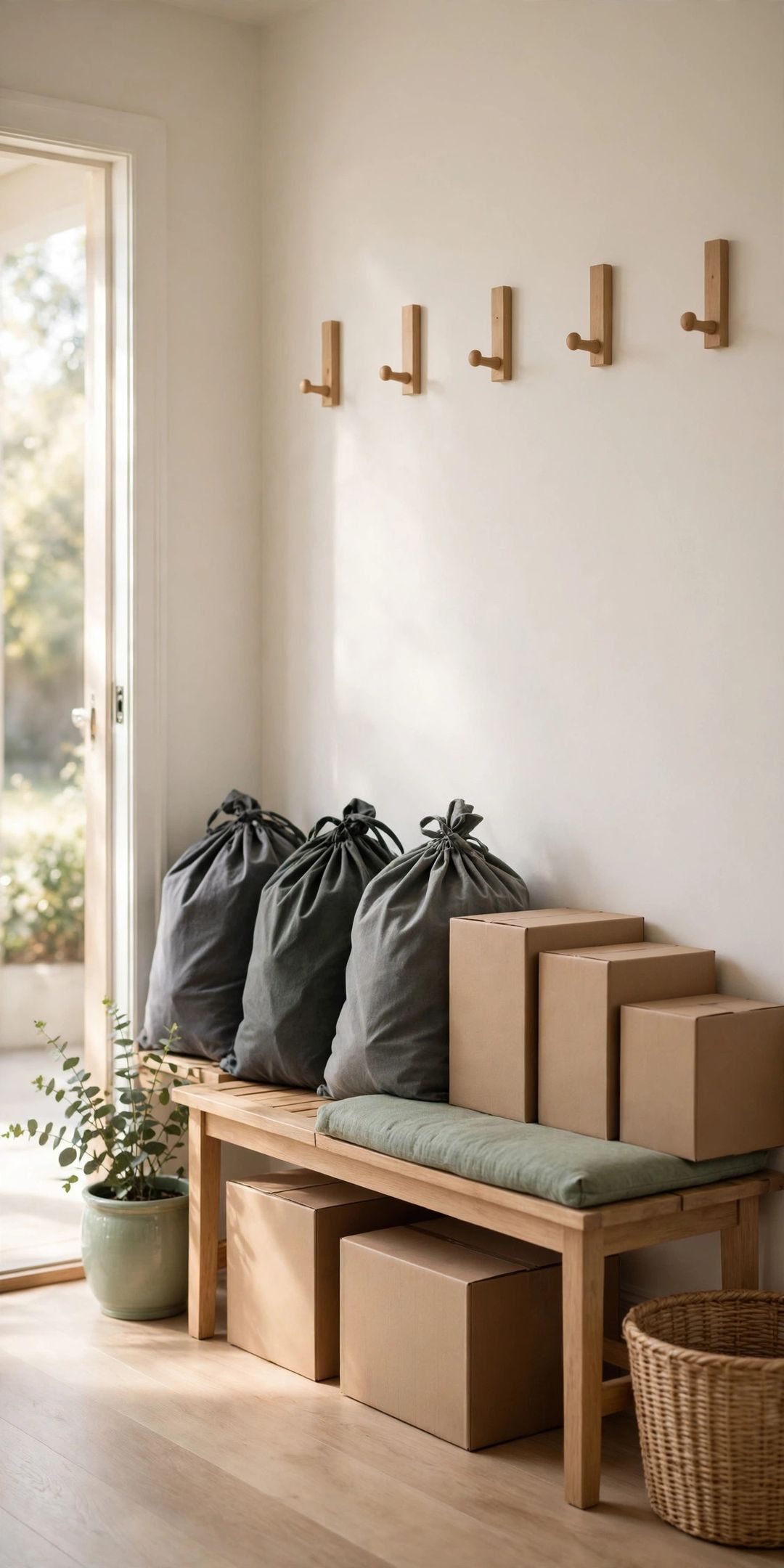
Every declutter project ends at the same bottleneck: a pile of perfectly good exits with no plan. Bags sit in the trunk, boxes colonize a corner, and the clean house quietly refills. Knowing what to do with decluttered stuff — by category, with a deadline — is the step that makes decluttering permanent instead of theatrical.
Start with three questions for any item. Is it worth real money? (Would a stranger plausibly pay for it?) Is it usable as-is? (Clean, working, complete.) Is it accepted anywhere? (Some things — worn-out textiles, old paint, dead electronics — need a specific channel.) Money and usable points to sell or donate; neither points to recycle or dispose. Then work the categories.
Clothes and Textiles
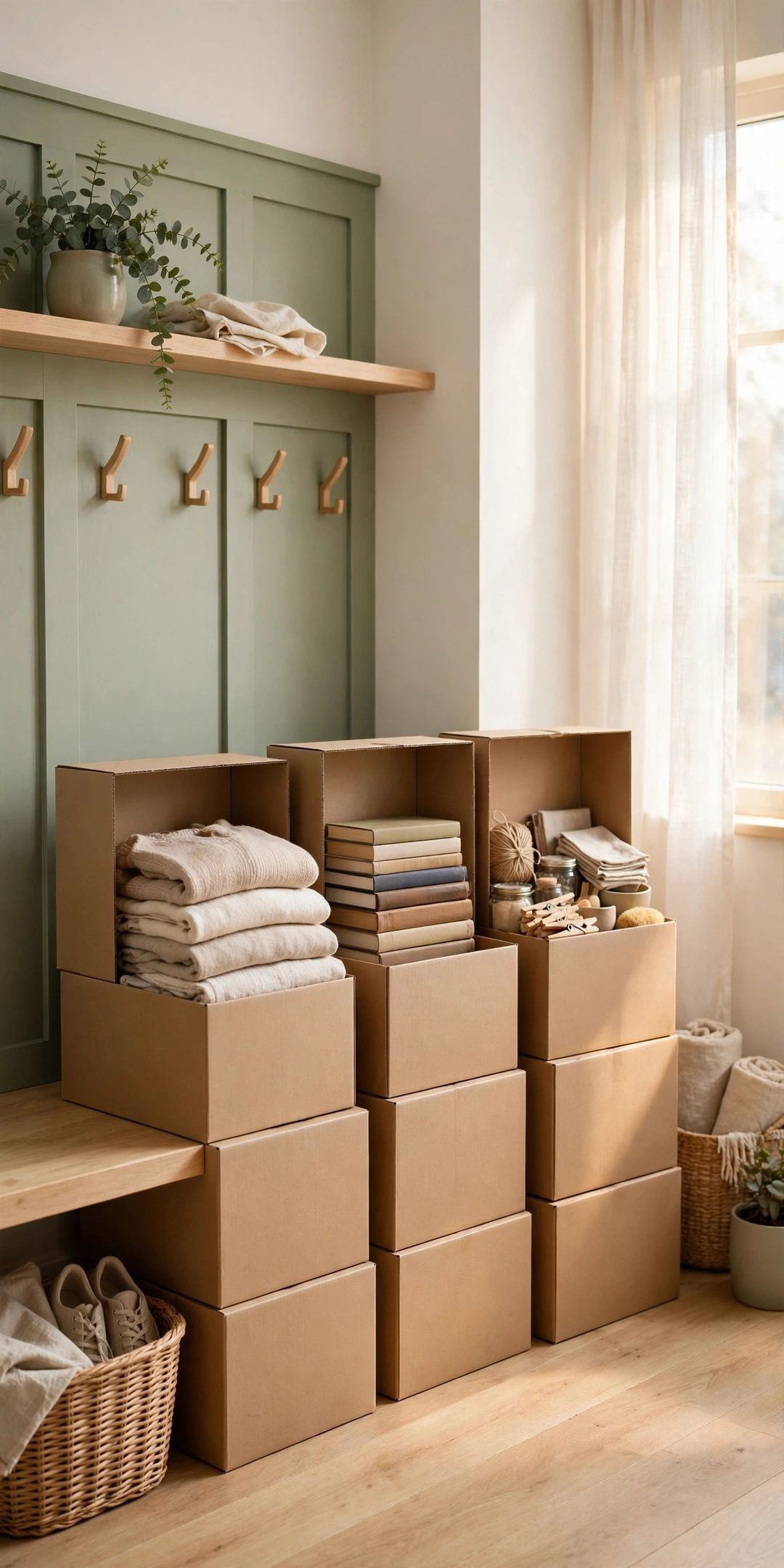
Good-condition clothes with life left in them: donate. Current, quality pieces in sizes people actually wear may be worth selling through consignment or a resale app if you will genuinely do the listing work this week — otherwise donation wins and the closet space is worth more than the maybe-money. Worn-out, stained, or stretched clothing is not donation-grade; many areas run textile recycling collections that take clean fabric in any condition for insulation and wiping cloths. Shoes in pairs, clean and wearable: donate. Single shoes and dead sneakers: textile or brand take-back recycling where available.
Furniture and Large Items
Solid, clean furniture is the easiest category to move: many donation organizations offer pickup for large pieces, and curbside "free" listings move sturdy items within days in most neighborhoods. Particle-board pieces that are wobbling, water-damaged, or missing hardware are usually not donation-grade — check whether your area's bulk-waste pickup or a furniture recycling program takes them. Mattresses are the strict exception almost everywhere: most charities cannot accept them, so plan on municipal bulk pickup or a mattress recycling program where one exists.
Electronics and Batteries
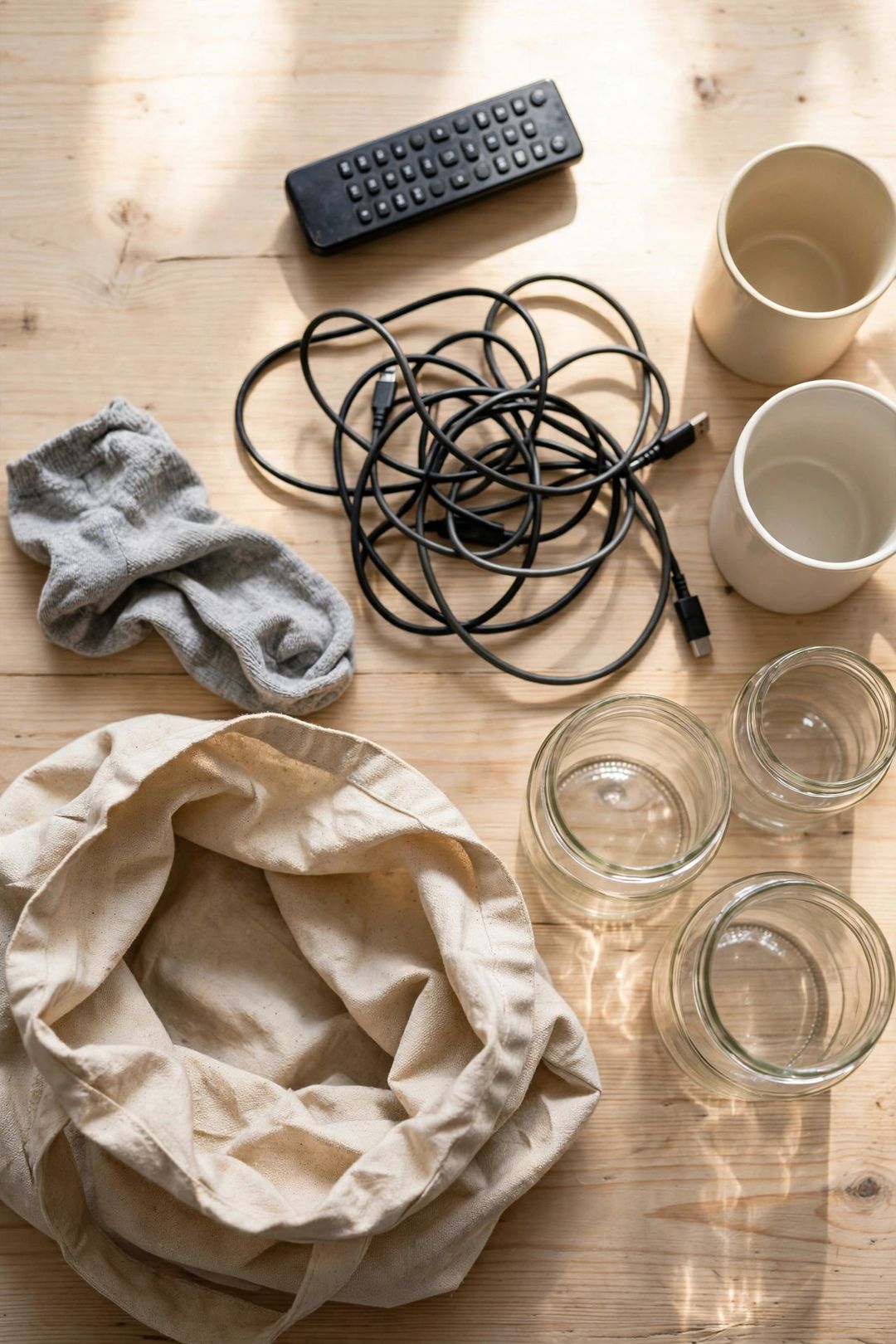
Working electronics with chargers: sell or donate (wipe your data first, factory reset, always). Dead electronics, tangled cables, and old phones belong in e-waste, not the trash and not the donation bag — big-box retailers and many municipalities run free electronics drop-offs. Batteries never go in household trash in most places; hardware stores commonly host battery recycling tubes. Ink cartridges, small appliances, and cords follow the same e-waste route when they no longer work, and the donation route when they do.
Books, Toys and Kids' Gear
Books: donate to libraries' book sales, community shelves, or donation centers; textbooks and damaged books usually recycle as paper where facilities accept them. Toys that are clean, complete, and safe: donate — incomplete games and puzzles are the exception, since a missing piece makes them unusable for the next kid; recycle their cardboard and retire the rest. Car seats and helmets should not be donated or sold secondhand — safety gear with an unknown or expired history goes through retailer trade-in events or disposal, cut straps and all, so it is not reused.
Kitchen Gear, Paint and Hazardous Items
Working kitchen gear — small appliances, pots, utensils — donates easily and sells slowly; donate unless it is a genuinely sought-after piece. Opened paint, solvents, pesticides, and old chemicals are household hazardous waste: most counties run drop-off days or permanent facilities, and none of it belongs in the trash or down a drain. Old medicines go to pharmacy or police take-back programs where available, never the trash or toilet. Aerosol cans, propane tanks, and fluorescent bulbs each have their own local channel — a two-minute check of your city's waste page answers all of them at once.
The One-Week Rule
Whatever the category, everything decluttered gets a deadline: it leaves the house within one week of the decision. Sold items that do not sell in two weeks convert to donations automatically — set that rule now, while you are motivated. Keep one dated list on the fridge during big projects: item, exit, deadline. The pile shrinks on schedule or the rules shrink it for you. Decluttering is a two-part job — deciding, then delivering — and only the second part changes your home.
What to Buy
Heavy-duty bags and boxes for sorted exits, typically $6–$12. Pro: Separate bags for donate / sell / recycle keep decisions from un-mixing. Con: Boxes stack temptingly into "later" piles — bags leave easier. Skip if: Your donation center provides bags at drop-off.
A label set or marker for exit labels, typically $4–$8. Pro: A bag labeled with its destination and deadline actually gets delivered. Con: Labels fall off in a hot trunk; write on the bag too. Skip if: You use one exit type at a time and deliver immediately.
A small scale for parcel shipping, typically $12–$20. Pro: Makes selling heavier items realistic instead of guesswork. Con: Only worth it if you will actually sell more than a couple of items. Skip if: Everything you are moving is donation-grade.
Mistakes to Avoid
- Donating junk and calling it generosity. Broken, stained, and incomplete items cost charities sorting and disposal money. Recycle or dispose of them yourself.
- Listing everything for sale. Twenty $3 listings will eat your month. Sell the few genuinely valuable pieces; donate the rest today.
- Waiting for the perfect channel. A good exit this week beats a perfect exit someday. The trunk is not a channel.
- Putting hazardous items in the regular trash. Paint, batteries, chemicals, and medicines each have a proper local route — the fines and the groundwater both argue for using it.
- Letting donations ride in the car for a month. The one-week rule exists because trunk storage is where declutter projects go to stall.

Frequently Asked Questions
Is selling worth it for most household items?
For most everyday items, no — donation returns your time and space immediately, which is worth more than a few dollars weeks later. Sell only pieces with clear demand: current electronics, solid furniture, and quality brands in good condition. Everything else exits faster as a donation.
What do donation centers refuse?
Common refusals include mattresses, car seats, helmets, broken electronics, stained upholstered furniture, and anything recalled or unsafe. Rules vary by organization, so a quick look at the accepted-items list before loading the car saves a rejected trip.
How do I handle sentimental items?
Give them the three questions with one addition: would the person who gave it to you want it stored forever, or used? Offer special pieces to family first, photograph what you release, and keep a small, bounded keepsake box — a limit turns a pile into a collection.
What if my area has no recycling for something?
Then disposal is the honest exit, through bulk pickup or the transfer station. Not everything can be recycled everywhere; a responsible disposal today beats indefinite storage of something with no channel at all.
Decide by category, deliver within a week, and let the pile become someone else's useful thing — or properly recycled material. Save this guide to your Declutter board on Pinterest for your next clear-out.