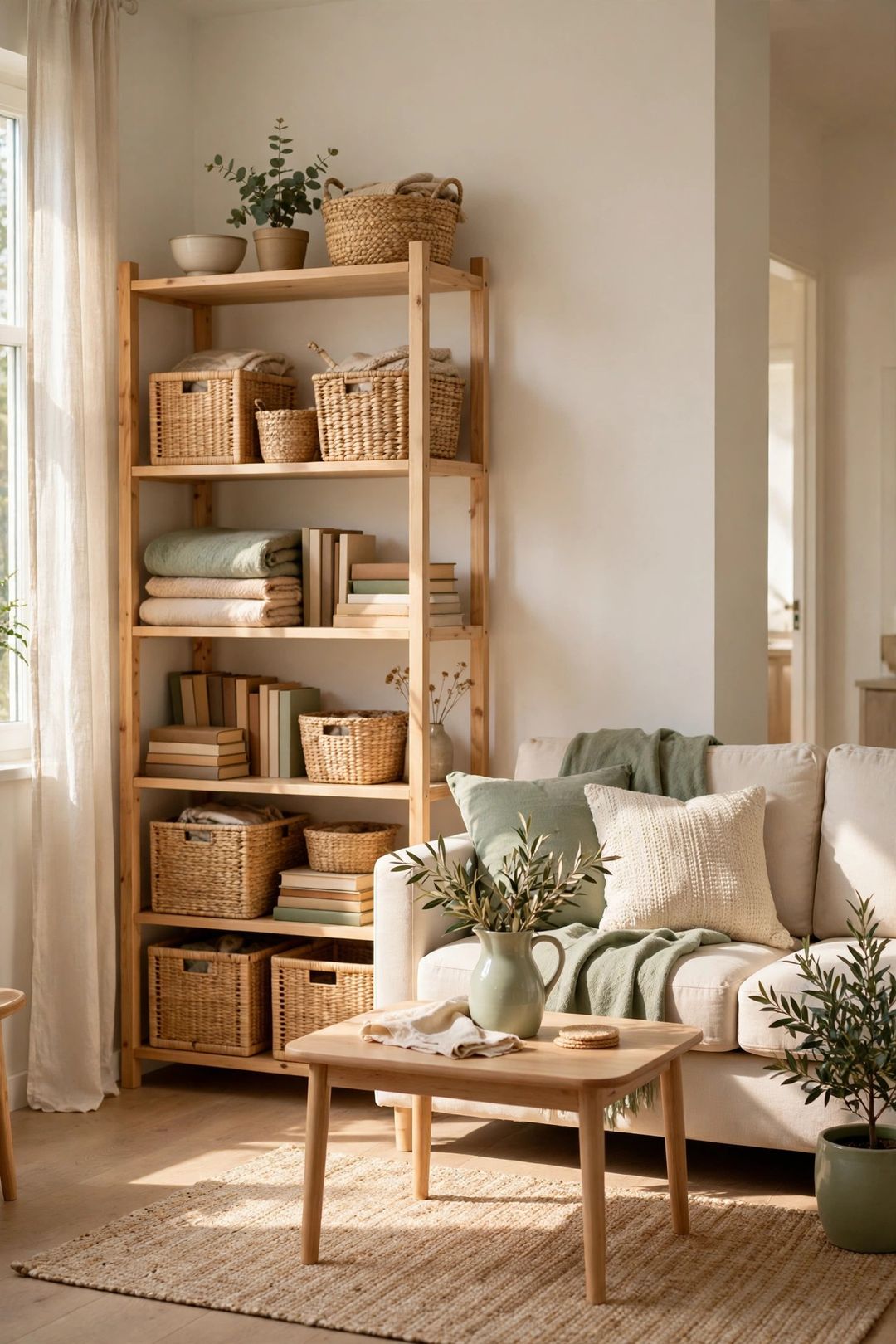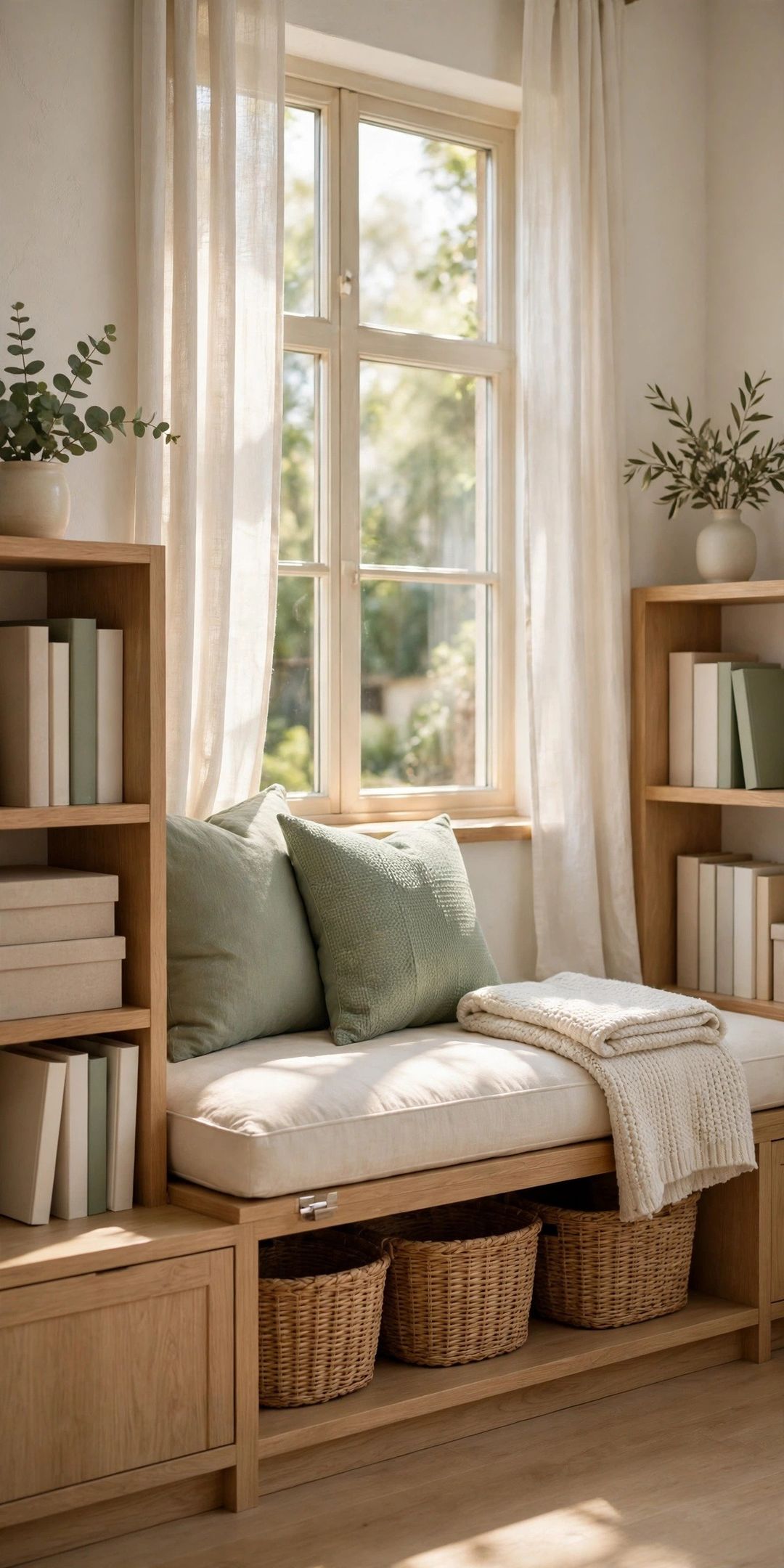
The sunniest seat in the house can work much harder than it looks. Good window seat storage ideas hide blankets, books, toys, and off-season gear right inside the bench, so the room gains a cozy spot and a lot of useful storage at the same time.
Before you build, measure the full window wall, check how far cushions will sit above the base, and think about what you will store. Heavy items need drawers. Light, bulky items suit a lift-top. Here are eight practical ways to plan it.
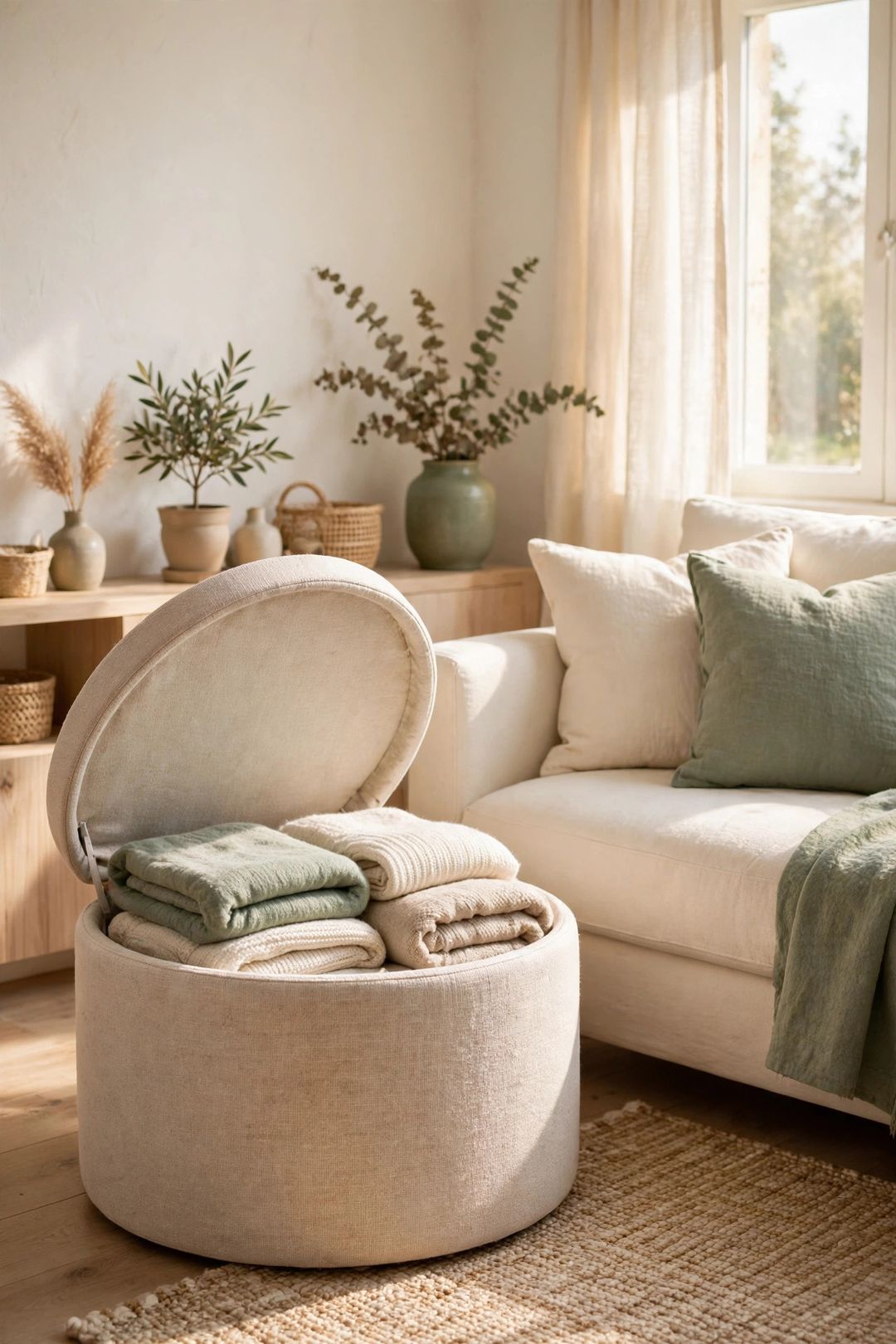
1. Lift-Top Bench for Big, Bulky Items
A lift-top bench is the simplest build: one large open box with a hinged lid on top. It swallows bulky things that fit nowhere else, like extra pillows, quilts, board games, and winter blankets. Because there are no dividers, you can drop items in fast. Add soft-close hinges or a safety hinge so the heavy lid does not slam, and keep a finger gap at the front edge so the lid is easy to lift even with a cushion on top.
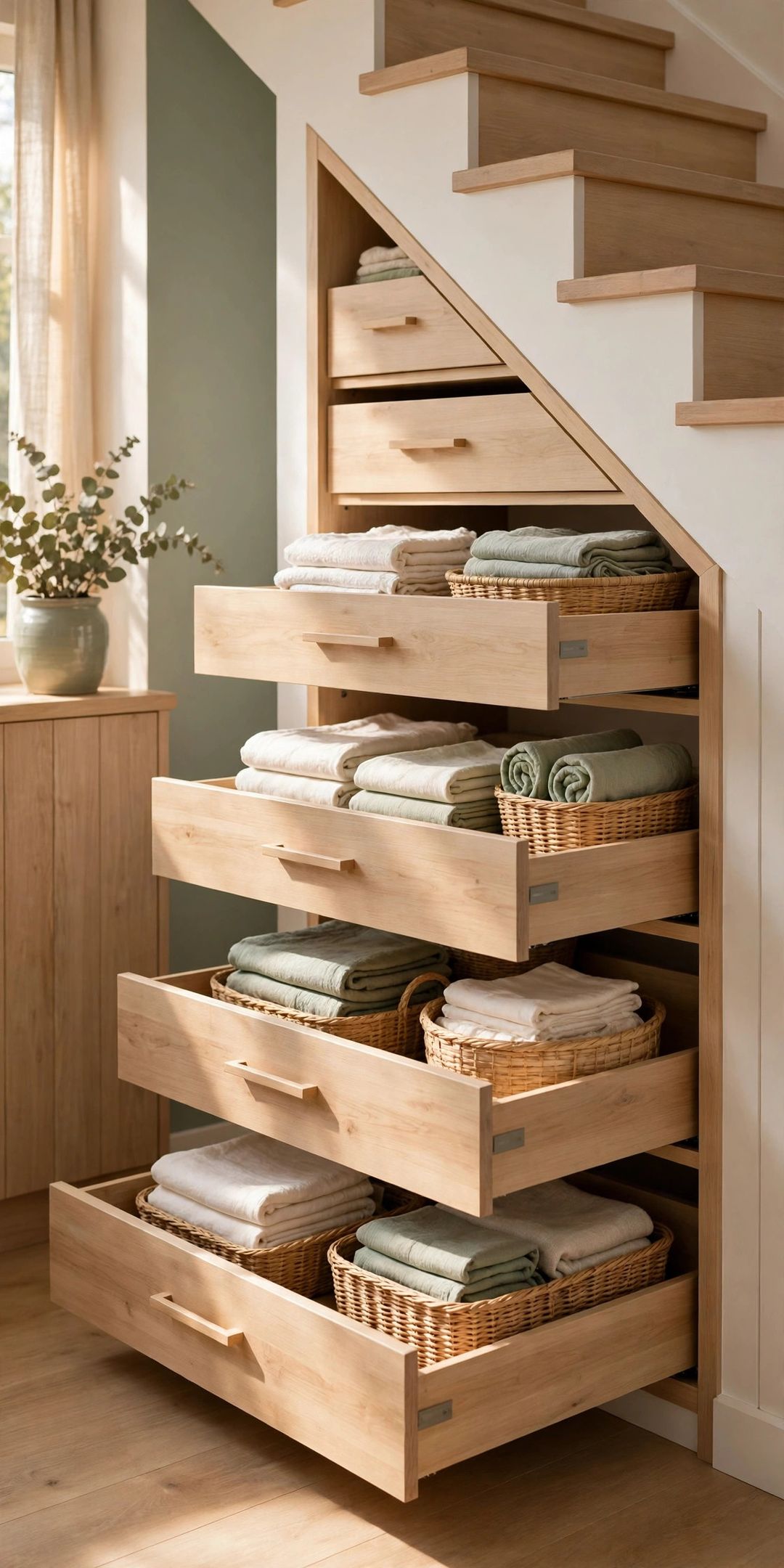
2. Deep Drawers in the Base
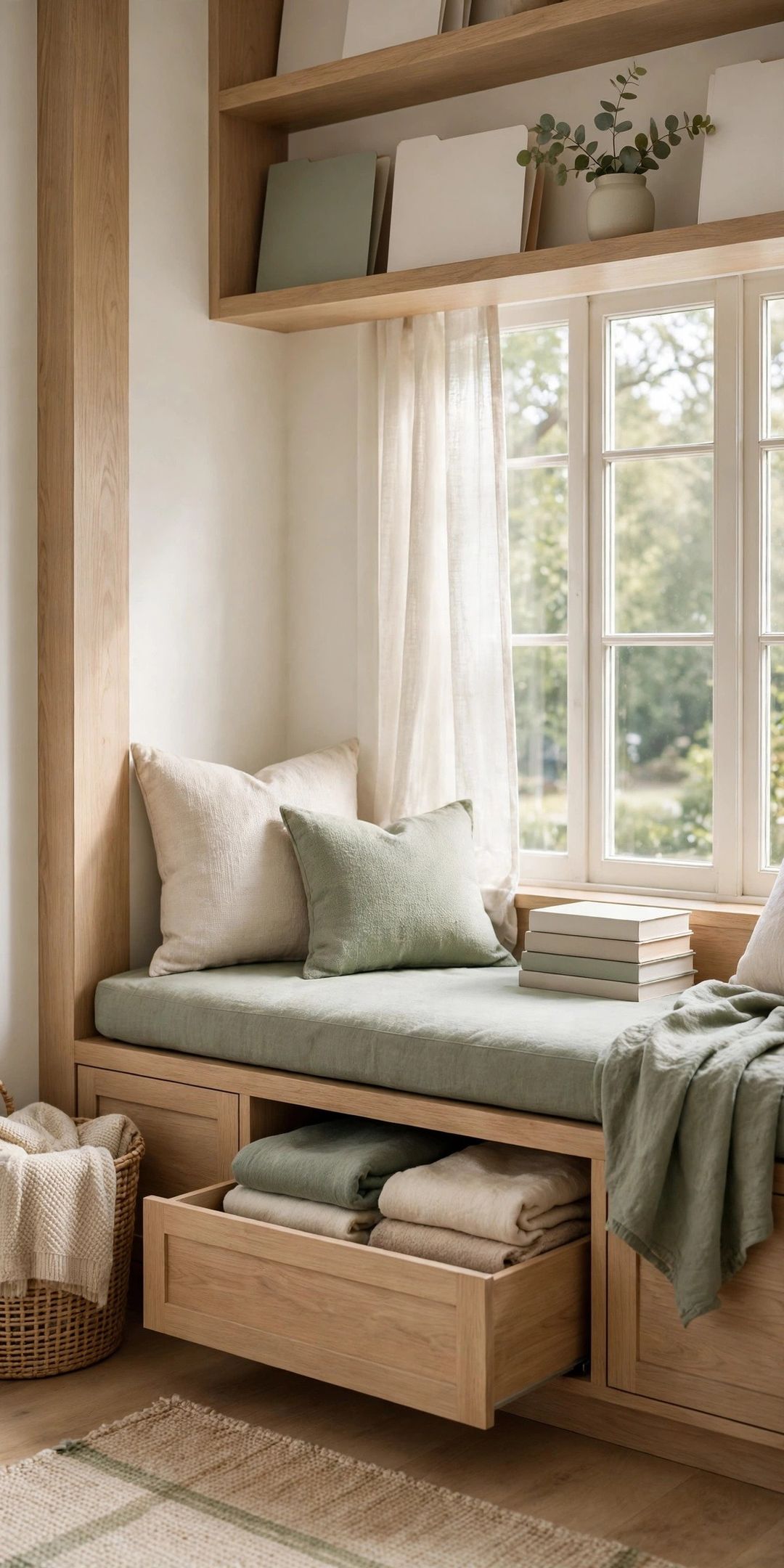
Drawers in the base suit items you reach for often, like books, craft supplies, and everyday blankets. Full drawers pull the contents out to you, so nothing gets lost at the back. Plan drawer depth around what you will store, and leave room for sturdy runners that can handle weight. Drawers cost more to build than an open box, but for daily use, the easy access is usually worth it.
3. Open Cubbies With Baskets
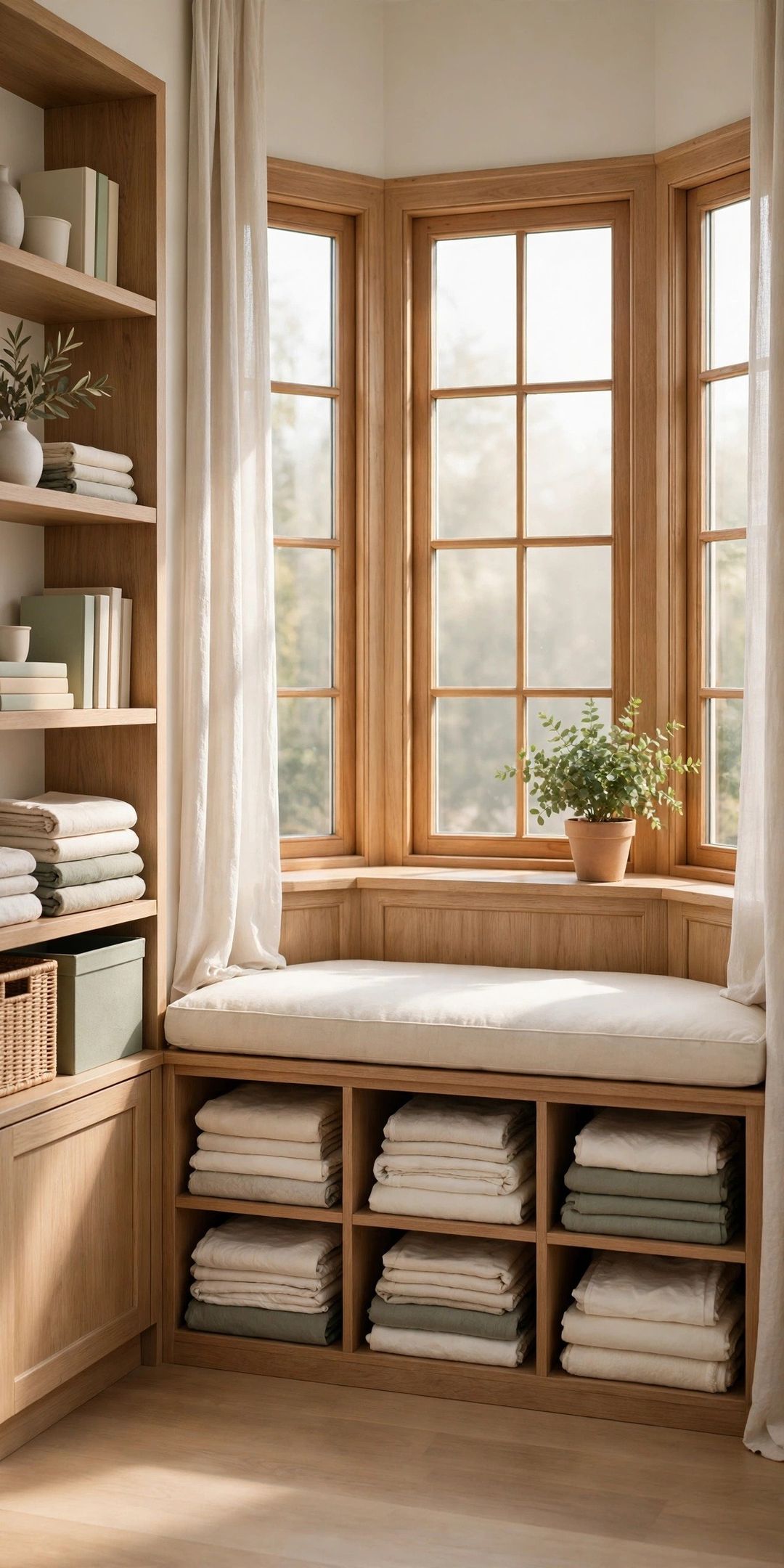
Open cubbies along the front of the seat make storage you can grab in seconds. Slide in baskets for toys, shoes, pet gear, or reading material. Measure your baskets before you build, then size each cubby to fit them with a little room to spare. Baskets hide visual clutter, keep each category separate, and let kids tidy up without lifting a heavy lid or pulling a stiff drawer.
4. Hinged Sections for Divided Storage
Instead of one long lid, split the top into two or three hinged sections. Each section opens to its own space below, so you can divide storage by person or by type. One side can hold blankets, while another holds games or seasonal decor. This plan gives you the simple build of a lift-top bench with much better order inside, and you only open the part you need.
5. Baskets Underneath a Raised Seat
If you already have a bench or plan a simple raised seat, leave the space underneath open and slide baskets or low bins below it. This is the easiest option to change later, since nothing is built in. It works well for shoes near an entry window or toys in a play corner. Choose baskets with handles, keep them all the same color, and the open base will still look neat.
6. A Low Bookcase Base
Build the seat base like a low bookcase, with shelves sized for books, albums, and storage boxes. A reading seat above a small library makes good sense: everything you need for a quiet hour is right there. Add one closed box or basket per shelf for items that look messy on display. Make sure the structure is strong enough to sit on, not just to hold books.
7. Side Towers and End Cabinets
If the window wall has space on one or both sides, add narrow cabinets or shelves at each end of the seat. These end pieces hold taller items, like gift wrap, umbrellas, or a small vacuum, that do not fit under a low seat. They also frame the window and make the whole setup look built in. Keep the seat itself simple, and let the sides do the heavy storage work.
8. A Shallow Tray or Step Drawer at the Bottom
The lowest few inches of a bench are often wasted. Turn that strip into a shallow drawer or pull-out tray for flat items: puzzles, art paper, place mats, wrapping paper, or spare chargers. It is also a handy spot for items kids use on the floor nearby. A shallow drawer will not hold much weight, so keep it for light, flat things and label the front.
What to Buy
Piano hinges and soft-close supports: Pro: They spread the weight of a lid and help it close gently. Con: They take care to fit level. Skip if you choose drawers or open cubbies instead. Typically $12–$30 depending on size and finish.
Drawer runners: Pro: Smooth, full-length runners make deep drawers easy to use. Con: Cheap runners can sag under heavy books. Skip if your base is a simple open box. Typically $10–$25 per pair.
Baskets and low bins: Pro: They make cubbies and open bases look tidy and are easy to swap. Con: Odd sizes leave wasted gaps. Skip if you have not measured the openings yet. Typically $10–$25 each for larger baskets.
Cushion foam and washable covers: Pro: A firm cushion makes the seat a place you will actually use. Con: Thick foam reduces lid clearance. Skip if the seat is mainly for storage and rarely sat on. Typically $30–$80 depending on length and fabric.
Mistakes to Avoid
- Ignoring moisture and condensation: Check for damp or cold air near the window, and do not store paper, photos, or fabric where condensation collects.
- Forgetting cushion clearance: Measure the base with the cushion on top, or lids and nearby doors may not open fully.
- Building before you measure the room: Check window trim, vents, outlets, and baseboards so the seat fits the wall without blocking heat or power.
- Making one huge, undivided space: A single deep box turns into a jumble unless you add bins or sections inside.
- Storing heavy items in a lift-top: If you must lift a lid and dig down daily, you will stop using the space.
Frequently Asked Questions
How deep should a window seat be?
Plan enough depth to sit with your back against a cushion and your legs relaxed. Measure a chair or sofa seat you find comfortable, use that as your guide, and then check that the deeper base still leaves clear walking space in the room.
Is a lift-top or drawers better?
Choose a lift-top for large, light items you use now and then, like spare bedding. Choose drawers for smaller items you reach for often, since drawers bring the contents out to you. Many seats mix both, with drawers in the middle and a lift-top at one end.
What should you not store in a window seat?
Avoid items that damp, strong sun, or heat can harm, such as photos, important papers, candles, and delicate fabric. Check the spot through a cold or rainy spell first. If the inside feels cool and dry, everyday blankets, toys, and books are safer choices.
Can you add storage to an existing bench?
Yes. Add baskets underneath, fit dividers or boxes inside an open bench, or swap a fixed top for a hinged one if the frame is sturdy. Start with the change that matches how you use the seat, and measure every opening before you buy anything new.
Choose the one idea that fits what you need to store, sketch your measurements, and start with that single project. Save this post to your Small-Space Storage board on Pinterest so your plan is ready when build day comes, and share it with anyone eyeing a sunny corner.